

P0300 on 2006-2010 Cadillac CTS-V: Random Misfire Causes and Fixes
On a 2006-2010 CTS-V, P0300 most often points to worn spark plugs, faulty plug wires, or bad ignition coils. However, be aware of more serious platform-specific issues like a worn camshaft lobe (LS2) or a failing supercharger isolator (LSA), especially if basic tune-up parts don't solve the problem.
- P0300 means multiple cylinders are misfiring randomly. Do not drive extensively if the Check Engine Light is flashing to avoid damaging the catalytic converters.
- Start your diagnosis with the most common and affordable fixes: inspect and replace worn spark plugs, spark plug wires, and test ignition coils.
- Be prepared for more complex issues. Vacuum leaks are a common cause of random misfires on aging vehicles.
- For this specific high-performance platform, be aware of documented mechanical issues like worn camshaft lobes (per TSB PIP4138R) if simple fixes fail.
- The 2006-2010 CTS-V covers two different engines (LS2 and LSA), so ensure you are using the correct diagnostic procedures and parts for your specific model year.
What's Unique About the 2006-2010 Cadillac CTS-V
The 2006-2010 Cadillac CTS-V spans two distinct generations: the first-gen (2006-2007) with the 6.0L LS2 V8 and the second-gen (2009-2010) with the 6.2L LSA supercharged V8. While standard ignition system failures are common causes for P0300, these high-performance GM V8s have specific documented issues. A Technical Service Bulletin (TSB #PIP4138R) for the 2006 model points to potential worn camshaft lobes as a cause for P0300, a significant mechanical issue beyond a simple tune-up. For the LSA engine, a rattling noise from the supercharger at idle can indicate a failing isolator coupler, which can contribute to performance issues. Another TSB relevant to the 2010 model highlights cold start misfires that can also trigger this code, potentially due to engine block porosity allowing coolant into a cylinder.
Diagnostic Flowchart
Tap your situation to follow the diagnostic path that matches what you're seeing on this vehicle.
Generation note: The 2006-2010 range covers two generations. The 2006-2007 models are the first generation CTS-V with the 6.0L LS2 V8. The 2009-2010 models are the second generation, featuring the 6.2L LSA supercharged V8. There was no 2008 model year for the CTS-V. While many causes are similar, the engines are different, and diagnostics may vary. For instance, the LSA has a supercharger with its own potential failure points, like the isolator.
Symptoms You May Notice
- Rough or shaky idle
- Hesitation or stumbling during acceleration
- Noticeable loss of engine power
- Flashing or solid Check Engine Light
- Engine noise or ticking (can indicate a worn camshaft or lifter issue)
- StabiliTrak service message may appear on the dash
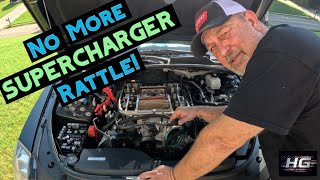
- Rattling sound from the front of the engine at idle that fades with RPM (specific to LSA supercharger isolator failure)
- Fuel smell from the exhaust due to unburned fuel
- Replacing only one spark plug when the entire set is due for replacement.
- Replacing oxygen sensors when the root cause is a vacuum leak or ignition issue.
- Assuming the issue is only tune-up related when a mechanical problem like a worn camshaft is present.
- Chasing StabiliTrak system faults when the warning message is a symptom of the engine misfire, not the cause. The ECU disables traction/stability control when a significant engine fault is detected.
Most Likely Causes
- Worn Spark Plugs or Faulty Spark Plug Wires 🔴 High Probability High-performance engines like the LS2 and LSA are harder on spark plugs. Wires can degrade from high engine bay temperatures. Owners on forums frequently report this as the first and most successful fix.
How to confirm: Visually inspect spark plugs for wear, fouling, or damage. The recommended gap for the LSA is 0.040 inches. Inspect wires for cracks, burns, or corrosion. Test resistance of plug wires with a multimeter.
Typical fix: Replace all spark plugs and/or spark plug wires as a set. Use high-quality replacements like ACDelco or NGK.
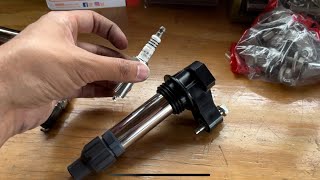
Est. part cost: $50-$200 - Faulty Ignition Coil(s) 🟡 Medium Probability Coil-on-plug systems are generally reliable, but individual coils can fail with age and heat exposure, causing misfires. The coil packs are located on the valve covers and subject to significant heat.
How to confirm: Use a scan tool with live data to monitor misfire counts per cylinder. Swap the suspected faulty coil with a coil from a known good cylinder and see if the misfire follows the coil.
Typical fix: Replace the single failed ignition coil. Many owners choose to replace all coils if they are original and high-mileage. ACDelco D510C is a common part number for these engines.
Est. part cost: $40-$80 per coil - Vacuum Leak 🟡 Medium Probability Intake manifold gaskets, vacuum hoses, and PCV system components can degrade over time, causing unmetered air to enter the engine and disrupt the air/fuel ratio. On supercharged LSA engines, leaks in the supercharger assembly or intercooler system can also be a cause.
How to confirm: Perform a smoke test to find the source of the leak. Listen for hissing sounds around the intake manifold. Spraying carb cleaner near suspected areas and listening for a change in engine RPM can also pinpoint a leak.
Typical fix: Replace the failed gasket or hose.
Est. part cost: $20-$150 - Worn Camshaft Lobe / Lifter Failure ⚪ Low Probability Documented in TSB #PIP4138R for the 2006 model (and other GM V8s), a worn camshaft lobe can cause a persistent misfire, often accompanied by a distinct chirp, squeak, or tick noise. This is a known, though uncommon, failure pattern on the LS engine family.
How to confirm: This is a complex diagnosis. If all other causes are ruled out, a ticking noise may be present. A technician will need to remove the valve covers to inspect valve movement and potentially remove lifters and use a borescope to inspect the camshaft for wear.
Typical fix: Requires replacement of the camshaft and all lifters. This is a major, labor-intensive engine repair.
Est. part cost: $800-$2000+
Rare But Worth Checking
- Low Fuel Pressure: A failing fuel pump or clogged fuel filter can starve the engine of fuel, causing random misfires under load.
- Clogged Fuel Injectors: One or more dirty fuel injectors can disrupt the fuel spray pattern, leading to poor combustion and misfires.
- Restricted Exhaust: A clogged catalytic converter can create excessive backpressure, leading to a loss of power and random misfires.
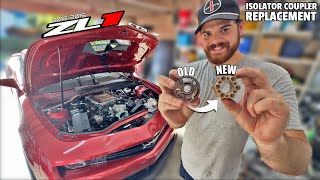
- Failing Supercharger Isolator (LSA Engine): The factory spring-loaded supercharger coupler in the LSA's snout is a known failure point. It can wear out and cause a rattling noise at idle. While not always a direct cause of P0300, the resulting slack and potential for debris can affect performance. Many owners upgrade to a solid isolator. 🎬 Watch: How to replace the LSA supercharger coupler yourself.
- Coolant Intrusion into Cylinder: TSB #18-NA-115 describes a cold-start-only misfire that can be caused by engine block porosity, allowing a small amount of coolant to leak into a cylinder overnight. Diagnosis involves adding dye to the coolant and using a borescope to inspect the cylinder after a cold soak.
Diagnosis Steps
- Read the trouble codes with an OBD-II scanner. 🎬 See this guide on diagnosing a P0300 random misfire. Note any other codes present and check freeze frame data to see the engine conditions (RPM, load, temperature) when the code was set.
- Perform a thorough visual inspection. Look for cracked vacuum hoses (especially PCV lines), loose electrical connectors, or damaged wiring.
- Inspect the ignition system. Remove and check spark plugs for wear, oil/coolant fouling, and proper gap (0.040" for LSA). Inspect spark plug wires for damage.
- Test ignition coils. Use a scan tool to watch live misfire data. Swap a suspected bad coil with a known good one to see if the misfire moves to the new cylinder.
- Check for vacuum leaks using a smoke machine. This is the most effective method. Alternatively, carefully spray starter fluid around the intake manifold gasket and vacuum lines, listening for a change in engine idle.
- Test fuel pressure to ensure the fuel pump is providing adequate pressure according to specifications.
- For LSA engines (2009-2010), listen for a distinct rattling or 'marbles in a can' sound from the supercharger snout at idle. If present, suspect a worn supercharger isolator.
- If misfire occurs only on cold starts and disappears when warm, consider the possibility of coolant intrusion as described in TSB #18-NA-115. This requires a coolant system pressure test and borescope inspection.
- If all other tests are inconclusive and a persistent ticking noise is heard, investigate potential mechanical issues. This includes a compression test and, as a last resort, inspecting the valvetrain and camshaft for wear as indicated by TSB #PIP4138R. 🎬 Watch: How to diagnose a ticking sound in an LS engine.
Parts You'll Likely Need
- Spark Plugs
(OEM #ACDelco 41-104 (for LSA 6.2L) or 41-110 / 41-162 (for LS2 6.0L, verify application))— Spark plugs are a routine maintenance item and the most frequent cause of misfires.
Trusted brands: ACDelco, NGK
OEM price range: $8-$15 per plug
Aftermarket price range: $5-$12 per plug - Spark Plug Wires
(OEM #ACDelco 748RR (LS2) or similar for LSA)— Wires degrade over time from heat and can cause a weak or inconsistent spark.
Trusted brands: ACDelco, MSD
OEM price range: $80-$150
Aftermarket price range: $50-$100 - Ignition Coil
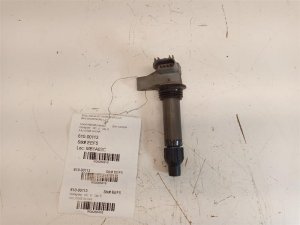
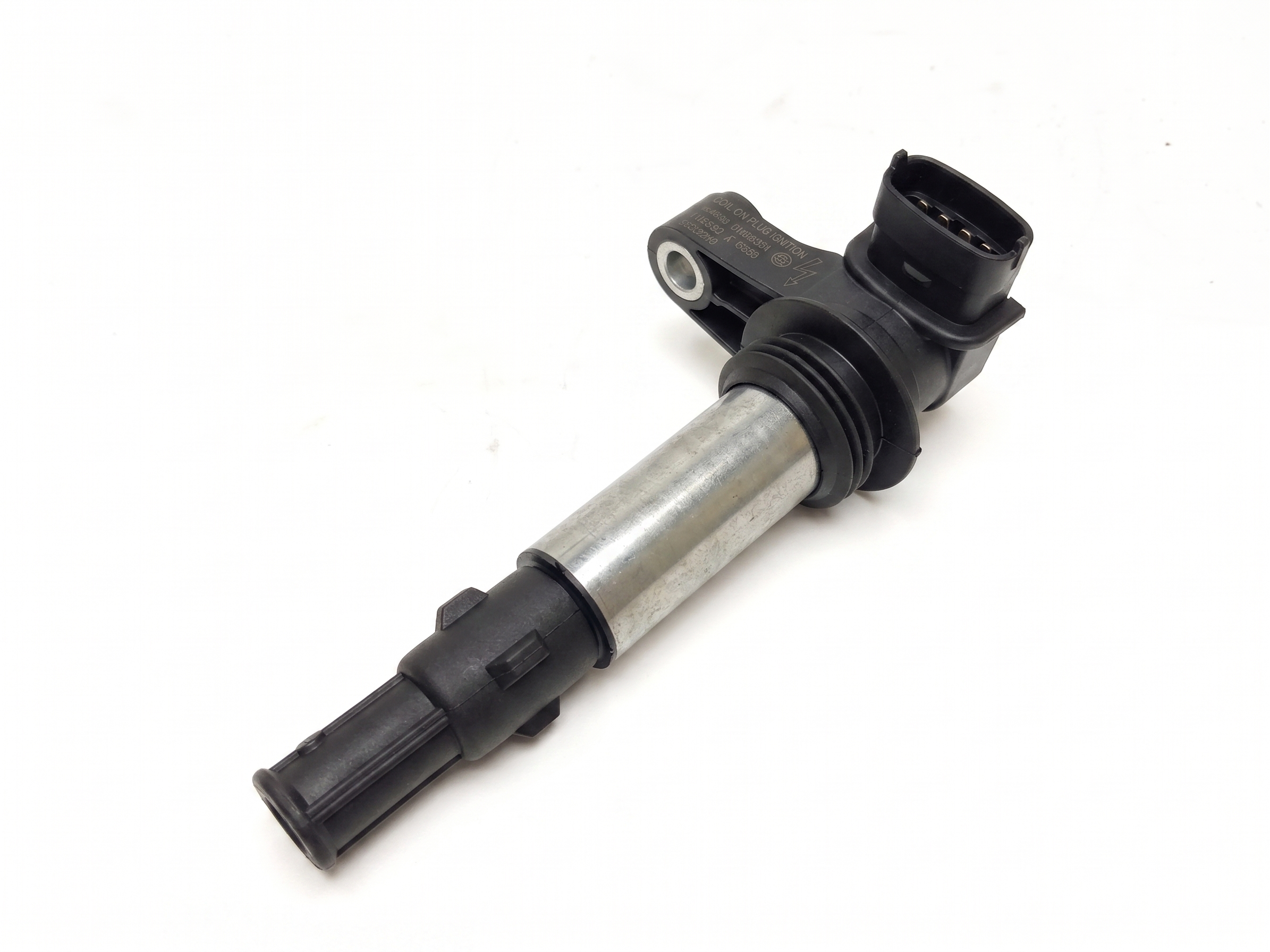
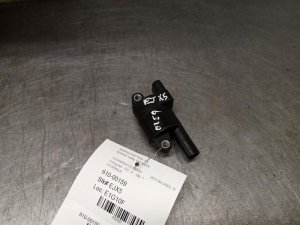
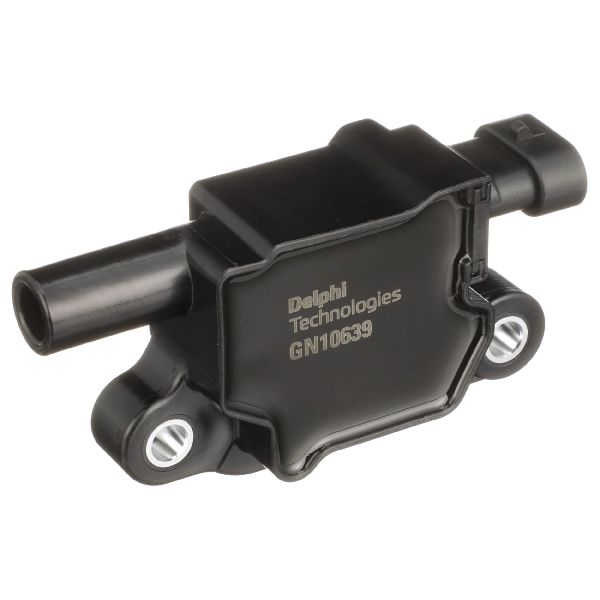
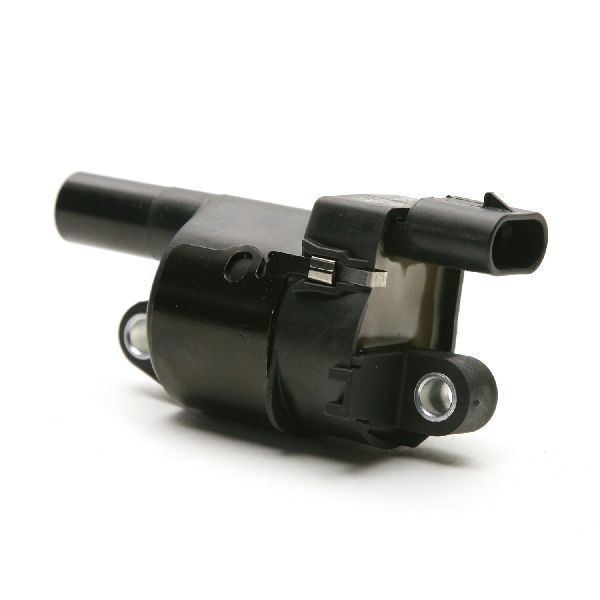
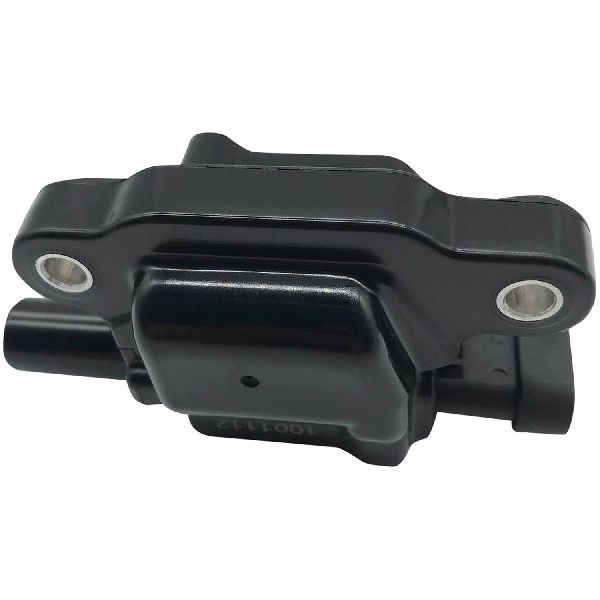
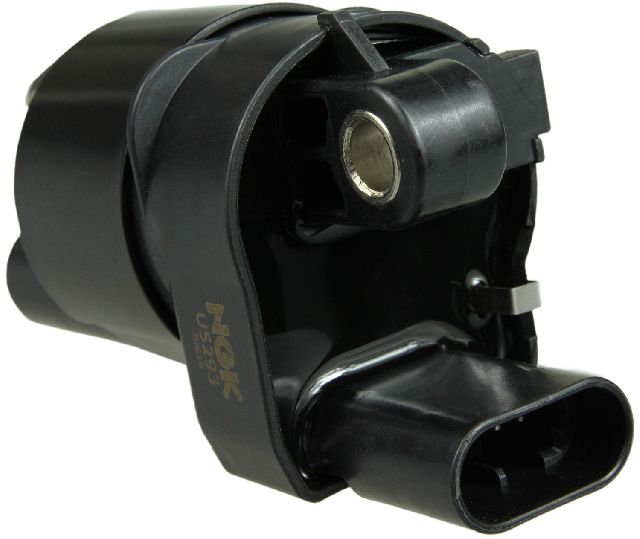
(OEM #ACDelco D510C (also 12611424, fits many Gen IV V8s))— Individual coils can fail from heat and age, leading to misfires. The D510C is a common OE replacement for these engines.
Trusted brands: ACDelco
OEM price range: $40-$80 per coil
Aftermarket price range: $30-$60 per coil
Related Codes That Often Appear With This One
- P0301-P0308 — If the ECM can eventually isolate the random misfire to a specific cylinder, a P0300 will be accompanied by a cylinder-specific code (e.g., P0304 for cylinder 4).
- P0171 / P0174 — These 'System Too Lean' codes often appear with P0300 if the misfire is caused by a vacuum leak introducing too much unmetered air.
- P0500 — A Vehicle Speed Sensor fault can sometimes appear alongside a P0300, as severe misfires at idle can cause erratic sensor readings and stalling, confusing the ECU.
Technical Service Bulletins (TSBs) & Recalls
- PIP4138R: Mentions checking for a worn camshaft lobe if standard diagnostics for P0300-P0308 do not isolate the cause. Symptoms include a persistent chirp, squeak, or tick noise.
- 18-NA-115: Provides information on diagnosing a cold start misfire and/or rough idle that may set a P0300 code. It details a procedure using coolant dye and a borescope to check for coolant leaks into a cylinder due to block porosity.
- PIP4959G (Superseded by 18-NA-115): An earlier version of the TSB for cold start misfires, also pointing towards coolant entry at the cylinder liner.
Platform-Specific Known Issues
- Worn Camshaft Lobe (2006): TSB #PIP4138R notes that on some vehicles, P0300-P0308 codes that are hard to diagnose may be caused by a worn camshaft lobe. This is often accompanied by a squeaking or ticking noise and requires physical inspection of the valvetrain.
- Cold Start Misfire (2010): TSB #18-NA-115 provides diagnostic procedures for a P0300 code that appears with a cold start misfire or rough idle. The cause can be engine block porosity allowing coolant to seep into a cylinder, which requires a borescope inspection to confirm.
- Failing Supercharger Isolator (2009-2010 LSA): The factory supercharger coupler contains a spring mechanism that is notorious for wearing out, causing a loud rattling sound at idle that sounds like 'marbles in a can'. This wear can create debris and eventually lead to shaft seal failure. Many owners proactively replace it with a solid plastic isolator.
Mechanic-Grade Diagnostic Values
- Fuel Pressure (Key On, Engine Off) — expected: 48-55 PSI. Failure: Pressure below 48 PSI may indicate a weak fuel pump or clogged filter.
- Fuel Injector Coil Resistance — expected: 12.2 Ohms (example value). Failure: A significantly higher reading (e.g., 63 Ohms) or an open loop ('OL') indicates a faulty injector. All injectors should have similar resistance values.
- Mode 6 Misfire Counts — expected: Near zero for all cylinders during a drive cycle.. Failure: A high or rapidly increasing count on any cylinder points to a problem, even before a P030x code is set.
Hidden / Shadow Codes Worth Checking
- Mode 6, MID $A2-$AF, TID $0B, $0C: These identifiers within Mode 6 data allow viewing of misfire counts. MIDs $A2 through $AF correspond to cylinders 1 through 8. TID $0B shows EWMA (Exponential Weighted Moving Average) misfire counts for the last 10 driving cycles, while TID $0C shows counts for the current/last driving cycle. (see via An advanced OBD-II scan tool capable of displaying Mode 6 data, such as a BlueDriver or professional-grade scanner.)
Scan Tool Commands That Help
- Tech2 / GDS2: Crankshaft Position (CKP) System Variation Learn — This procedure should be performed after replacing the crankshaft position sensor, ECM, or making major engine repairs. It compensates for minor variations in the crankshaft reluctor wheel, ensuring accurate misfire detection. Failure to perform this can sometimes lead to false P0300 codes.
- Tech2 / GDS2: Injector Balance Test — This function systematically disables one injector at a time and measures the corresponding drop in fuel pressure. It can help identify a weak or clogged injector that isn't flowing as much fuel as the others, which could cause a lean misfire.
Wiring & Ground Locations
- G101 / G106 — Located at the front of the engine on the lower block, jumpered to the center of the frame cross rail under the crank pulley.. This is a primary ground for the Engine Control Module (ECM). A poor connection here can cause a wide range of erratic engine behavior, including false misfire detection.
- G102 — Located at the left rear of the engine.. This ground is specifically for all eight ignition coils. Corrosion or a loose connection here can weaken spark across all cylinders, leading to a random misfire condition.
- G105 — For the 6.0L LS2, this is located on the inner fender wall near the battery.. This is a major engine compartment ground point. While not directly for the ECM or coils, poor grounding here can introduce electrical noise that affects sensor readings.
Real Owner Repair Stories
- YouTube user 'Cadillac CTS Check Engine Light P0300' (Cadillac CTS (year not specified, but similar generation)) — Car started shaking, check engine light came on, StabiliTrak warning appeared.
❌ Tried (didn't work) The owner was hesitant to immediately replace spark plugs, injectors, or coils due to the car's relatively low mileage.
✅ What actually fixed it The root cause was an old, weak battery that was not providing the stable voltage required by the car's computer, leading to the P0300 code. Replacing the battery resolved all symptoms.
OEM Part Supersession History
12570616→ACDelco D510C (GM 12611424)— This is the common OE replacement ignition coil for many Gen IV V8 engines, including the LS2 and LSA. The D510C is specified for square-shaped coils marked with 12570616.
Heads up: Some applications note a 2nd design (part number 12699382, Melco-Mitsubishi). Always verify the shape and markings on the original coils before ordering replacements.
Model Year Variations Within This Range
- 2006-2007 (LS2) vs 2009-2010 (LSA): The PCV systems are routed differently. The LS2 (and LS6) typically routes from the valley cover directly to the intake manifold, with the valve built into the valley cover baffle. The LSA, being supercharged, has a more complex routing involving lines to the supercharger snout and the intake tube before the throttle body to prevent pressurizing the crankcase under boost. A failure or incorrect routing in either system can cause a vacuum leak and a P0300 code.
Helpful Videos

Used OEM Parts in Stock

New Aftermarket Parts Available


The information in this article is provided for general reference and educational purposes only. Vehicle specifications, procedures, and part compatibility can vary by production date, trim level, and region. Always consult your vehicle's factory service manual and verify part numbers before purchasing or performing repairs. Safety-critical components such as airbags, seat belts, and braking systems should be installed by a qualified professional.
- Cadillac CTS-V:
- 🎬 Helpful Videos
- 🛍️ Shop This Part
- What's Unique About the 2006-2010 Cadillac CTS-V
- Diagnostic Flowchart
- Symptoms You May Notice
- Most Likely Causes
- Rare But Worth Checking
- Diagnosis Steps
- Parts You'll Likely Need
- Related Codes That Often Appear With This One
- Technical Service Bulletins (TSBs) & Recalls
- Platform-Specific Known Issues
- Mechanic-Grade Diagnostic Values
- Hidden / Shadow Codes Worth Checking
- Scan Tool Commands That Help
- Wiring & Ground Locations
- Real Owner Repair Stories
- OEM Part Supersession History
- Model Year Variations Within This Range
- 🎟️ Get 5% Off