

P0300 on 2013-2018 Cadillac ATS: Random Misfire Causes and Fixes
P0300 on a 2013-2018 Cadillac ATS indicates a random or multiple cylinder misfire. The most common culprits are worn spark plugs and failing ignition coils. On direct-injected engines (2.0T, 3.6L), carbon buildup on intake valves is also a frequent cause. For the 2.0L Turbo (LTG), a cracked piston is a known, more severe possibility. Expect to spend $100-$300 on parts for a full set of plugs and coils.
- P0300 means your engine is misfiring on random cylinders, with the most likely causes being bad spark plugs or ignition coils.
- Do not ignore a flashing check engine light, as this signals a severe misfire that can quickly destroy your catalytic converter.
- Start your diagnosis with the cheapest and most common fixes: inspect spark plugs and test ignition coils by swapping them between cylinders.
- Be aware of vehicle-specific issues like cracked pistons on the 2.0T engine and faulty OCV solenoids, as documented in GM service bulletins.
- If basic tune-up parts don't solve the problem, a vacuum leak from a cracked hose (especially in the PCV system) is the next most likely culprit.
What's Unique About the 2013-2018 Cadillac ATS

The 2013-2018 Cadillac ATS was available with several engines, most notably the 2.0L Turbo (LTG), 2.5L (LCV), and 3.6L (LFX/LGX). The direct-injected engines (2.0T and 3.6L) are prone to carbon buildup on intake valves, which can disrupt airflow and cause misfires, especially on cold starts. Furthermore, GM has issued multiple Technical Service Bulletins (TSBs) for this platform related to P0300. A particularly notorious issue on the 2.0L LTG engine is the potential for a cracked piston, as documented in GM bulletin PI1178E and its successors, which can cause a persistent misfire that is often misdiagnosed. A shudder feeling that can be mistaken for a P0300 misfire is a known issue with the torque converter on models with the 8-speed transmission, addressed by TSB N192217820.
Diagnostic Flowchart

Tap your situation to follow the diagnostic path that matches what you're seeing on this vehicle.
Symptoms You May Notice

- Flashing or solid Check Engine Light
- Rough or unstable idle
- Engine hesitation or stumbling during acceleration
- Noticeable loss of power
- Reduced fuel economy
- Vehicle shaking or vibrating
- StabiliTrak warning light may also illuminate, as the engine's instability can be interpreted as a traction control issue by the vehicle's computer.
- Replacing only one spark plug or coil when others are near the end of their service life.
- Replacing oxygen sensors without confirming they are the root cause. O2 sensor codes often appear as a result of the misfire, not the cause.
- Assuming a major engine failure like a cracked piston without first performing a cylinder leak-down test and ruling out basic ignition and fuel issues.
- Mistaking a cold-start misfire from carbon buildup for a simple ignition problem. If the misfire only happens when cold, carbon buildup or the issue in TSB 18-NA-115 are strong possibilities.
- Mistaking torque converter shudder for an engine misfire. A light, rhythmic shaking between 35-55 MPH can be caused by the torque converter, not the engine, and has a specific fix involving a transmission fluid flush per TSB N192217820.
Most Likely Causes

- Worn or Fouled Spark Plugs 🔴 High Probability Spark plugs are a regular maintenance item. Turbocharged engines like the 2.0T are particularly hard on plugs, requiring more frequent changes to maintain performance and prevent pre-ignition.
How to confirm: Visually inspect the spark plugs for wear, carbon fouling, or oil contamination. Check the electrode gap against manufacturer specifications, though OEM Iridium plugs are pre-gapped and should not be adjusted.
Typical fix: Replace all spark plugs as a set. It's recommended to use OEM-spec ACDelco Iridium plugs.
Est. part cost: $40-$100 - Failing Ignition Coils 🔴 High Probability Ignition coils are a common failure point on many modern engines, including those in the ATS. Heat cycles and vibration eventually lead to internal failure, causing a weak or non-existent spark.
How to confirm: Use a scan tool with live data to view misfire counts per cylinder. Swap a suspected bad coil with a known good one from another cylinder and see if the misfire follows the coil. A failing coil may produce spark when tested outside the engine but fail under compression.
Typical fix: Replace the faulty ignition coil. Many owners choose to replace all coils at the same time as the spark plugs, especially on higher-mileage vehicles.
Est. part cost: $40-$80 per coil - Vacuum Leaks 🟡 Medium Probability Hoses, gaskets, and seals can become brittle and crack over time. The PCV (Positive Crankcase Ventilation) system is a common source of vacuum leaks on these GM engines, particularly the hoses connected to the valve cover.
How to confirm: Perform a smoke test to introduce smoke into the intake system and watch for leaks. Listen for hissing sounds around the engine bay at idle. A failing PCV valve or hose can also cause oil consumption and sludge buildup.
Typical fix: Identify and replace the leaking hose, gasket, or component. The PCV tube (Part #12673868) is a frequently replaced item.
Est. part cost: $10-$150 - Dirty or Failing Fuel Injectors 🟡 Medium Probability Direct injection (DI) systems on the 2.0T and 3.6L engines operate under very high pressure and can be sensitive to fuel quality. Carbon buildup on the injector tip can disrupt the spray pattern, leading to poor fuel atomization and misfires.
How to confirm: A professional fuel system cleaning and flow test can confirm injector performance. A scan tool can also show fuel trim data that may point to an injector issue. The AFIT (Active Fuel Injector Tester) procedure is the GM-recommended diagnostic tool.
Typical fix: Professional fuel injector cleaning or replacement of faulty injectors. Using high-quality fuel and an occasional bottle of PEA-based injector cleaner can help prevent issues.
Est. part cost: $70-$200 per injector
Rare But Worth Checking
- Cracked Piston: A known and severe issue, particularly on the 2.0L Turbo (LTG) engine, as documented in GM Preliminary Information bulletin PI1178E and its successor, PIP5628G. A crack between the piston rings causes low or zero compression and a persistent misfire, often on a single cylinder but can present with a P0300 initially. Diagnosis requires a cylinder leak-down test confirming leakage into the crankcase. Some owners on forums report this failure happening with no warning.
- Carbon Buildup on Intake Valves: Common on direct-injection engines like the 2.0T and 3.6L, as fuel is injected directly into the cylinder and does not wash over the intake valves. This buildup restricts airflow, leading to a lean condition and misfires, especially during cold starts. The only effective fix is manual cleaning, typically via walnut shell blasting.
- Cylinder Block Porosity (Cold Start Misfire): TSB #18-NA-115 addresses a specific cold-start-only misfire that disappears when the engine warms up. The cause is a porous cylinder block, allowing a minuscule amount of coolant to leak into the cylinder overnight. Diagnosis involves adding dye to the coolant, running the engine, and then inspecting the cylinder with a borescope after a cold soak to look for glowing dye. If confirmed, the official repair is engine replacement.
- Damaged Oil Control Valve (OCV) Solenoid: TSB #21-NA-036 describes how a damaged OCV solenoid (part of the variable valve timing system) can break apart, causing an oil leak and setting a P0300, often with a P0302 or P0305. The end of the solenoid can get stuck in the camshaft cover bore, requiring careful extraction with a pick tool.
Diagnosis Steps
- Use an OBD-II scanner to confirm the P0300 code and check for any other pending or active codes.
- Use the scanner's live data function to monitor misfire counts for each cylinder. Observe if misfires increase during specific conditions: at cold start (suggests carbon buildup or TSB 18-NA-115), at idle (vacuum leak, ignition), or under load (ignition, fuel delivery).
- Inspect the ignition system. Start with the basics: remove and inspect all spark plugs for wear, damage, or fouling.
- Test the ignition coils. Swap the coil from a frequently misfiring cylinder with one from a cylinder that is not misfiring. If the misfire follows the coil, the coil is bad.
- Check for vacuum leaks. A smoke test is the most effective way to find hard-to-see leaks from cracked hoses (especially PCV lines) or intake gaskets.
- Inspect the fuel system. Check fuel pressure to ensure the fuel pump is working correctly. Consider using a quality PEA-based fuel injector cleaner. For persistent issues, an injector balance test (AFIT) may be needed.
- If basic checks fail, move to mechanical tests. Perform a compression test on all cylinders. If one is low, follow up with a cylinder leak-down test. Significant leakage into the crankcase on a 2.0T engine strongly suggests a cracked piston per GM bulletins.
- For suspected carbon buildup on DI engines, use a borescope to visually inspect the intake valves. If significant buildup is present, walnut shell blasting is the recommended cleaning procedure.
- For cold-start-only misfires, follow the diagnostic procedure in TSB 18-NA-115 by adding UV dye to the coolant and inspecting with a borescope.
Parts You'll Likely Need
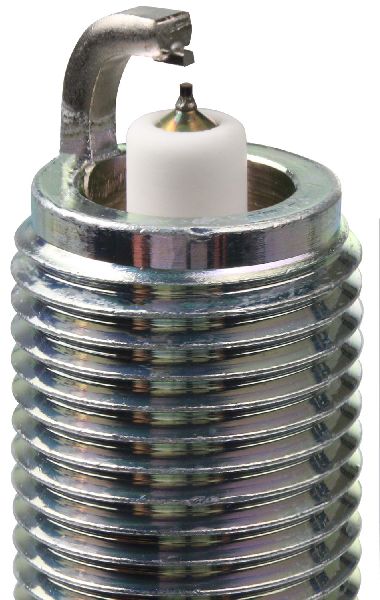
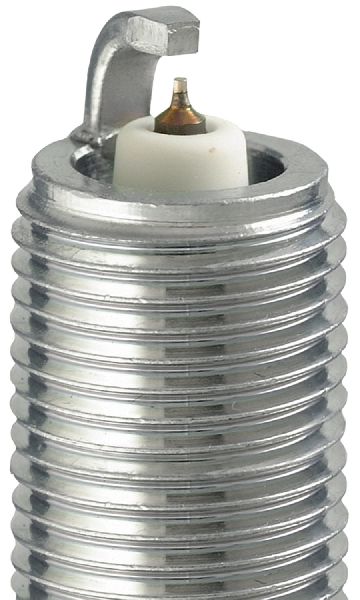
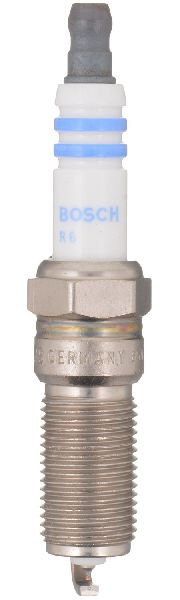
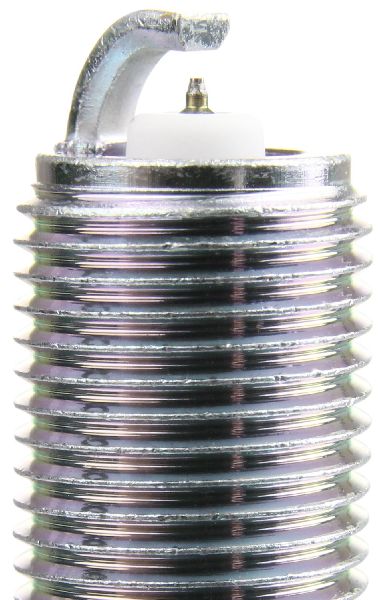
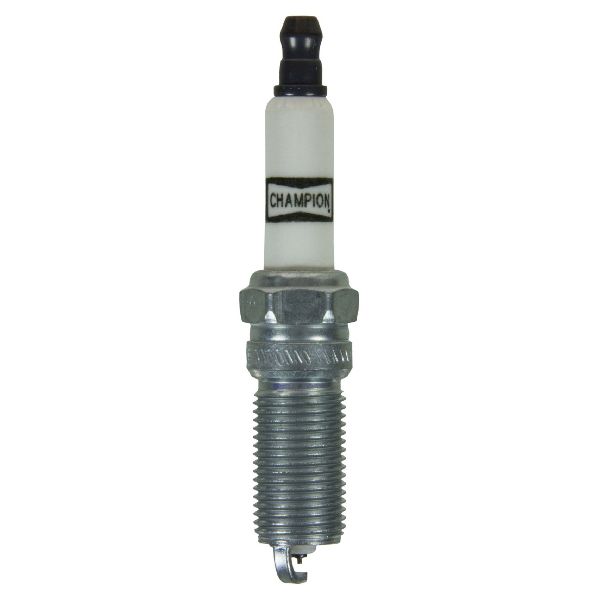
- Iridium Spark Plugs
(OEM #41-125)— Spark plugs are a primary cause of misfires and are a standard maintenance item. Iridium plugs are the OEM specified type for longevity and performance in the LTG and LFX engines.
Trusted brands: ACDelco, NGK
OEM price range: $10-$15 per plug
Aftermarket price range: $8-$12 per plug
Related Codes That Often Appear With This One
- P0301-P0306 — These codes specify which cylinder is misfiring (e.g., P0301 for Cylinder 1). A P0300 may appear alongside one or more of these if the misfire is consistent enough to be identified but also occurs randomly on other cylinders. A scan tool can often show specific cylinder misfire counts even if only P0300 is set.
- P0171/P0174 — These codes indicate a 'System Too Lean' condition. A vacuum leak is a common cause for both lean codes and a P0300, as the unmetered air throws off the air-fuel ratio, causing misfires.
- StabiliTrak Service Light — This is not a DTC but a common secondary warning. The engine control module shares data with the traction control system. A rough-running engine from a misfire can be interpreted by the system as a loss of traction or stability, triggering the light.
Technical Service Bulletins (TSBs) & Recalls
- 18-NA-115: Addresses diagnosis and correction for a cold start misfire and/or rough idle with DTC P0300, potentially caused by cylinder block porosity allowing coolant into the cylinder.
- 21-NA-036: Details diagnosis for a damaged OCV solenoid that can cause an oil leak and set P0300, P0302, and/or P0305.
- PIP5628G: A preliminary information bulletin that provides a diagnostic template for technicians to follow when dealing with misfire codes P0300-P0308, guiding them to collect specific data before contacting technical assistance.
- PI1178E: An earlier bulletin (now superseded) that first detailed the issue of cracked pistons on the 2.0L LTG engine causing low compression and a P0300 code.
Platform-Specific Known Issues
- Cracked Pistons (2.0L LTG Engine): GM service bulletin #PI1178E (and later versions like PIP5628G) notes that a rough running engine with a P0300 code can be caused by a cracked piston, leading to low compression. A cylinder leak-down test is required for diagnosis. This is a major engine repair requiring piston replacement.
- Cold Start Misfire (Block Porosity): TSB #18-NA-115 was issued to address cold start misfires that resolve when warm. The cause is porosity in the cylinder block allowing coolant into the cylinder. The fix requires adding UV dye to the coolant and inspecting with a borescope; if confirmed, engine replacement is the recommended repair.
- Damaged OCV Solenoid: TSB #21-NA-036 points to a potentially damaged Oil Control Valve (OCV) solenoid as a cause for misfires (P0300, P0302, P0305) and an oil leak. The solenoid can break, leaving a piece stuck in the cam cover bore.
Mechanic-Grade Diagnostic Values
- High-Pressure Fuel System (2.0T LTG) — expected: Desired pressure at idle is ~500 PSI. The pump is capable of up to 2,250 PSI under load.. Failure: Actual pressure failing to meet desired pressure, especially when the engine is hot. A failing pump may not maintain pressure, causing it to drop significantly.
- Low-Pressure Fuel System (2.0T LTG) — expected: ~72 PSI feeding the high-pressure pump.. Failure: Low pressure from the in-tank pump will starve the high-pressure pump, causing misfires under load.
- Injector Pulse Width (2.0T LTG) — expected: Approximately 2 milliseconds at idle.. Failure: Significantly longer pulse width (e.g., 4ms) at idle suggests the ECM is trying to compensate for a lean condition caused by a weak fuel pump or other issue.
- Spark Plug Gap (ACDelco 41-125) — expected: 0.9 MM or 0.035 IN.. Failure: N/A - These are iridium plugs that are pre-gapped and should not be adjusted. Replace if the gap is incorrect.
Hidden / Shadow Codes Worth Checking
- Mode 6, Test ID $0A, Component ID $A2-$A7: Mode 6 provides raw, non-DTC data. For GM, this includes misfire counters. You can view the 'Exponentially Weighted Moving Average' (EWMA) of misfires over the last 10 driving cycles, and misfire counts for the current cycle, for each cylinder (A2=Cyl 1, A3=Cyl 2, etc.). (see via Requires a professional scan tool capable of displaying Mode 6 data. This allows a technician to see which cylinder is starting to misfire before it's bad enough to set a specific P030x code.)
Scan Tool Commands That Help
- GDS2 / Professional Scan Tool: Crankshaft Position Variation Learn (Crank Relearn) — This procedure is required after replacing the crankshaft position sensor, the ECM, or performing major engine work like timing chain replacement. It calibrates the sensor to the specific variations of the crankshaft reluctor wheel, ensuring accurate misfire detection. Failure to perform this can cause false P0300 codes.
- GDS2 / Professional Scan Tool: Misfire Graphic / Misfire Counters — This live data function is the first step in diagnosing a P0300. It displays current misfires per cylinder, allowing the technician to identify if the 'random' misfire is actually concentrated on one or two cylinders under specific load or RPM conditions.
- GDS2 / Professional Scan Tool: Injector Test (AFIT - Active Fuel Injector Tester) — Used to test the electrical function and flow of each fuel injector. The scan tool can perform a pressure drop test for each injector to see if one is weak or clogged.
Wiring & Ground Locations
- G102 — Located at the left rear of the engine.. This is the primary ground point for all ignition coils. A loose or corroded connection here can cause weak or intermittent spark on multiple cylinders, directly leading to a P0300 code.
- G101 — Located at the front of the engine on the lower block, near the left headlight.. This is a main ground for the Engine Control Module (ECM). A poor connection can cause a wide range of erratic engine behavior, including misfire detection issues and other phantom codes.
- G104 — Engine ground. Location varies: On early 2013 4-cyl models, it's at the front of the engine. On later 2013+ 4-cyl models, it's at the rear of the engine. On 3.6L V6 models, it's on the front of the right cylinder head.. GM issued a Preliminary Information bulletin (PI1097A) highlighting potential issues with this ground on 2013 models, including excess glue or shrink wrap under the eyelet preventing a good connection. A bad engine ground can cause numerous electrical problems, including misfires.
Real Owner Repair Stories
- YouTube channel 'Don Javi's world' (2018 Cadillac ATS 2.0L Turbo) — Flashing check engine light with P0300, misfire only during hard acceleration.
❌ Tried (didn't work) Owner had already replaced spark plugs and ignition coils., Technician performed a compression test (all cylinders were good)., Technician performed a fuel injector drop test with a scanner, which was inconclusive.
✅ What actually fixed it The technician used a scan tool to see that misfires were isolated to cylinder #1 under load. Based on experience, despite the inconclusive injector test, he replaced the fuel injector for cylinder #1, which resolved the misfire. - YouTube channel 'Irfan Chaudhry' (Cadillac ATS4 2.0L Turbo) — Engine misfiring, check engine light on with code P0300.
❌ Tried (didn't work) Swapping coils to see if the misfire followed (standard procedure).
✅ What actually fixed it The technician used a scan tool's live data to view 'current misfire counter' and saw cylinder #4 had 199 misfires while others had zero. He noted that even though the coil produced a spark when tested outside the engine, it was failing under compression. Replacing the ignition coil on cylinder #4 fixed the problem. - Reddit user post on r/Cadillac (2013 Cadillac ATS 2.0T with 112k-140k miles) — 'Service Stabilitrak' message, flashing check engine light, P0301 code (misfire cylinder 1).
❌ Tried (didn't work) Initial fear of major engine failure (cracked piston).
✅ What actually fixed it The owner found that the cause was a bad ignition coil pack. Replacing the set of coils resolved all symptoms and codes.
"I Checked Everything" — The Actual Cause
- A light shudder or vibration felt at cruising speeds (e.g., 35-55 mph), which feels very similar to a light engine misfire, is a widely known issue with the torque converter on 8-speed transmission models (2016+). Owners may chase a P0300-like symptom, but the cause is not in the engine. The official fix is a specific transmission fluid flush procedure outlined in TSB N192217820, replacing the old fluid with Mobil 1 Synthetic LV ATF HP.
When the Usual Fixes Don't Work
- In one documented case, a technician was chasing a P0300 on a 2018 ATS 2.0T. The owner had already replaced plugs and coils. The technician's standard diagnostic procedure included a scanner-based injector drop test, which came back inconclusive and showed no clear failure. However, by using the misfire counter to isolate the issue to cylinder #1 under load, and relying on experience, he correctly diagnosed and replaced the faulty injector, which solved the problem. This shows that even manufacturer-approved digital tests can sometimes fail to pinpoint a mechanical fault.
OEM Part Supersession History
12633740, 12654851, 12662657→12673868— This is the Positive Crankcase Ventilation (PCV) tube for the 2.0T engine. It is a common failure point for vacuum leaks due to becoming brittle and cracking.41-116, 12647827→41-125— This is the OEM ACDelco Iridium spark plug. Part numbers are often updated for minor revisions in materials or manufacturing processes.
Model Year Variations Within This Range
- 2013 (early production): On 4-cylinder (LCV, LTG) automatic models built from the start of production through mid-December 2012, the G104 engine ground was located at the front of the engine. After this date, it was moved to the rear. This is a critical detail when diagnosing electrical or grounding issues on an early 2013 model.
- 2016-2018: The 3.6L V6 engine was updated from the LFX to the LGX. Additionally, models from 2016 onwards may be equipped with the 8L45 8-speed automatic transmission, which is known for the torque converter shudder issue that can be misdiagnosed as an engine misfire.
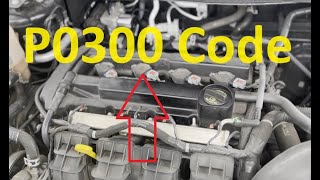
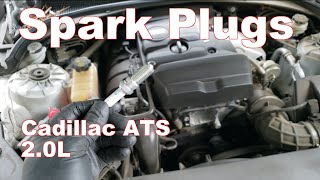
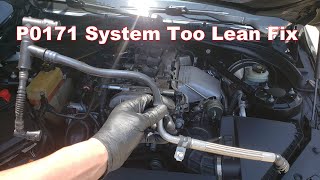
Helpful Videos


We Have This Part in Stock


The information in this article is provided for general reference and educational purposes only. Vehicle specifications, procedures, and part compatibility can vary by production date, trim level, and region. Always consult your vehicle's factory service manual and verify part numbers before purchasing or performing repairs. Safety-critical components such as airbags, seat belts, and braking systems should be installed by a qualified professional.
- Cadillac ATS:
- 🎬 Helpful Videos
- 🛍️ Shop This Part
- What's Unique About the 2013-2018 Cadillac ATS
- Diagnostic Flowchart
- Symptoms You May Notice
- Most Likely Causes
- Rare But Worth Checking
- Diagnosis Steps
- Parts You'll Likely Need
- Related Codes That Often Appear With This One
- Technical Service Bulletins (TSBs) & Recalls
- Platform-Specific Known Issues
- Mechanic-Grade Diagnostic Values
- Hidden / Shadow Codes Worth Checking
- Scan Tool Commands That Help
- Wiring & Ground Locations
- Real Owner Repair Stories
- "I Checked Everything" — The Actual Cause
- When the Usual Fixes Don't Work
- OEM Part Supersession History
- Model Year Variations Within This Range
- 🎟️ Get 5% Off