

P0300 on 2000-2005 Buick Park Avenue: Random Misfire Causes & Fixes
On a 2000-2005 Buick Park Avenue with the 3.8L V6, a P0300 code is most often caused by a failed Ignition Control Module (ICM) located under the coil packs. Replacing the ICM and all three ignition coils is a common and effective repair. Other frequent causes include failed intake manifold gaskets and worn spark plugs/wires. Expect to pay around $150-$300 for the parts for a DIY repair.
- P0300 on a 2000-2005 Park Avenue points to a random misfire, not a single cylinder problem.
- The most likely cause is a failed Ignition Control Module (ICM), a known weak point on the GM 3.8L V6 engine.
- For a reliable repair, it is strongly recommended to replace the ICM and all three ignition coils as a set.
- Another common cause is a vacuum leak from failed intake manifold gaskets, which should be checked with a smoke test.
- Do not drive the vehicle if the Check Engine Light is flashing to avoid expensive damage to the catalytic converter.
What's Unique About the 2000-2005 Buick PARK AVENUE

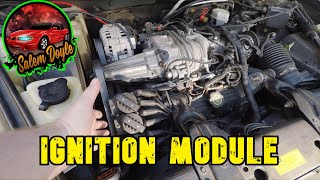
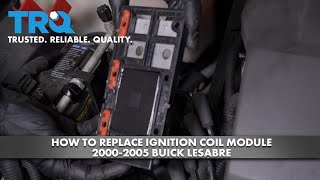
The 2000-2005 Park Avenue uses the legendary 🎬 Watch: Top 5 common problems for this Buick generation GM 3.8L Series II V6 engine, known for its reliability but also for specific, well-documented failure points. A key feature of this engine is its distributorless waste-spark ignition system, which uses an Ignition Control Module (ICM) mounted directly to the engine with three ignition coils on top of it. This design makes the ICM highly susceptible to failure from constant heat cycles, a very common reason for a P0300 code on this platform. Owners often experience recurring ICM failures, and using high-quality OEM or reputable aftermarket parts is crucial for a lasting repair. The plastic 🎬 See how to replace the Ignition Control Module step-by-step Upper Intake Manifold (UIM) is another known weak point, with gaskets that degrade over time, causing vacuum leaks and lean misfires.
Diagnostic Flowchart

Tap your situation to follow the diagnostic path that matches what you're seeing on this vehicle.
Symptoms You May Notice
- Rough or shaky idle
- Hesitation or stumbling during acceleration
- Flashing Check Engine Light
- Reduced engine power, difficulty accelerating past 3,000 RPM
- Decreased fuel economy
- Engine stalling, sometimes getting worse as it warms up
- Smell of unburnt fuel from the exhaust
- Replacing only the spark plugs when the underlying cause is a failing Ignition Control Module or coil pack.
- Replacing oxygen (O2) sensors, which are unlikely to be the root cause of a P0300 code but may be flagged due to the misfire.
- Replacing only one ignition coil when the ICM is the actual point of failure.
Most Likely Causes

- Ignition Control Module (ICM) Failure 🔴 High Probability The ICM is mounted directly under the hot ignition coils, leading to frequent failures from heat stress. This is the most widely documented issue for a P0300 on the GM 3.8L V6 engine.
How to confirm: Symptoms often worsen as the engine heats up. A definitive test is to swap a known good ignition coil with the coil corresponding to the dead cylinders (e.g., 2-5). If the misfire does not move with the coil, the ICM is the likely culprit. Many auto parts stores can test the module off the car, but heat-related failures may not show up on a cold test.
Typical fix: Replace the Ignition Control Module. It is highly recommended to replace the ignition coils and spark plugs at the same time, as a failing coil can damage a new module and worn plugs increase the load on the ignition system.
Est. part cost: $70-$200 - Worn or Faulty Ignition Coils 🔴 High Probability The waste-spark system means each coil fires twice as often as a coil-on-plug system, leading to accelerated wear. A single failing coil will cause a misfire on two cylinders (e.g., 1-4, 2-5, or 3-6), which the PCM may interpret as a random misfire, triggering P0300.
How to confirm: Test for spark at each wire terminal using an inline spark tester. If two cylinders sharing a coil are dead, swap that coil with a known good one. If the misfire follows the coil, the coil is bad. Visual inspection may reveal cracks in the coil housing where spark is arcing to ground.
Typical fix: Replace the faulty ignition coil. It is best practice to replace all three coils as a set, especially on a high-mileage vehicle, to ensure reliability and prevent future failures.
Est. part cost: $30-$90 per coil - Vacuum Leak (Intake Manifold Gaskets) 🟡 Medium Probability The original plastic-framed lower intake manifold gaskets and the upper plastic intake manifold itself are known to degrade from exposure to coolant and heat, causing vacuum leaks or coolant intrusion. This leans out the air/fuel mixture and causes misfires.
How to confirm: Perform a smoke test to check for leaks around the intake manifold. You can also carefully spray brake cleaner or a propane torch (unlit) around the gasket area; a change in engine idle indicates a leak. Coolant loss or milky oil are signs of a more severe gasket failure.
Typical fix: Replace the upper and lower intake manifold gaskets. The upgraded Fel-Pro gasket set (Part No. MS 98014 T) with a metal frame is a highly recommended, permanent fix over the OEM-style plastic gaskets. The plastic coolant elbows should also be replaced during this job.
Est. part cost: $40-$150 for a gasket set - Worn Spark Plugs and/or Wires 🟡 Medium Probability Standard wear and tear item. Wires can degrade from heat and age, causing spark to arc to the engine block instead of reaching the plug. Worn plugs with a large gap increase the voltage required to fire, stressing coils and the ICM.
How to confirm: Visually inspect spark plugs for wear, fouling, or incorrect gap. Inspect wires for cracks, burns, or carbon tracking. Test wire resistance with a multimeter; high or infinite resistance indicates a bad wire.
Typical fix: Replace all six spark plugs and the full set of spark plug wires. Use of OEM ACDelco plugs is often recommended.
Est. part cost: $30-$100 for plugs and wires
Rare But Worth Checking
- Clogged Fuel Injectors: If multiple injectors are dirty or failing, it can cause a random misfire condition. GM issued TSB #03-06-04-030F regarding this issue and recommends an on-vehicle cleaning procedure. Using Top Tier detergent gasoline is advised to prevent recurrence.
- Low Fuel Pressure: A weak fuel pump, clogged fuel filter, or faulty fuel pressure regulator can starve the engine for fuel, leading to lean misfires across all cylinders. The fuel pressure regulator is a known failure point on the 3.8L engine.
- Faulty Mass Airflow (MAF) Sensor: A dirty or failing MAF sensor can send incorrect airflow data to the PCM, causing the wrong air/fuel mixture and leading to misfires. Cleaning the sensor with dedicated MAF cleaner can sometimes resolve the issue.
- Faulty Crankshaft Position Sensor (CKP): An erratic CKP sensor can disrupt spark and fuel timing, causing random misfires or a no-start condition. A replacement often requires a CASE (Crankshaft Angle Sensor Error) relearn procedure with a capable scan tool.
- Chafed Fuel Injector Wiring Harness: GM has noted in service information that the fuel injector wiring harness can rub against the intake plenum, valve cover bolts, or fuel lines, causing shorts or opens that lead to misfires.
Diagnosis Steps
- Scan for any other accompanying fault codes. Codes like P0301-P0306 can help narrow the search to a specific coil pack.
- Check live misfire data with a scan tool if available. Note which cylinders are misfiring. Misfires on paired cylinders (1-4, 2-5, 3-6) strongly point to a coil or ICM issue.
- Inspect the condition of all spark plugs and spark plug wires. Look for excessive wear, fouling, damage, or arcing.
- Test the ignition system. With the engine running, carefully pull plug wires one by one from the coils to check for a strong spark. If a coil shows no spark on both of its terminals, the issue is likely the coil or ICM.
- Isolate the ICM vs. the coil. Swap the suspect coil with a known good coil. If the misfire moves to the new cylinders, the coil is bad. If the misfire stays on the original cylinders, the Ignition Control Module (ICM) is bad.
- Check for vacuum leaks, paying close attention to the upper intake manifold gaskets. A smoke test is the most effective method.
- Test fuel pressure using a fuel pressure gauge connected to the Schrader valve on the fuel rail to rule out a weak fuel pump or faulty regulator.
- If all else fails, consider testing the Mass Airflow (MAF) sensor and Crankshaft Position (CKP) sensor.
Parts You'll Likely Need

- Ignition Control Module
(OEM #19260720 (supersedes 24503624))— This is the most common failure point for a P0300 on the GM 3.8L V6 due to its location and heat exposure.
Trusted brands: ACDelco, Delphi, Standard Motor Products
OEM price range: $150-$250
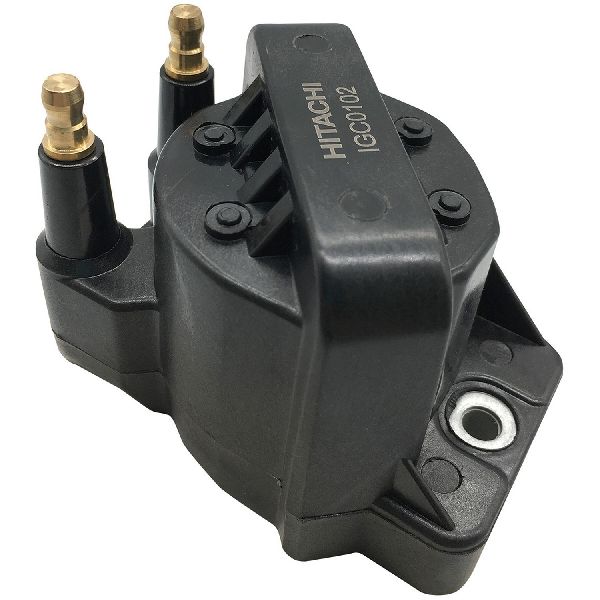
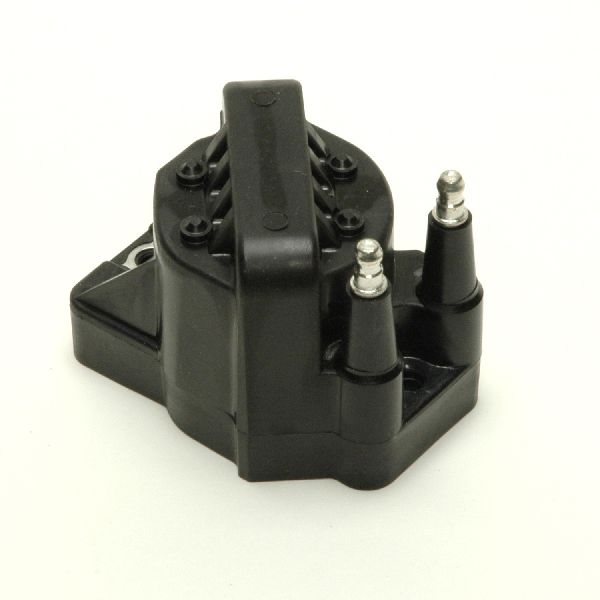
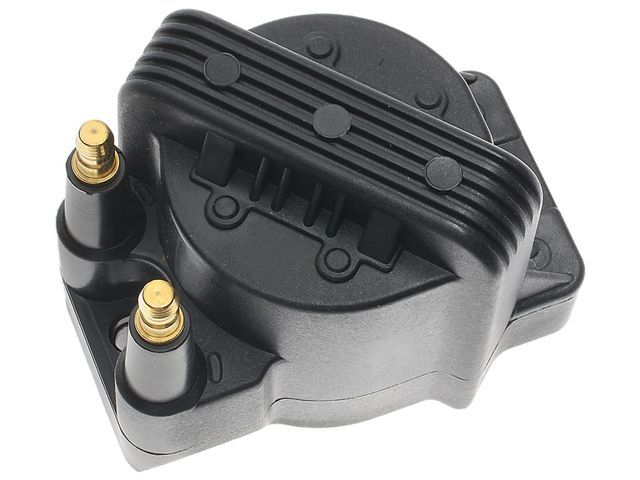
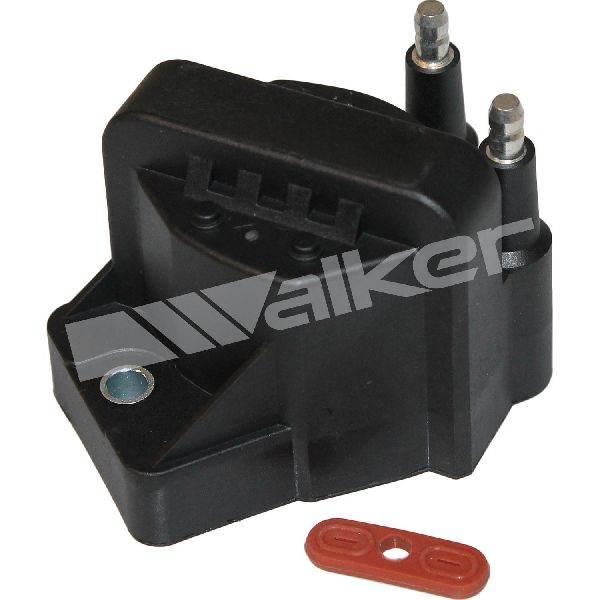
Aftermarket price range: $70-$150 - Ignition Coil
(OEM #12353801)— Failing coils are a frequent cause of misfires and can damage the ICM. It's recommended to replace them with the module.
Trusted brands: ACDelco, NGK, Delphi
OEM price range: $60-$90 per coil
Aftermarket price range: $30-$50 per coil - Upper and Lower Intake Manifold Gasket Set
(OEM #Fel-Pro MS 98014 T (Popular upgraded design))— The original gaskets are prone to failure, causing vacuum leaks that lead to lean misfires. The plastic coolant elbows should also be replaced during this job.
Trusted brands: Fel-Pro, ACDelco
OEM price range: $80-$150
Aftermarket price range: $40-$90
Related Codes That Often Appear With This One
- P0301-P0306 — If the random misfire begins to settle on one or more specific cylinders, you will see codes like P0301 (Cylinder 1 Misfire), P0302 (Cylinder 2 Misfire), etc., in addition to P0300.
- P0171 — This code for 'System Too Lean (Bank 1)' often appears with P0300 if the misfire is caused by a significant vacuum leak, such as from the intake manifold gaskets, or by clogged fuel injectors.
Technical Service Bulletins (TSBs) & Recalls
- TSB #03-06-04-030F: Addresses various driveability symptoms, including P0300, caused by restricted/clogged fuel injectors. It outlines an on-vehicle cleaning procedure and recommends using Top Tier gasoline.
- TSB #PIP5628G: '...information that will need to be provided to TAC to aid in diagnosing if a vehicle comes in with misfire and DTC Codes P0300 - P0308 and/or P050D'
- Related TSB #PIP4924C: While for newer models, it highlights the importance of inspecting the fuel injector wiring harness for chafing against engine components, which can cause intermittent shorts and misfires.
Platform-Specific Known Issues
- Ignition Control Module Heat Failure: The placement of the ICM directly beneath the three ignition coils subjects it to constant, intense heat cycles. This is the primary driver of its high failure rate. Symptoms are often intermittent and worsen as the engine bay heats up during operation.
- Intake Manifold Gasket Degradation: The factory lower intake manifold gaskets use a plastic frame which can become brittle and crack. The upper intake manifold is also plastic and can develop cracks. This allows vacuum leaks or, in worse cases, coolant to leak into the intake ports or crankcase, causing misfires and potential engine damage.
- Misfire Under Light Highway Load: Some owners report that the P0300 code and misfires are most noticeable not under heavy acceleration, but during light-load cruising on the highway, such as when the torque converter clutch is locked. This can be an early symptom of a failing ICM.
Mechanic-Grade Diagnostic Values
- Fuel Pressure (Key On, Engine Off) — expected: 48-55 PSI. Failure: Pressure below 48 PSI indicates a weak fuel pump, clogged filter, or faulty regulator.
- Fuel Pressure (Engine Running at Idle) — expected: 40-50 PSI (should remain steady). Failure: Pressure should drop slightly from KOEO but remain stable. Significant drops or fluctuations under load point to a fuel delivery issue.
- Ignition Coil Secondary Resistance (e.g., Delphi GN10123) — expected: 6,200 Ohms (6.2k Ohms). Failure: A reading significantly higher or lower than the specification can indicate a failing coil.
- Ignition Coil Primary Resistance (e.g., Delphi GN10123) — expected: 0.37 Ohms. Failure: An out-of-spec reading points to an internal fault in the coil's primary winding.
- Fuel Injector Resistance (Stock L67 Supercharged) — expected: 12.0 Ohms. Failure: A reading far outside this value suggests a bad injector coil. Note: This is for the supercharged engine's injectors but provides a baseline.
- Mass Airflow (MAF) Sensor Reading (Scan Tool at Idle) — expected: 4-7 grams/second (gm/s) on a fully warmed-up engine.. Failure: Values outside this range, or values that do not increase smoothly with RPM, suggest a dirty or failing MAF sensor.
- Mass Airflow (MAF) Sensor Reading (Scan Tool at 2500 RPM) — expected: 15-25 grams/second (gm/s). Failure: A non-linear or slow response when raising RPM from idle to 2500 indicates a potential MAF sensor issue.
Scan Tool Commands That Help
- Tech 2 or equivalent professional scan tool: Crankshaft Position System Variation Learn (CASE Relearn) — This procedure must be performed after replacing the crankshaft position sensor, PCM, or harmonic balancer. Failure to perform the relearn can cause the PCM to incorrectly interpret minor crankshaft speed variations as misfires, setting a P0300 code even with no actual misfire present.
- Tech 2 or equivalent professional scan tool: Live Misfire Data / Misfire Counters — Essential first step. Observing which specific cylinders are incrementing misfire counts can quickly turn a 'random' P0300 into a specific problem. If counts are high on paired cylinders (1-4, 2-5, 3-6), it strongly points to the shared ignition coil or the ICM driver for that coil.
- Tech 2 or equivalent professional scan tool: Injector Balance Test — This command individually fires each fuel injector and measures the corresponding drop in fuel pressure. It is used to identify a clogged or electrically failing injector that may be contributing to the random misfire when other causes have been ruled out.
Wiring & Ground Locations
- ICM Ground — A ground wire for the ignition control module is located directly under the ICM bracket.. This ground is critical for the proper operation of the entire ignition system. It is very easy to break or forget to re-attach this wire when replacing the ICM. A poor ground here can cause intermittent no-spark conditions, a weak spark, or repeated ICM failure, leading directly to a P0300.
- Main Engine Grounds — Located on a stud on a bell housing bolt, under the ICM area. There are typically two large ground cables at this location.. These are the primary power grounds for the engine. Corrosion or a loose connection here can cause a wide range of difficult-to-diagnose electrical problems, including erratic sensor readings and misfires that the PCM may flag as P0300.
- Battery to Chassis Ground — Bolted directly below the battery tray area to the vehicle's frame/chassis.. A poor battery-to-chassis ground forces the ignition system and other modules to find alternative, higher-resistance paths to ground, which can weaken spark intensity and lead to misfires.
- ICM Connector - Pin P (Pink Wire) — The main 12V power feed to the Ignition Control Module.. This wire must have a steady battery voltage with the key on. A technician can probe this wire to confirm the ICM is receiving power before condemning the module itself.
- ICM Connector - Pin K (Black/White Wire) — The primary engine ground connection for the Ignition Control Module.. This pin provides the ground path for the module. Testing for continuity between this pin and the battery negative terminal is a key step in diagnosing a suspected bad ICM.
Real Owner Repair Stories
- Reddit user in r/MechanicAdvice (1998 Buick Park Avenue) — P0300 random misfire on all cylinders, O2 sensor reporting lean (P0171), car running loud.
❌ Tried (didn't work) Verified spark plugs were good., Verified spark plug wires were good., Verified coil packs were good., Verified fuel pressure was good (48-55 PSI with key on, engine off)., Confirmed no vacuum leaks.
✅ What actually fixed it The user suspected a clogged catalytic converter was the final remaining possibility, which would explain the misfires across all cylinders and the loud/restricted exhaust sound. - YouTube video by 'how I do it' (2005 Buick Park Avenue 3.8L) — P0300 random misfire, running rough at idle.
❌ Tried (didn't work) Replaced spark plugs., Replaced spark plug wires.
✅ What actually fixed it The owner tested for spark at each coil tower and found one had a very weak spark. Replacing the corresponding ignition coil resolved the misfire. The video demonstrates that even after replacing plugs and wires, the issue persisted until the faulty coil was identified and replaced.
"I Checked Everything" — The Actual Cause
- In some cases, a P0300 is set with a lean condition (P0171) and a smoke test reveals no vacuum leaks. The cause can be a weak fuel pump or clogged fuel filter that isn't delivering enough fuel volume under load, even if static pressure seems acceptable.
- A cracked flexplate can cause erratic crankshaft speed signals that the PCM misinterprets as a misfire, setting a P0300 code. This is a mechanical issue that will not be found with a smoke test, spark test, or fuel pressure test.
OEM Part Supersession History
10467067, 10472401→19353734 (ACDelco D555)— Part consolidation and potential minor internal revisions over the production life.
Heads up: These part numbers are generally interchangeable for the GM 3.8L DIS application. However, always verify fitment with the specific vehicle VIN.
Helpful Videos
Used OEM Parts in Stock


New Aftermarket Parts Available


The information in this article is provided for general reference and educational purposes only. Vehicle specifications, procedures, and part compatibility can vary by production date, trim level, and region. Always consult your vehicle's factory service manual and verify part numbers before purchasing or performing repairs. Safety-critical components such as airbags, seat belts, and braking systems should be installed by a qualified professional.
- Buick PARK AVENUE:
- 🎬 Helpful Videos
- 🛍️ Shop This Part
- What's Unique About the 2000-2005 Buick PARK AVENUE
- Diagnostic Flowchart
- Symptoms You May Notice
- Most Likely Causes
- Rare But Worth Checking
- Diagnosis Steps
- Parts You'll Likely Need
- Related Codes That Often Appear With This One
- Technical Service Bulletins (TSBs) & Recalls
- Platform-Specific Known Issues
- Mechanic-Grade Diagnostic Values
- Scan Tool Commands That Help
- Wiring & Ground Locations
- Real Owner Repair Stories
- "I Checked Everything" — The Actual Cause
- OEM Part Supersession History
- 🎟️ Get 5% Off