

P0300 on 2013-2019 Buick LaCrosse: Random Misfire Causes and Fixes
P0300 on a Buick LaCrosse indicates random engine misfires. For the 3.6L V6 (LFX and LGX), this is frequently caused by failing ignition coils. Accessing the rear bank is labor-intensive, requiring removal of the upper intake manifold. A complete repair involves replacing all six coils (e.g., ACDelco D515C), all six iridium spark plugs (e.g., ACDelco 41-109), and the intake manifold gaskets to prevent future issues. This can cost between $400 and $800+ in parts and labor.
- P0300 means random misfires are detected; do not ignore it, especially if the check engine light is flashing.
- On the 3.6L V6, the most likely cause is failing ignition coils and worn spark plugs.
- Accessing the rear three cylinders on the V6 requires removing the intake manifold, so it's crucial to replace all coils, plugs, and the intake gasket at the same time.
- Other strong possibilities specific to this car include carbon buildup on intake valves and faulty oil control (OCV) solenoids, as documented in service bulletins.
- Always check for other codes, as they can help pinpoint the root cause, such as a fuel pressure issue (P0087) or a specific cylinder misfire (P0301-P0306).
What's Unique About the 2013-2019 Buick LACROSSE

On the popular 3.6L V6 engine in the LaCrosse (both LFX and LGX versions), a P0300 code is often more complex than just a bad spark plug. Accessing the rear three ignition coils (cylinders 1, 3, 5) requires removing the entire upper intake manifold, a labor-intensive job. Because of this, a common and highly recommended practice is to replace all six ignition coils, all six spark plugs, and the intake manifold gaskets at the same time to avoid repeat labor costs. Furthermore, these direct-injection engines are known for carbon buildup on intake valves, which can cause cold start misfires. There are also specific TSBs related to faulty oil control solenoids (TSB #21-NA-036) and even rare instances of engine block porosity (TSB #18-NA-115) causing misfires.
Diagnostic Flowchart

Tap your situation to follow the diagnostic path that matches what you're seeing on this vehicle.
Generation note: This range covers the end of the second generation (2013-2016) and the entire third generation (2017-2019). The 3.6L V6 engine was updated from the LFX to the LGX in 2017. While many causes are similar, the LGX features updates like cylinder deactivation (Active Fuel Management) and a different engine controller. TSBs may be specific to one engine version. The 2.4L 4-cylinder was primarily available in the second generation.
Symptoms You May Notice
- Flashing or solid Check Engine Light
- Rough or shaky idle
- Engine stumbling or hesitating during acceleration
- Noticeable loss of power
- Reduced fuel economy
- Engine may be hard to start
- Smell of unburnt gasoline from the exhaust
- Replacing only the in-tank (low pressure) fuel pump when the high-pressure fuel pump is the actual cause of the fuel starvation.
- Replacing oxygen sensors. While a faulty O2 sensor can affect the air-fuel mixture, it's less likely to be the root cause of a random misfire than ignition, fuel delivery, or a vacuum leak.
- Replacing only one ignition coil on the V6 engine. Due to the high labor cost to access the rear bank by removing the intake manifold, this often leads to another coil failing and paying for the same labor again shortly after.
- Assuming a P0300 is always an ignition coil. On these engines, issues like carbon buildup, vacuum leaks, or faulty OCV solenoids are also common culprits.
Most Likely Causes

- Failing Ignition Coils 🔴 High Probability Ignition coils are a common failure item on the GM 3.6L V6. Heat cycles cause the internal electronics and pure copper windings to break down over time. The rear bank is particularly difficult to access, requiring intake manifold removal.
How to confirm: Use a scan tool with live data to view misfire counters for each cylinder. Swap the ignition coil from a consistently misfiring cylinder with one from a non-misfiring cylinder. Clear the codes and drive the vehicle. If the misfire code follows the coil (e.g., P0304 becomes P0302 after swapping coils from cylinders 4 and 2), the coil is bad.
Typical fix: Replace the faulty ignition coil. It is strongly recommended to replace all six coils, spark plugs, and the intake manifold gaskets at the same time, especially on the V6, due to the labor involved in accessing the rear bank. The OEM part is often an ACDelco D515C (GM Part No. 12632479).
Est. part cost: $30-$70 per coil for OEM quality parts like ACDelco. - Worn or Fouled Spark Plugs 🔴 High Probability Spark plugs are a standard maintenance item with a finite lifespan. Worn electrodes, incorrect gap, or fouling from carbon or oil can prevent a strong spark, leading to incomplete combustion and misfires.
How to confirm: Remove and visually inspect the spark plugs. Look for worn-down electrodes, white ash deposits, black, oily fouling, or carbon tracking marks (thin black lines) on the porcelain insulator. Check the spark plug gap against the manufacturer's specification.
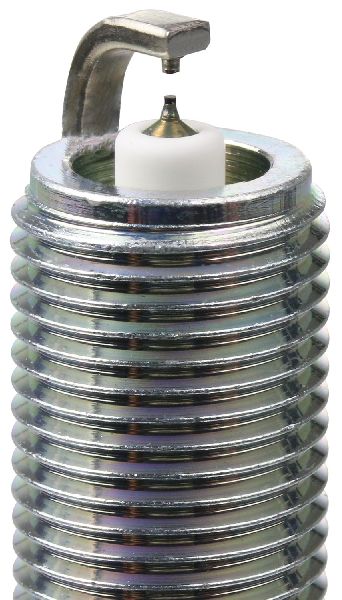
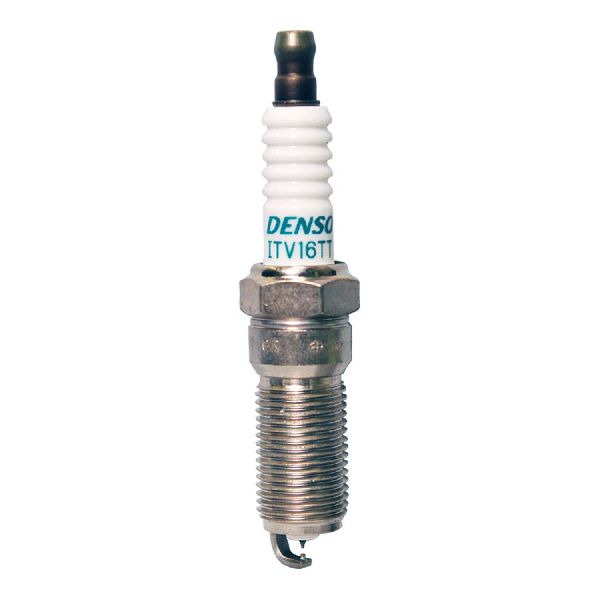
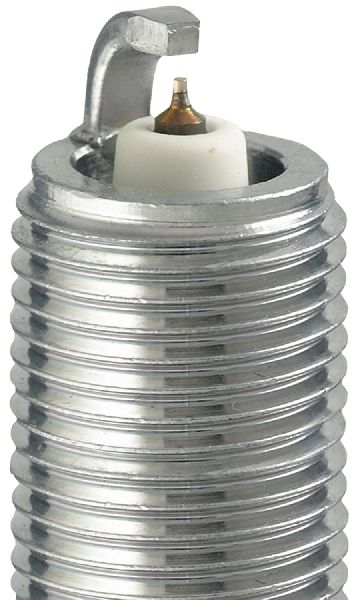
Typical fix: Replace all spark plugs as a set. Use the correct type, which is typically an Iridium plug for this engine, such as the ACDelco 41-109 (GM Part No. 12622561). This is usually done at the same time as ignition coils.
Est. part cost: $8-$20 per plug. - Carbon Buildup on Intake Valves 🟡 Medium Probability The 3.6L V6 and 2.4L are direct-injection (DI) engines. Fuel is injected directly into the cylinder, so it never washes over the intake valves. Oil vapor from the PCV system can bake onto the hot valves, forming hard carbon deposits that restrict airflow and cause misfires, especially during a cold start.
How to confirm: This is difficult to confirm without a borescope to visually inspect the intake ports and valves with the intake manifold removed. A key symptom is a misfire on a cold start that improves or disappears as the engine warms up.
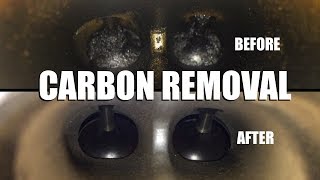
Typical fix: The intake manifold must be removed and the valves cleaned manually. The most effective method is walnut shell blasting, which uses crushed walnut shells propelled by compressed air to safely scrub the valves clean. 🎬 See how walnut blasting effectively removes stubborn carbon buildup. Chemical cleaning services may provide partial, temporary improvement.
Est. part cost: $20-$50 for cleaning supplies; professional walnut blasting service can cost several hundred dollars. - Faulty Oil Control Valve (OCV) Solenoid 🟡 Medium Probability GM has issued multiple service bulletins (TSB #21-NA-036, PIP5493B) regarding faulty OCV solenoids causing misfires, particularly on cylinders 2 or 5, which are the Active Fuel Management (AFM) cylinders on the LGX engine. A malfunction can disrupt valve timing or cause a cylinder to deactivate improperly, leading to misfires.
How to confirm: Inspect the OCV solenoids for oil leaks or damage as mentioned in TSB #21-NA-036. A scan tool can command the solenoids to operate while monitoring engine performance. Often accompanied by camshaft position codes (P0016-P0019). Swapping the solenoid from one bank to the other can help diagnose if the misfire moves with the solenoid.
Typical fix: Replace the faulty OCV solenoid. They are typically located on the front of the cylinder heads and are relatively easy to access. 🎬 Watch: How to replace the VVT solenoids on the LGX engine. Per TSB PIP5493B, after replacement, command the oil pump to high pressure mode with a scan tool to ensure misfires do not return.
Est. part cost: $30-$60 per solenoid. - Leaking Intake Manifold Gaskets ⚪ Low Probability The gaskets can degrade and shrink over time, but failure is most common after the intake manifold has been removed and reinstalled for other service (like ignition coils) without replacing the gaskets. A leak introduces unmetered air, leaning out the air-fuel mixture and causing misfires.
How to confirm: Perform a smoke test by introducing pressurized smoke into the intake system. Smoke will be visible leaking from the gasket area if there is a fault. You can also carefully spray brake cleaner around the gasket with the engine running and listen for a change in idle speed, though this is less precise.
Typical fix: Replace the upper and lower intake manifold gaskets. An example part number for the upper gasket on the LGX V6 is GM 12700744. The LFX V6 uses a different set.
Est. part cost: $40-$80 for a full set of upper and lower gaskets.
Rare But Worth Checking
- Failing High-Pressure Fuel Pump (HPFP): On these direct-injection engines, the engine-mounted HPFP can fail, leading to low fuel pressure and random misfires, especially under load. This will often be accompanied by fuel pressure codes like P0087 ('Fuel Rail/System Pressure - Too Low'). The HPFP is mechanically driven by the camshaft and operates at pressures exceeding 2,000 PSI.
- Stretched Timing Chain: While a major issue on the predecessor LLT engine, the timing chains on the LFX (especially 2013+ models) and LGX are more robust. However, severe neglect, low oil levels, or very high mileage can still lead to stretching. This causes camshaft/crankshaft correlation errors, leading to widespread performance issues including random misfires.
- Bad Ground Connection: A poor ground connection for the engine block or the ignition coil harness can cause intermittent and random electrical issues, leading to a P0300 code. Key grounds for the ECM and ignition system on GM platforms are often designated G103, G105, and G106. Checking that these main engine and coil grounds are clean, tight, and free of corrosion is a worthwhile and low-cost diagnostic step.
- Internal Engine Coolant Leak (Block Porosity): Extremely rare, but documented in TSB #18-NA-115. A tiny crack (porosity) in the cylinder block can allow a small amount of coolant to leak into a cylinder when the engine is cold. This causes a distinct cold-start misfire that disappears as the engine warms up and the metal expands to seal the crack. Diagnosis involves adding dye to the coolant and using a borescope to check for its presence in the cylinder after a cold soak. This is a catastrophic failure requiring engine replacement.
Diagnosis Steps
- Read all stored DTCs with an OBD-II scanner. Note any codes accompanying P0300, as they provide critical clues (e.g., fuel pressure, camshaft position).
- Check the freeze-frame data to understand the engine conditions (speed, load, temperature, fuel trims) when the misfire occurred.
- Use the scanner's live data function to monitor misfire counts per cylinder. This helps determine if the misfire is truly random or concentrated on one or two cylinders.
- Inspect and test the ignition system. Start with a visual inspection of spark plugs for wear and fouling. Swap ignition coils between a misfiring and a non-misfiring cylinder to see if the misfire follows the coil.
- Test for vacuum leaks. A smoke test is the most reliable method, focusing on the intake manifold gaskets, PCV hoses, and brake booster line. A leak will cause high, positive fuel trims.
- Check the fuel system. Monitor short-term and long-term fuel trims. High positive trims suggest a vacuum leak or low fuel delivery. Monitor fuel rail pressure with the scan tool to check the health of the high-pressure fuel pump under load.
- Inspect OCV / Camshaft Solenoids. Check for oil leaks around the solenoids and test their function using the bi-directional controls on an advanced scan tool.
- If misfires occur only on cold starts and then disappear, consider carbon buildup on intake valves or the rare internal coolant leak described in TSB #18-NA-115.
Parts You'll Likely Need

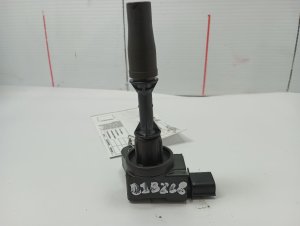
- Ignition Coil
(OEM #12632479)— This is one of the most frequent causes of P0300 on the 3.6L V6. The rear bank is hard to access, so replacing all six is recommended.
Trusted brands: ACDelco, Delphi
OEM price range: $50-$80
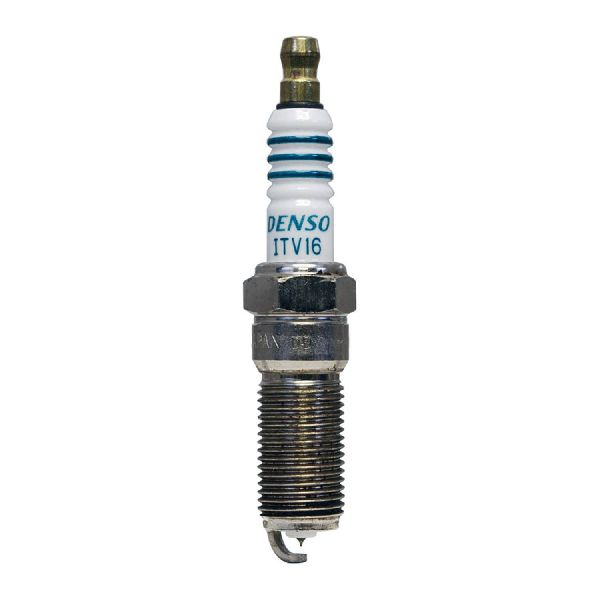
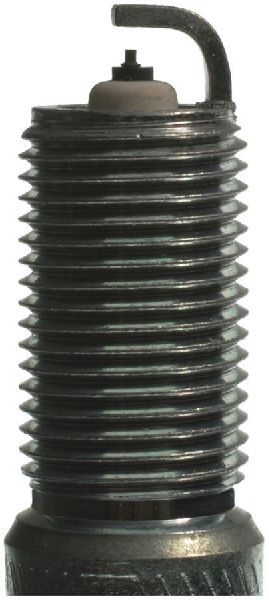
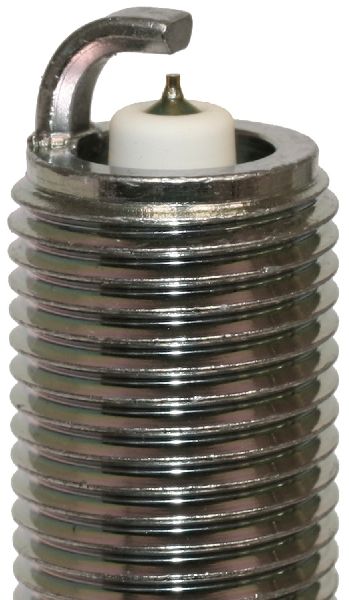
Aftermarket price range: $30-$60 - Spark Plug
(OEM #41-109 (LFX) / 41-130 (LGX))— Worn spark plugs are a primary cause of weak spark and misfires. They should always be replaced when servicing ignition coils.
Trusted brands: ACDelco, NGK
OEM price range: $12-$20
Aftermarket price range: $8-$15 - Intake Manifold Gasket Set — This is a mandatory replacement part when removing the intake manifold to access the rear ignition coils on the 3.6L V6. Reusing the old gasket will cause a vacuum leak.
Trusted brands: ACDelco, Fel-Pro
OEM price range: $60-$90
Aftermarket price range: $30-$50 - Camshaft Position Actuator Solenoid (OCV) — Specifically cited in manufacturer TSBs as a cause for misfires on this platform.
Trusted brands: ACDelco
OEM price range: $40-$70
Aftermarket price range: $25-$50
Related Codes That Often Appear With This One
- P0301-P0306 — These codes indicate a misfire on a specific cylinder (e.g., P0301 for Cylinder 1). They often appear with P0300 when the misfire is severe but also has a primary location, helping to pinpoint the fault.
- P0087 — Indicates 'Fuel Rail/System Pressure - Too Low'. This points towards a failing high-pressure fuel pump (HPFP) or in-tank fuel pump, which can starve the engine of fuel and cause random misfires.
- P050D — Indicates 'Cold Start Rough Idle'. This code is frequently associated with carbon buildup on the intake valves of direct-injection engines, which can cause a P0300, especially before the engine is fully warm.
- P219B — Indicates 'Bank 2 Air-Fuel Ratio Imbalance'. This code suggests that one entire bank of cylinders is running too rich or too lean, which can be caused by a vacuum leak, a faulty O2 sensor, or a fuel delivery issue affecting that bank, leading to misfires.
Technical Service Bulletins (TSBs) & Recalls
- TSB #18-NA-115: Addresses a rare condition of cold start misfire (P0300) that disappears when warm, potentially caused by engine block porosity allowing coolant into a cylinder.
- TSB #21-NA-036: Provides diagnostic information for a damaged OCV (AFM oil control valve) solenoid that can leak or break, causing misfires on specific cylinders (P0302, P0305) and a general P0300.
- TSB #PIP5628G: A preliminary information bulletin requesting data from technicians for vehicles with misfire codes P0300-P0308 and/or P050D (Cold Start Rough Idle).
- TSB #PIP5824: Concerns misfires on AFM cylinders 2 or 5 in 2021 model year HFV6 engines, pointing to issues with rocker arms or OCV solenoids. Provides diagnostic steps like swapping solenoids between banks.
Platform-Specific Known Issues
- Intake Manifold Removal for Rear Coil Access: On models with the 3.6L V6, the upper intake manifold must be removed to service the rear bank of spark plugs and ignition coils, significantly increasing labor time and cost.
- Cold Start Misfires: TSB #18-NA-115 specifically addresses P0300 on cold starts, which often relates to carbon buildup on the intake valves of the direct-injection engines.
- OCV Solenoid Failures: TSB #21-NA-036 and #PIP5493B identify faulty rocker arm oil control valve (OCV) solenoids as a known cause of misfires, sometimes accompanied by an oil leak.
Mechanic-Grade Diagnostic Values
- Low-Pressure Fuel System — expected: 45-60 PSI (310-414 kPa) at idle. Failure: Pressure below 45 PSI indicates a weak in-tank fuel pump or clogged filter.
- High-Pressure Fuel System (Direct Injection) — expected: Approximately 300-500 PSI at idle, increasing to 2000+ PSI under load.. Failure: Significantly lower pressure than commanded by the ECM, often setting a P0087 code.
Hidden / Shadow Codes Worth Checking
- Mode $06, Test ID $53: This is not a code but a function within a generic OBD-II scan tool. It allows viewing of misfire counts per cylinder for the current and last ten driving cycles, even if a specific P0301-P0306 code has not been set. This is invaluable for identifying which cylinders are contributing to a P0300. (see via A scan tool that supports Mode $06 diagnostics.)
Scan Tool Commands That Help
- GDS2 (GM Dealer/Professional Scan Tool): Cylinder Power Balance Test — This test graphically displays the contribution of each cylinder to crankshaft speed. A cylinder that is misfiring will show a significant drop compared to the others, helping to quickly identify the problem cylinder(s) even during an intermittent misfire.
- GDS2 (GM Dealer/Professional Scan Tool): AFM Cylinder Deactivation (for LGX engine) — Allows a technician to manually command the Active Fuel Management system on and off to see if the misfire is related to the AFM lifters or solenoids. TSB 21-NA-036 specifically points to issues with AFM cylinders 2 and 5.
- GDS2 (GM Dealer/Professional Scan Tool): Oil Pump Control — TSB PIP5493B instructs technicians to command the oil pump to high pressure mode after replacing an OCV solenoid to verify the repair and ensure misfires do not return.
Wiring & Ground Locations
- G103 — Typically located on the cowl at the left rear of the engine compartment, above the brake booster.. This is a primary ground for the Body Control Module (BCM) and Instrument Panel Cluster (IPC), and poor connections here can cause a variety of seemingly unrelated electrical issues.
- G105 / G106 — Located at the front of the engine compartment, often on the frame rail near the radiator support or under the crank pulley.. These are the main grounds for the Engine Control Module (ECM) and Transmission Control Module (TCM). Corrosion or a loose connection at these points is a known cause of intermittent misfires and other engine performance problems.
Real Owner Repair Stories
- GM Forum user 'Jsmyth' (2012 GM vehicle with 70k miles (likely Enclave, but same engine family)) — P0300, loss of power, strong fuel smell, white smoke, Stabilitrak light. Intermittent issue, would resolve after shutting the engine off for 30 minutes. Occurred sometimes after refueling.
❌ Tried (didn't work) Replaced spark plugs, Replaced throttle body
✅ What actually fixed it Replacing the EVAP purge valve. A faulty purge valve can stick open, creating a constant vacuum leak and allowing fuel vapors to enter the intake manifold at the wrong time, causing a rich condition and random misfires.
OEM Part Supersession History
GM 12632479→This part number is the current one for the ACDelco D515C ignition coil.— N/A
Heads up: This coil is widely used across many GM 3.6L engines, but always verify fitment for the specific model year. Cross-reference part numbers include Delphi GN10494 and NGK U5130.
Model Year Variations Within This Range
- 2017: Per TSB PIP5493B, some 2017 LaCrosse models with the LGX engine may log a P0300 or a specific P0304 (Cylinder 4) misfire in history due to a software sensitivity issue, especially after a cold start followed by heavy acceleration. The TSB advises that if it's the first occurrence, the code should be cleared and no parts replaced, as engineering was developing a solution.
- 2017-2019 (LGX Engine): The LGX engine features Active Fuel Management (AFM), which deactivates cylinders under light load. This introduces potential failure points not present in the 2013-2016 LFX engine, such as issues with AFM lifters and the specific OCV solenoids that control the system, which have been linked to P0300 codes per TSB 21-NA-036.
Helpful Videos



Used OEM Parts in Stock


New Aftermarket Parts Available

The information in this article is provided for general reference and educational purposes only. Vehicle specifications, procedures, and part compatibility can vary by production date, trim level, and region. Always consult your vehicle's factory service manual and verify part numbers before purchasing or performing repairs. Safety-critical components such as airbags, seat belts, and braking systems should be installed by a qualified professional.
- Buick LACROSSE:
- 🎬 Helpful Videos
- 🛍️ Shop This Part
- What's Unique About the 2013-2019 Buick LACROSSE
- Diagnostic Flowchart
- Symptoms You May Notice
- Most Likely Causes
- Rare But Worth Checking
- Diagnosis Steps
- Parts You'll Likely Need
- Related Codes That Often Appear With This One
- Technical Service Bulletins (TSBs) & Recalls
- Platform-Specific Known Issues
- Mechanic-Grade Diagnostic Values
- Hidden / Shadow Codes Worth Checking
- Scan Tool Commands That Help
- Wiring & Ground Locations
- Real Owner Repair Stories
- OEM Part Supersession History
- Model Year Variations Within This Range
- 🎟️ Get 5% Off