

P0300 on 2005-2012 Buick LaCrosse: Random Misfire Causes & Fixes
P0300 on a 2005-2012 Buick LaCrosse indicates a random or multiple cylinder misfire. The most common causes are worn spark plugs and failing ignition coils. For 2005-2009 models with the 3.8L V6, the Ignition Control Module is also a frequent culprit, often failing due to heat. For 2010-2012 direct injection models, carbon buildup on intake valves is a known issue. Expect to spend $50-$200 on parts for a DIY repair of common ignition components.
- P0300 means multiple cylinders are misfiring, so focus on parts that affect the whole engine.
- For 2005-2009 models with the 3.8L V6, always consider the Ignition Control Module (ICM) if new plugs and coils don't fix the issue.
- For 2010-2012 models, if the misfire only happens when the engine is cold, suspect carbon buildup on the intake valves.
- A flashing check engine light is serious. Driving with it can destroy your catalytic converter, leading to a much more expensive repair.
- Start with the cheapest and most common fixes: inspect spark plugs and, on applicable engines, spark plug wires.
What's Unique About the 2005-2012 Buick LACROSSE

The 2005-2012 LaCrosse spans two distinct generations with different engines, making diagnosis unique. First-generation models (2005-2009), especially those with the 3.8L V6, are known for failures in the Ignition Control Module (ICM) located under the coil packs, which can cause a P0300 code even after plugs and coils are replaced. This failure is often heat-related, getting worse as the engine warms up. Second-generation models (2010-2012) with direct injection engines can suffer from carbon buildup on intake valves, leading to cold start misfires, an issue specifically addressed by manufacturer TSB #18-NA-115.
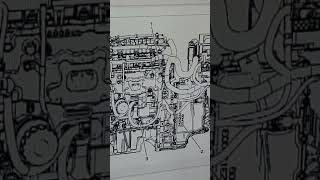
🎬 See how bad grounds can cause P0300 on 2010 models.Diagnostic Flowchart

Tap your situation to follow the diagnostic path that matches what you're seeing on this vehicle.
Generation note: The 2005-2012 range covers two LaCrosse generations. - First Generation (2005-2009): Offered with the 3.8L V6, 3.6L V6, and 5.3L V8. The 3.8L and 5.3L engines use spark plug wires and an ignition control module, which are common failure points for P0300. - Second Generation (2010-2012): Offered with a 2.4L I4, 3.0L V6, and 3.6L V6. These engines use a coil-on-plug system without traditional spark plug wires. They can be prone to carbon buildup on intake valves causing cold start misfires, especially on the direct-injected V6 engines.
Symptoms You May Notice

- Rough or shaking idle, which may worsen as the engine warms up (common with ICM failure) or only happen on cold starts (common with carbon buildup).
- Flashing Check Engine Light, especially during acceleration.
- Engine stumbling, hesitating, or jerking during acceleration.
- Noticeable loss of power.
- Stalling, sometimes only after the engine is hot.
- Strong smell of unburnt gasoline from the exhaust, indicating a rich misfire condition.
- Whistling or hissing noises from the engine bay, pointing to a potential vacuum leak.
- Replacing only one spark plug or coil when a full set is needed.
- On 3.8L V6 models, repeatedly replacing ignition coils when the underlying problem is a heat-damaged Ignition Control Module.
- Replacing oxygen sensors when the root cause is a vacuum leak or ignition issue causing incorrect air/fuel mixtures.
Most Likely Causes

- Worn or Fouled Spark Plugs 🔴 High Probability Spark plugs are a standard maintenance item and a primary cause of misfires across all engines in this year range. They are the first part to check.
How to confirm: Visually inspect the spark plugs for wear, carbon buildup, oil fouling, or damage to the electrode. Check for proper gap.
Typical fix: Replace all spark plugs as a set. It's also recommended to replace spark plug wires on models that have them (3.8L V6, 5.3L V8), as they can degrade and cause misfires.
Est. part cost: $40-$120 - Failing Ignition Coil(s) or Coil Pack 🔴 High Probability Heat and vibration cause ignition coils to fail over time, resulting in weak or no spark. On the 3.8L V6, a single coil fires two cylinders (waste spark system).
How to confirm: Use a scan tool with live data to see which cylinders are misfiring. Swap the suspected bad coil to a different cylinder and see if the misfire code follows. An inline spark tester can also show weak or no spark.
Typical fix: Replace the faulty ignition coil. On the 3.8L V6, coils are in a pack of three; on coil-on-plug engines, they are replaced individually.
Est. part cost: $40-$110 per coil - Faulty Ignition Control Module (ICM) 🟡 Medium Probability This is a notorious issue on the 2005-2009 LaCrosse with the 3.8L V6 engine. The ICM is located under the ignition coils and fails from constant heat exposure, causing a random misfire that often gets worse as the engine warms up. Many owners replace plugs and coils only to find the ICM was the root cause. 🎬 Watch: Diagnosing a bad coil vs. an Ignition Control Module.
How to confirm: This is difficult to test without specialized tools, though some auto parts stores can test them off the car. It's often diagnosed by exclusion: if new plugs, wires, and coils don't fix a P0300 on a 3.8L, the ICM is the prime suspect. A failure often presents as a no-spark condition on two companion cylinders (e.g., 3 and 6).
Typical fix: Replace the Ignition Control Module. It is held on by the same bolts that secure the coil packs.
Est. part cost: $70-$150 - Vacuum Leak 🟡 Medium Probability Aging rubber hoses and plastic intake manifold gaskets can crack and leak. On the 3.8L V6, the upper intake plenum (manifold) gasket is a known failure point. A leak introduces unmetered air that leans out the air/fuel mixture and causes misfires.
How to confirm: Perform a smoke test to find the source of the leak. Listen for hissing sounds around the engine bay. Check fuel trim values with a scan tool; long-term fuel trims consistently above +10% at idle suggest a vacuum leak.
Typical fix: Replace the cracked vacuum hose or faulty intake manifold gasket.
Est. part cost: $10-$250 - Carbon Buildup on Intake Valves ⚪ Low Probability Primarily affects the second-generation (2010-2012) models with direct injection engines (2.4L, 3.0L, 3.6L). Fuel is injected directly into the cylinder, so it doesn't wash carbon deposits off the back of the intake valves. This buildup disrupts airflow and leads to cold start misfires. GM issued TSB #18-NA-115 for this issue.
How to confirm: This is difficult to confirm without a borescope to visually inspect the valves. It is often suspected when a P0300 code appears specifically during cold starts and other ignition/fuel causes have been ruled out.
Typical fix: Perform a chemical intake cleaning or induction service. For heavy buildup, walnut blasting is the most effective but more intensive method.
Est. part cost: $20-$50 for DIY cleaning kits; $300-$600+ for professional walnut blasting.
Rare But Worth Checking
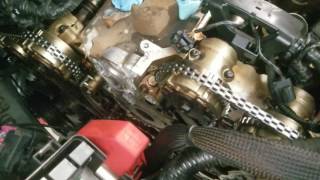
- Stretched Timing Chain: On the second-generation V6 engines (3.0L and 3.6L), stretched timing chains can cause cam/crank correlation codes (like P0008, P0017, P0018) alongside a P0300. This is a significant and expensive repair requiring disassembly of the front of the engine. 🎬 Watch this teardown of a 3.6L timing chain replacement.
- Clogged or Failing Fuel Injectors: If an injector is clogged or failing, it can disrupt the fuel mixture enough to cause a random misfire. This can sometimes be diagnosed by checking fuel trim data or performing an injector balance test with a capable scan tool.
- Low Fuel Pressure: A weak fuel pump or clogged fuel filter can starve the engine for fuel, leading to a lean condition and random misfires across all cylinders, especially under load.
Diagnosis Steps
- Read the codes with an OBD-II scanner. Note any codes besides P0300 (e.g., P030x, P0171) and check freeze frame data to see when the misfire occurs (e.g., cold start, under load).
- Visually inspect the basics. Look for cracked vacuum hoses, damaged spark plug wires (on 3.8L/5.3L), and loose electrical connectors.
- Inspect Spark Plugs and Wires. Remove and inspect all spark plugs for wear, fouling, and correct gap. Replace as a set if their condition is questionable. Test spark plug wires for resistance.
- Test the Ignition System. Use the scanner's live data to watch misfire counters. If a specific cylinder is misfiring, swap its ignition coil with a known good cylinder. If the misfire follows the coil, the coil is bad.
- Check for Vacuum Leaks. With the engine running, carefully spray carb cleaner or starter fluid around the intake manifold gasket area. If the engine RPM changes, you have found a leak. A smoke test is the most definitive method.
- Test Fuel Pressure. Connect a fuel pressure gauge to the schrader valve on the fuel rail. Verify the pressure is within the manufacturer's specification at idle and under load to rule out a weak fuel pump or clogged filter.
- Isolate Specific Engine Issues: - For 2005-2009 3.8L V6: If steps 2-5 don't solve the issue, and especially if the misfire worsens when hot, the Ignition Control Module (ICM) is the most likely culprit. - For 2010-2012 V6: If misfires occur mainly on cold starts, suspect carbon buildup on the intake valves. [TSB 18-NA-115] - For 2010-2012 3.6L V6: If you also have codes like P0008 or P0017, the timing chains are the probable cause.
Parts You'll Likely Need
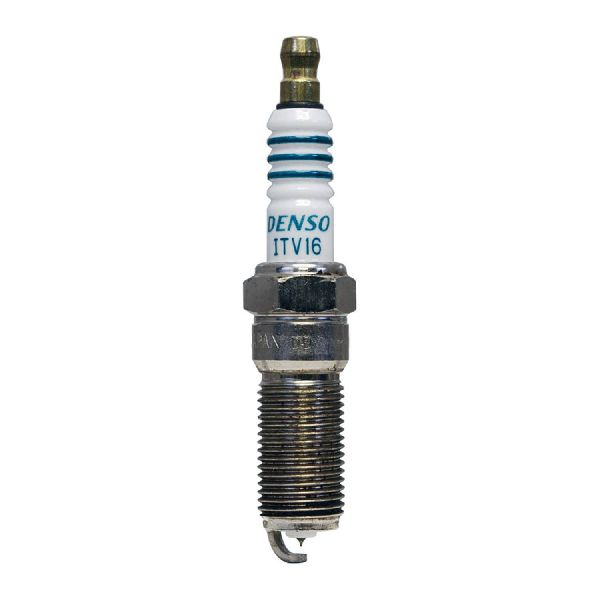
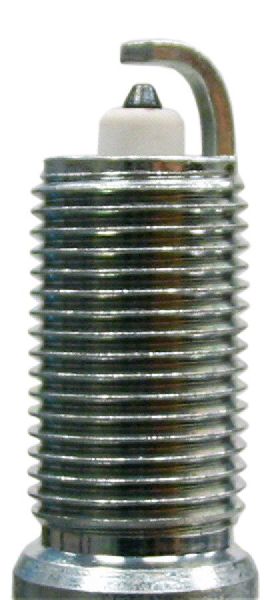
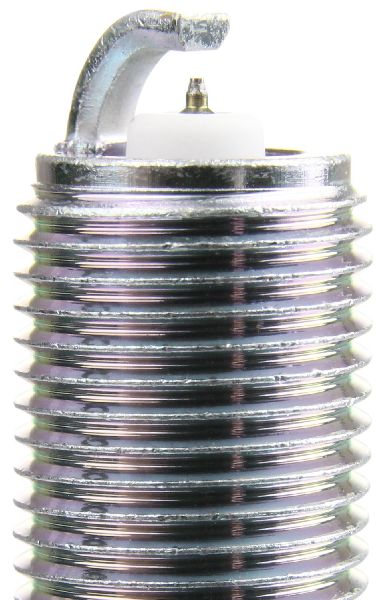
- Spark Plugs
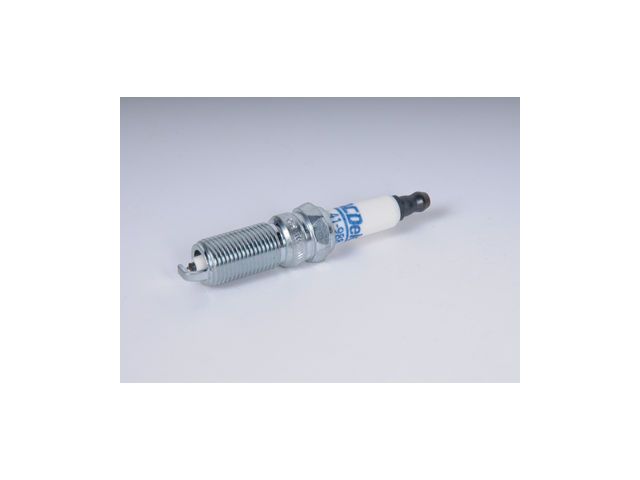
(OEM #ACDelco 41-988 (for 3.8L V6))— These are a primary wear item and the most common and simple cause of misfires.
Trusted brands: ACDelco, NGK, Denso
OEM price range: $8-$15 per plug
Aftermarket price range: $5-$12 per plug - Ignition Coil
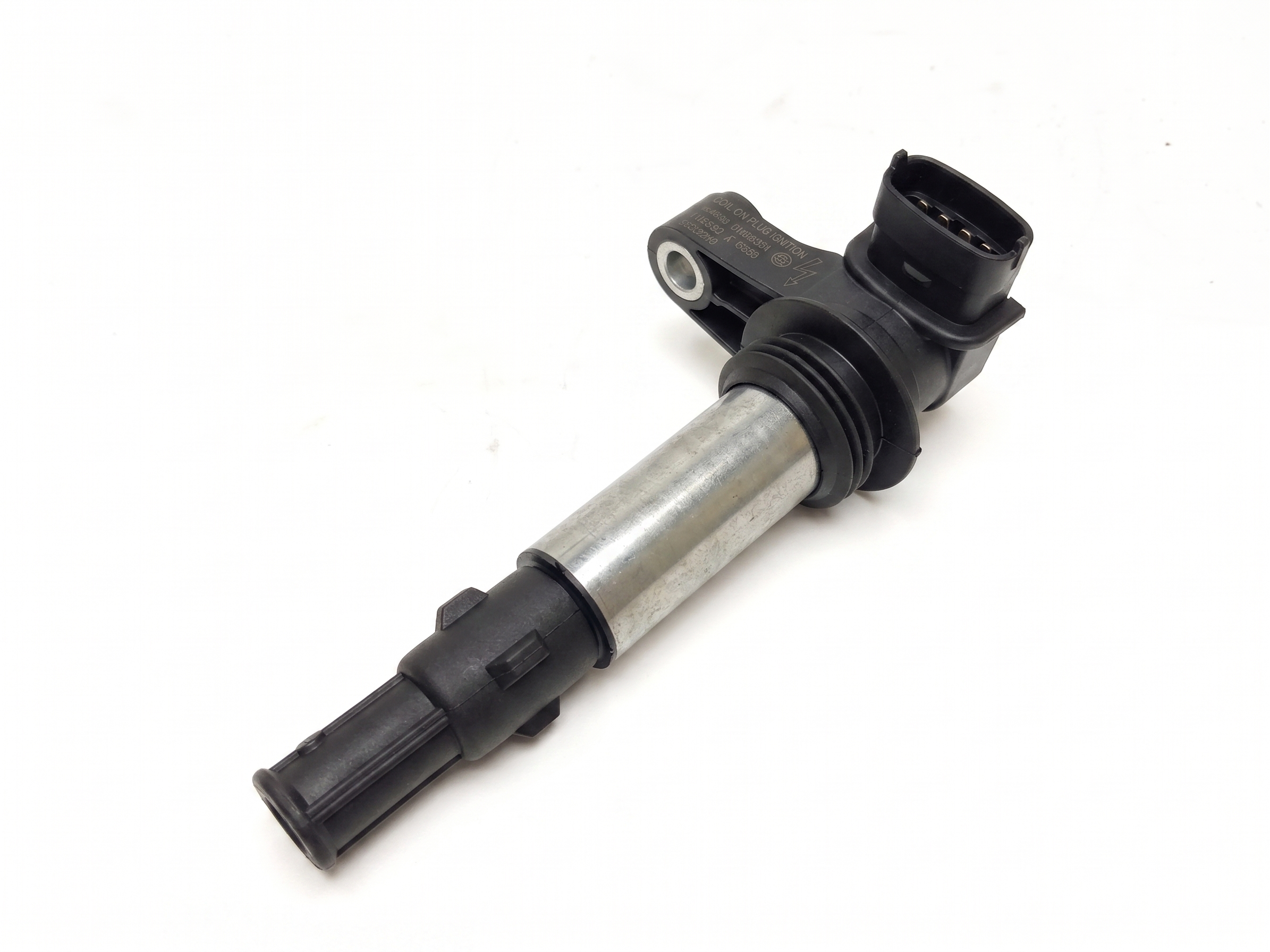
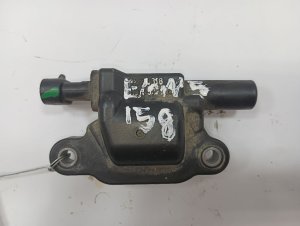
(OEM #ACDelco D515C (Coil-on-Plug) / D555 (3.8L Coil Pack))— Ignition coils provide the high voltage for the spark plugs and fail frequently from heat cycles, causing misfires.
Trusted brands: ACDelco, Delphi, Standard Motor Products
OEM price range: $50-$90 per coil
Aftermarket price range: $30-$70 per coil - Ignition Control Module (3.8L V6 only)
(OEM #ACDelco D1977A (Cross-references to 10469470, 10475225, 10494012, LX364))— A very common failure point on the 3.8L V6 engine due to heat stress, causing random misfires that are often misdiagnosed as bad coils.
Trusted brands: ACDelco, Delphi, Standard Motor Products (LX364)
OEM price range: $100-$180
Aftermarket price range: $60-$120
Related Codes That Often Appear With This One
- P0301-P0308 — These codes specify which cylinder is misfiring. P0300 often appears with one or more of these codes, helping to narrow down the problem to a specific coil or injector.
- P0171/P0174 — These codes indicate a lean fuel condition, which is often caused by a vacuum leak—a common source of random misfires.
- P0008/P0017 — On 3.6L V6 engines, these codes indicate a problem with engine timing/camshaft position. Their presence with a P0300 strongly suggests a stretched timing chain.
Technical Service Bulletins (TSBs) & Recalls
- TSB #18-NA-115: Addresses cold start misfires (P0300) on direct injection engines, pointing towards carbon buildup on intake valves as the cause and providing diagnostic/correction info.
- TSB #PIP5628G: A preliminary information bulletin for technicians on how to diagnose P0300-P0308 codes, requesting specific data be collected (freeze frame, fuel trims, compression tests) before contacting technical assistance.
Platform-Specific Known Issues
- 3.8L V6 Ignition Control Module (ICM) Failure (2005-2009): The ICM on the 3800 Series III engine is mounted directly under the three ignition coil packs, subjecting it to intense and constant heat cycles. Over time, the internal electronics fail, typically causing a misfire on two companion cylinders at once (e.g., 1-4, 2-5, or 3-6). Symptoms often appear or worsen as the engine warms up. This is the most common cause of a P0300 on this engine after basic tune-up parts (plugs, wires, coils) have been replaced.
- 3.6L V6 Timing Chain Stretch (2010-2012): The high-feature 3.6L V6 (LLT) engine used in the second-generation LaCrosse is known for premature timing chain wear. As the chains stretch, the correlation between the crankshaft and camshafts becomes incorrect, which the ECM detects. This will set a P0300 code but is almost always accompanied by more specific timing codes like P0008, P0017, or P0018. This is a major repair.
Helpful Videos
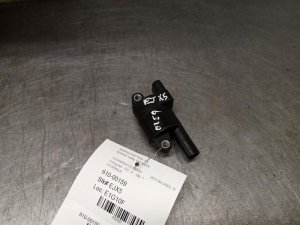
Used OEM Parts in Stock



New Aftermarket Parts Available

The information in this article is provided for general reference and educational purposes only. Vehicle specifications, procedures, and part compatibility can vary by production date, trim level, and region. Always consult your vehicle's factory service manual and verify part numbers before purchasing or performing repairs. Safety-critical components such as airbags, seat belts, and braking systems should be installed by a qualified professional.
- Buick LACROSSE:
- 🎬 Helpful Videos
- 🛍️ Shop This Part
- What's Unique About the 2005-2012 Buick LACROSSE
- Diagnostic Flowchart
- Symptoms You May Notice
- Most Likely Causes
- Rare But Worth Checking
- Diagnosis Steps
- Parts You'll Likely Need
- Related Codes That Often Appear With This One
- Technical Service Bulletins (TSBs) & Recalls
- Platform-Specific Known Issues
- 🎟️ Get 5% Off