

P0300 on 2016-2022 Buick Envision: Random Misfire Causes and Fixes
P0300 on a 2016-2022 Buick Envision often points to common issues like worn spark plugs or ignition coils. However, a known vehicle-specific problem is moisture inside the charge air cooler (intercooler), especially on 2.0L turbo models, which requires replacement per TSB 21-NA-074. Other documented causes for the LTG engine include carbon buildup on intake valves and, in rare cases, cracked pistons. Standard tune-up parts cost $100-$250, while a charge air cooler replacement can be $400-$700+.
- P0300 indicates a random or multiple cylinder misfire, which is a serious issue that can damage your catalytic converter.
- For the 2016-2020 Buick Envision with the 2.0L Turbo engine, a primary suspect is moisture inside the charge air cooler, as per GM TSB #21-NA-074.
- Always start diagnosis with the basics: check for other codes and inspect common wear items like spark plugs and ignition coils.
- If the check engine light is flashing, stop driving immediately to prevent expensive damage.
- If a standard tune-up does not fix the issue on a turbo model, the charge air cooler should be your next point of inspection.
What's Unique About the 2016-2022 Buick ENVISION

While any car can get a P0300 from bad spark plugs, the 2.0L turbocharged Buick Envision has a specific weakness documented in GM Technical Service Bulletin #21-NA-074. Moisture from humidity and the PCV system can accumulate inside the charge air cooler (intercooler). During a subsequent acceleration, especially in rainy or humid weather, this water can be drawn into the engine, causing a stumble, hesitation, and triggering a P0300 code. This issue is particularly noted in first-generation (2016-2020) models with the 2.0L LTG engine. Furthermore, the 2.0L LTG direct-injection engine is also susceptible to carbon buildup on intake valves and, in rare, severe cases, cracked pistons, both of which can cause a P0300 misfire.
Diagnostic Flowchart

Tap your situation to follow the diagnostic path that matches what you're seeing on this vehicle.
Generation note: The 2016-2022 range covers two Envision generations. The first generation (2016-2020) offered a 2.5L LCV naturally aspirated engine and a 2.0L LTG turbo engine. The second generation (2021-2022) exclusively uses a 2.0L turbo engine (LSY, a successor to the LTG). The well-documented charge air cooler issue is specifically cited for the 2016-2020 2.0L turbo models in TSB #21-NA-074.
Symptoms You May Notice

- Flashing or solid Check Engine Light
- Rough or shaky idle
- Engine hesitation or stumbling, especially during acceleration or under load
- Noticeable loss of power
- Reduced fuel economy
- Difficulty starting the engine
- Black smoke from the exhaust during a misfire event
- Replacing only one spark plug or coil when others are near the end of their service life.
- Replacing oxygen sensors, as a bad O2 sensor is more likely to cause a specific fuel trim code before causing a random misfire.
- Overlooking the charge air cooler TSB (#21-NA-074) on 2.0L turbo models and focusing only on traditional tune-up parts, leading to a repeat failure.
Most Likely Causes

- Moisture in Charge Air Cooler (Intercooler) 🔴 High Probability A design issue on models built before Jan. 5, 2019 allows ambient and PCV moisture to collect in the charge air cooler. During acceleration, this water can be ingested by the engine, causing a misfire. This is documented in GM TSB #21-NA-074 for 2016-2020 models with the 2.0L turbo engine.
How to confirm: A technician can perform a smoke test on the charge air cooler system to check for leaks. The TSB also advises removing the boost sensor and wiping it clean of any moisture (do not use chemical cleaners). Visual inspection after removal may also show signs of moisture or oily contamination.
Typical fix: Replace the charge air cooler with the updated, wider design. Per TSB #21-NA-074, this is the primary fix. The updated GM part is 85606128.
Est. part cost: $150-$400 - Worn or Fouled Spark Plugs 🔴 High Probability Spark plugs are a routine maintenance item. On turbocharged direct-injection engines like the LTG, they can wear more quickly. Worn electrodes or carbon/oil fouling can prevent a strong spark, leading to misfires.
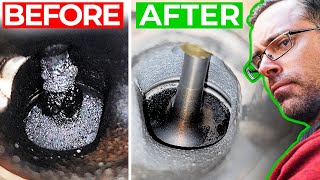
How to confirm: Remove and inspect all spark plugs. Look for worn-down electrodes, heavy carbon deposits, oil fouling, or cracks in the ceramic insulator. The recommended gap for the 2.0L is typically 0.031-0.035 inches.
Typical fix: Replace all spark plugs as a set. Use OEM-spec ACDelco Iridium plugs or equivalent high-quality plugs (e.g., NGK, Denso). The OEM part for the 2.0L LTG is ACDelco 41-125 and for the 2.5L LCV is ACDelco 41-115.
Est. part cost: $40-$100 - Failing Ignition Coil(s) 🟡 Medium Probability Ignition coils operate under high heat and can fail over time, producing a weak or inconsistent spark. While one failing coil usually triggers a specific cylinder code (e.g., P0301), an intermittently failing coil or multiple weak coils can result in a P0300.
How to confirm: With the engine misfiring, use a scan tool to view live misfire data 🎬 Watch: How to diagnose and fix a random cylinder misfire to see if certain cylinders are misfiring more than others. Swap a suspected bad coil with a known good coil from another cylinder and see if the misfire follows the coil.
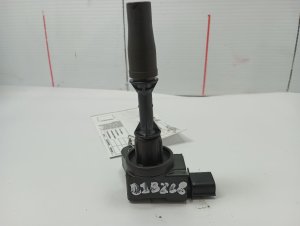
Typical fix: Replace the faulty ignition coil. The OEM part number is ACDelco 12654078. It is often recommended to replace all coils at the same time as the spark plugs, especially on higher-mileage vehicles.
Est. part cost: $50-$120 per coil - Vacuum Leak ⚪ Low Probability Cracked hoses (especially PCV lines) or leaking intake manifold gaskets can introduce unmetered air into the engine, leaning out the air-fuel mixture and causing random misfires.
How to confirm: Perform a smoke test on the intake system to reveal the source of the leak. Listen for hissing sounds around the engine bay at idle. Visually inspect all rubber and plastic hoses for cracks.
Typical fix: Replace the leaking hose, gasket, or component.
Est. part cost: $10-$200 depending on the source
Rare But Worth Checking
- Carbon Buildup on Intake Valves: As a gasoline direct injection (GDI) engine, the 2.0L LTG sprays fuel directly into the cylinder, not over the intake valves. Over time, oil vapor from the PCV system can bake onto the valves, forming hard carbon deposits. GM TSB 16-NA-383 acknowledges this can cause rough idle and misfire codes (P0300-P0308). The fix is a professional upper engine cleaning procedure, often called 'walnut blasting'.
- Cracked Piston: A severe but documented issue on the 2.0L LTG engine is a crack in a piston, located between the compression rings. This leads to low compression in that cylinder and will set a P0300 code. This requires a cylinder leak-down test to confirm and is a major engine repair. This is documented in GM Preliminary Information bulletin #PI1178F.
- Clogged or Dirty Fuel Injectors: If injectors deliver an inconsistent fuel spray, it can cause misfires across multiple cylinders. This is less common than ignition issues but worth considering if a tune-up doesn't solve the problem.
- Low Fuel Pressure: A weak high-pressure fuel pump (HPFP) or in-tank low-pressure fuel pump can starve the engine of fuel, leading to lean conditions and random misfires under load.
Diagnosis Steps
- Read all fault codes using an OBD-II scanner. Note any codes accompanying P0300, such as P0299, P2227, or specific cylinder misfire codes (P0301-P0304).
- Check if the check engine light is flashing. If so, avoid driving to prevent catalytic converter damage.
- If the vehicle is a 2.0L Turbo model (especially 2016-2020), investigate the charge air cooler per TSB #21-NA-074. Check the vehicle's build date; if before Jan 2019, this is a high-probability cause. This may require a professional smoke test or inspection for moisture.
- Inspect the ignition system. Remove and examine all spark plugs for wear, damage, or fouling. Ensure they are gapped correctly.
- Test the ignition coils. Use a scan tool with live data to identify misfiring cylinders. Swap the coil from a misfiring cylinder with one from a good cylinder to see if the misfire code follows the coil.
- Check for vacuum leaks. Listen for hissing noises or perform a smoke test on the intake system, paying close attention to PCV hoses.
- Investigate fuel delivery. Monitor fuel trims with a scan tool and test fuel pressure (both low and high pressure systems) to rule out a weak pump or clogged injectors.
- If misfires persist and the engine is a GDI model, consider carbon buildup on the intake valves as a cause, which may require a borescope inspection to confirm.
- If a single cylinder is consistently misfiring but ignition and fuel seem okay, perform a compression test and cylinder leak-down test to check for internal engine mechanical problems like a cracked piston.
Parts You'll Likely Need
- Charge Air Cooler (Intercooler)
(OEM #85606128 (supersedes 84211925, 85154389))— A primary cause of P0300 on 2.0L turbo models due to moisture accumulation, as documented by GM in TSB 21-NA-074.
Trusted brands: ACDelco (GM Genuine), Spectra Premium, TYC
OEM price range: $250-$400
Aftermarket price range: $150-$350 - Ignition Coil
(OEM #12654078)— A common failure point for ignition systems that directly causes misfires.
Trusted brands: ACDelco, Delphi, NGK
OEM price range: $50-$90
Aftermarket price range: $30-$60 - Spark Plug
(OEM #41-125 (2.0L LTG), 41-115 (2.5L LCV))— Regular maintenance item. Worn or fouled plugs are a primary cause of misfires.
Trusted brands: ACDelco, NGK, Denso
OEM price range: $10-$20 per plug
Aftermarket price range: $7-$15 per plug
Related Codes That Often Appear With This One
- P0301-P0304 — These codes specify which cylinder is misfiring (e.g., P0301 for Cylinder 1). They often appear with P0300 when the misfire is frequent but not isolated to a single cylinder.
- P0299 — Turbocharger/Supercharger Underboost. This code can appear alongside P0300 when the cause is a leaking or moisture-restricted charge air cooler, as noted in TSB #21-NA-074.
- P2227 — Barometric Pressure Sensor Range/Performance. This is another code mentioned in TSB #21-NA-074 that can be triggered by the charge air cooler issue.
Technical Service Bulletins (TSBs) & Recalls
- 21-NA-074: Documents the charge air cooler moisture issue for the Envision, causing P0300, P0299, and P2227.
- PI1178F: Details a severe issue where a cracked piston on the 2.0L LTG engine causes low compression and a P0300 code.
- 16-NA-383: A broad GM bulletin explaining how excessive carbon buildup on intake valves of GDI engines can cause misfires.
- 18-NA-020: Corroborates the charge air cooler moisture/icing issue on platform mates like the Chevrolet Equinox and GMC Terrain.
Platform-Specific Known Issues
- Misfire Under Light Load / Highway Cruise: Some owners have reported experiencing misfires that trigger a P0300 code not during heavy acceleration, but during a steady, light-throttle cruise on the highway. This can be particularly tricky to diagnose as it may point to more nuanced issues like a failing ignition control module, specific fuel trim anomalies, or torque converter lock-up issues rather than a simple bad coil or plug.
- Misfire with Stumble on Acceleration After Humid/Rainy Weather: This is the classic symptom of the charge air cooler (CAC) moisture ingestion issue described in TSB 21-NA-074. The vehicle may run perfectly fine, but after a drive in high humidity or rain (or after a car wash), a hard acceleration can cause a significant stumble or hesitation as the collected water is pulled into the engine, immediately setting a P0300 code.
Mechanic-Grade Diagnostic Values
- High-Pressure Fuel System (2.0L LTG Engine) — expected: Approximately 750 psi (5,171 kPa) at idle, increasing to 2,250 psi (15,513 kPa) at wide-open throttle.. Failure: Significantly lower pressure, especially under load, indicates a failing high-pressure fuel pump (HPFP).
- Ignition Coil Primary Winding Resistance — expected: General specification is 0.4 to 2.0 ohms.. Failure: A reading outside this range (e.g., open loop or zero resistance) indicates a faulty coil. This is a basic test; a coil can still fail under heat or load.
- Ignition Coil Secondary Winding Resistance — expected: General specification is 6,000 to 10,000 ohms (6k-10k Ω).. Failure: A reading significantly outside this range suggests the coil is bad. However, this test may not identify intermittent failures.
- Short-Term and Long-Term Fuel Trims — expected: Ideally within +/- 5% at idle and under steady load.. Failure: Consistently high positive numbers (e.g., > +10%) suggest a lean condition (vacuum leak, weak fuel delivery). Consistently high negative numbers suggest a rich condition (leaking injector, faulty regulator).
Hidden / Shadow Codes Worth Checking
- Mode $06 Misfire Data: This is not a specific code but a diagnostic function in advanced scan tools. It can show misfire counts for each individual cylinder, even if the count is not high enough to set a specific P0301-P0304 code. This helps identify which cylinders are contributing to the P0300 count. (see via A professional scan tool with Mode $06 capabilities or GM's GDS2 software using the 'Misfire Graph' feature.)
Scan Tool Commands That Help
- GDS2 (GM Tech Tool): Crankshaft Position Variation Learn — This procedure is required after replacing the crankshaft position sensor, ECM, or performing major engine work. Failure to perform the relearn can cause the ECM to misinterpret crankshaft speed fluctuations, leading to a false P0300 code.
- GDS2 (GM Tech Tool): Injector Balance Test — This function, also referenced in TSB PIP5628G, commands each injector to fire for a set duration and measures the corresponding pressure drop. It can identify a clogged or weak injector that is causing a lean misfire on one or more cylinders.
- GDS2 (GM Tech Tool): Misfire Graph / Misfire Data — To view live misfire counts per cylinder. This is the first step in determining if the 'random' misfire is truly random or biased towards specific cylinders, which helps narrow the diagnosis to components affecting those cylinders.
Wiring & Ground Locations
- G103 — Located at the left rear of the engine compartment, on the cowl, often above the brake booster.. This is a primary ground point for the Engine Control Module (ECM), Body Control Module (BCM), and the Data Link Connector (DLC). A poor connection here can cause erratic ECM behavior and false sensor readings, potentially leading to a P0300 code.
- G102 — Located at the left rear of the engine.. This ground is specifically for the ignition coils. A loose or corroded connection at G102 can cause a weak or intermittent spark across multiple cylinders, resulting in a random misfire code.
"I Checked Everything" — The Actual Cause
- The charge air cooler (CAC) issue documented in TSB #21-NA-074 is a prime example. A standard intake smoke test may show no leaks, as the system is sealed. The problem is not unmetered air entering, but rather internal condensation (water) accumulating at the bottom of the cooler. This water gets ingested during acceleration, causing a sudden, severe misfire that sets P0300. The diagnosis requires physically checking for moisture, not just a smoke test.
OEM Part Supersession History
84211925, 85154389→85606128— The original Charge Air Cooler design was prone to internal moisture accumulation. The updated part features a revised design to mitigate this issue.
Model Year Variations Within This Range
- 2016-2020: These first-generation models used the 2.0L LTG engine, which is the specific engine cited in TSB #21-NA-074 regarding the charge air cooler moisture issue.
- 2021-2022: These second-generation models use the newer 2.0L LSY turbo engine. While the charge air cooler TSB is not specifically for the LSY, the general misfire diagnostic aid TSB #PIP5628G has been updated to include model years up to 2024, indicating the diagnostic principles remain relevant for the newer powertrain.
Helpful Videos
We Have This Part in Stock



The information in this article is provided for general reference and educational purposes only. Vehicle specifications, procedures, and part compatibility can vary by production date, trim level, and region. Always consult your vehicle's factory service manual and verify part numbers before purchasing or performing repairs. Safety-critical components such as airbags, seat belts, and braking systems should be installed by a qualified professional.
- Buick ENVISION:
- 🎬 Helpful Videos
- 🛍️ Shop This Part
- What's Unique About the 2016-2022 Buick ENVISION
- Diagnostic Flowchart
- Symptoms You May Notice
- Most Likely Causes
- Rare But Worth Checking
- Diagnosis Steps
- Parts You'll Likely Need
- Related Codes That Often Appear With This One
- Technical Service Bulletins (TSBs) & Recalls
- Platform-Specific Known Issues
- Mechanic-Grade Diagnostic Values
- Hidden / Shadow Codes Worth Checking
- Scan Tool Commands That Help
- Wiring & Ground Locations
- "I Checked Everything" — The Actual Cause
- OEM Part Supersession History
- Model Year Variations Within This Range
- 🎟️ Get 5% Off