

P0300 on 2016-2023 Buick Enclave: Random Misfire Causes and Fixes
P0300 on a 2016-2023 Buick Enclave indicates a random engine misfire. The most common causes are worn spark plugs and failing ignition coils. Accessing the rear bank is difficult, requiring intake manifold removal. Carbon buildup on intake valves is also a very frequent cause on these direct-injection engines. A typical fix involves replacing all six spark plugs and any faulty coils, costing between $400 and $950.
- P0300 means your Enclave's engine is randomly misfiring, most often due to worn spark plugs or bad ignition coils.
- If your check engine light is flashing, pull over and stop driving to prevent catastrophic damage to your catalytic converter.
- Due to the engine design, replacing the rear spark plugs is a labor-intensive job that requires removing the intake manifold. Always replace the intake gaskets at the same time.
- Carbon buildup on the intake valves is a known issue with this engine and can cause misfires, particularly when the engine is cold.
- Start your diagnosis with the basics (plugs and coils) before suspecting more complex issues like fuel delivery or internal engine problems.
What's Unique About the 2016-2023 Buick ENCLAVE

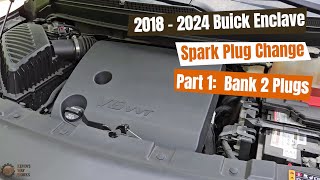
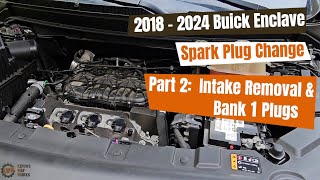
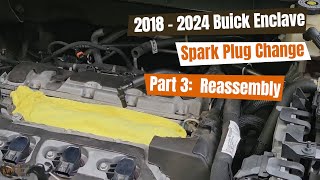
The 2016-2023 Buick Enclave uses two versions of the 3.6L V6 Direct Injection engine: the LFX (2016-2017) and the LFY (2018-2023), which added a start/stop system. Both are known for being highly susceptible to carbon buildup on intake valves, a common issue with direct injection engines that can lead to cold start misfires because fuel doesn't wash over the valves. Additionally, accessing the rear bank of spark plugs and coils (cylinders 1, 3, 5, against the firewall) requires removing the upper intake manifold, making a seemingly simple tune-up 🎬 See this walkthrough on removing the intake manifold for rear plugs. more labor-intensive and costly than on many other vehicles.
Diagnostic Flowchart

Tap your situation to follow the diagnostic path that matches what you're seeing on this vehicle.
Generation note: This range covers two Enclave generations. The 2016-2017 models are the first generation with the 3.6L LFX V6 engine. The 2018-2023 models are the second generation with the updated 3.6L LFY V6. While causes for P0300 are similar, part numbers for ignition and fuel components may differ slightly, though many are shared. Both engines share the same fundamental design and are prone to the same issues.
Symptoms You May Notice

- Rough or shaking idle.
- Hesitation or stumbling during acceleration.
- Flashing or solid Check Engine Light.
- Noticeable loss of engine power.
- Reduced fuel economy.
- Difficulty starting the engine.
- Strong smell of unburned fuel from the exhaust.
- Stabilitrak / Traction Control off message displayed on the dash.
- Replacing only one spark plug or coil when multiple are worn.
- Replacing oxygen sensors when the root cause is a vacuum leak or ignition problem.
- Assuming a major engine problem before thoroughly checking the ignition system and for carbon buildup.
- Replacing fuel injectors when the issue is actually carbon buildup on the intake valves.
Most Likely Causes

- Worn or Fouled Spark Plugs 🔴 High Probability The 3.6L V6 requires removing the intake manifold to access the rear three plugs, so replacement is often delayed past the recommended interval. Direct injection can also lead to faster fouling from oil vapors.
How to confirm: Inspect the spark plugs for wear (eroded electrode), carbon deposits, or oil/coolant fouling. The recommended service interval is typically 60,000-100,000 miles, but issues can arise sooner.
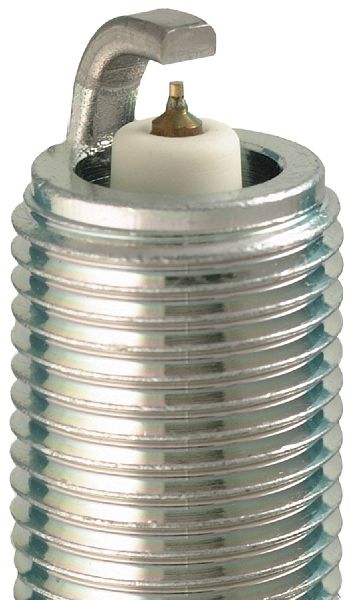
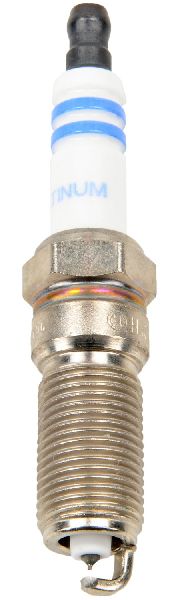
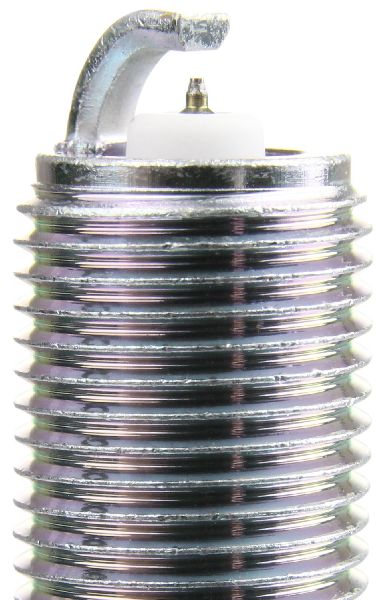
Typical fix: Replace all six spark plugs with high-quality Iridium plugs (e.g., ACDelco 41-123). Also, replace 🎬 Watch: How to access and replace the front bank spark plugs. the intake manifold gaskets since the manifold must be removed.
Est. part cost: $60-$150 - Failing Ignition Coil(s) 🔴 High Probability Heat stress from being buried under the engine cover and intake manifold can cause ignition coils to fail over time. Often, when one fails, others are near the end of their service life.
How to confirm: Use a scan tool with live data to view misfire counts per cylinder. Swap a suspected bad coil with a known good one and see if the misfire code (e.g., P0304) follows the coil to the new cylinder. Also, check the main ground bolt for the coil packs on each bank to ensure it is clean and tight, as a loose ground can cause intermittent misfires.
Typical fix: Replace the faulty ignition coil. It is often recommended to replace all six coils at the same time as the spark plugs, especially on higher-mileage vehicles. Use a quality OEM or equivalent part like ACDelco D515C.
Est. part cost: $40-$80 per coil - Carbon Buildup on Intake Valves 🟡 Medium Probability As a direct injection (DI) engine, fuel is sprayed directly into the cylinder, not over the intake valves. This means there's no fuel to wash away carbon deposits from PCV oil vapors, which build up and disrupt airflow, causing misfires, especially on cold starts. This is a well-documented issue on the 3.6L V6 family.
How to confirm: This typically requires a borescope inspection of the intake ports with the intake manifold removed. A misfire that is present on a cold start but improves as the engine warms is a strong indicator. Misfires appearing around 70,000+ miles are highly suspect for this cause.
Typical fix: Perform a manual valve cleaning (walnut blasting) to physically remove the deposits. Chemical induction cleaning services can also be effective but may need to be repeated and are generally considered less thorough than walnut blasting. 🎬 Watch: Testing a chemical cleaning service on the 3.6L intake valves.
Est. part cost: $0 (if performing chemical cleaning) - $50 (walnut shells) - Vacuum Leak ⚪ Low Probability Intake manifold gaskets can degrade over time. Since the manifold must be removed for spark plug service, an improper re-installation or reusing old gaskets can easily cause a leak. Cracked PCV tubes are also a common source.
How to confirm: Perform a smoke test to check for unmetered air entering the engine through cracked hoses or bad gaskets. Listen for a hissing sound at idle. Check fuel trims with a scan tool; high positive numbers (e.g., >10%) suggest the ECM is adding fuel to compensate for a lean condition caused by a vacuum leak.
Typical fix: Replace the faulty gasket or hose. The intake manifold gaskets should always be replaced when the manifold is removed.
Est. part cost: $30-$70
Rare But Worth Checking
- Clogged or Failing Fuel Injectors: While less common than ignition issues, a dirty or failing injector can cause a lean condition and misfire. This is more difficult to diagnose and often requires professional tools to test flow rates or observing live misfire data to see if one cylinder is a consistent outlier.
- Low Fuel Pressure: A weak fuel pump or clogged fuel filter can starve the engine for fuel, leading to random misfires under load. A fuel pressure test is required for diagnosis. The high-pressure fuel pump, specific to direct injection engines, can also fail and may set codes like P0087.
- Internal Engine Coolant Leak (Block Porosity): GM TSB #18-NA-115 describes a rare condition of engine block porosity that can cause coolant to leak into a cylinder, leading to a cold start misfire that resolves when warm. Diagnosis involves a UV dye test and borescope inspection. If confirmed, this is a major engine failure requiring engine replacement.
- Sticking/Failed EVAP Purge Valve: A purge valve stuck open can create a constant vacuum leak and introduce fuel vapors at the wrong time, causing a rich condition and fouling spark plugs, which leads to misfires. In some cases, this may not set a specific EVAP code.
Diagnosis Steps
- Read the DTCs with an OBD-II scanner and check for any other codes besides P0300, especially P0301-P0306, P0171/P0174, or P050D. Note the freeze frame data to see when the misfire occurred.
- Use a scan tool with live data to monitor misfire counts for each cylinder. This can turn a 'random' P0300 into an actionable problem by revealing which cylinder(s) are the worst offenders.
- Inspect the ignition system. If a specific cylinder is misfiring, swap its ignition coil with a known good cylinder. Clear codes and drive. If the misfire code follows the coil (e.g., P0304 becomes P0302), the coil is bad.
- If coils seem fine, remove the spark plugs. Inspect for wear, fouling, or incorrect gap. Given the labor involved, if plugs are over 60k miles old, replace all six.
- Check for vacuum leaks. A smoke test is the most effective method. Pay close attention to the intake manifold gaskets, PCV hoses, and the EVAP purge valve solenoid.
- If misfires are most prominent on cold starts and ignition/vacuum issues are ruled out, suspect carbon buildup on the intake valves. This requires removing the intake manifold for a visual inspection with a borescope.
- If a cold-start-only misfire persists, perform the diagnostic steps for TSB 18-NA-115: add UV dye to the coolant, run the engine, let it cool completely, and inspect the suspect cylinder with a borescope and blacklight for coolant.
- As a final step, perform a compression test and cylinder leak-down test to rule out internal mechanical engine problems like bad piston rings or a leaking head gasket.
Parts You'll Likely Need
- Spark Plugs (Set of 6)
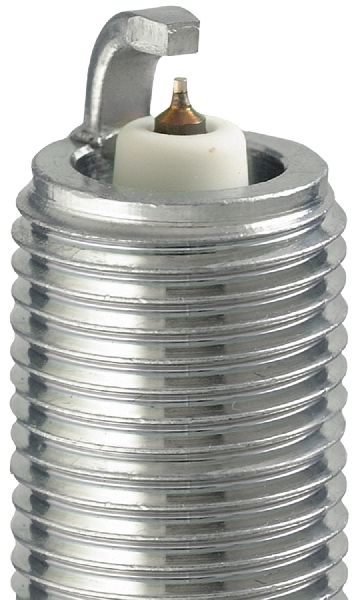
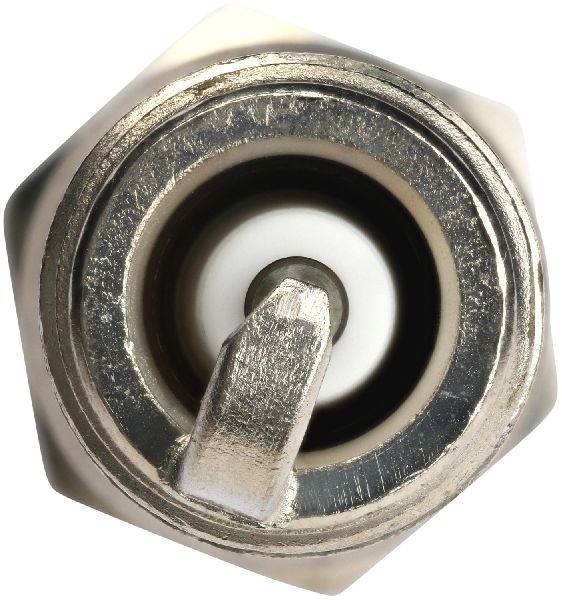
(OEM #ACDelco 41-123 (Iridium))— Spark plugs are a primary wear item and the most frequent cause of misfires. The labor to access the rear bank makes it critical to replace them all at once.
Trusted brands: ACDelco, NGK - Ignition Coils (1 to 6)
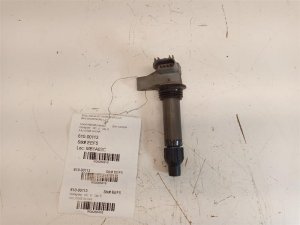
(OEM #ACDelco D515C)— Coils are a common failure point due to heat. It's wise to replace them with the spark plugs, especially if they are original and high-mileage.
Trusted brands: ACDelco, Delphi, NGK - Upper and Lower Intake Manifold Gaskets — These must be replaced whenever the intake manifold is removed for spark plug or coil service to prevent vacuum leaks.
Trusted brands: Fel-Pro, ACDelco
Related Codes That Often Appear With This One
- P0301-P0306 — These codes specify which cylinder is misfiring (e.g., P0301 for Cylinder 1). They often appear with P0300 to help pinpoint the source of the misfire before it becomes completely random.
- P0171, P0174 — These 'System Too Lean' codes indicate the engine is getting too much unmetered air. This is often caused by a vacuum leak from a bad intake gasket or hose, which is also a primary cause of P0300.
- P050D — This code for 'Cold Start Rough Idle' is often seen in conjunction with P0300, particularly when the cause is related to carbon buildup or the rare internal coolant leak described in TSB 18-NA-115.
Technical Service Bulletins (TSBs) & Recalls
- 18-NA-115 — Cold Start Misfire and/or Rough Idle – DTC P0300 May Be Set — This bulletin addresses a rare but severe issue of engine block porosity, which can cause a pinhole coolant leak into a cylinder. The primary symptom is a misfire on a cold start that resolves after the engine warms up. Diagnosis requires adding UV dye to the coolant, running the engine to temperature, letting it cold soak, and inspecting the cylinder with a borescope for traces of dye. If this condition is confirmed, the official GM repair is a complete engine assembly replacement.
- PIP5628G — Misfire and DTC Codes P0300 - P0308 and/or P050D — A preliminary information bulletin instructing technicians on what data to collect and provide to the Technical Assistance Center (TAC) when diagnosing persistent misfires. This suggests the complexity of diagnosing P0300 on these engines.
- 17-NA-176 (mentioned in TechLink) — Fuel Trim System Lean (P0171/P0174) May Be Set — A GM TechLink article references a bulletin for lean conditions on the 3.6L V6 engines (LLT, LFY, LFX). It points to a possible vacuum leak at the intake manifold, which is a common cause for a P0300 code as unmetered air disrupts the air-fuel ratio. This corroborates vacuum leaks as a notable cause.
Platform-Specific Known Issues
- A user on a GM forum with a 2012 Enclave experienced P0300 with a strong fuel smell and loss of power intermittently, even after replacing spark plugs and the throttle body, highlighting how the issue can persist if the root cause isn't found.
- On a related GMC Acadia, an intermittent misfire on one entire bank of cylinders was traced to a single loose 8mm ground bolt for the ignition coils, a simple but easily missed failure point.
- A Chevrolet Traverse owner found their P0300 was caused by a combination of three common problems at once: worn spark plugs, carbon-caked intake valves, and a faulty EVAP purge valve that was fouling the new plugs.
Mechanic-Grade Diagnostic Values
- High-Pressure Fuel System Pressure — expected: Varies significantly with engine load, but should be able to reach over 1,500 PSI. At idle, it may be in the 300-500 PSI range.. Failure: A code P0087 (Fuel Rail/System Pressure - Too Low) will set if the pump cannot meet the pressure commanded by the ECM. Inability to build pressure quickly on startup causes long crank times.
- Short-Term and Long-Term Fuel Trims — expected: Ideally between -10% and +10% at idle.. Failure: Consistently high positive values (>10%) suggest a vacuum leak, as the ECM is adding fuel to compensate for unmetered air. High negative values (<-10%) suggest a rich condition, possibly from a leaking injector or faulty EVAP purge valve.
- Spark Plug Gap — expected: Approximately 0.040 inches for the 3.6L V6 (LFY/LFX), but always verify for the specific plug. For ACDelco 41-123, the gap is typically pre-set.. Failure: An incorrect or overly wide gap from wear can cause weak spark and misfires under load.
Hidden / Shadow Codes Worth Checking
- Misfire History Counters: While not a 'code', professional scan tools like the GM GDS2 can display historical misfire data that may not be visible on standard OBD-II readers. This data shows which cylinders have misfired most often over previous drive cycles, even if they didn't trigger a specific P030x code. (see via GM GDS2 (Global Diagnostic System 2) or high-end professional scan tools with manufacturer-specific data PIDs.)
Scan Tool Commands That Help
- GM GDS2 / Tech2Win: Crankshaft Position System Variation Learn — This procedure must be performed after replacing the crankshaft position sensor, ECM, or performing major engine work (like a timing chain replacement). It synchronizes the sensor with the actual position of the crankshaft reluctor wheel. Failure to perform this can cause the ECM to incorrectly detect misfires and set a P0300.
- GM GDS2 / High-End Scan Tool: Injector Balance Test / Power Balance — This function allows a technician to disable one cylinder at a time and observe the corresponding drop in RPM. A cylinder with a clogged injector or low compression will show a smaller RPM drop than a healthy cylinder, helping to isolate a problem that isn't related to the ignition coil or spark plug.
Wiring & Ground Locations
- G105 and G110 — These are primary engine grounds, typically located on the engine block or cylinder head near the front of the engine compartment.. The ECM, ignition coils, and various sensors rely on these grounds for a clean signal and proper operation. A loose or corroded ground at G105 or G110 can introduce electrical noise, causing erratic sensor readings and phantom misfires that are difficult to diagnose.
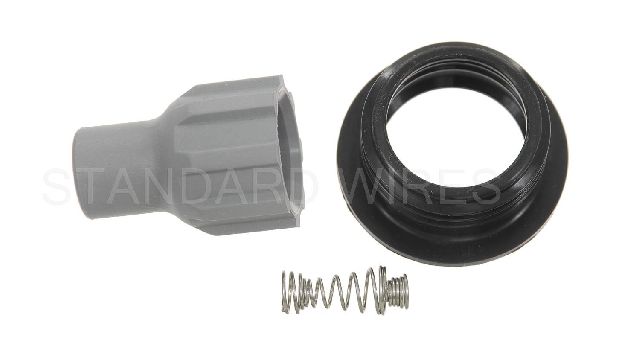
- Ignition Coil Connector — Directly on top of each ignition coil.. The 4-wire connector provides power, ground, and a control signal from the ECM. The plastic locking tabs can become brittle with heat and break during service. A poor connection here will cause a misfire on that specific cylinder. The wires are: Ignition Voltage, Control, Reference Low, and Ground.
- ECM (Engine Control Module) Connectors — Located in the engine compartment, often near the front of the motor or firewall.. All ignition coil and fuel injector commands originate here. Corrosion or backed-out pins in the main ECM harness connectors can cause random misfires across multiple cylinders. A full pin-out diagram is needed for detailed circuit testing.
Real Owner Repair Stories
- GM Forum user (2012 Buick Enclave) — P0300 code, loss of power, white smoke from exhaust, and strong fuel smell. The issue was intermittent.
❌ Tried (didn't work) Replaced spark plugs., Replaced throttle body.
✅ What actually fixed it The user's symptoms (especially intermittent nature after shutdown and restart) strongly pointed towards a fuel delivery issue causing the misfires, rather than the ignition components that were replaced. The final fix was not posted, but diagnosis was trending towards a failing fuel pump or clogged injectors. - ScannerDanner Forum user (2009 Buick Enclave, 70,000 miles) — P0300, P0301, P0302, P0303, P0304, P0305, P0306 (misfire on all cylinders). Misfires occurred under light load at 1500 RPM after the engine was warm.
❌ Tried (didn't work) New ACDelco spark plugs were installed 5,000 miles prior.
✅ What actually fixed it The consensus from professional technicians in the forum was that these specific symptoms at 70k miles were classic signs of heavy carbon buildup on the intake valves, a known issue for GM's direct injection 3.6L engines. The recommended fix was a chemical induction cleaning service (e.g., BG GDI Intake Valve Cleaner) or manual walnut blasting.
OEM Part Supersession History
ACDelco 41-123→ACDelco 41-156 (or other application-specific numbers)— GM periodically updates spark plug designs for improved durability, performance, or to accommodate minor engine production changes.
Heads up: While the new part number is the correct replacement, owners have noted slight physical differences in length. However, it is the correct, updated part and will not cause mechanical interference. Using the old stock (41-123) is fine, but the superseded part is the current OEM recommendation.
Model Year Variations Within This Range
- 2018-2023 (LFY Engine): These models feature an engine Stop/Start system. While not a direct cause of P0300, the increased number of start cycles can place additional stress on the battery and starting system. A weak battery can cause slow cranking, which the ECM can sometimes misinterpret as a misfire during startup, potentially triggering a false P0300.
- 2018-2023 (LFY Engine): The LFY engine is paired with a 9-speed automatic transmission (9T65), whereas the earlier LFX used a 6-speed. This does not directly cause P0300 but changes the driving characteristics and load profiles the engine experiences.
Helpful Videos
Used OEM Parts in Stock


New Aftermarket Parts Available

The information in this article is provided for general reference and educational purposes only. Vehicle specifications, procedures, and part compatibility can vary by production date, trim level, and region. Always consult your vehicle's factory service manual and verify part numbers before purchasing or performing repairs. Safety-critical components such as airbags, seat belts, and braking systems should be installed by a qualified professional.
- Buick ENCLAVE:
- 🎬 Helpful Videos
- 🛍️ Shop This Part
- What's Unique About the 2016-2023 Buick ENCLAVE
- Diagnostic Flowchart
- Symptoms You May Notice
- Most Likely Causes
- Rare But Worth Checking
- Diagnosis Steps
- Parts You'll Likely Need
- Related Codes That Often Appear With This One
- Technical Service Bulletins (TSBs) & Recalls
- Platform-Specific Known Issues
- Mechanic-Grade Diagnostic Values
- Hidden / Shadow Codes Worth Checking
- Scan Tool Commands That Help
- Wiring & Ground Locations
- Real Owner Repair Stories
- OEM Part Supersession History
- Model Year Variations Within This Range
- 🎟️ Get 5% Off