

P0299 on 2014-2020 Ram 3500 6.7L Cummins: Turbo Underboost Causes & Fixes
On a 2014-2020 Ram 3500 with the 6.7L Cummins, P0299 is most often caused by a restricted, collapsed, or incorrect aftermarket air filter. Before attempting expensive repairs, replace the air filter with a genuine Mopar/OEM part. This is a very cheap and easy fix that resolves the code in a high percentage of cases, especially when the code sets under light throttle or after a recent service.
- Always start your diagnosis by replacing the engine air filter with a genuine Mopar/OEM part. This is the most common, cheapest, and easiest fix.
- Do not immediately assume the expensive turbocharger has failed. Boost leaks from cracked hoses and failure of the separately-replaceable turbo actuator are far more likely causes after the air filter is ruled out.
- Avoid using oiled or cheap aftermarket air filters. Their design is known to disrupt airflow and falsely trigger the P0299 code on this specific engine.
- A boost leak (smoke) test is the most effective way to find cracks in the charge air cooler hoses or intercooler.
- Check with a dealer for any available PCM software updates for your VIN, as revised software can fix overly sensitive underboost detection.
What's Unique About the 2014-2020 Ram 3500

The 6.7L Cummins engine in this generation of Ram trucks is exceptionally sensitive to airflow characteristics. Multiple Technical Service Bulletins (TSBs) link the P0299 code directly to the use of incorrect or aftermarket air filters. Unlike many other vehicles where P0299 points to a major mechanical fault, the diagnostic process on this platform must begin with the air filter. The issue is often not a boost leak, but airflow turbulence from a non-OEM filter design (e.g., heavy glue beads, lack of metal support mesh) that confuses the engine's sensors, frequently triggering the code under light throttle.
Diagnostic Flowchart

Tap your situation to follow the diagnostic path that matches what you're seeing on this vehicle.
Generation note: This range covers the fourth generation (2014-2018) and the fifth generation (2019-2020) Ram 3500. While many causes are the same, TSB #9100678 provides a special service procedure for P0299 on 2019 and newer models related to air filters, highlighting a specific sensitivity in the newer generation. TSB #18-066-23 also points to a PCM software update for 2019 models to fix false P0299 codes. OEM air filter part numbers also differ between these generations.
Symptoms You May Notice
- Significant loss of engine power and acceleration
- Check Engine Light (MIL) illuminated
- Poor fuel economy
- Exhaust brake may not function correctly or at all
- Hissing or whistling sounds from the engine bay (if a boost leak is present)
- In some cases, the truck may enter a 'limp mode' with severely restricted power
- Excessive black smoke from the exhaust
- Replacing the entire turbocharger when only the less expensive electronic actuator has failed.
- Replacing turbo components when the root cause is a simple, inexpensive, but restrictive aftermarket air filter.
Most Likely Causes

- Incorrect, Clogged, or Aftermarket Air Filter 🔴 High Probability The engine management system is extremely sensitive to airflow. TSBs #09-003-26 and #9100678 directly link P0299 to air filter issues. Aftermarket filters, especially those with heavy glue beads, no metal support mesh, or oiled designs, can collapse or create turbulence, triggering the code. This is the most widely reported fix in owner forums.
How to confirm: Inspect the air filter. If it is dirty, wet, or not a genuine Mopar/OEM part (or Fleetguard), it is the most likely cause. Many owners on forums like RamForum.com and Turbo Diesel Register report fixing the code simply by swapping a clean-looking aftermarket filter for a new OEM one.
Typical fix: Replace the air filter with a new, genuine OEM Mopar filter. Use part #53034051AB for 2014-2018 models and #68436631AA or #68645327AA for 2019-2020 models. This simple fix resolves the code in a high percentage of cases.
Est. part cost: $30-$70 - Boost Leak (Cracked Hose, Loose Clamp, Intercooler) 🟡 Medium Probability The charge air cooler (CAC) hoses and their plastic/rubber components are subjected to high heat and pressure cycles, causing them to crack, split, or loosen over time. The hot-side hose from the turbo to the intercooler is a common failure point.
How to confirm: Visually inspect all hoses and clamps between the turbo and the intake manifold for cracks, splits, or oil residue (which indicates a leak). A user on RamForum.com found their issue was a simple loose hose clamp. The most reliable method is to perform a smoke test on the charge air system to pinpoint the exact location of the leak.
Typical fix: Replace the cracked hose/boot or tighten the loose clamp. A Reddit user's fix involved replacing a CAC hose which had a hole. The hot-side CAC hose for 2013-2018 models is Mopar #52014734AC.
Est. part cost: $50-$250 for a hose kit - Failing VGT Turbocharger Actuator 🟡 Medium Probability The electronic actuator on the Holset VGT turbo (HE300VG/HE351VE) is a well-documented common failure point due to extreme heat and soot buildup causing internal components to fail. This prevents the turbo vanes from adjusting correctly to meet the commanded boost level.
How to confirm: Use a capable scan tool (like AlfaOBD or wiTECH) to command the actuator through its full range of motion and check for smooth operation. A key symptom is the loss of exhaust brake function. Specific fault codes for the actuator, like U010C, P00AF, or P003A, may also be present.
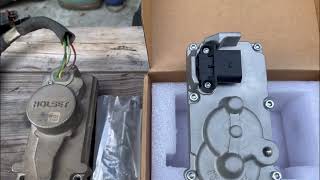
Typical fix: Replace the turbo actuator. This part can often be replaced without replacing the entire turbocharger assembly. A new actuator (e.g., Holset #5579127H for 2013+ HE300VG) must be calibrated using a compatible scan tool before starting the engine. 🎬 Watch: How to calibrate a new actuator using AlfaOBD
Est. part cost: $400-$800 - Sticking VGT Nozzle Ring/Vanes ⚪ Low Probability The 6.7L Cummins produces significant soot, which can build up inside the turbo's exhaust housing and cause the variable geometry vanes to stick. This prevents the turbo from adjusting its geometry to control boost pressure effectively.
How to confirm: With the actuator removed, manually move the sector gear on the turbocharger. It should move freely with light finger pressure. If it is stiff, stuck, or gritty, the turbo vanes are binding due to soot.
Typical fix: In some cases, the turbo can be removed, disassembled, and cleaned, but this is labor-intensive. If cleaning fails or the mechanism is damaged, replacement of the turbocharger assembly is required.
Est. part cost: $1500-$3500 for a new or remanufactured turbo
Rare But Worth Checking
- Dirty or Faulty MAP Sensor: The Manifold Absolute Pressure (MAP) sensor can get clogged with soot from the EGR system or damaged by moisture (e.g., after pressure washing the engine bay), causing it to send incorrect boost readings to the PCM. Cleaning the sensor with electrical parts cleaner is a valid first step before replacement.
- PCM Software Update Needed: In some cases, particularly on 2019 models, the P0299 code can be triggered by overly sensitive software logic. A PCM software update (reflash) from a Ram dealer may resolve the issue, as referenced in TSB #18-066-23.
- Exhaust Leak: A leak in the exhaust manifold or piping before the turbocharger can reduce the exhaust energy available to spin the turbine, resulting in an underboost condition. This will not be found with a charge air system smoke test.
Diagnosis Steps
- Check for other diagnostic trouble codes that could point to a root cause (e.g., actuator codes like P00AF, DPF codes like P2463).
- CRITICAL: Inspect the engine air filter. If it is dirty, clogged, or an aftermarket brand (especially one with thick glue seams or no metal mesh), replace it with a genuine Mopar/OEM filter. Clear codes and test drive. This is the most common fix.
- Check with a Ram dealership or use a professional scan tool to see if any PCM software updates are available for your vehicle's VIN, as a reflash can correct false P0299 codes per TSB #18-066-23.
- Visually inspect all charge air cooler (CAC) hoses, pipes, and clamps from the turbocharger to the intake manifold. Look for obvious cracks, loose connections, or oil residue indicating a leak. Pay close attention to the hot-side hose.
- If no visual leaks are found, perform a boost leak test (smoke test) on the charge air system to find hidden leaks in hoses or the intercooler itself.
- Inspect the Manifold Absolute Pressure (MAP) sensor. Remove it (typically held by one T15/T20 Torx screw) and check if it is clogged with soot. Clean gently with electrical parts cleaner if needed.
- Using a high-quality bidirectional scan tool, command the VGT turbo actuator through its sweep test to verify it moves smoothly and without binding. Check for actuator-specific codes.
- If the actuator tests good but vanes are suspected of sticking, remove the actuator and manually move the linkage on the turbo. It should move freely with minimal force. If it's stuck, the turbo requires cleaning or replacement.
Parts You'll Likely Need

- Engine Air Filter
(OEM #53034051AB (2014-2018), 68436631AA / 68645327AA (2019-2020)) - VGT Turbocharger Actuator
(OEM #68445522AA (Mopar), 5579127H (Holset for HE300VG 2013+)) - Charge Air Cooler (CAC) Hose
(OEM #52014734AC (Hot-side, 2013-2018)) - Manifold Absolute Pressure (MAP) Sensor
Related Codes That Often Appear With This One
- P00AF / P003A — These codes directly relate to the VGT turbocharger actuator performance and learning limits. Their presence strongly suggests the actuator itself is the root cause of the P0299 underboost condition.
- P242F / P2463 — These codes indicate a Diesel Particulate Filter (DPF) restriction. An underboost condition from P0299 leads to poor combustion and excessive soot, which can clog the DPF and trigger these codes.
- P0401 — An EGR Insufficient Flow code can sometimes appear with P0299. A boost leak can alter pressure readings and trigger both codes, or a clogged EGR system can impact overall engine breathing and turbo performance.
- U010C — This code means 'Lost Communication with Turbocharger Control Module.' It points directly to an electrical failure of the VGT actuator or its wiring, which will cause a P0299 code.
Technical Service Bulletins (TSBs) & Recalls
- Directly links P0299 to the use of incorrect or aftermarket air filters, requiring an Air Handling Performance Test.
- Provides a special service procedure for P0299 on 2019+ models, specifically mentioning issues with previously used 'oiled' filter types.
- A PCM software update for 2019 models that explicitly lists P0299 as a DTC the reflash is designed to correct, often due to overly sensitive logic.
- Provides detailed diagnostic steps, emphasizing checking for air filters with glue strips and inspecting for a specific CAC boot that can be rubbed through by a wiring harness.
- Supersedes a previous TSB and involves a PCM flash to address P0299 among other codes on 2019 models.
Platform-Specific Known Issues
- Air Filter Design is Critical: Multiple owners on forums like RamForum.com and Reddit confirm that aftermarket air filters, especially those with thick glue beads, no metal support mesh, or oiled designs, can cause airflow turbulence. This turbulence is misinterpreted by the truck's sensors, triggering P0299 under light throttle, even with no actual boost leak. One owner on Turbo Diesel Register noted that even a high-quality AFE filter caused the code on his new 2019 truck, which was resolved by reinstalling the OEM paper filter.
- Pressure Washing Engine Bay: An owner on RamForum.com reported that the P0299 code appeared consistently after pressure washing the engine bay. This suggests that moisture getting into the MAP sensor or its connector can cause faulty readings and trigger the underboost code.
- Boost Leak Leading to EGR Issues: In a Reddit thread, an owner shared their final diagnosis: 'It was a hole in the CAC hose, and the airflow / dirty air messed up the EGR. Has been good since getting the hose and EGR replaced.' This highlights how a simple boost leak can have cascading effects on other emissions components.
Mechanic-Grade Diagnostic Values
- P0299 Trigger Condition Threshold (Example from Ford) — expected: Actual throttle intake pressure (TIP) should be within 4 PSI of the desired pressure.. Failure: Code P0299 may be set if the actual pressure is 4 PSI or more below the desired level for at least 5 seconds.
Hidden / Shadow Codes Worth Checking
- P2509 - PCM Power Input Signal Intermittent: This code indicates a loss of power to the powertrain control module. A technician noted that this can appear as a 'hidden' or older code in the freeze frame data alongside a newer P0299. Its presence might suggest an underlying electrical issue or that someone attempted to clear codes by disconnecting the battery, which can be useful diagnostic context. (see via A capable scan tool that can display historical codes and detailed freeze frame data.)
Scan Tool Commands That Help
- wiTECH (Dealer Tool), AlfaOBD, or dedicated calibrator: VGT Turbocharger Actuator Calibration / Pre-alignment and Self-Calibrate — This procedure is mandatory any time the VGT actuator is replaced or removed from the turbocharger. The process first cycles the uninstalled actuator to learn its mechanical limits, then it is installed on the turbo and the routine is run again to pair the actuator's electronic positions with the turbo's physical vane stops. Failure to perform this calibration will result in a check engine light and improper turbo/exhaust brake function.
Wiring & Ground Locations
- VGT Turbo Actuator Connector — Accessible through the front passenger wheel well after removing the inner fender liner. The connector is typically gray with a red locking tab and is located near the oil filter housing.. This is the primary electrical connection for the actuator. A poor connection here can cause communication loss (U010C) and lead to P0299. Knowing its location is critical for testing, diagnosis, and replacement of the actuator.
Real Owner Repair Stories
- YouTube channel 'Red Jeep Club' (2021 Ram 2500 6.7L Cummins with 30,500 miles) — Check engine light with P0299 Turbo Underboost code.
❌ Tried (didn't work) Owner checked everything they could and read forums before taking it to the dealer.
✅ What actually fixed it The dealer performed a software update and, crucially, replaced the owner's aftermarket air filter with a factory Mopar air filter. The combination of these two actions resolved the P0299 code. - Turbo Diesel Register Forum (2015 Ram 6.7L Cummins with 360,000 miles) — Low boost (maxing out at ~18 PSI) and little to no exhaust brake function.
❌ Tried (didn't work) Owner had previously replaced the turbo and actuator with aftermarket units. A visual inspection for boost leaks revealed nothing.
✅ What actually fixed it The story is a diagnostic-in-progress, but the key finding was using AlfaOBD to monitor live data. The owner could see the 'Commanded Actuator Position' vs. the 'Actual Actuator Position,' which is the next step in diagnosing if the aftermarket actuator or its calibration is the root cause.
"I Checked Everything" — The Actual Cause
- A common scenario for P0299 is when a smoke test of the charge air system passes with no leaks found. The root cause in these cases is often not a leak of pressurized air, but an issue elsewhere. Two primary examples are: 1) A restrictive or incorrect engine air filter, which limits air *entering* the turbo. 2) A cracked exhaust manifold or exhaust leak *before* the turbine, which allows drive pressure to escape before it can spin the turbo to create boost. Neither of these issues would be detected by a standard boost leak test on the intake side.
OEM Part Supersession History
Varies (older designs)→Holset 4034309H / Mopar 68445522AA (for 2013-2018 HE300VG)— Design updates and revisions to the VGT actuator.
Heads up: Some newer style actuators require an adapter harness to be fitted to older trucks (e.g., 2007.5-2012 models), indicating significant connector changes over the years.Unknown→68436631AA / 68645327AA (for 2019+ Air Filter)— Engine redesign for the 2019 model year required a new air filter design.
Heads up: BEWARE: Part number 68436631AA is frequently misidentified as a FUEL filter by many online parts stores, creating significant confusion. For a P0299 code, you are looking for the ENGINE AIR FILTER. Double-check the part description and application before purchasing.
Model Year Variations Within This Range
- 2019-2020: The 6.7L Cummins engine was significantly redesigned for the 2019 model year. Changes include a compacted graphite iron (CGI) block, a new larger Holset variable-geometry turbo, hydraulic lifters, and different internal components. This new design is more sensitive to airflow, which is why TSBs call out specific air filter-related procedures for 2019+ trucks and why using the correct OEM air filter is critical.
- 2014-2020: The 6.7L Cummins was available in a Standard Output (SO) and High Output (HO) version. The HO version, exclusive to the 3500 with the Aisin transmission, produced more torque (e.g., 1,000 lb-ft in 2019) than the SO version paired with the 68RFE transmission. While core P0299 causes are similar, the specific turbo and engine tuning differ.
Helpful Videos
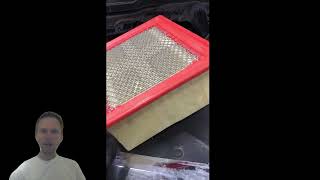
Used OEM Parts in Stock

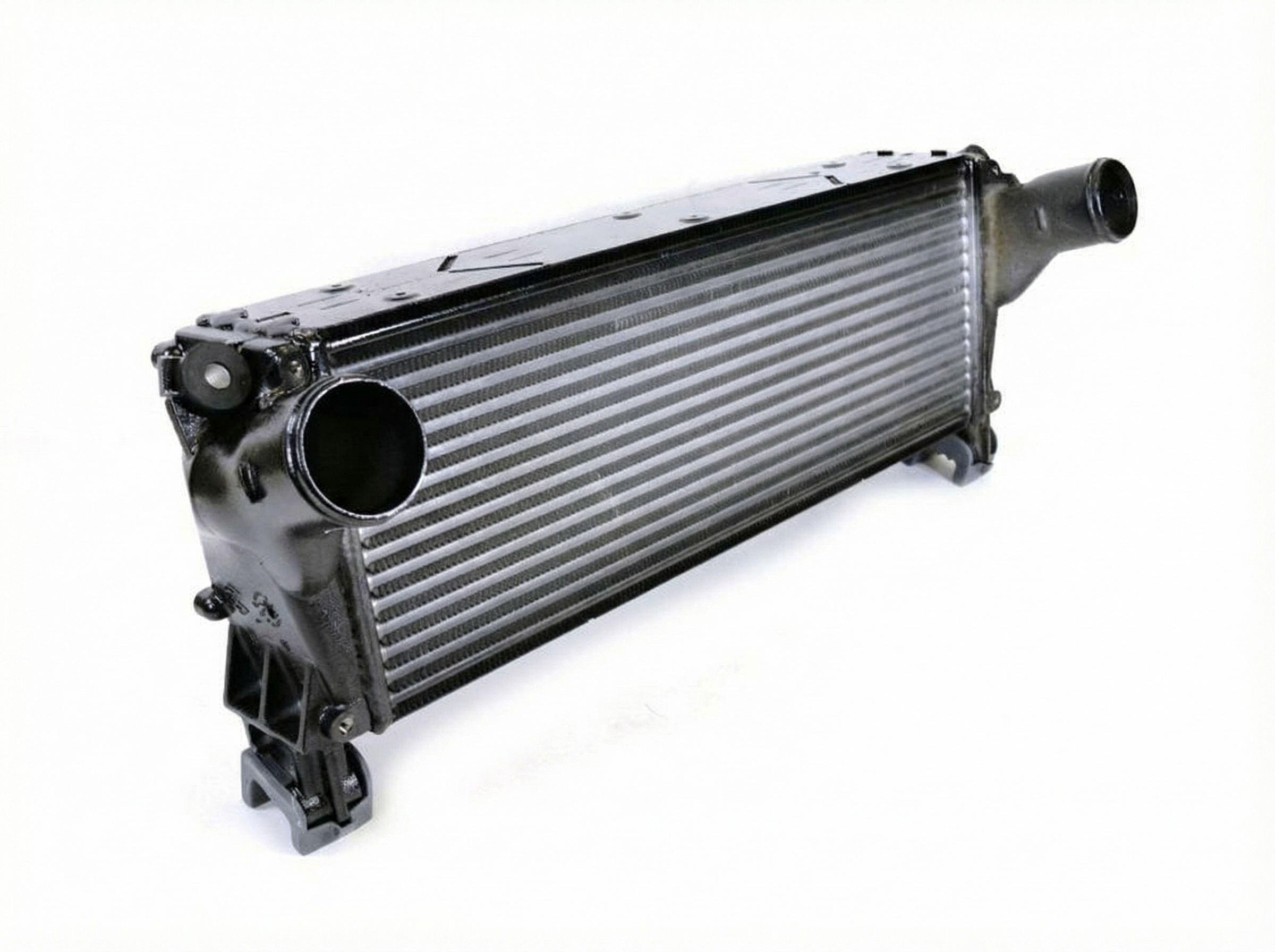
New Aftermarket Parts Available





The information in this article is provided for general reference and educational purposes only. Vehicle specifications, procedures, and part compatibility can vary by production date, trim level, and region. Always consult your vehicle's factory service manual and verify part numbers before purchasing or performing repairs. Safety-critical components such as airbags, seat belts, and braking systems should be installed by a qualified professional.
- Ram 3500:
- 🎬 Helpful Videos
- 🛍️ Shop This Part
- What's Unique About the 2014-2020 Ram 3500
- Diagnostic Flowchart
- Symptoms You May Notice
- Most Likely Causes
- Rare But Worth Checking
- Diagnosis Steps
- Parts You'll Likely Need
- Related Codes That Often Appear With This One
- Technical Service Bulletins (TSBs) & Recalls
- Platform-Specific Known Issues
- Mechanic-Grade Diagnostic Values
- Hidden / Shadow Codes Worth Checking
- Scan Tool Commands That Help
- Wiring & Ground Locations
- Real Owner Repair Stories
- "I Checked Everything" — The Actual Cause
- OEM Part Supersession History
- Model Year Variations Within This Range
- 🎟️ Get 5% Off