

P0299 on 2024 Ram 2500 6.7L Cummins: Turbo Underboost Causes and Fixes
On a 2024 Ram 2500 with the 6.7L Cummins, code P0299 is most often caused by a restricted air filter (especially non-OEM brands), a boost leak from a cracked hose or loose clamp, or a failing turbocharger actuator. A thorough inspection of the entire air intake system, starting with the air filter, is the first and most critical step.
- P0299 on a 2024 Ram 2500 6.7L means the turbo is not making the commanded boost pressure.
- Before any other diagnostics, inspect the air filter. If it is not a genuine Mopar part, replace it with one. This solves the problem in a surprisingly high number of cases.
- The second most likely cause is a boost leak. Carefully inspect all hoses and clamps between the turbo and the engine intake for cracks or looseness.
- Ignoring this code will result in poor performance and can lead to very expensive damage to the DPF system.
- A faulty turbo actuator is also a common cause, but boost leaks and the air filter should be ruled out first.
What's Unique About the 2024-2024 Ram 2500

The 6.7L Cummins engine in the 2024 Ram 2500 is particularly sensitive to airflow restrictions, a fact highlighted in multiple manufacturer Technical Service Bulletins (TSBs). Many owners and technicians report that using aftermarket air filters, even those marketed as high-performance, can trigger a P0299 code. This is because the system's calibration is tightly matched to the specific airflow characteristics and structural integrity of the Mopar OEM filter, which uses metal supports to prevent collapse under high airflow. The engine also uses a sophisticated Variable Geometry Turbocharger (VGT), and its electronic actuator is a very common point of failure that can lead to underboost conditions and related codes.
Diagnostic Flowchart

Tap your situation to follow the diagnostic path that matches what you're seeing on this vehicle.
Symptoms You May Notice

- Noticeable loss of engine power and acceleration
- Check engine light is on
- Reduced fuel economy
- Hissing or whistling sound from the engine bay, especially under acceleration
- Excessive black smoke from the exhaust under load
- Exhaust brake may not function correctly or at all
- Sluggish or delayed throttle response, especially at low RPM
- Stuttering or hesitation when accelerating from a stop with light throttle
- Replacing the entire turbocharger when the fault is a simple and inexpensive boost leak from a loose clamp or torn hose.
- Replacing the turbocharger when the issue is a faulty electronic actuator, which can often be replaced separately.
- Overlooking a non-OEM or counterfeit air filter as the root cause, leading to unnecessary and expensive diagnostic time.
- Replacing the MAP sensor without first checking it for soot buildup, as cleaning it often restores function.
Most Likely Causes

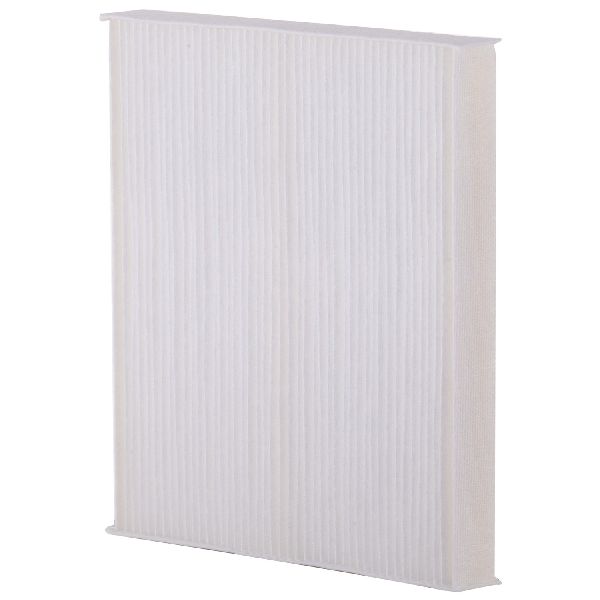
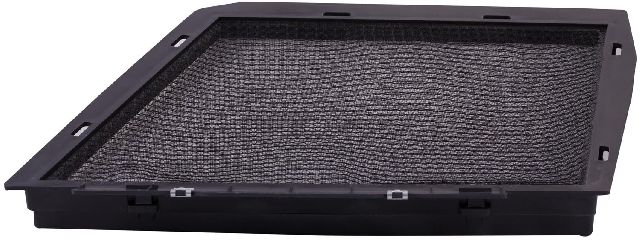
- Restricted or Incorrect Air Filter 🔴 High Probability As documented in TSBs #09-003-26 and #9100678, these engines are highly sensitive to the specific design of the air filter. Aftermarket filters, even when new, can cause airflow turbulence or restriction that triggers P0299, often under light load. Forum users consistently report that switching from an aftermarket filter (like K&N or other brands with soft pleats) to an OEM Mopar filter resolves the code.
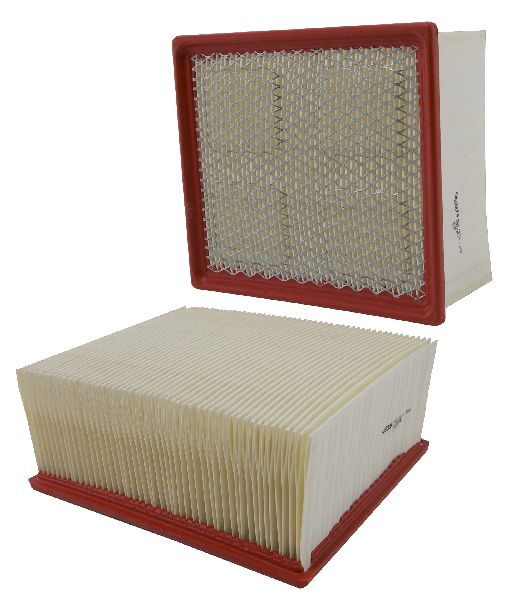
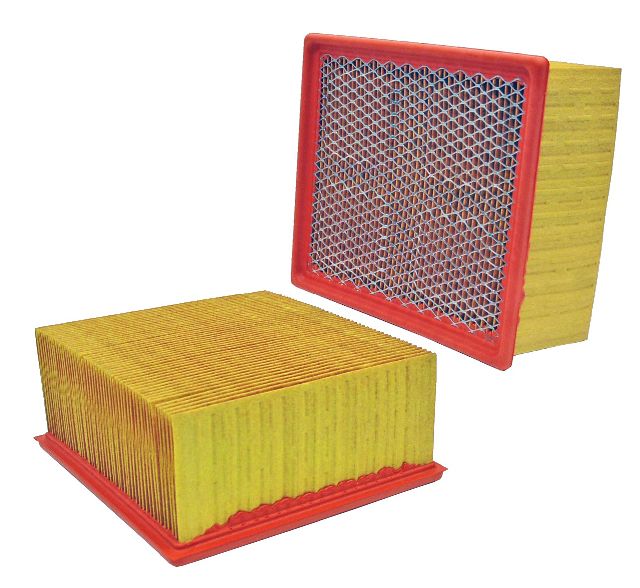
How to confirm: Inspect the air filter. If it is dirty, clogged, or a non-OEM brand, replace it with a genuine Mopar filter. Look for filters with flimsy construction, heavy glue beads, or no internal metal mesh support, as these are known to cause issues.
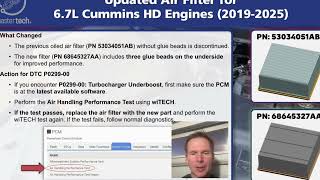
Typical fix: Replace the air filter with a Mopar OEM part. The correct part number for many 2019+ 6.7L trucks is 68517554AA (this supersedes 53034051AB for some applications, always verify with VIN).
Est. part cost: $50-$90 - Charge Air Cooler (CAC) / Boost Leaks 🔴 High Probability The charge air system operates under high pressure, causing rubber boots to crack and clamps to loosen over time. Forum users frequently report loose clamps from the factory or after service. The plastic air intake resonator between the filter box and turbo is also a known failure point that can crack and cause a massive pre-turbo leak.
How to confirm: Visually inspect all hoses, clamps, and the plastic resonator from the turbo to the intake manifold for cracks, tears, or loose connections. A common leak point is the lower clamp on the throttle body boot. Perform a boost leak test with a smoke machine or pressurized tester to find leaks that are not visible.
Typical fix: Tighten loose clamps or replace damaged hoses/boots. The Mopar inlet duct (CAC hose) part number is 68357482AB for 2019-2024 models.
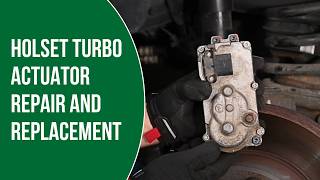
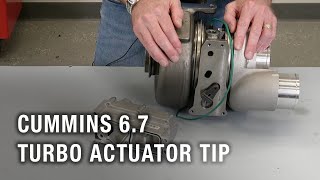
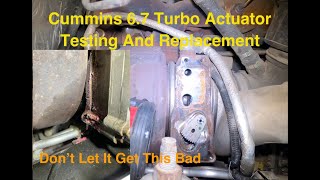
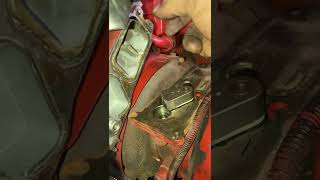
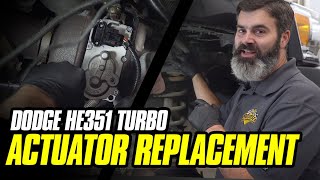
Est. part cost: $10-$375 - Faulty Turbocharger Actuator 🟡 Medium Probability The electronic actuator that controls the VGT vanes is a known high-failure item on the 6.7L Cummins across many model years. It can fail electronically or mechanically due to strain from a sooty, sticking turbo, or from internal oil contamination from a failed turbo seal.
How to confirm: Use a high-level scan tool to command the actuator through its range of motion (a VGT calibration test). If it fails to respond, binds, or has set its own specific fault codes (like P00AF, P003A, U010C), it is likely faulty.
Typical fix: Replace the turbocharger actuator. The Mopar part number for 2019-2024 models is 68444773AA. This requires a specific calibration procedure upon installation, which can be done with a capable scan tool like wiTECH or AlfaOBD.
Est. part cost: $400-$700 - Sticking VGT Vanes ⚪ Low Probability Soot and carbon buildup from the exhaust can cause the variable vanes inside the turbocharger to stick, a condition often called 'Stuck Turbo Syndrome'. This prevents the vanes from moving to the correct position to build boost. This is more common on trucks with high idle time, frequent short trips, or infrequent use of the exhaust brake.
How to confirm: This is difficult to confirm without disassembly. It's usually suspected after ruling out leaks and actuator failure. With the actuator removed, you can attempt to move the actuator arm on the turbo by hand; it should move smoothly without binding. A scan tool may show the actuator position is commanded to change, but the boost pressure doesn't respond accordingly.
Typical fix: The turbocharger must be removed and either professionally cleaned or, more commonly, replaced. Simply replacing the actuator on a sticking turbo will lead to premature failure of the new actuator.
Est. part cost: $1500-$4000
Rare But Worth Checking
- Cracked Exhaust Manifold: A crack in the exhaust manifold or a leaking gasket before the turbo allows exhaust gas to escape, reducing the energy available to spin the turbine and build boost. This is a known issue on high-mileage 6.7L trucks and can trigger P0299.
- Clogged Diesel Particulate Filter (DPF): A severely restricted DPF creates excessive exhaust backpressure, which can impede the turbocharger's ability to function correctly. This is often accompanied by other DPF-related codes like P2463.
- Faulty MAP Sensor: An inaccurate or soot-clogged Manifold Absolute Pressure (MAP) sensor can report lower-than-actual boost pressure to the ECM, falsely triggering the P0299 code. It's located on the intake horn and can be removed and inspected for blockage.
- PCM Software Glitch: In some cases, particularly on 2019+ models, a PCM software update is required to correct over-sensitive logic for the P0299 code. Owners have reported dealers performing a reflash as part of the diagnostic process.
Diagnosis Steps
- Read all fault codes stored in the ECM. Pay attention to any other codes that may be present, especially actuator-specific codes like P00AF or P003A.
- Inspect the engine air filter. Ensure it is a genuine Mopar filter (P/N 68517554AA or equivalent) and that it is clean and installed correctly.
- Perform a thorough visual inspection of the entire charge air system. Check all boots, hoses, and clamps from the turbo outlet, through the intercooler, to the intake manifold. Pay special attention to the plastic intake resonator for cracks.
- If no visual leaks are found, perform a pressurized smoke test on the charge air cooler system to identify small or hidden leaks. Pressurize the system to 20-25 PSI and listen for hissing or watch for smoke.
- Inspect the exhaust system for any signs of leaks (soot trails) between the cylinder head and the turbocharger inlet, indicating a cracked manifold or bad gasket.
- Using a capable scan tool, monitor desired vs. actual boost pressure while driving under load to confirm the underboost condition. Also monitor VGT actuator commanded vs. actual position.
- With the engine off, use the scan tool to perform a VGT actuator calibration/sweep test. Listen for smooth operation and check if it moves through its entire range without binding.
- Remove and inspect the MAP sensor on the intake horn for soot buildup. Clean carefully if necessary.
- If all other tests pass, the issue may be internal to the turbocharger (sticking vanes), which often requires turbo replacement.
Parts You'll Likely Need
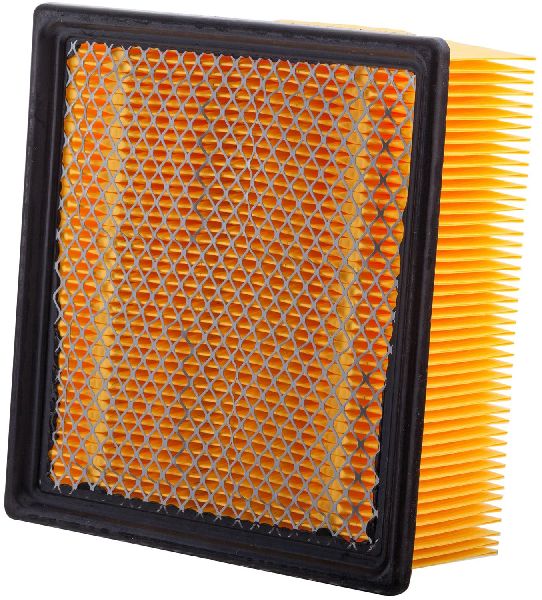
- Engine Air Filter
(OEM #68517554AA)— The 6.7L Cummins is highly sensitive to air filter design, and non-OEM or counterfeit filters are a very common cause of P0299.
Trusted brands: Mopar - Turbocharger Actuator
(OEM #68444773AA)— The electronic actuator is a common failure item and can often be replaced without replacing the entire turbocharger assembly.
Trusted brands: Mopar, Holset, Synapse Auto - Charge Air Cooler Hose (Boot)
(OEM #68357482AB)— The rubber hoses in the charge air system are under high pressure and temperature, leading to cracks and tears over time, causing boost leaks.
Trusted brands: Mopar, Mishimoto, Sinister Diesel
Related Codes That Often Appear With This One
- P0101 — Mass Air Flow Sensor "A" Circuit Performance - An air leak or restriction can cause implausible readings between the MAF sensor and MAP sensor.
- P2463 — Diesel Particulate Filter Restriction - Soot Accumulation - An underboost condition can lead to an overly rich air-fuel mixture, creating excess soot that clogs the DPF.
- P0401 — Exhaust Gas Recirculation (EGR) Flow Insufficient Detected - Boost leaks can affect the pressure differential needed for the EGR system to operate correctly.
- P00AF — Turbocharger/Supercharger Boost Control "A" Module Performance - This code often points directly to a problem with the VGT actuator's performance or learning limits, and frequently appears with P0299.
Technical Service Bulletins (TSBs) & Recalls
- 09-003-26
- 9100678
- 08-350-25
- 18-001-25 REV. A
- 18-078-15
Platform-Specific Known Issues
- TSB #09-003-26 and #9100678 specifically call out the potential for P0299 to be set due to the air filter design, particularly on 2019-2024 models.
- TSB #S2018000007 REV. B provides detailed diagnostic steps, emphasizing checking for air filters with glue strips on the pleats and inspecting for a specific CAC boot that can be rubbed through by a wiring harness.
- TSB #08-350-25 notes that P0299 can be set in conjunction with several other codes, including those for turbo overboost (P0234) and DPF restriction (P2463), indicating a complex diagnostic situation.
Hidden / Shadow Codes Worth Checking
- P2509: PCM Power Interrupted. This code can be a 'hidden' or historical code that indicates the battery was recently disconnected, possibly in an attempt to clear other fault codes. (see via A capable scan tool that can read freeze frame data and code history. The freeze frame number can indicate if this code was set before or after the P0299 code.)
Scan Tool Commands That Help
- wiTECH, AlfaOBD, or other professional scan tool: VGT Turbocharger Actuator Calibration / Installation — This is a mandatory two-step procedure required any time the VGT actuator is replaced or removed. The first step is a 'pre-calibration' with the actuator electrically connected but not physically installed on the turbo. The second step is the final calibration after it has been mounted.
- wiTECH: Reprogram PCM/ECM with latest software — If the vehicle is a 2019 or newer model, TSBs suggest that updated software may be available to correct overly sensitive logic that can falsely trigger P0299 and other codes. This should be checked by a dealer.
- wiTECH: Air Filter Restriction Test — According to service information, a specific diagnostic routine has been added to the factory scan tool to help technicians quickly check for a restriction in the air filter when diagnosing underboost codes.
Wiring & Ground Locations
- Turbo Actuator Connector — The 4-pin black connector on the VGT actuator itself, located on the side of the turbocharger.. This connector and its wiring are exposed to significant heat and vibration, making it a potential point of failure for communication and power to the actuator. A bad connection here can cause P0299 and actuator-specific codes like U010C.
Real Owner Repair Stories
- YouTube user 'RedJeepClub' (2021 Ram 2500 6.7L Cummins with 30,500 miles) — Check engine light with code P0299 (Turbo Underboost).
❌ Tried (didn't work) The owner was skeptical that the air filter was the cause.
✅ What actually fixed it The dealership performed a software update that took several hours and replaced the aftermarket air filter with a genuine Mopar factory air filter. The code did not return after two weeks and 200 miles of driving. - Ram Heavy Duty Forum user 'matthew9848' (2019 Ram 2500 Bighorn with 21,000+ miles) — Recurring P0299 code, fuel mileage drop, and some power loss.
❌ Tried (didn't work) PCM reflashed twice by the dealership., Verified all parts on the truck were Mopar, including the air filter.
✅ What actually fixed it A dealership pressure test found an air leak between the aftermarket Banks Monster-Ram intake horn and the EGR valve. The issue was not resolved in the thread, but the diagnosis pointed to a boost leak at an aftermarket part interface.
"I Checked Everything" — The Actual Cause
- A common scenario where boost leak tests pass is when the P0299 code is caused by a poorly designed or restrictive aftermarket air filter. The engine's computer is highly sensitive to airflow turbulence, which can be misinterpreted as an underboost condition even with no physical leaks in the charge air piping.
OEM Part Supersession History
53034051AB→68517554AA— The design was updated. The newer 68517554AA filter has a different pleat count and glue pattern, believed to be related to resolving issues with setting engine codes on newer trucks.
Heads up: While the older 53034051AB filter may physically fit, using it on 2019+ trucks is known to contribute to P0299 codes. The updated 68517554AA is the correct part for these model years.
Helpful Videos
Used OEM Parts in Stock
New Aftermarket Parts Available

The information in this article is provided for general reference and educational purposes only. Vehicle specifications, procedures, and part compatibility can vary by production date, trim level, and region. Always consult your vehicle's factory service manual and verify part numbers before purchasing or performing repairs. Safety-critical components such as airbags, seat belts, and braking systems should be installed by a qualified professional.
- Ram 2500:
- 🎬 Helpful Videos
- 🛍️ Shop This Part
- What's Unique About the 2024-2024 Ram 2500
- Diagnostic Flowchart
- Symptoms You May Notice
- Most Likely Causes
- Rare But Worth Checking
- Diagnosis Steps
- Parts You'll Likely Need
- Related Codes That Often Appear With This One
- Technical Service Bulletins (TSBs) & Recalls
- Platform-Specific Known Issues
- Hidden / Shadow Codes Worth Checking
- Scan Tool Commands That Help
- Wiring & Ground Locations
- Real Owner Repair Stories
- "I Checked Everything" — The Actual Cause
- OEM Part Supersession History
- 🎟️ Get 5% Off