

P0299 on 2017-2018 Jaguar F-PACE: Turbo/Supercharger Underboost Causes and Fixes
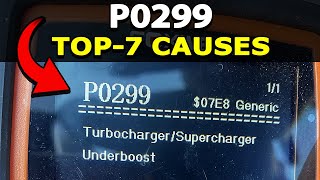
On a 2017-2018 Jaguar F-PACE, code P0299 is most often caused by a cracked plastic air intake pipe, resonator, or a split intercooler hose. These components are known to become brittle from engine heat. A visual inspection and smoke test to find the air leak is the first diagnostic step. Replacing the cracked pipe or hose is the most common fix.
- P0299 on a 2017-2018 F-PACE almost always points to an air leak in the intake system.
- Before considering expensive parts like a new turbo, perform a thorough visual inspection and a smoke test to find leaks.
- The plastic intake pipes are a known weak point and are the most likely source of the leak.
- Symptoms include a 'Restricted Performance' warning and a major loss of power.
- This is a moderately difficult DIY repair if the leak is obvious, but may require a professional if a smoke test is needed.
What's Unique About the 2017-2018 Jaguar F-PACE

Jaguar Land Rover vehicles from this era, including the F-PACE and its platform mates like the Range Rover Velar and Jaguar XE/XF, are known for using plastic components in the intake and cooling systems that become brittle over time due to repeated exposure to engine heat. This frequently leads to cracks in the air intake tubes, resonators, or intercooler piping, creating a boost leak that is the most common cause of P0299 on this specific platform. The plastic intake manifold on the 2.0L petrol engine is also known to develop hairline cracks along its factory seams. While other causes are possible, a leak in the charge air system is the prime suspect.
Diagnostic Flowchart

Tap your situation to follow the diagnostic path that matches what you're seeing on this vehicle.
Symptoms You May Notice

- Check Engine Light illuminated
- "Restricted Performance" message on the dashboard
- Significant loss of engine power and sluggish, juddery acceleration
- Limp mode activation, sometimes limiting RPMs to around 3,000
- Whistling, hissing, or sucking noise from the engine bay, especially under acceleration
- For diesel models, black smoke from the exhaust under high revs
- Reduced fuel economy
- Rough or erratic idle
- Replacing the turbocharger without first performing a thorough smoke test. The issue is far more likely to be a simple and inexpensive boost leak from a cracked plastic pipe or hose than a complete turbo failure.
Most Likely Causes

- Cracked or Loose Intake/Charge Hoses 🔴 High Probability The plastic air intake pipes and resonators used on the 2.0L and 3.0L engines are notorious for becoming brittle from engine heat cycles and cracking, especially at the seams. This is the most widely reported cause for P0299 and related lean codes (P0171/P0174). Intercooler hoses can also split or loosen.
How to confirm: Perform a thorough visual inspection of all air intake and intercooler piping from the air filters to the throttle body. Look for obvious cracks, crumbling plastic, or splits, particularly around seams and connection points. A smoke test is the most effective method to pinpoint leaks that are not visible.
Typical fix: Replace the cracked or damaged hose/pipe assembly. In some cases, the issue is simply a loose clamp that needs tightening. For the 3.0L V6, aftermarket aluminum intake pipes are available as a permanent upgrade over the failure-prone plastic.
Est. part cost: $100-$500 - Cracked Intake Manifold (2.0L Petrol Engine) 🟡 Medium Probability The 2.0L Ingenium petrol engine uses a plastic intake manifold that is prone to developing hairline cracks along the sonic-welded seams. This allows unmetered air to enter, which can contribute to an underboost condition.
How to confirm: A hissing noise from the top of the engine is a strong indicator. A smoke test is the definitive way to confirm a leak from the manifold body or its gaskets.
Typical fix: Replace the entire intake manifold assembly. The gaskets should be replaced at the same time.
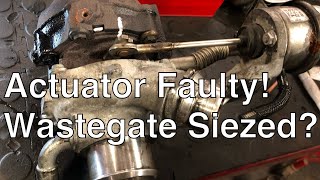
Est. part cost: $600-$1000 - Faulty Turbocharger Wastegate or Actuator (Turbo Models) 🟡 Medium Probability The wastegate actuator, which controls boost levels, can fail or get stuck open, preventing the turbo from building sufficient pressure. This can be a mechanical failure (stuck lever) or a failure of the vacuum-operated diaphragm inside the actuator.
How to confirm: With the engine off, check if the wastegate actuator arm moves freely. A handheld vacuum pump can be used to test the actuator's diaphragm; connect the pump and apply vacuum—the arm should move and the vacuum should hold steady. If it doesn't move or the vacuum bleeds off, the actuator is faulty.
Typical fix: If the actuator is faulty, it may need to be replaced. Sometimes the actuator is integrated with the turbocharger, requiring a full turbo replacement.
Est. part cost: $150-$2000 - Failed Diverter/Bypass Valve ⚪ Low Probability
How to confirm: Inspect the valve for damage. On some models, you can apply vacuum to test its operation. If the diaphragm is torn, it will not hold pressure and will leak boost. Code P2261 (Bypass Valve Stuck Open) is often seen with P0299 when this is the cause.
Typical fix: Replace the diverter valve.
Est. part cost: $70-$200 - Leaking or Damaged Intercooler ⚪ Low Probability The intercooler is located at the front of the vehicle and can be damaged by road debris. It can also develop leaks at the seams or end tanks.
How to confirm: A hissing sound under acceleration can point to an intercooler leak. A smoke test will show smoke escaping from the damaged area. When buying a used intercooler, check for any oil inside, which indicates a turbo failure on the donor car.
Typical fix: Replace the intercooler assembly. This often requires removing the front bumper cover.
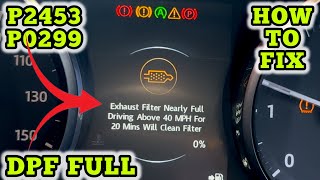
Est. part cost: $250-$800 - Blocked Diesel Particulate Filter (DPF) (Diesel Models) ⚪ Low Probability Short-trip driving cycles prevent the DPF from reaching temperatures needed for passive regeneration, leading to soot buildup.
How to confirm: Use a diagnostic scan tool to check the soot mass value in the DPF. High soot levels and excessive exhaust backpressure can restrict exhaust flow, preventing the turbo from spooling correctly. This is often accompanied by DPF-specific codes like P2453.
Typical fix: Perform a forced DPF regeneration with a scan tool or have it professionally cleaned. The underlying cause of the blockage must also be addressed.
Est. part cost: $0-$500
Rare But Worth Checking
- Worn or Damaged Turbocharger/Supercharger: While a major boost leak is more likely, it's possible for the compressor/turbine blades to be damaged or for the bearings to wear out from oil starvation, preventing the unit from spinning fast enough to create boost. This is usually a last resort after all other causes are ruled out.
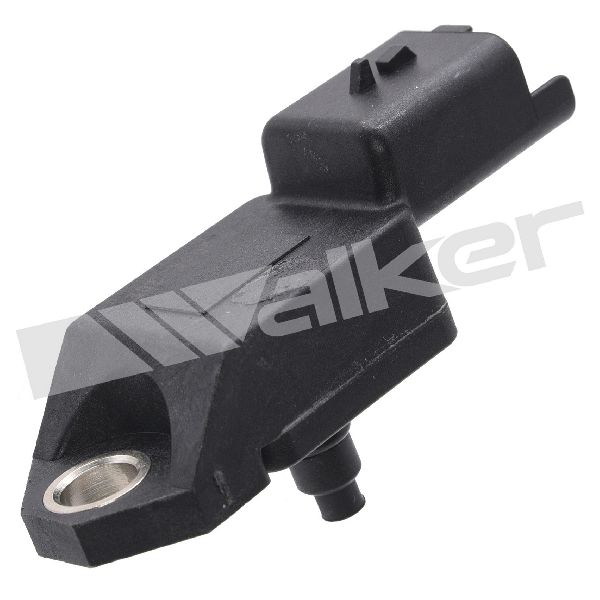
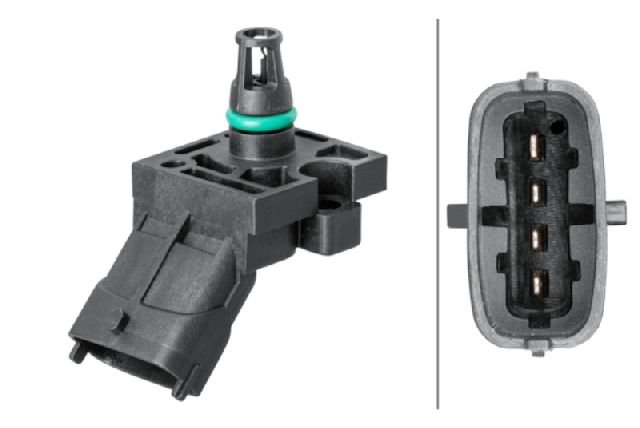
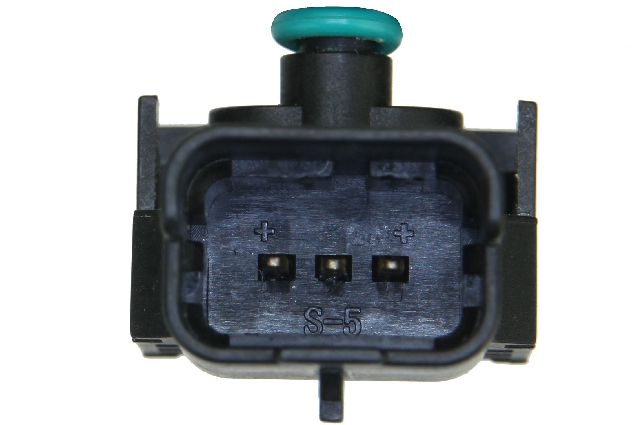
- Faulty Boost Pressure or MAP Sensor: It's uncommon, but the sensor that measures boost pressure could fail and send incorrect readings to the ECM, falsely triggering the P0299 code. This would typically be accompanied by other sensor-specific fault codes.
Diagnosis Steps
- Scan the vehicle for any other fault codes. Address any sensor-specific (P0101, P0235-P0242), DPF (P2453), or bypass valve (P2261) codes first, as they can point to the root cause.
- Perform a careful visual inspection of the entire air intake tract, from the air filter boxes, through the charge pipes, resonators, and intercooler, to the throttle body. Pay extremely close attention to plastic seams and connection points for hairline cracks.
- If no obvious leaks are found, perform a smoke test on the charge air system. This is the most reliable way to identify hidden cracks in plastic components like the intake manifold or resonators.
- For turbo models, inspect the wastegate actuator rod. Ensure it is connected and moves freely. Use a vacuum pump to test the actuator and its vacuum lines for leaks.
- Using a scan tool, monitor live data for the boost pressure sensor. Compare the 'commanded' boost pressure with the 'actual' boost pressure under load. A large discrepancy confirms the underboost condition.
- For diesel models, check the DPF soot level and differential pressure readings on a scan tool to rule out a blocked exhaust.
- If all leaks and sensor issues are ruled out, inspect the turbocharger/supercharger for shaft play or damaged fins, which would indicate internal failure.
Parts You'll Likely Need
- Air Intake Pipe / Resonator Assembly
(OEM #C2Z30725 (for 3.0L V6 Supercharged))— This is the most common failure point on the F-PACE leading to a P0299 code, due to the plastic becoming brittle and cracking. - Intercooler Hose
(OEM #hx73-6n650-a (for 2.0L))— The rubber hoses connecting to the intercooler can split or the clamps can loosen, causing a significant boost leak. - MAP Sensor
(OEM #AJ813215 (for 2.0L Diesel))— While less common, a faulty Manifold Absolute Pressure (MAP) sensor can send incorrect boost readings to the ECU, falsely triggering P0299.
Related Codes That Often Appear With This One
- P0171 — System Too Lean (Bank 1). A boost leak is also a vacuum leak at idle, allowing unmetered air into the engine, which can trigger a lean code. This is a classic symptom of a cracked intake resonator.
- P0174 — System Too Lean (Bank 2). Same reason as P0171, common on the V6 engine with a cracked intake pipe.
- P2261 — Turbocharger/Supercharger Bypass Valve "A" - Mechanical. Often indicates the diverter valve is stuck open, which directly causes an underboost condition.
- P2279 — Intake Air System Leak. This code specifically points to a leak in the intake system, directly corroborating the most common cause of P0299 on this platform.
Technical Service Bulletins (TSBs) & Recalls
- SSM73671: Lists P0299-00 as a known fault code on 2017 models and suggests checking for an incorrectly fitted air intake elbow on 2.0L engines.
- SSM75757: Advises technicians to perform a vacuum system leakage test as a primary step when diagnosing P0299, pointing towards potential issues with actuators or vacuum lines.
Platform-Specific Known Issues
- A Jaguar Technical Service Bulletin (TSB), #SSM73671, lists P0299-00 - Turbocharger/Supercharger "A" Underboost Condition as a potential fault code for 2017 models, among others, indicating it is a known issue to the manufacturer. For 2.0L engines, it specifically points to an incorrectly fitted air intake elbow as a possible cause.
- Jaguar Special Service Message (SSM) 75757 instructs technicians to perform a vacuum system leak test when diagnosing P0299, highlighting issues with vacuum-operated components like the turbo actuator.
- The plastic intake resonators and pipes on both 2.0L and 3.0L engines are a well-documented weak point, frequently cracking from heat exposure and causing boost/vacuum leaks.
- On the 2.0L Ingenium diesel, timing chain issues can cause a cascade of problems, including turbo failure due to oil contamination from worn chain guides.
Mechanic-Grade Diagnostic Values
- Manifold Absolute Pressure (MAP) Sensor Voltage Range — expected: 0.410 V to 4.735 V. Failure: Voltage readings that are stuck at a specific value or are outside of this range can indicate a faulty sensor.
- Engine Ground Voltage Drop Test — expected: Under 0.5V (500mV). Failure: A reading higher than 0.5V while cranking the engine indicates high resistance in the ground circuit, which can affect sensor readings.
Scan Tool Commands That Help
- Jaguar SDD (Symptom Driven Diagnostics) or similar professional tool: DPF Replacement / Reset Adaptation — On diesel models, if the DPF has been cleaned or replaced to resolve high backpressure causing the P0299 code, this function must be run to reset the learned values and soot counters in the ECU. Failure to do so may cause the code to return.
Wiring & Ground Locations
- Main Engine Ground Strap — Connects the engine/transmission assembly to the chassis frame rail on the right (US passenger) side of the vehicle, often located under or near the starter motor.. A corroded or loose main ground strap can cause erratic and incorrect readings from engine sensors, including the MAP and boost pressure sensors. The ECU relies on a stable ground reference for all its calculations; a poor ground can lead to false performance codes like P0299.
- Underhood Jump Start Ground Point — A dedicated metal stud on the vehicle body, often near one of the strut towers, intended for use as a ground point when jump-starting.. While not a primary ground, this is a known, good grounding point on the chassis that can be used as a reference point for multimeter testing of sensor grounds or voltage drop tests in the engine bay.
Real Owner Repair Stories
- Jaguar Forums user 'BDuncan' (Jaguar XJ (X350), but with analogous systems to the F-PACE.) — After having the alternator and water pump replaced, the car went into 'Restricted Performance' mode when accelerating to overtake.
❌ Tried (didn't work) Clearing the P0299 fault code with an OBD reader, but the code returned immediately upon hard acceleration.
✅ What actually fixed it The owner returned the car to the garage that performed the prior work. The mechanic found a loose air conductor hose that had not been properly tightened during reassembly. Tightening the hose clamp resolved the boost leak and the P0299 code.
OEM Part Supersession History
C2P15712→C2Z30725— The original intake resonator/symposer for the 3.0L V6 was prone to cracking. The superseding part is the updated replacement.
Heads up: These parts are specific to the 3.0L V6 Supercharged engine and are not compatible with 2.0L engines.
Helpful Videos





Used OEM Parts in Stock

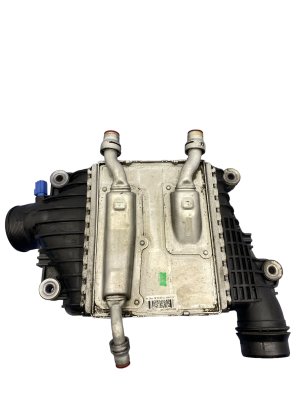
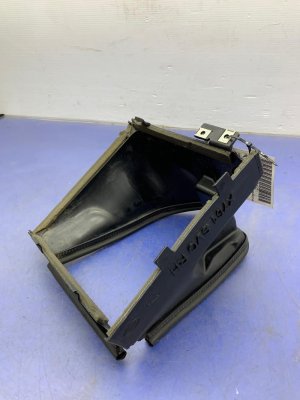
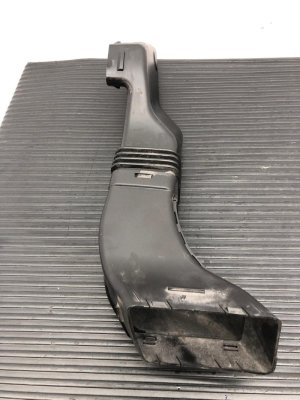

New Aftermarket Parts Available

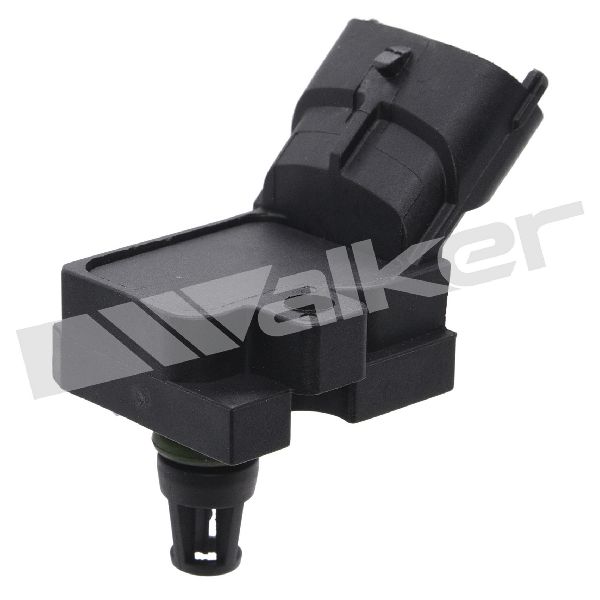


The information in this article is provided for general reference and educational purposes only. Vehicle specifications, procedures, and part compatibility can vary by production date, trim level, and region. Always consult your vehicle's factory service manual and verify part numbers before purchasing or performing repairs. Safety-critical components such as airbags, seat belts, and braking systems should be installed by a qualified professional.
- Jaguar F-PACE:
- 🎬 Helpful Videos
- 🛍️ Shop This Part
- What's Unique About the 2017-2018 Jaguar F-PACE
- Diagnostic Flowchart
- Symptoms You May Notice
- Most Likely Causes
- Rare But Worth Checking
- Diagnosis Steps
- Parts You'll Likely Need
- Related Codes That Often Appear With This One
- Technical Service Bulletins (TSBs) & Recalls
- Platform-Specific Known Issues
- Mechanic-Grade Diagnostic Values
- Scan Tool Commands That Help
- Wiring & Ground Locations
- Real Owner Repair Stories
- OEM Part Supersession History
- 🎟️ Get 5% Off