

P0299 on 2013-2016 Dodge Dart 1.4L Turbo: Underboost Causes and Fixes
On a 2013-2016 Dodge Dart 1.4L Turbo, code P0299 is most often caused by a faulty turbocharger wastegate actuator or a leaking diverter valve. An upgraded aftermarket wastegate actuator or a metal piston-style diverter valve (like the GFB DV+) are common and durable fixes, costing around $150-$250 for the parts.
- P0299 on the Dart 1.4L Turbo is very common and usually does not mean the turbo itself has failed.
- The two most likely causes are a faulty wastegate actuator or a leaking plastic diverter valve.
- Before buying parts, perform a visual inspection and a boost leak (smoke) test to pinpoint the cause.
- Upgraded, more durable aftermarket wastegate actuators and diverter valves are available and are a popular, long-term fix.
- Adjusting the wastegate actuator rod can be a temporary fix, but replacement is often necessary for a permanent solution.
What's Unique About the 2013-2016 Dodge Dart

The 1.4L MultiAir Turbo in the Dart is a Fiat-derived engine with specific weak points related to its turbo system. Unlike many other engines where P0299 might point to a major turbo failure, on the Dart, the issue is very frequently a smaller, external, or serviceable component like the wastegate actuator, the plastic diverter valve, or the boost control solenoid. Owners often find that adjusting the wastegate actuator rod (adding 4-6 half-turns of preload) or upgrading the diverter valve to a metal unit resolves the code without needing to replace the entire turbocharger.
Symptoms You May Notice
- Check Engine Light is on
- Significant loss of engine power and acceleration
- Vehicle may enter 'limp mode', limiting RPM and speed, sometimes triggered under specific conditions like pulling from low RPMs on a steep hill.
- Poor fuel economy
- Hissing or whistling noises from the engine bay during acceleration, indicating a boost leak.
- Turbo boost gauge (if equipped) reads lower than normal
- In some cases, a burning smell may be noticed after driving for more than 10 minutes.
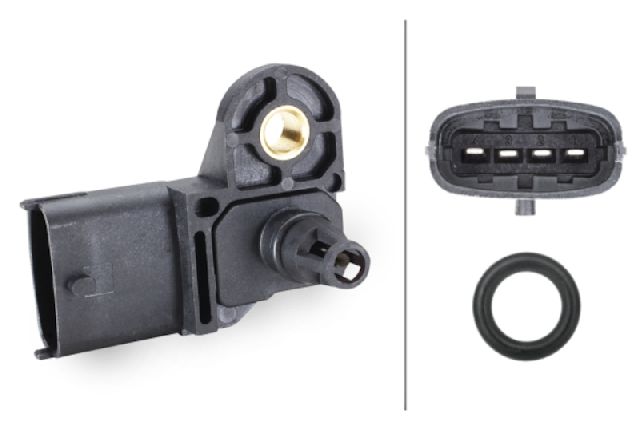
- Replacing the MAP sensor. While a sensor can fail, it's much more likely that the sensor is accurately reporting a real pressure loss from a leak or faulty mechanical part.
- Replacing the entire turbocharger assembly when only the external wastegate actuator or diverter valve is faulty. One owner on Reddit shared an experience where a dealer quoted $5,000 for a new turbo after replacing a solenoid ($800) and performing a software update ($180) failed to fix the P0299 code.
Most Likely Causes


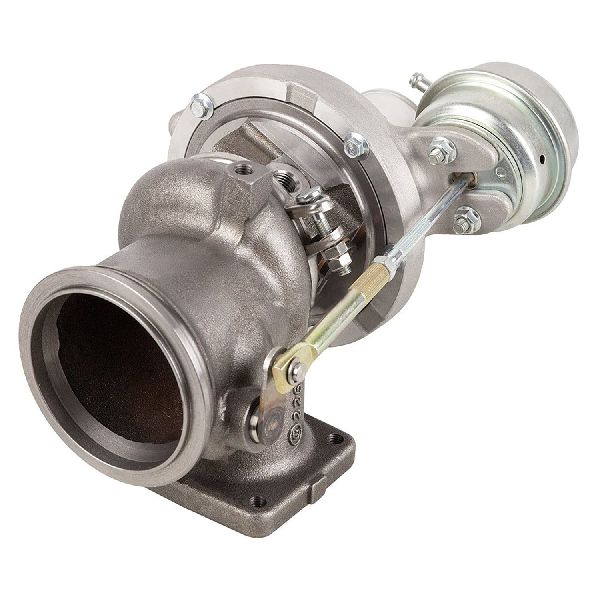
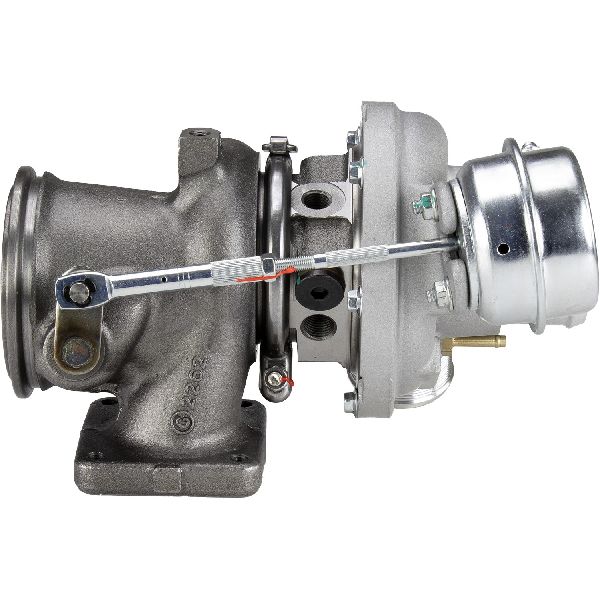
- Faulty Turbocharger Wastegate Actuator 🔴 High Probability The factory wastegate actuator is known to fail or have its adjustment rod loosen over time. This causes the wastegate flap inside the turbo to not seal properly, preventing boost from building as exhaust gas bypasses the turbine wheel. The internal diaphragm can also fail.
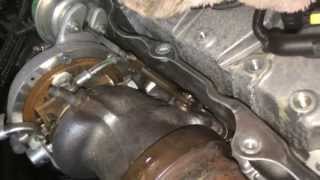
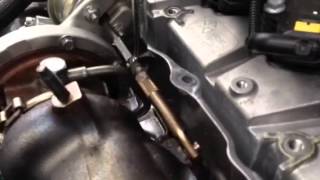
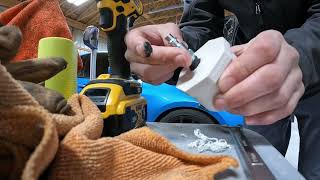
How to confirm: With the engine off, check for excessive play in the wastegate actuator arm connected to the turbo; it should be firm. A vacuum pump can be used to test if the actuator holds vacuum. Many owners report successfully adjusting the preload on the actuator rod by 4-6 half-turns (2-3 full turns) to restore proper tension and fix the code, a procedure detailed in popular YouTube videos. 🎬 Watch: Step-by-step guide to adjusting your turbo wastegate rod.
Typical fix: Adjust the wastegate rod preload. If that fails or the diaphragm is torn, replace the actuator. Many owners opt for more robust aftermarket units from brands like Forge or Turbosmart for a more permanent solution.
Est. part cost: $150-$250 - Leaking or Failed Diverter Valve (DV) 🔴 High Probability The original diverter valve is made of plastic and contains a rubber diaphragm that is known to crack or tear due to heat and oil exposure, allowing boost pressure to leak back into the intake instead of being sent to the engine.
How to confirm: A smoke test of the intake system is the most effective way to confirm a leak. A key sign of failure is finding engine oil inside the electrical connector of the valve solenoid, which indicates the internal seal is broken. Visual inspection after removal may reveal a torn diaphragm.
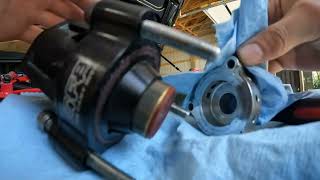
Typical fix: Replace the factory diverter valve. Upgraded metal piston-style units, specifically the Go Fast Bits (GFB) DV+ (Part #T9356), are highly recommended as they are more durable and eliminate the failure-prone diaphragm. 🎬 See how to install the upgraded GFB diverter valve.
Est. part cost: $150-$180 - Boost Leak from Hoses or Intercooler 🟡 Medium Probability Standard rubber hoses and plastic components in the charge air system, particularly the intercooler end tanks and connecting pipes, can crack, split, or become loose over time due to heat and pressure cycles.
How to confirm: Perform a visual inspection of all intake and charge pipes between the turbo and the throttle body for cracks, loose clamps, or oil residue (which can indicate a leak). A smoke test is the definitive method to find small, hard-to-see leaks.
Typical fix: Tighten loose clamps or replace the damaged hose or component. One owner documented a successful temporary repair of a split hose using RTV sealant and electrical tape while waiting for a replacement part.
Est. part cost: $20-$200 - Faulty Boost Control Solenoid 🟡 Medium Probability This electronic solenoid controls the vacuum sent to the wastegate actuator. If it fails, it cannot properly command the wastegate to close, leading to an underboost condition. It is a common failure point and often a source of misdiagnosis.
How to confirm: The solenoid can be tested with a multimeter to check for proper electrical resistance. Ensure vacuum lines to and from the solenoid are not cracked or leaking first. A failed solenoid can mimic a failed wastegate actuator.
Typical fix: Replace the boost control solenoid. It is a genuine Mopar part that is relatively accessible.
Est. part cost: $40-$80 - Cracked or Disconnected Vacuum Lines ⚪ Low Probability The vacuum lines that control the wastegate actuator are made of hard plastic and can become brittle and crack from engine heat, causing a vacuum leak that prevents the wastegate from closing properly.
How to confirm: Visually inspect all vacuum lines connected to the wastegate actuator and boost control solenoid for cracks, breaks, or loose connections. Spraying brake cleaner near the lines with the engine running may cause a change in idle if a leak is present.
Typical fix: Replace the damaged section of vacuum line. Standard 1/4 inch rubber vacuum hose can be used as a cost-effective and more durable replacement for the brittle factory hardlines.
Est. part cost: $5-$20
Rare But Worth Checking
- Failed Turbocharger: While less common than actuator or valve failures, the internal wastegate flap itself can wear out and fail to seal, or the turbo bearings can fail. This is usually a last resort after all other common causes have been ruled out. A former Dodge mechanic noted this is a known issue but recommends fixing all oil leaks before condemning the turbo.
- Clogged Catalytic Converter: A severe exhaust restriction can prevent the turbo from spooling up effectively. This is usually accompanied by other symptoms like a rotten egg smell, a noticeable loss of power at higher RPMs, and potentially a P0420 code.
Diagnosis Steps

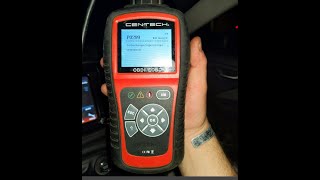
- Scan the vehicle for any other stored trouble codes to see if they provide additional clues.
- Perform a thorough visual inspection of the engine bay. Look closely at all air intake hoses, charge pipes from the turbo to the intercooler and to the throttle body, and all vacuum lines for obvious cracks, loose clamps, or disconnections.
- With the engine off, manually check the wastegate actuator arm for movement and play. It should be firm with minimal free play. If it's very loose, the internal turbo wastegate flap may be worn.
- If the arm seems okay, attempt to adjust the preload. Loosen the 10mm locknut and tighten the rod by 4-6 half-turns. This is a very common fix. Drive the car with several wide-open-throttle pulls to allow the ECU to adapt.
- If possible, use a handheld vacuum pump to test the wastegate actuator. It should hold vacuum. If it doesn't, the diaphragm is torn and the actuator must be replaced.
- Perform a boost leak test (smoke test). Pressurize the intake system with low-pressure smoke and look for leaks from hoses, the intercooler, gaskets, and especially the diverter valve. 🎬 Watch: How to perform a professional boost leak test.
- Inspect the diverter valve. Remove it and check for tears in the diaphragm or cracks in the plastic body. Check for oil inside the electrical connector, which is a definitive sign of failure.
- If no leaks are found, inspect the boost control solenoid and its wiring. Test for power and ground, and check the resistance of the solenoid itself.
- If all other components check out, inspect the turbocharger itself for excessive shaft play or damage to the compressor/turbine wheels.
Parts You'll Likely Need

- Diverter Valve (or DV+ Upgrade Kit) — The factory plastic diverter valve is prone to leaking boost pressure due to a torn diaphragm. Upgraded metal units are a permanent solution to this common problem.
Trusted brands: Go Fast Bits (GFB) DV+ T9356
OEM price range: $80-$120
Aftermarket price range: $150-$180 - Turbocharger Wastegate Actuator — The diaphragm inside the factory actuator can tear, or the adjustment rod can loosen, preventing the wastegate from closing properly to build boost.
Related Codes That Often Appear With This One
- P1101 — P1101 indicates an intake airflow performance issue. A significant boost leak that causes P0299 can also trigger P1101 as the engine detects an unmetered air loss.
- P0237 — P0237 is for 'Turbocharger Boost Sensor 'A' Circuit Low'. While P0299 indicates a performance issue (not enough boost), a related electrical fault in the boost sensor circuit could appear alongside it, though one does not necessarily cause the other.
Technical Service Bulletins (TSBs) & Recalls
- Bulletin #S2018000008: A manufacturer service bulletin for the same make notes that an engine surge feel and/or Diagnostic Trouble Code P0299 (Turbo Underboost Condition) can occur after updating the Powertrain Control Module (PCM) software on certain engines.
Platform-Specific Known Issues
- Wastegate Rod Adjustment: A unique and widely documented fix for the P0299 code on this platform is simply adjusting the wastegate actuator rod. Due to vibration or stretching, the rod can lose its preload, preventing the wastegate from fully closing. Tightening the rod by 2-3 full turns (4-6 half-turns) is often enough to resolve the underboost condition without replacing any parts. This is detailed in a popular YouTube video from Tork Motorsports.
Mechanic-Grade Diagnostic Values
- MAP Sensor Signal Voltage (Key On, Engine Off) — expected: ~4.5-5.0V. Failure: Voltage significantly lower than 5V suggests a wiring issue or a faulty sensor.
- MAP Sensor Signal Voltage (Engine at Idle) — expected: ~1.0-1.5V. Failure: Voltage significantly higher or lower than this range at a steady idle can indicate a sensor fault or a major vacuum leak.
Scan Tool Commands That Help
- wiTECH (Chrysler/Dodge/Fiat Dealer Tool): Turbocharger Wastegate Solenoid Actuator Test — This bidirectional command allows a technician to manually cycle the boost control solenoid to verify its mechanical and electrical operation, helping to distinguish between a failed solenoid, a wiring issue, or a faulty wastegate actuator.
Wiring & Ground Locations
- MAP Sensor Connector — On the intake manifold, near the throttle body.. This connector provides the signal, power, and ground for the MAP sensor, which is the primary sensor for measuring boost pressure. A corroded pin or damaged wire here will cause incorrect readings and can trigger P0299 or related sensor codes like P0106/P0107/P0108.
- Boost Control Solenoid Connector — Typically mounted near the turbocharger, with vacuum lines running to the wastegate actuator.. This connector powers the solenoid that controls the wastegate. A bad connection here will prevent the wastegate from being controlled, leading directly to an underboost or overboost condition. Forum users have noted the wiring can be confusing as both wires may be the same color, requiring a multimeter to identify power and ground.
Real Owner Repair Stories
- YouTube user Bill Gorman (2013 Dodge Dart 1.4L Turbo) — Complete loss of boost, multiple codes including P0299, P0237, P0107.
❌ Tried (didn't work) Replacing the boost solenoid, Checking for boost leaks, Using a Uni-Chip tuner (which was ruled out as the cause)
✅ What actually fixed it The internal wastegate flap inside the turbocharger housing was found to be loose and floppy, failing to seal. This is not a serviceable part, so the entire turbocharger had to be replaced to resolve the P0299 code. - YouTube user '2013 Dodge Dart P0299 Underboost code Part 2' (2013 Dodge Dart 1.4L Turbo) — P0299 underboost code, audible boost leak.
❌ Tried (didn't work) Initial visual inspection did not reveal the leak.
✅ What actually fixed it The user found two separate issues: a split in a rubber elbow pipe in the charge system and a broken hard plastic vacuum line. A temporary fix was performed using RTV sealant and electrical tape on the hose, and a new section of 1/4 inch rubber vacuum hose was used to replace the broken plastic line, which resolved the underboost condition while waiting for permanent parts. - NHTSA ODI #10981697 — An owner reported that while driving on the freeway, the check engine light came on with code P0299. A local shop stated the turbocharger needed to be replaced, with a dealership estimate of approximately $1,500.
- NHTSA ODI #10863805 — One owner described a loss of ability to get up a hill in their area due to the P0299 low pressure code, noting that research showed many other people being affected by the same issue.
"I Checked Everything" — The Actual Cause
- In some cases reported on forums, a smoke test reveals no leaks, and the wastegate actuator holds vacuum, yet P0299 persists. The final cause was determined to be a failing boost control solenoid that was not actuating correctly under load, even though it passed a simple resistance test. Replacing the solenoid resolved the issue.
When the Usual Fixes Don't Work
- While adjusting the wastegate actuator rod is a very common fix, some owners have found that this only provides a temporary solution. In these cases, the internal wastegate flapper or the turbo's bearings were worn, and the increased preload on the actuator was merely masking the underlying mechanical failure of the turbocharger itself. One owner on a forum reported adjusting the rod fixed the code for two months before it returned, and a subsequent inspection revealed excessive side-to-side shaft play in the turbo, requiring a full replacement.
OEM Part Supersession History
04627297AB→68229402AA (or later revisions)— This is the part number for the Turbo Boost Pressure Control Solenoid. Part numbers are often superseded due to design improvements, manufacturer changes, or consolidation. Using the latest revision is recommended.
Model Year Variations Within This Range
- 2014-2016: In 2014, the 1.4L MultiAir engine block was updated with additional oiling channels in the walls of the #2 and #3 cylinders to improve lubrication under forced induction. While this doesn't directly change the P0299 diagnosis, it speaks to the evolution of the engine and may make later models slightly more robust regarding internal lubrication.
- 2014+: For the 2014 model year, Dodge changed the engine lineup, making the 1.4L Turbo engine available only in the 'Aero' trim. Other trims received the 2.4L engine. This is a trim/packaging change rather than a mechanical one for the 1.4L itself but is relevant when looking at used vehicles.
Diagnostic Flowchart
Other Known Issues on This Vehicle
Issues unrelated to this code that are worth knowing about as an owner of this generation:
- MultiAir Actuator ('Brick') Failure 🔴 High — Can occur at various mileages, often heralded by misfire codes (e.g., P0304) and specific MultiAir codes like P1067 or P106B. It is a very expensive repair, with the part alone costing over $1,100.
- Clutch Master/Slave Cylinder Failure (Manual Transmission) 🔴 High — A widespread problem on models with the Fiat C635 manual transmission where the clutch pedal loses pressure and sticks to the floor, preventing gear changes. This defect led to a class-action lawsuit for California owners. (Ref: A class-action settlement extended the warranty for this specific issue for some owners.)
- DDCT Transmission Hesitation and Surging 🟠 Medium — The Dual Dry Clutch automatic transmission (DDCT) is known to hesitate, surge, or fail to engage gears smoothly, often related to the internal mechatronic unit or clutch adaptation drift. (Ref: TCM software updates were released to address some of these drivability issues.)
- Battery Drain and Electrical Gremlins 🟠 Medium — Owners frequently report issues like the battery draining unexpectedly, the engine stalling, and other strange electrical behavior. A weak battery is known to cause a variety of seemingly unrelated electrical problems in the Dart.
Used vs. New Parts: Buying Guide for This Vehicle
When a used part is the smart pick: Used parts like charge pipes, intercoolers, or sensor connectors can be a cost-effective choice if they are in good physical condition with no cracks or damage. A complete used turbocharger assembly can be considered if it comes from a low-mileage, documented donor vehicle, but it carries significant risk.
Donor-vehicle mileage cap: roughly under 60000 miles for the part to have meaningful remaining life.
What to inspect on the donor part:
- For a used turbo: Check for zero in-and-out (axial) shaft play and minimal side-to-side (radial) play.
- Spin the compressor wheel by hand; it should spin freely and smoothly with no grinding or scraping noises.
- Inspect the wastegate arm; it should be firm and not floppy or loose.
- For hoses/pipes: Squeeze the rubber to ensure it is not brittle or overly soft. Check for any hairline cracks, especially at the bends.
OEM-only on this vehicle (don't cheap out):
- Boost Control Solenoid: While aftermarket versions exist, the OEM Mopar part is not significantly more expensive and is known to be reliable.
- MAP Sensor: Given its critical role in engine management, using an OEM or a high-quality OE-equivalent brand is recommended to avoid inaccurate readings.
Aftermarket brands forum-validated for this vehicle:
- Go Fast Bits (GFB) DV+: Universally recommended by the community as a permanent fix for the failure-prone stock diverter valve.
- Forge Motorsport, Turbosmart: Known for making high-quality, durable wastegate actuators that are often used as upgrades over the stock unit.
Brands owners have reported issues with on this vehicle:
- No-name, generic electronic sensors (MAP, boost solenoids) from online marketplaces. Owners report frequent premature failures and out-of-spec readings that cause persistent diagnostic headaches.
Real Owner Stories
Aggregated from forums and TSBs cited above. Mileages and costs reflect what owners reported in those sources.
2013-2016 Dodge Dart 1.4L MultiAir Turbo
Symptoms: The user experienced a frustrating situation where the P0299 code appeared and a dealership quoted a full turbo replacement after other cheaper fixes failed to resolve the issue.
What fixed it: The source notes the user was quoted for a turbo replacement, though other users in the community suggest the wastegate adjustment or diverter valve are the actual fixes.
Cost: $5,000-$5,000
Source hint: Reddit r/dodgedart thread titled 'P0299 engine code went away?'
2013-2016 Dodge Dart 1.4L MultiAir Turbo
Symptoms: The turbo issue and P0299 code appeared intermittently, specifically when the vehicle was under load such as driving on steep uphills.
What fixed it: The discussion points toward the 1.4L turbo system's common failure points like the wastegate or diverter valve.
Source hint: Reddit r/dodgedart thread titled 'Turbo issue on 1.4'
2013-2016 Dodge Dart 1.4L MultiAir Turbo
Symptoms: A split hose in the charge air system was causing a boost leak.
What fixed it: A temporary repair was made using RTV sealant and electrical tape on the split hose while waiting for a permanent replacement part.
Source hint: Article context reference
Frequently Asked Questions
Can I fix the P0299 code on my Dodge Dart 1.4L without replacing the entire turbocharger?
Is there a specific upgraded diverter valve recommended for the 2013-2016 Dodge Dart?
Why does my Dart 1.4L Turbo enter 'limp mode' specifically when driving up steep hills?
What should I look for if I suspect my diverter valve is causing the P0299 code?
Are there more durable replacements for the brittle factory vacuum lines on the 1.4L MultiAir?
Does the Fiat 500 Abarth share the same P0299 issues as the Dodge Dart?
Helpful Videos
We Have This Part in Stock

The information in this article is provided for general reference and educational purposes only. Vehicle specifications, procedures, and part compatibility can vary by production date, trim level, and region. Always consult your vehicle's factory service manual and verify part numbers before purchasing or performing repairs. Safety-critical components such as airbags, seat belts, and braking systems should be installed by a qualified professional.
- Dodge Dart:
- 🎬 Helpful Videos
- 🛍️ Shop This Part
- What's Unique About the 2013-2016 Dodge Dart
- Symptoms You May Notice
- Most Likely Causes
- Rare But Worth Checking
- Diagnosis Steps
- Parts You'll Likely Need
- Related Codes That Often Appear With This One
- Technical Service Bulletins (TSBs) & Recalls
- Platform-Specific Known Issues
- Mechanic-Grade Diagnostic Values
- Scan Tool Commands That Help
- Wiring & Ground Locations
- Real Owner Repair Stories
- "I Checked Everything" — The Actual Cause
- When the Usual Fixes Don't Work
- OEM Part Supersession History
- Model Year Variations Within This Range
- Diagnostic Flowchart
- Other Known Issues on This Vehicle
- Used vs. New Parts: Buying Guide for This Vehicle
- Real Owner Stories
- 2013-2016 Dodge Dart 1.4L MultiAir Turbo
- 2013-2016 Dodge Dart 1.4L MultiAir Turbo
- 2013-2016 Dodge Dart 1.4L MultiAir Turbo
- Frequently Asked Questions
- 🎟️ Get 5% Off