

P0299 on 2013-2020 Chevrolet Trax: Turbo Underboost Causes and Fixes
On a 2013-2020 Chevy Trax, code P0299 means the turbo isn't making enough boost. Before blaming the expensive turbo, check for simpler causes like a failed PCV check valve in the intake manifold, a bad turbo bypass (diverter) valve, or a weak wastegate actuator. These are common failure points on the 1.4L engine and are much cheaper to fix. This issue is also extremely common on its platform mates: the Chevy Cruze, Sonic, and Buick Encore.
- P0299 on a Chevy Trax indicates a turbo underboost condition, resulting in serious power loss.
- Do NOT assume the turbocharger has failed. The most common causes are cheaper to fix, including boost leaks and PCV system faults.
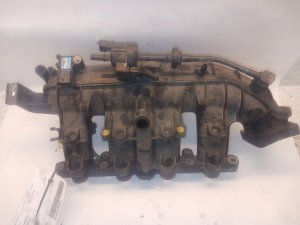
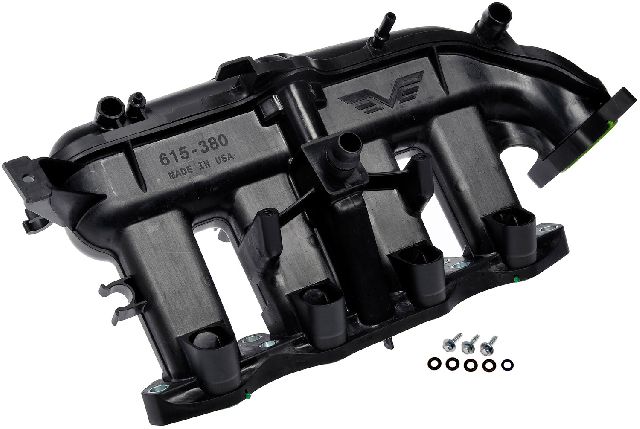
- A failed check valve inside the intake manifold is a very common cause of P0299 on this engine and requires replacing the entire manifold.
- Always perform a thorough diagnosis, including a smoke test for leaks, before ordering expensive parts.
- GM has a TSB (PIP5495N) specifically warning that this code is often misdiagnosed as a bad turbo.
What's Unique About the 2013-2020 Chevrolet TRAX

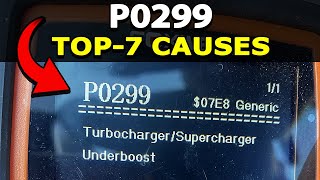
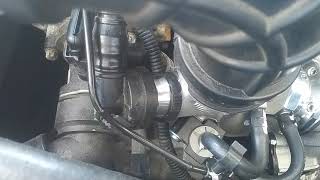
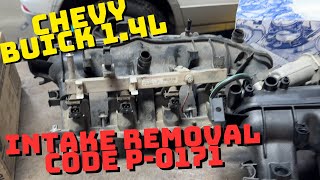
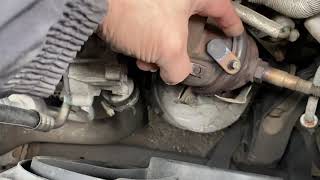
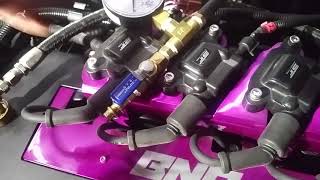
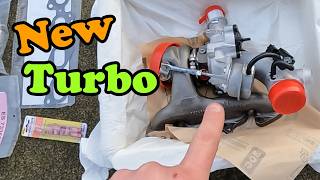
The 1.4L Turbo engine (RPOs LUV, LUJ) used in the Trax, Cruze, Sonic, and Buick Encore is well-known for specific weaknesses that trigger P0299. A key issue is the failure of PCV system check valves, particularly one inside the intake manifold. When this valve fails, it creates a direct path for boost pressure to leak from the intake manifold back to the turbo inlet, creating a major internal boost leak. 🎬 Watch: Expert breakdown of 1.4L PCV system failure points. GM even issued a Technical Service Bulletin (TSB #PIP5495N) warning technicians that P0299 often leads to misdiagnosis and unnecessary turbocharger replacements, highlighting that other components—like the PCV system, boost leaks, or wastegate control—are frequently the real cause.
Diagnostic Flowchart
Tap your situation to follow the diagnostic path that matches what you're seeing on this vehicle.
Symptoms You May Notice
- Significant loss of engine power and acceleration, especially uphill.
- Check Engine Light is on.
- Vehicle enters 'limp mode,' limiting RPM and speed.
- Whining, hissing, or rattling noises from the engine bay.
- Loud sucking or hissing noise from the engine bay at idle, which may change or stop if the oil cap is removed (indicates a PCV system leak).
- Increased oil consumption or blue/gray smoke from the exhaust.
- Poor fuel economy.
- Replacing the turbocharger without first diagnosing boost leaks, the PCV system, the wastegate actuator, or the diverter valve. The provided TSB #PIP5495N explicitly warns against this, as many turbos are returned with no trouble found.
Most Likely Causes

- Failed Intake Manifold Check Valve 🔴 High Probability The non-return orange check valve inside the stock intake manifold is a known weak point. It can break, dislodge, or get sucked into the engine, creating a constant internal boost leak from the intake manifold back to the turbo inlet via the PCV system. This pressurizes the crankcase, often leading to other issues like a ruptured valve cover diaphragm.
How to confirm: Visually inspect the intake manifold port where the PCV tube connects. If the orange check valve is missing or damaged, the manifold has failed. A smoke test may not reveal this leak as it is internal. A common DIY test is to remove the oil cap while the engine is idling; strong suction holding the cap down indicates a failed PCV system, pointing to either the intake valve or the valve cover diaphragm.
Typical fix: Replace the entire intake manifold. The check valve is not serviced separately. Aftermarket manifolds, like the Dorman 615-380, are available and some claim an improved design to prevent reoccurrence. Some owners opt to install an external PCV check valve kit as an alternative to manifold replacement.
Est. part cost: $150-$300 - Faulty Turbocharger Wastegate Actuator 🟡 Medium Probability The factory wastegate actuator can weaken, its diaphragm can fail, or the retaining clip on the arm can break, causing the wastegate to not close properly. This prevents the turbo from building sufficient boost as exhaust gas bypasses the turbine wheel.
How to confirm: Inspect the actuator arm for free movement and ensure the retaining clip is present. Apply vacuum or pressure with a hand pump to see if the actuator rod moves smoothly and holds its position. A common test is to apply ~15 PSI of compressed air to the actuator's nipple and observe if the arm moves; no movement indicates a failed diaphragm.
Typical fix: Replace the wastegate actuator. Some aftermarket options are available and considered an upgrade. No electronic recalibration is needed, but a manual 'relearn' procedure may be beneficial.
Est. part cost: $50-$150 - Boost Leaks (Hoses, Clamps, Intercooler) 🟡 Medium Probability Rubber and plastic components in the intake tract can crack, become brittle, or loosen over time due to heat and pressure cycles. Oil contamination from the PCV system can soften and weaken rubber hoses, making them prone to splitting.
How to confirm: Visually inspect all hoses and connections between the turbo, intercooler, and throttle body. Perform a smoke test to pressurize the system and identify leaks that are not visible.
Typical fix: Tighten loose clamps or replace the cracked hose or damaged component.
Est. part cost: $10-$200 - Failed Turbocharger Bypass/Diverter Valve 🟡 Medium Probability This valve, which releases boost pressure during deceleration, has a rubber diaphragm that can tear or its controlling solenoid can stick, causing it to remain open and leak boost constantly.
How to confirm: The valve is located on the turbocharger. It can be removed and inspected for tears in its diaphragm. The solenoid can be tested for proper operation with a scan tool or by applying voltage.
Typical fix: Replace the bypass valve. Upgraded, more durable aftermarket valves like the Go Fast Bits (GFB) DV+ are a popular choice to prevent future failures.
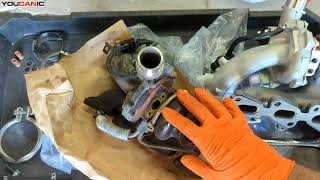
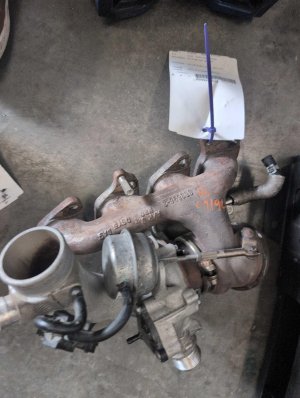
Est. part cost: $40-$100 - Cracked Turbocharger Housing/Exhaust Manifold ⚪ Low Probability The integrated exhaust manifold and turbo housing can develop cracks near the wastegate port due to thermal stress. While small hairline cracks are considered normal by GM and mentioned in TSB PIP5495N, larger cracks can cause a significant exhaust leak, preventing the turbine from spinning up to speed.
How to confirm: This requires removing the turbo heat shield and sometimes the turbo itself for a thorough visual inspection of the area around the wastegate port.
Typical fix: Replace the entire turbocharger assembly.
Est. part cost: $350-$800 - Faulty Boost Pressure (MAP) Sensor ⚪ Low Probability The sensor that measures boost pressure can fail and send incorrect readings to the ECM, tricking it into thinking there is an underboost condition when there isn't one.
How to confirm: Use an OBD-II scanner to monitor live data from the MAP sensor. Check if its readings correspond to actual engine load and vacuum/boost. Compare its reading to the ambient air pressure sensor with the engine off.
Typical fix: Replace the MAP sensor.
Est. part cost: $30-$70
Rare But Worth Checking
- Clogged Catalytic Converter: An exhaust restriction downstream of the turbo can create excessive backpressure, preventing the turbine from spinning up to speed.
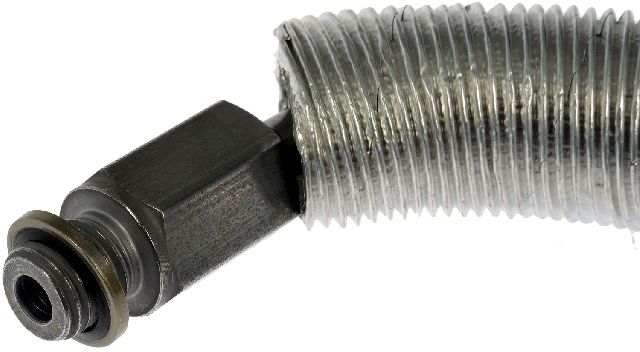
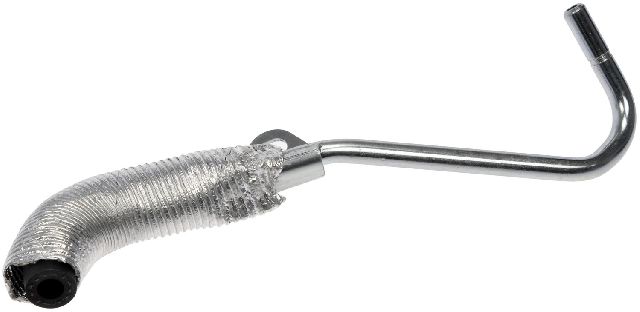
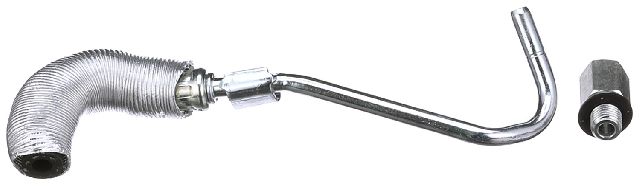
- Low Engine Oil Pressure/Flow: The turbocharger relies on engine oil for lubrication and cooling. A clogged oil feed line can cause bearing damage, leading to turbo failure. An updated oil feed line with a heat shield is available and highly recommended when replacing the turbo.
- Ruptured PCV Valve Cover Diaphragm: While often a symptom of a failed intake manifold check valve, a primary failure of the valve cover diaphragm can also create a massive vacuum leak, contributing to underboost conditions and other codes like P0171.
Diagnosis Steps

- Read all stored fault codes with an OBD-II scanner. Address any other codes first, especially PCV or sensor-related codes.
- Perform the 'oil cap test': With the engine running at idle, try to remove the oil filler cap. If strong vacuum holds it down, suspect a failed PCV system (intake manifold or valve cover).
- Visually inspect the entire air intake system, from the air filter to the throttle body. Look for disconnected hoses, loose clamps, or obvious cracks. Pay close attention to charge pipe connections.
- Inspect the PCV system. Look into the intake manifold port for the orange check valve. Check the valve cover for hissing noises.
- Perform a smoke test on the intake/charge pipe system to find hidden boost leaks.
- Inspect the turbocharger wastegate actuator. Ensure the linkage is connected with its clip and moves freely. Test the actuator with a vacuum/pressure pump to see if it holds and moves the arm.
- Test the turbocharger bypass/diverter valve and its control solenoid for proper function. Inspect the diaphragm for tears.
- Using a scan tool, monitor the MAP/Boost Pressure sensor readings to ensure they are plausible and respond to engine load.
- If all else fails, inspect the turbocharger itself for excessive shaft play, damaged fins, or large cracks in the housing near the wastegate.
Parts You'll Likely Need

- Intake Manifold
- Turbocharger Wastegate Actuator
- Turbocharger Bypass Valve
- Charge Air Hose
- Turbocharger Assembly
Related Codes That Often Appear With This One
- P0234 — This code for Turbo Overboost can appear with P0299, as mentioned in TSB PIP5495N. It can indicate an intermittently sticking wastegate or faulty boost control solenoid.
- P0171 — System Too Lean. A boost leak or a failed PCV system allows unmetered air into the system, which can cause a lean condition, especially if the leak is significant.
- P1101 — MAF Sensor Out of Self-Test Range. This code often accompanies P0299 and P0171, pointing towards a large vacuum/boost leak that the PCV and fuel trim systems cannot compensate for.
Technical Service Bulletins (TSBs) & Recalls
- source — This bulletin explicitly warns technicians against prematurely replacing the turbocharger for a P0299 code. It lists common misdiagnoses, including PCV system faults, boost leaks, and wastegate control issues, and advises thorough diagnosis of these cheaper components first. It also notes that small hairline cracks near the wastegate port are normal and not a cause for turbo replacement.
- source — This earlier bulletin focuses on diagnosing a loss of wastegate preload. It instructs technicians on how to inspect the wastegate actuator rod and linkage for wear and proper tension. If the linkage is loose, it recommends turbocharger replacement.
Platform-Specific Known Issues
- The Domino Effect of PCV Failure: Many owner stories on forums like Reddit and CruzeTalk describe a common sequence of events. A P0299 code appears. The owner discovers the intake manifold check valve is missing. After replacing the manifold (a several-hour DIY job), they find the code persists. Further diagnosis reveals the over-pressurization from the failed manifold also ruptured the diaphragm in the PCV valve cover, requiring a second repair. This highlights the importance of checking both components at the same time.
- Dealer vs. DIY Cost Discrepancy: Owners report significant cost differences. A dealer repair for a failed intake manifold causing P0299 can range from $800 to $1200. However, many owners have successfully performed the repair themselves for the cost of the part ($150-$250), as documented in numerous YouTube videos and forum guides. Turbo replacement quotes from dealers often exceed $1500-$2000.
- The Misleading Cracks: As confirmed by TSB PIP5495N, many owners and even some technicians mistakenly condemn a turbocharger due to visible hairline cracks near the wastegate port. Forum discussions reiterate that these are a normal result of heat cycling and, unless they are very large, are not the cause of the P0299 code. The real issue is often a less obvious component like a boost leak or failed actuator.
Mechanic-Grade Diagnostic Values
- Wastegate Actuator Pressure Test — expected: Actuator arm should move smoothly and hold position when ~15 PSI is applied to the vacuum/pressure nipple.. Failure: No movement of the actuator arm indicates a failed internal diaphragm.
- Wastegate Actuator Mechanical Pull Force — expected: Requires approximately 32-35 lbs of force to begin opening the wastegate lever.. Failure: Significantly less force required may indicate a weak internal spring.
Scan Tool Commands That Help
- GDS2 (GM Global Diagnostic System 2): Turbocharger Boost Control Test — This test should be performed to verify turbocharger operation before condemning and replacing the turbo assembly for a P0299 code, as recommended by GM technical documents.
Real Owner Repair Stories
- Reddit user Nice_Process_2981 (2017 Chevrolet Trax, ~130,000 km) — P0299 code appeared.
✅ What actually fixed it The owner utilized a special coverage program offered by the dealer for turbocharger replacement. The vehicle was subsequently traded in. This confirms the turbocharger was the likely point of failure and that a manufacturer special coverage program existed for this issue.
"I Checked Everything" — The Actual Cause
- A standard smoke test of the charge pipes and intercooler can come back clean, yet a P0299 code can persist. This is often because the leak is internal to the PCV system; when the intake manifold's internal check valve fails, boost pressure leaks from the intake manifold directly back to the turbo inlet pipe, a path not typically checked by a standard smoke test.
- A faulty wastegate actuator, a binding internal wastegate valve, or a cracked turbo housing will also not be detected by a smoke test, as these issues relate to the control of exhaust gas flow, not charge air leaks.
OEM Part Supersession History
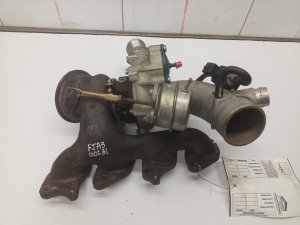
25198550, 25199832→25201063— This is the OEM part number for the complete turbocharger assembly, which includes the integrated exhaust manifold. Later part numbers typically incorporate design or material improvements.55592600, 25198546, and others→12673207 or 28290064 (market dependent)— This is the turbocharger oil feed line. It is highly recommended to replace this line when replacing the turbocharger, as the old line can become clogged with carbon deposits, leading to oil starvation and premature failure of the new turbo.
Heads up: Ensure the part fits the 1.4L LUV/LUJ engine, as it does not fit the later 1.4L LE2 direct-injected engine.
Helpful Videos

Used OEM Parts in Stock
New Aftermarket Parts Available



The information in this article is provided for general reference and educational purposes only. Vehicle specifications, procedures, and part compatibility can vary by production date, trim level, and region. Always consult your vehicle's factory service manual and verify part numbers before purchasing or performing repairs. Safety-critical components such as airbags, seat belts, and braking systems should be installed by a qualified professional.
- Chevrolet TRAX:
- 🎬 Helpful Videos
- 🛍️ Shop This Part
- What's Unique About the 2013-2020 Chevrolet TRAX
- Diagnostic Flowchart
- Symptoms You May Notice
- Most Likely Causes
- Rare But Worth Checking
- Diagnosis Steps
- Parts You'll Likely Need
- Related Codes That Often Appear With This One
- Technical Service Bulletins (TSBs) & Recalls
- Platform-Specific Known Issues
- Mechanic-Grade Diagnostic Values
- Scan Tool Commands That Help
- Real Owner Repair Stories
- "I Checked Everything" — The Actual Cause
- OEM Part Supersession History
- 🎟️ Get 5% Off