

P0299 on 2012-2019 Chevrolet Sonic 1.4L: Underboost Causes and Fixes
P0299 on a Chevy Sonic 1.4L Turbo usually means there's a boost or vacuum leak, not a bad turbo. The most common culprits are a failed PCV check valve in the intake manifold or a bad turbo bypass (diverter) valve. Check these inexpensive parts before considering a costly turbo replacement. This issue is extremely common across all vehicles with the GM 1.4L LUV engine, including the Cruze, Trax, and Buick Encore.
- P0299 on a Chevy Sonic 1.4T is most often caused by a boost leak, not a failed turbo.
- The top two suspects are the PCV check valve inside the intake manifold and the turbocharger bypass (diverter) valve.
- Always perform a smoke test to check for leaks before condemning the turbocharger.
- GM has issued multiple service bulletins (TSBs) acknowledging the diagnostic complexity and common failure points related to this code.
- Do not replace the turbocharger unless all other potential causes have been thoroughly ruled out.
What's Unique About the 2012-2019 Chevrolet SONIC

The GM 1.4L (LUJ/LUV) engine used in the Sonic, Cruze, Trax, and Buick Encore is well-known for setting the P0299 code due to systemic weaknesses in its PCV and boost control systems, rather than outright turbo failure. Many owners and technicians mistakenly jump to replacing the entire turbocharger, a fact GM acknowledged in Technical Service Bulletin #PIP5495N, which warns against misdiagnosis leading to returned turbos with no trouble found. The most frequent issues are often small, inexpensive components like a failed check valve inside the intake manifold or a faulty turbocharger bypass valve. When the intake manifold's internal check valve fails, it creates a direct path for boost pressure to leak back into the turbo inlet, creating an 'infinite' boost leak loop.
Diagnostic Flowchart

Tap your situation to follow the diagnostic path that matches what you're seeing on this vehicle.
Symptoms You May Notice

- Check Engine Light is on
- Significant loss of engine power and acceleration, car feels 'sluggish'
- Vehicle may enter "limp mode," limiting RPMs and speed
- Hissing, whistling, or high-pitched squealing sounds from the engine bay, especially at idle or under acceleration
- Unusual rattling noises from the turbo area, particularly on a cold start, pointing to the wastegate
- Rough or surging idle
- Hesitation when accelerating
- Replacing the entire turbocharger assembly without first checking for boost leaks, PCV system faults, or a bad diverter valve. TSB #PIP5495N specifically warns 🎬 Watch: Professional diagnostic tips for the P0299 low boost code. that many turbos are replaced when the fault lies elsewhere. A user on sonicownersforum.com noted that P0299 is related to the PCV system in 90% of cases.
Most Likely Causes

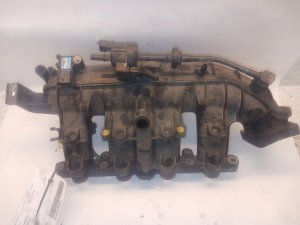
- Failed PCV Check Valve in Intake Manifold 🔴 High Probability The small, orange check valve inside the plastic intake manifold is known to degrade, become brittle, break, or get sucked into the engine. This creates a significant internal boost leak, where pressurized air from the manifold is sent directly back to the turbo inlet instead of the cylinders, creating a loop of lost pressure. This is arguably the most common cause of P0299 on this engine.
How to confirm: Remove the PCV hose from the intake manifold port. Look inside the port with a flashlight. If the orange, nipple-like check valve is missing or damaged, this is the problem. A hissing sound from the valve cover or oil cap at idle, or a suction noise when removing the oil dipstick with the engine running, are also strong indicators of a failed PCV system.
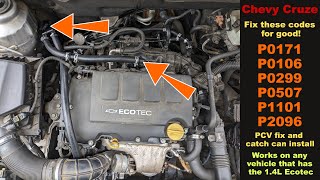
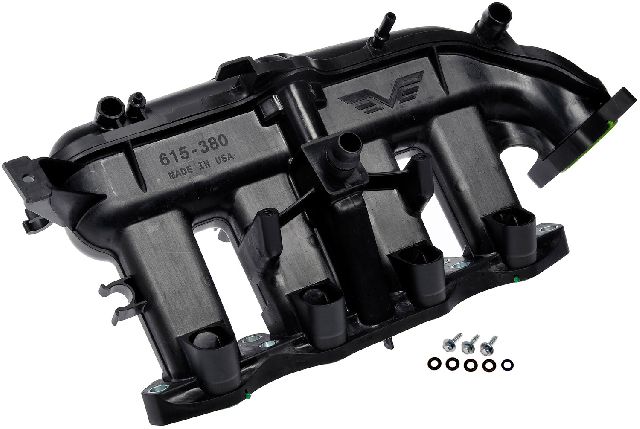
Typical fix: Do not replace the intake manifold with another OEM one that will fail again. The preferred permanent fix is to install an aftermarket PCV fix kit (like from CruzeKits) that adds a new, more durable external check valve. 🎬 See how to install a permanent PCV fix kit and catch can. Alternatively, replace the entire intake manifold with an improved aftermarket version like the Dorman 615-380, which has a redesigned valve retainer.
Est. part cost: $75-$85 for a fix kit, $150-$250 for a new Dorman intake manifold. - Faulty Turbocharger Bypass/Diverter Valve 🔴 High Probability The diaphragm in the factory diverter valve is made of rubber and is prone to tearing. The solenoid can also get stuck or gummed up from oil contamination from the PCV system, allowing boost pressure to leak instead of being held for the engine.
How to confirm: Unplug the electrical connector from the valve solenoid. If oil is present inside the connector, the valve has failed internally and is leaking oil through the solenoid body. The valve can also be removed (typically three bolts) and inspected for a torn diaphragm. Even if it clicks during an actuator test, it can still fail to seal under pressure.
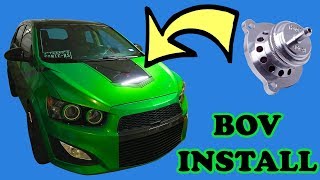
Typical fix: Replace the turbocharger bypass valve assembly. The OEM part has been updated; the original part number 25198874 was superseded by 55565495. Many owners upgrade to a more robust aftermarket piston-style version like the Go Fast Bits (GFB) DV+ (Part T9351) which eliminates the failure-prone diaphragm.
Est. part cost: $50-$150 - Boost/Vacuum Leaks 🟡 Medium Probability The plastic and rubber components of the charge air system become brittle over time. The corrugated PCV hose running from the valve cover to the turbo inlet is notoriously fragile and often cracks. Charge pipes, especially at the connection to the throttle body, can also develop leaks.
How to confirm: Perform a visual inspection of all intake and vacuum hoses for obvious cracks or loose connections. Pay close attention to the hard plastic PCV line. A smoke test is the most effective way to pinpoint hard-to-see leaks in the entire charge air system, from the turbo to the intake manifold. 🎬 Watch: How to perform a boost leak test on your 1.4L engine.
Typical fix: Replace the cracked hose, loose clamp, or faulty gasket. The brittle PCV hose is often replaced as part of a comprehensive PCV fix kit.
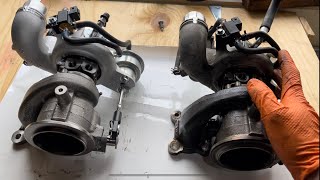
Est. part cost: $20-$150 depending on the specific part. - Worn or Sticking Turbocharger Wastegate 🟡 Medium Probability The wastegate actuator arm pivot point on the turbo housing can wear out, creating excessive play ('rattle') and preventing the wastegate from closing fully. This allows exhaust gas to bypass the turbine, preventing the turbo from building sufficient boost. TSBs PIP5023 and PI1366 were issued for this exact problem.
How to confirm: With the engine cool, remove the exhaust heat shield. Manually check the wastegate actuator arm for excessive looseness. Per TSB PI1366, if the lever wiggles back and forth with little effort while the actuator rod itself stays still, the preload is gone and the turbo is faulty. A disconnected wastegate lever arm or a seized linkage are also grounds for turbo replacement per GM.
Typical fix: Officially, Chevrolet requires replacing the entire turbocharger assembly as the wastegate is not sold separately. Some owners on forums report temporary success by adding a small clip or washer to the actuator arm to reduce play, but this is not a permanent repair. A new turbo is the correct fix.
Est. part cost: $600-$1200 for a new turbocharger assembly.
Rare But Worth Checking
- Cracked Turbocharger Housing: Small hairline cracks around the wastegate port are considered normal by GM and usually do not cause P0299 on their own. However, if cracks are large or combined with other leaks (like a bad PCV valve), they can contribute to an underboost condition.
- Clogged Catalytic Converter: A severe restriction in the exhaust system can prevent the turbo from spooling up effectively. This is often a secondary failure caused by a primary issue; for example, a failed turbo or PCV system can send excess oil into the exhaust, clogging the converter. This may be accompanied by code P0420.
- Faulty Boost Pressure (MAP) Sensor: While less common, the sensor that reads the boost pressure can fail or provide inaccurate readings to the ECM, causing a false P0299 code.
Diagnosis Steps
- Read all fault codes with an OBD-II scanner. Note any companion codes like P0171 or P1101, which strongly point to the PCV system.
- Perform a quick PCV system check with the engine idling: listen for a loud hiss or squeal from the engine cover. Try to place your finger over the small hole on the PCV regulator diaphragm on the valve cover; if the noise changes or you feel strong suction, the diaphragm has likely ruptured. Also, pull the oil dipstick; a loud whoosh of air indicates high crankcase pressure.
- Visually inspect the intake manifold PCV port for the presence of the orange check valve. Remove the PCV hose and use a flashlight. If it's missing, this is a confirmed failure and must be addressed first.
- Inspect the turbocharger bypass (diverter) valve electrical connector for oil contamination. If oil is present, the valve has failed internally and must be replaced.
- Perform a thorough visual inspection of all air intake hoses, charge pipes, and especially the brittle corrugated PCV line running to the turbo inlet for obvious cracks or loose connections.
- If no obvious faults are found, conduct a smoke test on the intake and charge air system to identify any leaks that are not visually apparent.
- With the engine cool, inspect the turbocharger wastegate actuator arm for excessive play or binding, as described in TSB PI1366. Wiggle the arm; if it feels very loose before the actuator rod moves, the turbo requires replacement.
- If all else fails, test the boost pressure sensor and its wiring to ensure it is reading correctly.
Parts You'll Likely Need

- Intake Manifold PCV Check Valve Repair Kit — The factory check valve inside the intake manifold is the top failure point causing a major internal boost leak. An external kit is a permanent, serviceable solution.
Trusted brands: CruzeKits (V3.4+ Kit is highly recommended in forums), ZZP
OEM price range: N/A
Aftermarket price range: $75-$85 - Turbocharger Bypass Valve (Diverter Valve)
(OEM #55565495 (supersedes 25198874))— The diaphragm in this valve is prone to tearing, causing a boost leak. It's a common failure point for P0299.
Trusted brands: ACDelco (OEM), Go Fast Bits (GFB) DV+ T9351 (upgraded piston design)
OEM price range: $60-$90
Aftermarket price range: $60-$150 - Intake Manifold Assembly
(OEM #55573746 (GM))— An alternative to the PCV kit if the manifold is damaged or the user prefers a full replacement. The Dorman version is redesigned to prevent the original failure.
Trusted brands: Dorman (P/N: 615-380), ACDelco (OEM)
OEM price range: $250-$350
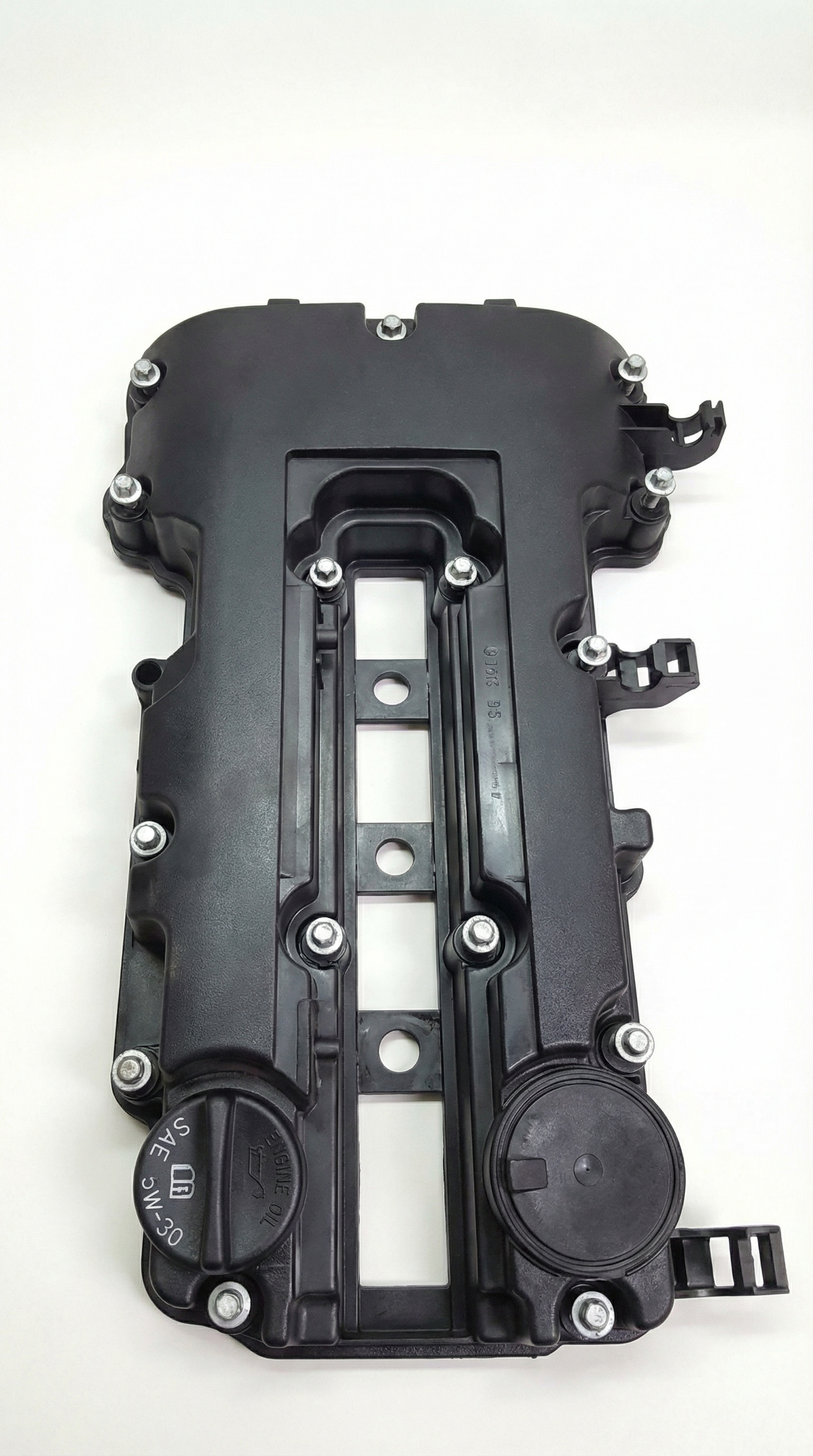
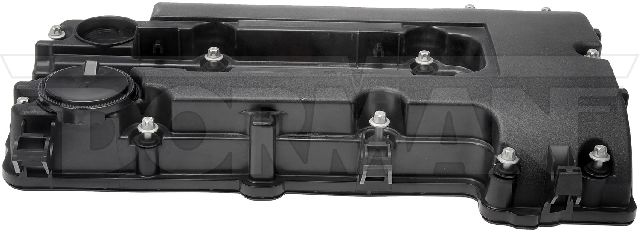
Aftermarket price range: $150-$250 - Valve Cover / Camshaft Cover
(OEM #25198874)— Often fails secondary to the intake manifold check valve. High crankcase pressure ruptures the PCV regulator diaphragm on the cover, causing a large vacuum leak.
Trusted brands: ACDelco (OEM is recommended over Dorman by forum users)
OEM price range: $50-$80
Aftermarket price range: $40-$60
Related Codes That Often Appear With This One
- P0171 — System Too Lean. A failed PCV system creates a massive unmetered air leak, causing both a lean condition (P0171) and an underboost condition (P0299). These codes frequently appear together.
- P1101 — MAF Sensor Out of Self-Test Range. A significant boost or vacuum leak from the PCV system can cause airflow readings that the ECM deems implausible, triggering P1101 along with P0299. This is a very common companion code.
- P0420 — Catalyst System Efficiency Below Threshold. This can be a consequence of the P0299 fault. If the turbo or PCV system fails and sends oil into the exhaust, it can damage the catalytic converter, triggering P0420.
- P0106 — Manifold Absolute Pressure (MAP) Sensor Performance. A major leak in the PCV system can cause erratic MAP sensor readings that conflict with other sensor data, leading to P0106 alongside P0299 and P1101.
Technical Service Bulletins (TSBs) & Recalls
- PIP5495N: Warns against misdiagnosis of P0299/P0234 and replacing turbos when the fault is elsewhere (e.g., leaks).
- PI1366 / PIP5023A: Details the procedure for inspecting the turbocharger wastegate actuator arm for excessive wear and play, which causes P0299.
- N192210230: A special coverage program for replacing the camshaft cover due to a cracking PCV diaphragm, a common related failure.
Platform-Specific Known Issues
- GM issued TSB #PIP5495N to address frequent misdiagnosis of P0299, where turbochargers were being replaced unnecessarily. The bulletin guides technicians to check for other causes first.
- GM also issued TSB #PI1366 specifically for P0299 caused by a loss of wastegate preload on 2011-2015 models, which can lead to turbo replacement if the inspection fails.
- A special coverage program (N232395330) was issued for some 2017-2018 Sonics for turbocharger failure, extending the warranty to 10 years or 120,000 miles for this specific condition.
Mechanic-Grade Diagnostic Values
- Manifold Absolute Pressure (MAP) Sensor Voltage — expected: Key On, Engine Off (KOEO): ~4.0-4.9 Volts. Engine running at idle: ~1.0-2.0 Volts. Sharp acceleration: Should change to ~4.0-4.5 Volts.. Failure: Voltage that is stuck, does not change with engine load/vacuum, or is outside the expected ranges can indicate a faulty sensor or wiring issue.
- Mass Air Flow (MAF) Sensor Voltage during KOER test — expected: 0.46 to 2.44 Volts. Failure: A voltage reading below 0.46 volts during the Key On Engine Running self-test can trigger a P1101 code, which is often associated with the vacuum leaks that cause P0299.
Scan Tool Commands That Help
- GDS2 (GM Global Diagnostic System 2): Turbocharger Boost Control Test — This is a specific drive cycle procedure outlined by GM to diagnose P0299. It involves performing several wide-open throttle accelerations while graphing the 'Desired Boost Pressure' vs. 'Actual Boost Pressure' to determine if the turbo is truly underperforming.
- GDS2 (GM Global Diagnostic System 2): ECM Induction Data List — Used during the Turbocharger Boost Control Test to monitor and log the required pressure parameters from the MAP and boost sensors.
Wiring & Ground Locations
- G100 / G103 — Located at the left front corner of the engine compartment.. These are primary grounds for the Engine Control Module (ECM) and various engine bay components. A poor connection here can cause erratic sensor readings and incorrect data for boost control.
- G105 / G106 — G105 is on the left front of the engine compartment; G106 is on the left rear of the engine block.. These grounds serve the engine block and attached sensors. Corrosion or a loose connection can interfere with signals from the crankshaft position sensor, knock sensor, and others the ECM uses to calculate expected boost.
- Engine Wiring Harness — Multiple potential chafe points exist, including against the front corner of the left cylinder head, the drive belt idler pulley bracket, and the camshaft carrier cover.. Chafing can cause shorts in critical sensor circuits (MAP, MAF, Boost Solenoid), leading to false P0299 codes or genuine performance issues. A visual inspection of the harness routing is crucial if electrical issues are suspected.
Real Owner Repair Stories
- Reddit user SirPsychoSexy22 in r/ChevySonic (Chevrolet Sonic (year not specified)) — P0299 code.
❌ Tried (didn't work) Initially suspected a failed turbocharger.
✅ What actually fixed it Performing a smoke test revealed the actual cause was a cracked charge pipe. Replacing the pipe resolved the code. - Reddit user Inept_chemist638 in r/ChevySonic (2019 Chevrolet Sonic) — P0299 code, loss of boost only on the highway at 70-80 mph and only while cruise control is active. Boost returns on restart.
❌ Tried (didn't work) Dealership diagnosed a bad turbo ($2,500 estimate)., A second shop found nothing wrong with the turbo but replaced a dirty air filter., A third shop found a loose, oil-covered hose on the intercooler and tightened it., The owner replaced the intercooler and charge pipes with aftermarket ZZP parts.
✅ What actually fixed it The user's final updates did not confirm a definitive fix, but the unique symptom of the code only appearing with cruise control engaged points towards a complex interaction between engine load calculation and a potential intermittent leak or sensor issue, rather than a simple mechanical failure. The story highlights the difficulty of diagnosing intermittent issues. - Sonic Owners Forum user Marv (Chevrolet Sonic with ~184,000 miles) — P0299 code, boost levels reading only 2-8 psi during acceleration.
❌ Tried (didn't work) AutoZone printout suggested a new turbo or exhaust manifold gasket.
✅ What actually fixed it Upon inspection, the user discovered the orange check valve inside the intake manifold was completely missing. The user confirmed this was the cause of the massive boost loss.
OEM Part Supersession History
25198550, 25199832→25201063— Standard part evolution and potential design improvements to address reliability issues.
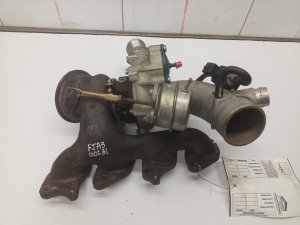
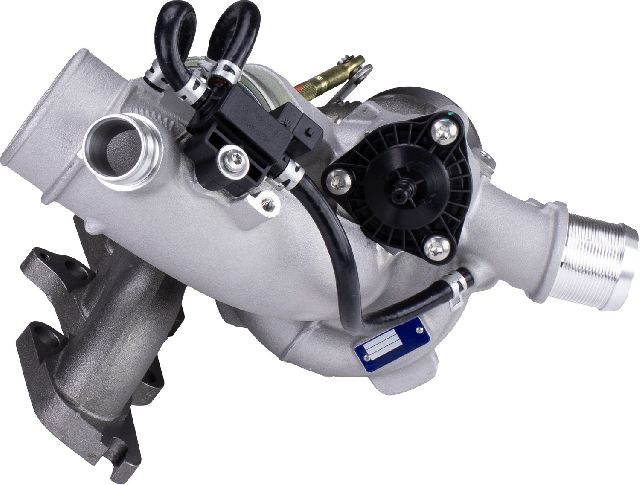
Heads up: Part 25201063 is the correct replacement turbocharger assembly for the 1.4L LUV engine.
Model Year Variations Within This Range
- 2012-2019: The 1.4L turbo engine came in two main variants: the LUJ and the LUV. While extremely similar and sharing most of the same P0299 failure points (PCV, wastegate, etc.), there can be minor differences in some components or software versions over the production run. The turbocharger assembly itself, part #25201063, is specified for the LUV engine (VIN 'B'). Owners should always verify parts by VIN.
Helpful Videos
Used OEM Parts in Stock
New Aftermarket Parts Available


The information in this article is provided for general reference and educational purposes only. Vehicle specifications, procedures, and part compatibility can vary by production date, trim level, and region. Always consult your vehicle's factory service manual and verify part numbers before purchasing or performing repairs. Safety-critical components such as airbags, seat belts, and braking systems should be installed by a qualified professional.
- Chevrolet SONIC:
- 🎬 Helpful Videos
- 🛍️ Shop This Part
- What's Unique About the 2012-2019 Chevrolet SONIC
- Diagnostic Flowchart
- Symptoms You May Notice
- Most Likely Causes
- Rare But Worth Checking
- Diagnosis Steps
- Parts You'll Likely Need
- Related Codes That Often Appear With This One
- Technical Service Bulletins (TSBs) & Recalls
- Platform-Specific Known Issues
- Mechanic-Grade Diagnostic Values
- Scan Tool Commands That Help
- Wiring & Ground Locations
- Real Owner Repair Stories
- OEM Part Supersession History
- Model Year Variations Within This Range
- 🎟️ Get 5% Off