

P0299 on 2019-2023 Cadillac XT4: Turbo Underboost Causes and Fixes
On a 2019-2023 Cadillac XT4, code P0299 is most often caused by a faulty Charge Air Bypass Valve, a missing wastegate retaining clip, or charge air cooler icing in cold climates, all confirmed by GM Technical Service Bulletins. Fixes range from installing a small clip or grille cover to replacing a valve, with costs typically between $150 to $500.
- For a 2019-2023 Cadillac XT4, P0299 is very likely caused by a specific component failure noted in a GM service bulletin.
- Before suspecting a major boost leak or a failed turbo, inspect the wastegate actuator retaining clip and the charge air bypass valve.
- A visual inspection and possibly a smoke test are the first diagnostic steps.
- The repair may be as simple as installing a new clip or replacing a relatively inexpensive valve, rather than a costly turbo replacement.
What's Unique About the 2019-2023 Cadillac XT4

The Cadillac XT4, along with other GM vehicles using the 2.0L LSY turbo engine, was subject to several manufacturer service bulletins specifically for code P0299 shortly after its launch. This indicates early production issues related to specific turbocharger components, such as a wastegate retaining clip and a charge air bypass valve, making these items top suspects. Additionally, GM has identified charge air cooler icing as a cause in cold climates, providing a specific winter grille cover as a solution.
Diagnostic Flowchart
Tap your situation to follow the diagnostic path that matches what you're seeing on this vehicle.
Symptoms You May Notice
- Check Engine Light is on
- Reduced engine power or "limp mode"
- Noticeable lack of acceleration
- Poor fuel economy
- Unusual whistling or hissing noises from the engine bay
- Hesitation on acceleration, especially in cold weather
- Replacing the turbocharger assembly when only a small, inexpensive component like the wastegate clip or bypass valve has failed.
- Replacing the Charge Air Bypass Valve without first inspecting it with a borescope, as removing it can temporarily resolve the 'stuck' condition, leading to the belief the part was not faulty.
Most Likely Causes

- Stuck or Faulty Charge Air Bypass Valve 🔴 High Probability GM issued Technical Service Bulletin #PIP5889A specifically identifying a sticking Charge Air Bypass Valve as a possible cause for P0299 on 2021-2023 XT4 models and its platform mates with the 2.0L LSY engine. This valve, also known as a diverter valve, can get stuck open intermittently, preventing boost pressure from building.
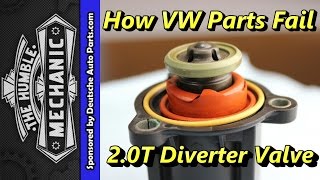
How to confirm: A technician must inspect the valve, ideally with a borescope, to see if it is stuck in the open position. TSB #PIP5889A warns that removing the valve for inspection could unstick it, leading to a misdiagnosis. 🎬 See how this diverter valve fails and causes underboost.
Typical fix: Replacement of the Charge Air Bypass Valve.
Est. part cost: $65-$110 - Missing Turbocharger Wastegate Lever Retaining Clip 🔴 High Probability TSB #PIP5643 was released for 2019 models due to the wastegate retaining clip on the wastegate lever potentially falling off. This causes the actuator rod to become disconnected from the wastegate arm, leaving the wastegate uncontrolled and unable to build boost.
How to confirm: Visually inspect the turbocharger wastegate actuator rod and lever to see if the retaining clip is missing from the connection point.
Typical fix: Install a new retaining clip. In some early cases, GM advised replacing the entire turbocharger assembly if the clip was not available separately.
Est. part cost: $5-$20 - Charge Air Cooler (CAC) Icing in Cold Weather 🟡 Medium Probability In ambient temperatures consistently below freezing (0°F / -18°C), moisture from the PCV system and atmosphere can freeze inside the charge air cooler, creating a physical blockage that restricts airflow and triggers P0299. GM released TSB 21-NA-229 to address this specific issue on LSY engines.
How to confirm: The issue typically occurs within the first 10-15 minutes of operation in freezing temperatures and may resolve as the engine warms up. Diagnosis is primarily based on environmental conditions. A technician may also find DTCs P2227 or P0300 set.
Typical fix: GM's solution is to install a Winter Grille Cover over the lower grille opening to reduce cold air flow across the CAC. In some cases, an ECM reprogram is also performed to alter transmission shift patterns to keep engine RPMs higher in cold weather.
Est. part cost: $50-$100 for the grille cover - Boost Pressure Leak 🟡 Medium Probability Like any turbocharged vehicle, the pressurized air hoses (charge pipes) and intercooler can develop cracks or loose connections. Real-world owner reports on platform mates mention finding a disconnected vacuum line for the bypass solenoid or broken exhaust clamps causing this code.
How to confirm: Perform a visual inspection of all intake hoses and clamps between the turbo and the throttle body. A smoke test is the most effective way to pinpoint leaks in the charge air system. 🎬 Watch: How to find boost leaks and fix limp mode.
Typical fix: Tighten loose clamps, reconnect vacuum lines, or replace the cracked hose or damaged intercooler.
Est. part cost: $50-$400 - Faulty Boost Pressure Sensor (MAP Sensor) ⚪ Low Probability
How to confirm: Use a diagnostic scan tool to monitor the boost pressure reading. If the reading is erratic, stuck, or does not change with engine RPM, the sensor may be faulty. A YouTube video diagnosing an XT4 showed a malfunctioning MAP sensor contributing to performance issues.
Typical fix: Replace the boost pressure sensor.
Est. part cost: $40-$90
Rare But Worth Checking
- Vehicle Ran Out of Fuel: TSB #PIP5649 notes a strange condition where code P0299 can be set after the vehicle runs out of fuel and the engine stalls. This is a diagnostic tip for technicians and not a direct mechanical cause, likely related to engine management software logic.
- Failed Turbocharger: While less common than the component failures listed above, internal turbo failure (worn bearings, damaged turbine/compressor wheels) can cause underboost. This is usually a last resort after all other possibilities have been ruled out. TSB PIP5889A advises checking for compressor wheel damage as a preliminary step.
Diagnosis Steps

- Read the fault codes with an OBD-II scanner.
- Note the ambient temperature and conditions. If consistently below freezing, consider CAC icing per TSB 21-NA-229 as a primary possibility.
- Visually inspect the entire air intake tract from the air filter to the throttle body for loose clamps, disconnected hoses, or obvious cracks. Check vacuum lines near the turbo.
- Specifically inspect the turbocharger wastegate actuator rod for a missing retaining clip, as detailed in TSB #PIP5643, especially on 2019 models.
- Using a borescope, inspect the Charge Air Bypass Valve for being stuck open, as recommended by TSB #PIP5889A. Avoid removing the valve initially as this may temporarily correct the fault.
- If no visual faults are found, perform a smoke test on the charge air system to identify any hard-to-see leaks.
- Using a scan tool, monitor live data for the boost pressure sensor. Check if the pressure builds during a controlled test drive.
- If all other components and the system integrity are confirmed to be good, inspect the turbocharger for shaft play or damaged fins, which would indicate a mechanical failure of the turbo itself. 🎬 Watch: A mechanic's guide to checking your turbocharger for damage.
Parts You'll Likely Need

- Charge Air Bypass Valve
(OEM #12686018)— This valve is known to stick open, causing a direct loss of boost pressure. TSB #PIP5889A points directly to this part as a common failure item on 2021-2023 LSY engines.
Trusted brands: ACDelco, GM Genuine
OEM price range: $65-$110
Aftermarket price range: $45-$80 - Turbocharger Wastegate Actuator Retaining Clip — TSB #PIP5643 identified that this small clip can fall off on 2019 models, disconnecting the wastegate actuator rod and causing a total loss of boost control. The part may not be sold separately from the actuator or turbocharger by GM.
Trusted brands: GM Genuine
OEM price range: $5-$20 - Winter Grille Cover
(OEM #Varies by model, provided with TSB instructions)— This is the official GM-prescribed part to fix P0299 caused by Charge Air Cooler icing in cold climates, as detailed in TSB 21-NA-229.
Trusted brands: GM Genuine
OEM price range: $50-$100
Related Codes That Often Appear With This One
- P0101 — Mass Air Flow (MAF) Sensor Performance - A significant air leak in the turbo system can cause the MAF sensor readings to be inconsistent with what the engine expects, triggering a P0101 code alongside P0299.
- P0171 — System Too Lean - If unmetered air enters the system through a leak after the MAF sensor, it can create a lean fuel condition, which may be seen with an underboost code.
- P2227 — Barometric Pressure Sensor Performance - This code is often seen with P0299 in cases of Charge Air Cooler icing, as the airflow restriction affects pressure readings throughout the intake system.
Technical Service Bulletins (TSBs) & Recalls
- PIP5889A: Communicates the possibility of DTC P0299 due to a stuck open Charge Air Bypass Valve.
- PIP5643: Warns of the wastegate retaining clip on the wastegate lever falling off and causing DTC P0299.
- 21-NA-229: Details the procedure for addressing Charge Air Cooler icing in cold weather, including the installation of a winter grille cover.
- PIP5540J: A diagnostic tip related to poor performance in cold temperatures due to CAC icing, often referenced by other TSBs.
- PIP5649: Contains a diagnostic tip related to P0299 setting after the vehicle runs out of fuel.
- PIE0503B: Engineering bulletin ending the need for field information on P0299.
- PIE0503: Engineering bulletin requesting field information on P0299 and reduced engine power.
Platform-Specific Known Issues
- Early production 2019 models were prone to losing the wastegate actuator retaining clip, leading to P0299 (TSB #PIP5643).
- 2021-2023 models are specifically called out in a TSB for having the Charge Air Bypass Valve stick open, causing P0299 (TSB #PIP5889A).
- All models with the 2.0L LSY engine operating in cold climates can suffer from Charge Air Cooler (CAC) icing, which causes a temporary underboost condition (TSB 21-NA-229).
Mechanic-Grade Diagnostic Values
- Manifold Absolute Pressure (MAP) Sensor at Idle — expected: 3.8 - 7.5 PSI. Failure: Readings that are stuck or fall below 3.8 PSI during deceleration can indicate a faulty sensor or a significant vacuum leak.
- Manifold Absolute Pressure (MAP) Sensor Voltage (Key On, Engine Off) — expected: 4.0 - 5.0 Volts. Failure: Voltage outside this range indicates a sensor or wiring issue before the engine is even started.
- Manifold Absolute Pressure (MAP) Sensor Voltage (Idling) — expected: 0.5 - 2.0 Volts. Failure: Voltage higher than this range at idle suggests the sensor is not correctly reading engine vacuum.
- Fuel Injector Control Voltage — expected: 65 Volts. Failure: This is a reference value; testing requires specialized equipment. It indicates the high voltage the ECM uses to control the direct injectors.
Hidden / Shadow Codes Worth Checking
- Sub-codes related to P0299: Advanced scanners may show sub-codes or symptom bytes that provide more specific information about what triggered the P0299, such as distinguishing between a leak, a sensor fault, or a mechanical issue. (see via Dealer-level scan tools (like GM GDS2) or some high-end professional scanners available at auto parts stores or independent shops.)
Scan Tool Commands That Help
- GM GDS2 (or equivalent professional scanner): Intake System Learn Value Reset — This procedure is required after repairing any leaks in the charge air cooler or induction system. Failure to perform this reset can result in the P0299 code returning even after the physical repair is complete.
- GM GDS2 (or equivalent professional scanner): Fuel Trim Reset — Should be performed after intake or fuel system repairs to force the ECM to relearn long-term fuel adjustments from a baseline, which can be skewed by a long-term boost leak.
- GM GDS2 (or equivalent professional scanner): Clear any remaining DTC's using GDS and evaluate. — This is the final step recommended in TSB #PIP5889A after replacing the Charge Air Bypass Valve to ensure the system is reset and the fault is cleared from the module's history.
Real Owner Repair Stories
- Reddit user No_Storm5724 (2020 Cadillac CT4-V (uses LSY engine family)) — Check Engine Light with code P0299.
❌ Tried (didn't work) Owner initially suspected spark plugs or coil packs.
✅ What actually fixed it The dealership service department found that the clamps for the exhaust had broken or popped off, causing a pre-turbo exhaust leak. The repair was covered under warranty.
"I Checked Everything" — The Actual Cause
- A smoke test of the intake system would come back clean if the P0299 is caused by the stuck Charge Air Bypass Valve described in TSB #PIP5889A. The valve is internal to the turbo assembly and doesn't create an external leak, but it internally bleeds off boost pressure.
- A smoke test would also pass if the cause is the missing wastegate retaining clip from TSB #PIP5643, as this is a mechanical control issue, not a pressure leak.
- If the cause is a pre-turbo exhaust leak, such as broken exhaust clamps, a smoke test on the intake/charge air system will not show any faults. The leak is on the exhaust side, preventing the turbo from spooling effectively.
OEM Part Supersession History
12669111, 12669112, 12669113, 12669114→12686018— Part revision and consolidation by the manufacturer. The new part is the current service replacement for the Charge Air Bypass Valve / Wastegate Regulator Solenoid.
Model Year Variations Within This Range
- 2019 only: Prone to losing the turbocharger wastegate lever retaining clip, as per TSB #PIP5643.
- 2021-2023: Specifically identified as being prone to a sticking Charge Air Bypass Valve, as per TSB #PIP5889A.
- 2022: The 2.0L LSY engine was slightly re-rated from 237 hp to 235 hp due to software changes. This is not expected to materially affect the diagnosis of P0299.
Helpful Videos
We Have This Part in Stock


The information in this article is provided for general reference and educational purposes only. Vehicle specifications, procedures, and part compatibility can vary by production date, trim level, and region. Always consult your vehicle's factory service manual and verify part numbers before purchasing or performing repairs. Safety-critical components such as airbags, seat belts, and braking systems should be installed by a qualified professional.
- Cadillac XT4:
- 🎬 Helpful Videos
- 🛍️ Shop This Part
- What's Unique About the 2019-2023 Cadillac XT4
- Diagnostic Flowchart
- Symptoms You May Notice
- Most Likely Causes
- Rare But Worth Checking
- Diagnosis Steps
- Parts You'll Likely Need
- Related Codes That Often Appear With This One
- Technical Service Bulletins (TSBs) & Recalls
- Platform-Specific Known Issues
- Mechanic-Grade Diagnostic Values
- Hidden / Shadow Codes Worth Checking
- Scan Tool Commands That Help
- Real Owner Repair Stories
- "I Checked Everything" — The Actual Cause
- OEM Part Supersession History
- Model Year Variations Within This Range
- 🎟️ Get 5% Off