

P0267 on 2009-2014 Buick Enclave: Cylinder 3 Injector Circuit Low Causes and Fixes
This code indicates a low voltage problem in the cylinder 3 fuel injector circuit. The most common causes are a faulty fuel injector or a damaged wiring harness chafing against the engine. Expect to pay $100-$200 for a new injector and potentially more if the wiring harness needs repair. Driving with this code can damage the catalytic converter.
- P0267 on a Buick Enclave means there's an electrical fault in the cylinder 3 fuel injector circuit, not necessarily a clogged injector.
- The most likely cause is a failed fuel injector, which is a common issue on these direct-injection engines.
- Before buying parts, inspect the wiring harness carefully for chafing, as recommended by GM's own service bulletin (PIP4924D). Common rub spots are against the intake, valve covers, and fuel lines.
- A simple way to confirm a bad injector is to swap it with one from another cylinder and see if the trouble code follows the injector.
- Do not ignore this code. The resulting misfire will cause a P0303 code and can lead to costly damage to your catalytic converter.
What's Unique About the 2009-2014 Buick ENCLAVE
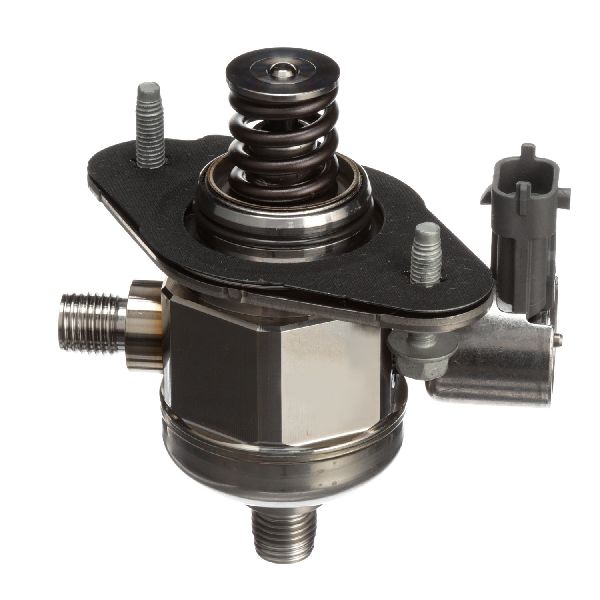
The 2009-2014 Buick Enclave and its platform mates (Chevy Traverse, GMC Acadia) use a 3.6L V6 engine with Spark Ignition Direct Injection (SIDI). Unlike traditional port injection, these direct injectors operate under very high pressure and are a known failure point. GM has issued a specific Technical Service Bulletin (TSB PIP4924D) that covers a wide range of injector codes, including P0267. 🎬 Watch: Understanding the causes of the P0267 error code. The TSB points towards the fuel injector wiring harness chafing against engine components as a very common problem on this platform, in addition to the injectors themselves failing.
Diagnostic Flowchart
Tap your situation to follow the diagnostic path that matches what you're seeing on this vehicle.
Symptoms You May Notice
- Check Engine Light is on (may be flashing if the misfire is severe)
- Rough or vibrating idle
- Engine hesitation, stumbling, or bucking during acceleration.
- Noticeable loss of engine power.
- Reduced fuel economy
- Engine may stall in some cases
- Replacing the spark plug or ignition coil for cylinder 3 without first diagnosing the fuel injector circuit. While these parts can cause a misfire (P0303), they do not cause an injector circuit code like P0267. The presence of P0267 specifically points to an electrical fault in the fuel delivery system for that cylinder.
Most Likely Causes
- Faulty Cylinder 3 Fuel Injector 🔴 High Probability Direct injectors on the 3.6L V6 are a known failure point across the GM Lambda platform. Internal electrical faults (shorts or opens) can develop, causing the low circuit voltage condition.
How to confirm: Swap the cylinder 3 fuel injector with one from another cylinder (e.g., cylinder 1). Clear the codes and drive the vehicle. If the code changes to P0261 (Cylinder 1 Injector Circuit Low), the injector is faulty. A professional can also perform a fuel injector balance test with a GM-specific scan tool.
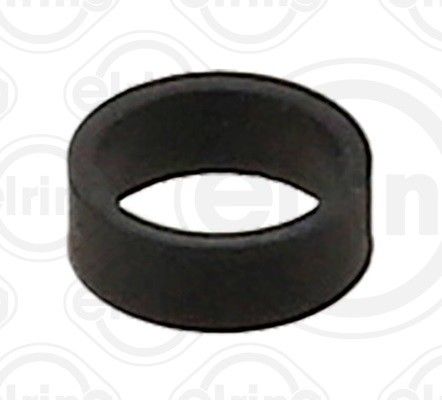
Typical fix: Replace the faulty fuel injector and its associated Teflon seal and O-rings. It is often recommended to replace all injectors on the same bank at the same time.
Est. part cost: $90-$215 - Wiring Harness or Connector Issue 🟡 Medium Probability GM TSB #PIP4924D specifically calls out inspecting the fuel injector wiring harness for damage. Wires can chafe against the intake plenum, valve cover bolts, fuel lines, or the side of the cylinder head, causing a short to ground or an open circuit.
How to confirm: Visually inspect the wiring harness leading to the cylinder 3 injector for any signs of rubbing, melting, or breaks. Pay extremely close attention to the specific chafe points mentioned in the TSB. Check the connector for corrosion, backed-out, or bent pins. Use a multimeter to test for continuity and shorts to ground from the injector connector to the ECM.
Typical fix: Repair the damaged section of the wiring harness with a new pigtail connector or by soldering and heat-shrinking the broken wire. If damage is extensive, the entire injector harness may need replacement.
Est. part cost: $15-$300 - Faulty Powertrain Control Module (PCM/ECM) ⚪ Low Probability
How to confirm: This is diagnosed by exclusion. If the injector and wiring have both been tested and confirmed to be good (no shorts, no opens, good resistance), the PCM's internal driver circuit for that injector is the likely cause.
Typical fix: Replace and reprogram the Powertrain Control Module. This must be programmed to the vehicle's VIN.
Est. part cost: $300-$700
Rare But Worth Checking
- Fuel Injection Control Module (FICM) Failure:
Diagnosis Steps
- Read the codes with an OBD-II scanner to confirm P0267 and note any other codes present, especially P0303.
- Visually inspect the wiring harness and connector for the cylinder 3 fuel injector. Per TSB PIP4924D, pay close attention to areas where the harness may rub against the intake plenum, valve cover bolts, and fuel lines.
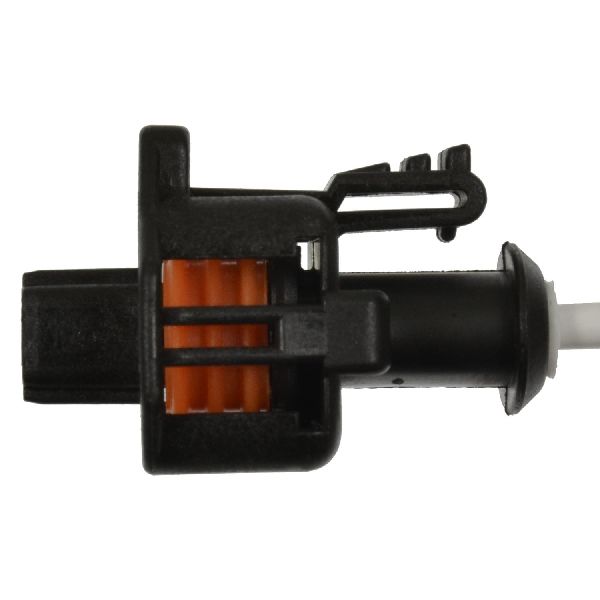
- Unplug the connector and inspect for a secure fit, corrosion, or damaged/bent pins.
- If the wiring looks good, use a multimeter to check the resistance of the fuel injector. Compare the reading to the other injectors; a reading that is significantly different (open circuit or shorted) indicates a faulty injector.
- The most definitive DIY test is to swap the cylinder 3 fuel injector with another one (e.g., cylinder 1). Clear the codes and drive the vehicle. If the code returns as P0261 (for cylinder 1), the injector is bad. If P0267 returns, the problem is in the wiring or ECM.
- If the problem persists after swapping the injector, perform a continuity test on the injector's power and control wires from the injector connector back to the ECM connector to find any opens or shorts to ground.
- If both the injector and wiring are confirmed to be good, the ECM is the likely culprit and requires professional diagnosis.
Parts You'll Likely Need
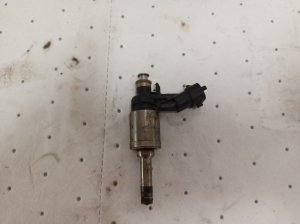
- Direct Fuel Injector
(OEM #12638530, superseded by 12669384)— This is the most common failure part for a P0267 code on this vehicle. An internal short or open circuit in the injector triggers the low voltage reading.
Trusted brands: ACDelco, Bosch, Standard Motor Products
OEM price range: $100-$180
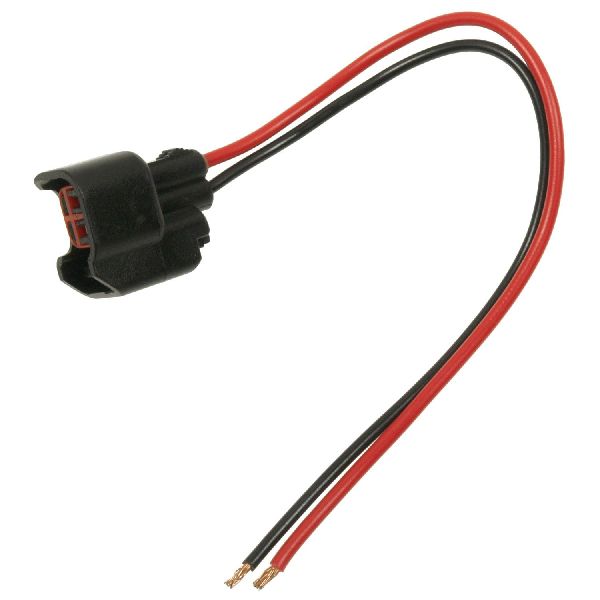
Aftermarket price range: $70-$150 - Fuel Injector Wiring Harness Pigtail — If the wiring is damaged right at the connector, replacing the pigtail is the standard repair. This is common due to harness chafing issues.
Trusted brands: ACDelco, Dorman
OEM price range: $25-$50
Aftermarket price range: $15-$30
Related Codes That Often Appear With This One
- P0303 — P0303 means 'Cylinder 3 Misfire Detected'. Since P0267 indicates an electrical fault that prevents the cylinder 3 injector from firing correctly, the cylinder will not have proper combustion, directly causing a misfire. This code is almost always present with P0267.
- P0203 — This is a more general 'Injector Circuit/Open - Cylinder 3' code. It often appears with P0267 as they both point to an electrical fault in the same circuit, just with slightly different trigger conditions detected by the ECM.
- P0261, P0264, etc. — As noted in TSB PIP4924D, if the wiring harness has a common point of failure (a chafe point), it can damage wires for multiple injector circuits simultaneously, causing several related codes to appear at once.
Technical Service Bulletins (TSBs) & Recalls
- PIP4924D: SES Light And Misfire With Injector Codes. Advises inspection of the fuel injector wiring harness for specific chafe points.
Platform-Specific Known Issues
- TSB #PIP4924D: Injector Wiring Harness Chafing: GM issued this bulletin for a Service Engine Soon light and misfire accompanied by a wide range of injector codes, including P0267. The bulletin advises technicians to carefully inspect the fuel injector wiring harness for chafing or internal wire breaks, particularly against the intake plenum, at valve cover bolts, against the fuel line, and on the side of the head under the plenum.
Mechanic-Grade Diagnostic Values
- Fuel Injector Resistance (2012-2014 LFX Engine) — expected: 1.2 - 2.2 Ohms. Failure: A reading of 0 Ohms (short) or infinite/OL (open) indicates a failed injector.
- Fuel Injector Resistance (2009-2011 LLT Engine) — expected: 1.5 - 2.2 Ohms. Failure: A reading significantly outside this range indicates a bad injector. Note: Some sources incorrectly state a much higher resistance for Piezo injectors, but service data points to this lower range for the LLT's solenoid-type DI injectors.
- Injector Connector Voltage (Key On, Engine Off) — expected: 11.5 - 12.5 Volts (Battery Voltage). Failure: Low or no voltage (below 9V) on the power supply wire points to a problem in the feed circuit from the fuse block.
- Injector Control Wire to Ground (Continuity Test) — expected: Infinite Resistance / OL (Open Line). Failure: Any continuity or low resistance reading indicates a short to ground in the control wire between the ECM and the injector, which is a common cause for a 'Circuit Low' code.
- Injector Balance Test Pressure Drop (GM Scan Tool) — expected: The pressure drop for each injector should be within 1.5 PSI (10 kPa) of the average for all six injectors.. Failure: An injector with a pressure drop significantly different from the others is either clogged (less drop) or leaking (more drop).
Scan Tool Commands That Help
- GM GDS2 / Tech 2: Fuel Injector Balance Test — This is a key diagnostic function used to verify if an injector is mechanically faulty (clogged or leaking). The tool commands each injector to fire for a specific duration and measures the corresponding drop in fuel rail pressure. Comparing the pressure drop across all cylinders can isolate a malfunctioning injector without having to physically remove it first.
- GM GDS2 / Tech 2: Injector Test (Buzz Test) — This is a simple bidirectional command that activates the solenoid in a specific injector, creating an audible 'click' or 'buzz'. It's a quick way to confirm if the injector's coil is receiving an electrical signal and is capable of actuating. If no buzz is heard from cylinder 3, it points strongly to a wiring or injector coil failure.
Wiring & Ground Locations
- Cylinder 3 Injector Control Wire — On the ECM's J2 connector (73-way), this is typically pin J2-32, a Light Green/Black wire.. This is the specific wire that the ECM uses to ground-side switch the cylinder 3 injector. A short to ground anywhere along this wire will cause a P0267. Technicians can back-probe this pin at the ECM to see if the fault is in the module or the harness.
- G110 — On the right front of the engine, mounted directly to the cylinder head.. This is a primary engine ground. While not directly for the injector circuit, a poor connection at this ground can cause electrical noise and voltage drop issues that may affect various engine sensors and actuators, potentially contributing to control module problems.
- G113 — Located on the left side of the engine, at an engine-to-transmission stud.. This is another critical engine block ground. A loose or corroded connection here can create unstable reference voltages for the ECM, which can lead to misdiagnosis of component failures.
OEM Part Supersession History
12638530→12669384— GM updated the part for improved reliability and manufacturing consistency.
Heads up: The original part 12638530 is specified for the 2009-2011 Enclave (LLT engine). The later LFX engine (2012+) uses a different injector design. Always verify the correct part number with the vehicle's VIN before purchasing.12632255→12638530, then 12669384— Early part number in the service life of the LLT engine, subsequently updated.
Model Year Variations Within This Range
- 2009-2011: These models use the 3.6L LLT V6 engine. This engine uses a Bosch ECM and corresponding fuel injectors (PN 12638530, superseded by 12669384).
- 2012-2014: These models use the updated 3.6L LFX V6 engine. The LFX features a lighter composite intake manifold, integrated exhaust manifolds, and uses a Delphi ECM. The fuel injectors and wiring are not interchangeable with the earlier LLT models. While the P0267 code's meaning is the same, the specific part numbers and diagnostic values for the injector differ.
Helpful Videos

Used OEM Parts in Stock
New Aftermarket Parts Available


The information in this article is provided for general reference and educational purposes only. Vehicle specifications, procedures, and part compatibility can vary by production date, trim level, and region. Always consult your vehicle's factory service manual and verify part numbers before purchasing or performing repairs. Safety-critical components such as airbags, seat belts, and braking systems should be installed by a qualified professional.
- Buick ENCLAVE:
- 🎬 Helpful Videos
- 🛍️ Shop This Part
- What's Unique About the 2009-2014 Buick ENCLAVE
- Diagnostic Flowchart
- Symptoms You May Notice
- Most Likely Causes
- Rare But Worth Checking
- Diagnosis Steps
- Parts You'll Likely Need
- Related Codes That Often Appear With This One
- Technical Service Bulletins (TSBs) & Recalls
- Platform-Specific Known Issues
- Mechanic-Grade Diagnostic Values
- Scan Tool Commands That Help
- Wiring & Ground Locations
- OEM Part Supersession History
- Model Year Variations Within This Range
- 🎟️ Get 5% Off