

P0262 on 2009-2013 Chevrolet Malibu: Cylinder 1 Injector Circuit High Causes and Fixes
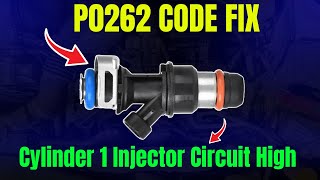
P0262 on a 2009-2013 Malibu indicates an electrical fault in the cylinder 1 fuel injector circuit. The most common fixes are replacing a faulty fuel injector or repairing a damaged wiring harness. A new injector costs between $50 and $150. Before replacing parts, inspect the wiring harness for chafing, a known issue on this platform.
- P0262 is an electrical problem with the cylinder 1 injector circuit, not a fuel flow problem.
- The most likely cause is a faulty fuel injector, but a damaged wiring harness is a very close second, especially on this platform.
- Always inspect the wiring harness for chafing near the ECM bracket and shock towers before replacing the fuel injector.
What's Unique About the 2009-2013 Chevrolet MALIBU
For this generation of Malibu, which includes both 4-cylinder and V6 engines, wiring issues are a known concern. A key GM Technical Service Bulletin (TSB #PIP4924C) covers a wide range of injector codes, including P0262, pointing specifically to inspecting the fuel injector wiring harness for damage. Another TSB for similar GM platforms, #21-NA-149, provides explicit detail on where to look for harness chafing: against the ECM/TCM bracket, the upper control arm, and the shock tower bolt. This strongly suggests that before replacing the injector itself, a thorough check of the wiring for chafing or melting is a critical first step for Malibu owners. A separate Preliminary Information bulletin (PI0296) for the 2.4L engine specifically calls out chafing of the #1 injector wiring near the alternator and upper radiator hose.
Diagnostic Flowchart
Tap your situation to follow the diagnostic path that matches what you're seeing on this vehicle.
Generation note: The 2009-2012 models are part of the 7th generation, which offered 2.4L I4, 3.5L V6, and 3.6L V6 engines. The 2013 model year marks the start of the 8th generation, which used 2.0L I4, 2.4L I4, and 2.5L I4 engines. While the P0262 code has the same meaning for all, the specific fuel injector part numbers and wiring harness routing will differ between these engines and generations.
Symptoms You May Notice
- Check Engine Light is on (or flashing in severe cases)
- Rough or shaking idle
- Engine misfire, sometimes felt as a stumble or pop during acceleration
- Reduced engine power and poor acceleration
- Worse than normal fuel economy
- Strong fuel smell from the exhaust
- Black smoke from the exhaust in some cases
- Replacing the spark plug or ignition coil for cylinder 1. While these can cause a misfire, they will not set a P0262 injector circuit code.
- Assuming the injector is clogged. P0262 is an electrical code, not a fuel flow code. Cleaning the injector will not fix a circuit high fault. 🎬 See this quick breakdown of P0262 causes and fixes.
Most Likely Causes
- Faulty Cylinder 1 Fuel Injector 🔴 High Probability Injectors can fail over time as the internal electrical coil shorts out or develops high resistance, causing a high current draw or an out-of-spec voltage reading.
How to confirm: Disconnect the injector and measure the resistance between its two electrical pins with a multimeter. Compare the reading to the manufacturer's specification. For the 2.4L engine, the spec is 11-14 Ohms. For the 3.6L V6 (LFX, direct injection), the spec is much lower, around 1.2-2.3 Ohms. A reading of zero, infinity (open), or significantly outside the specified range indicates a faulty injector. You can also compare the reading to the other injectors; they should all be very similar.
Typical fix: Replace the cylinder 1 fuel injector. It is often recommended to replace all injectors at the same time, especially on higher mileage vehicles, to ensure balanced fuel flow.
Est. part cost: $40-$150 - Damaged Fuel Injector Wiring Harness 🟡 Medium Probability GM TSB #PIP4924C and #21-NA-149 specifically call out inspecting the injector harness for rubbing or internal wire opens on these vehicles and similar platforms. Wires can chafe against engine components or brackets (like the ECM bracket or shock tower). GM bulletin PI0296 also identifies a specific chafe point for the #1 injector harness near the alternator and upper radiator hose on 2.4L engines.
How to confirm: Visually inspect the entire length of the wiring harness leading to the cylinder 1 fuel injector. Pay close attention to the areas mentioned in TSBs: the ECM/TCM bracket, upper control arm, shock tower bolt, and near the alternator. Look for melted plastic, exposed copper wire, or areas where the harness is rubbing. Use a multimeter to check for continuity from the injector connector to the ECM connector and to check for a short to power on the control wire.
Typical fix: Repair the damaged section of wire using solder and heat shrink tubing. If the damage is near the connector, replace the connector pigtail. In severe cases, the entire engine wiring harness may need replacement.
Est. part cost: $15-$50 for a pigtail, $500+ for a harness - Corroded or Loose Injector Connector ⚪ Low Probability Vibration and exposure to the elements can cause the connector to become loose or allow moisture to enter, leading to corrosion.
How to confirm: Unplug the connector from the fuel injector and inspect the pins on both the injector and the connector side for green or white corrosion, or any bent or pushed-out pins. Ensure the connector clicks securely into place.
Typical fix: Clean the terminals with an electrical contact cleaner and a small brush. Apply dielectric grease to the connector before reassembly to prevent future corrosion. If the pins are damaged or the connector housing is broken, replace the connector pigtail.
Est. part cost: $15-$50
Rare But Worth Checking
- Faulty Engine Control Module (ECM): This is the least likely cause. The internal driver circuit for the injector can fail, but all other possibilities (wiring, injector) must be definitively ruled out before condemning the ECM. A constantly lit noid light during testing can point to a failed ECM driver that is stuck 'on'.
Diagnosis Steps
- Scan the vehicle for all DTCs. Note if P0262 is accompanied by a P0301 misfire code or other injector circuit codes.
- Visually inspect the wiring harness for the cylinder 1 fuel injector. Per TSBs, pay close attention to where the harness passes the ECM bracket, upper control arm, shock tower bolt, and alternator.
- Inspect the electrical connector at the injector for corrosion, damage, or loose pins.
- Disconnect the injector and measure its internal resistance with a multimeter. For a 2.4L engine, expect 11-14 Ohms. For a 3.6L V6, expect 1.2-2.3 Ohms. A reading significantly outside the specified range indicates a faulty injector.
- Use a 'noid light' on the injector connector while cranking the engine. A properly flashing light indicates the ECM and wiring are likely good, pointing to the injector itself. A constantly lit noid light suggests a short to power in the harness or a stuck-open ECM driver. No light suggests an open circuit in the wiring.
- If a wiring fault is suspected, perform a continuity test on the control and power wires between the injector connector and the ECM connector. Also check for any shorts to ground or voltage.
- If the wiring and injector test good, the final step is to test the injector driver circuit at the ECM, which may require a professional.
- After any repair, clear the codes and perform a test drive to ensure the fault does not return.
Parts You'll Likely Need
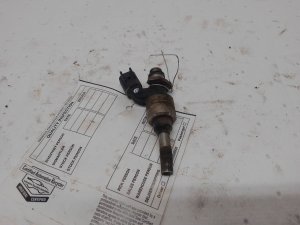
- Cylinder 1 Fuel Injector
(OEM #12613163 (for 2.4L I4), 12608362 (for 3.6L V6))— The internal coil of the fuel injector is the most common failure point that causes a 'Circuit High' condition.
Trusted brands: ACDelco, Bosch, Standard Motor Products, Delphi
OEM price range: $80-$150
Aftermarket price range: $40-$90 - Fuel Injector Connector Pigtail
(OEM #ACDelco PT2160 (check application))— If the wiring is damaged at the connector, or the connector itself is corroded or broken, a new pigtail is needed to make a solid electrical connection.
Trusted brands: ACDelco, Dorman
OEM price range: $25-$50
Aftermarket price range: $15-$30
Related Codes That Often Appear With This One
- P0301 — P0301 means 'Cylinder 1 Misfire Detected'. This code is a direct result of the P0262 fault, as the injector circuit problem prevents proper fueling, causing the misfire.
- P0261, P0264, P0265, etc. — If you see other injector circuit codes for different cylinders (e.g., P0261 for low circuit, P0264 for cylinder 2), it strongly points to a widespread wiring harness issue or a failing ECM, as noted in TSB PIP4924C. 🎬 Watch: How to diagnose multiple injector circuit codes on GM vehicles.
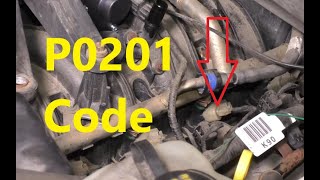
- P0201 — P0201 is a general fault for the Cylinder 1 Injector Circuit. P0262 is more specific, indicating a 'High' voltage condition, but they are closely related and can sometimes appear together depending on the exact nature of the electrical fault.
Technical Service Bulletins (TSBs) & Recalls
- PIP4924C: Addresses a Service Engine Soon light and misfire, with potential for numerous injector circuit DTCs, advising inspection and repair of the fuel injector wiring harness.
- 21-NA-149: While for newer models, it details common engine harness chafing points on GM front-wheel-drive platforms that are relevant to the Malibu's architecture, specifically citing contact with the ECM bracket and shock tower.
- PI0296: Specifically for 2.4L engines, warns of potential chafing of the #1 fuel injector wiring harness against the alternator and upper radiator hose.
Platform-Specific Known Issues
- Technical Service Bulletin PIP4924C addresses an engine misfire with multiple injector codes (including P0262) and directs technicians to inspect the fuel injector wiring harness for damage ('rub through') or internal wire opens.
- TSB #21-NA-149, for similar GM platforms, gives specific locations for harness chafing that are highly relevant: the ECM/TCM bracket, the upper control arm, and the shock tower bolt. This is a critical inspection point before replacing any parts.
- Preliminary Information bulletin #PI0296 specifically notes that for the 2.4L engine, the #1 fuel injector wiring harness can chafe against the alternator and the upper radiator hose.
Mechanic-Grade Diagnostic Values
- Fuel Injector Coil Resistance (2.4L I4 Port Injection) — expected: 11 - 14 Ohms. Failure: A reading significantly outside this range, near zero (short), or infinite (open) indicates a failed injector.
- Fuel Injector Coil Resistance (3.6L V6 Direct Injection) — expected: 1.2 - 2.3 Ohms at ~68°F (20°C). Failure: A reading outside this range indicates an internal injector fault. Resistance will increase with temperature.
- Injector Power Wire Voltage (Key On, Engine Off) — expected: ~12 Volts (Battery Voltage). Failure: Low or no voltage indicates a problem in the power supply circuit to the injector, not the injector or control circuit.
Scan Tool Commands That Help
- GM Tech 2 / GDS2: Fuel Injector Balance Test — This active test pulses each injector individually while monitoring the drop in fuel rail pressure. It can help determine if an injector is clogged or flowing differently than the others. While P0262 is an electrical code, this test is useful if multiple fuel system issues are suspected. A pressure drop difference of more than 20 kPa (~3 PSI) between injectors indicates a flow problem.
Wiring & Ground Locations
- G106 — On the 2.4L engine, this ground is located on the left rear of the engine. On the 3.6L, it is on the right front of the engine.. This is a primary engine ground connection. A loose or corroded G106 can cause a variety of electrical issues and erratic sensor readings, including problems in the fuel injector circuits.
- Injector #1 Harness (2.4L) — In the area of the alternator and the upper radiator cooling hose at the engine.. GM Preliminary Information bulletin PI0296 specifically identifies this area as a potential chafe point for the fuel injector #1 wiring harness, which can directly cause a P0201 or related injector circuit code like P0262.
Real Owner Repair Stories
- YouTube video on a 2014 Impala 3.6L (2014 Chevrolet Impala 3.6L V6) — Check engine light, misfire, and a fuel injector circuit code.
❌ Tried (didn't work) Clearing the code (it returned).
✅ What actually fixed it The technician tested the resistance of the injectors at the harness connector. One injector read open (mega ohms). Direct testing at the injector pins confirmed the bad reading. Replacing the faulty fuel injector resolved the issue. - Chevy HHR Network forum post (Chevrolet HHR with 2.4L Ecotec engine) — P0304 (Cylinder 4 misfire) and traction control error.
❌ Tried (didn't work) Replacing spark plugs., Swapping ignition coils.
✅ What actually fixed it The owner sourced a used fuel rail with injectors from a low-mileage 2011 Malibu. He tested the resistance of the replacement injectors on the bench and found them all to be 12.5 ohms, confirming they were good before installation. The final fix was swapping the fuel rail assembly.
OEM Part Supersession History
12613163→This part number appears to be stable for the specified 2.4L applications.— N/A
Heads up: This is a port fuel injector for the 2.4L engine. It is not compatible with the 3.6L V6, which uses a direct injection system with different injectors (e.g., 12608362).
Model Year Variations Within This Range
- 2013: The 2013 model year marked the introduction of the 8th generation Malibu. While it still offered a 2.4L engine, it also introduced a new 2.5L (LCV) and 2.0L Turbo (LTG). The wiring diagrams, ECM pinouts, and injector types (especially for the direct-injected 2.0L) are different from the 7th generation (2009-2012) models.
Helpful Videos
Used OEM Parts in Stock


New Aftermarket Parts Available



The information in this article is provided for general reference and educational purposes only. Vehicle specifications, procedures, and part compatibility can vary by production date, trim level, and region. Always consult your vehicle's factory service manual and verify part numbers before purchasing or performing repairs. Safety-critical components such as airbags, seat belts, and braking systems should be installed by a qualified professional.
- Chevrolet MALIBU:
- 🎬 Helpful Videos
- 🛍️ Shop This Part
- What's Unique About the 2009-2013 Chevrolet MALIBU
- Diagnostic Flowchart
- Symptoms You May Notice
- Most Likely Causes
- Rare But Worth Checking
- Diagnosis Steps
- Parts You'll Likely Need
- Related Codes That Often Appear With This One
- Technical Service Bulletins (TSBs) & Recalls
- Platform-Specific Known Issues
- Mechanic-Grade Diagnostic Values
- Scan Tool Commands That Help
- Wiring & Ground Locations
- Real Owner Repair Stories
- OEM Part Supersession History
- Model Year Variations Within This Range
- 🎟️ Get 5% Off