

P0262 on 2011-2014 Chevrolet Camaro: Cylinder 1 Injector Circuit High Causes & Fixes
On a 2011-2014 Camaro, code P0262 typically points to a failed fuel injector on cylinder 1 or a wiring short. A new injector is the most common fix, with the part costing between $50 and $140. A GM TSB also points to specific areas where the engine wiring harness can chafe and cause this code.
- P0262 specifically points to an electrical problem in the cylinder 1 injector circuit, not a fuel pressure or ignition issue.
- The most likely cause is a failed fuel injector on cylinder 1.
- A simple 'swap test' (moving the injector to another cylinder) is the most effective way to confirm if the injector is the problem.
- Cylinder 1 is located on the driver's side, closest to the radiator, for both V6 and V8 engines in this Camaro generation.
- If multiple injector codes are present, inspect the main engine wiring harness for damage as noted in TSB #PIP4924D, specifically where it might rub against the engine.
What's Unique About the 2011-2014 Chevrolet CAMARO
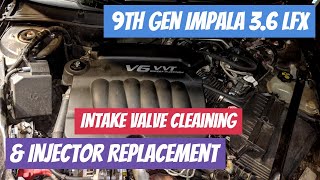
The 2011-2014 Camaro, which is the fifth-generation, does not have a unique design flaw specific only to code P0262. However, General Motors issued a Technical Service Bulletin (TSB #PIP4924D) that includes P0262 among a long list of injector codes that can appear due to engine wiring harness issues. The TSB specifically warns technicians to inspect for the harness rubbing through against the intake plenum, at valve cover bolts, against a fuel line, or on the side of the cylinder head under the plenum. This suggests that while a single injector failure is common, owners should also be aware of potential wiring problems that could affect multiple cylinders. It's also important to note the V6 engine changed during this period; 2011 models used the 3.6L LLT engine, while 2012-2014 models used the updated 3.6L LFX engine, 🎬 See this walkthrough for LFX intake removal and injector replacement which may use different injector part numbers.
Diagnostic Flowchart
Tap your situation to follow the diagnostic path that matches what you're seeing on this vehicle.
Symptoms You May Notice
- Check Engine Light is on
- Rough or shaky idle.
- Engine misfire, which may feel like a stumble or hesitation during acceleration.
- Reduced engine power and poor acceleration.
- Vehicle may enter 'Reduced Engine Power' mode.
- Decreased fuel economy.
- A smell of raw fuel from the exhaust
- Black smoke from the exhaust.
- Replacing the spark plug or ignition coil on cylinder 1. A misfire is a common symptom, leading many to suspect an ignition problem first. However, the P0262 code specifically points to an electrical fault in the fuel injector circuit, not the ignition system.
Most Likely Causes
- Faulty Cylinder 1 Fuel Injector 🔴 High Probability The internal coil windings of the fuel injector can short out over time, causing an excessive voltage draw. This is a common failure mode for this type of component. In some cases, the injector can begin to fail subtly, causing a slight stumble on cold starts or a pinging noise under acceleration before it fails completely and triggers a code.
How to confirm: Swap the fuel injector from cylinder 1 with another cylinder (e.g., cylinder 3). Clear the codes and run the engine. If the code changes to P0268 (Cylinder 3 Injector Circuit High), the injector is confirmed to be faulty. A forum member on Camaro5 documented this exact process, which correctly identified a bad injector even after other parts were replaced. Alternatively, test the injector's resistance with a multimeter; a healthy high-impedance injector should read between 12 and 17 ohms.
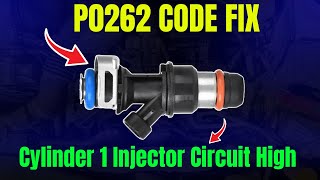
Typical fix: Replace the faulty fuel injector. 🎬 Watch: How to diagnose and fix a P0262 code It is often recommended to replace the O-rings and seals at the same time.
Est. part cost: $50-$140 - Wiring Harness or Connector Issue 🟡 Medium Probability As detailed in GM TSB PIP4924D, the engine wiring harness is known to chafe in specific locations. Common rub-through spots are against the intake plenum, at valve cover bolts, against fuel lines, and on the side of the cylinder head under the plenum. The connector pins can also become corroded or loose, leading to a poor connection.
How to confirm: Visually inspect the wiring harness leading to the cylinder 1 fuel injector, paying close attention to the specific chafe points mentioned in the TSB. Use a multimeter to check for a short to voltage on the control wire and for proper continuity between the ECM and injector connectors.
Typical fix: Repair or replace the damaged section of the wiring harness or clean/replace the electrical connector.
Est. part cost: $10-$200 - Faulty Engine Control Module (ECM) ⚪ Low Probability This is not a common failure for this platform. ECM failure is rare and should only be considered after all other possibilities are exhausted.
How to confirm: This should be the last resort after definitively ruling out the injector and wiring. Professional diagnosis is typically required to confirm an internal ECM driver failure.
Typical fix: The ECM must be repaired or replaced and programmed to the vehicle's VIN.
Est. part cost: $300-$800
Diagnosis Steps
- Connect an OBD-II scanner and confirm that P0262 is the primary code. Note any other codes, especially P0301.
- Locate cylinder 1. On both V6 and V8 Camaro engines, cylinder 1 is the front-most cylinder on the driver's side of the engine.
- Visually inspect the wiring and connector for the cylinder 1 fuel injector. Pay special attention to the known chafe points mentioned in TSB PIP4924D: against the intake plenum, valve cover bolts, fuel lines, and the side of the head.
- Perform an injector swap test. Swap the cylinder 1 injector with an adjacent one (e.g., cylinder 3). Clear the codes, start the engine, and see if the fault code 'follows' the injector to the new cylinder (e.g., P0268). If it does, the injector is bad. This is the most definitive DIY test.
- If the P0262 code returns after the swap, the problem lies in the wiring or the ECM. Disconnect the injector and use a multimeter to test the resistance of the injector coil. A healthy high-impedance injector should read approximately 12-17 ohms. Then, test the injector control wire for continuity and to check for a short-to-voltage.
- If the injector and wiring test good, the fault is likely within the ECM's injector driver circuit, which may require professional diagnosis and replacement.
Parts You'll Likely Need
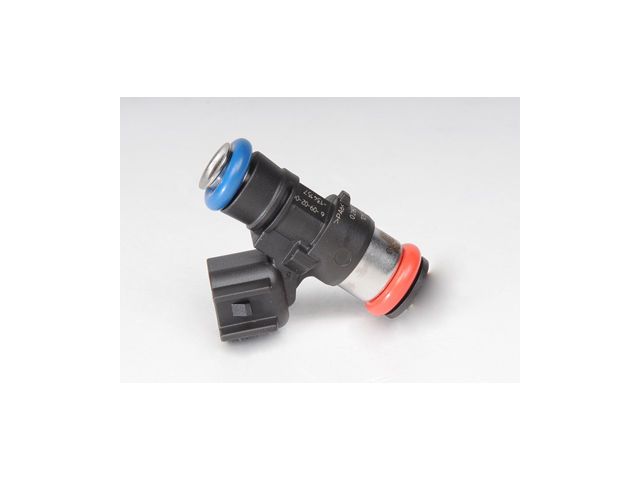
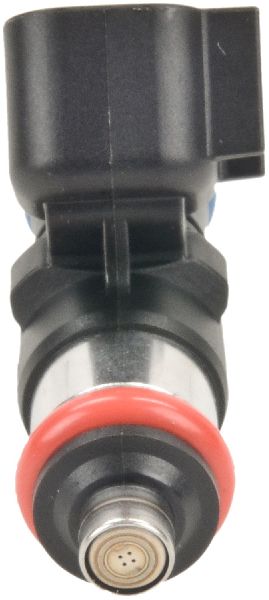
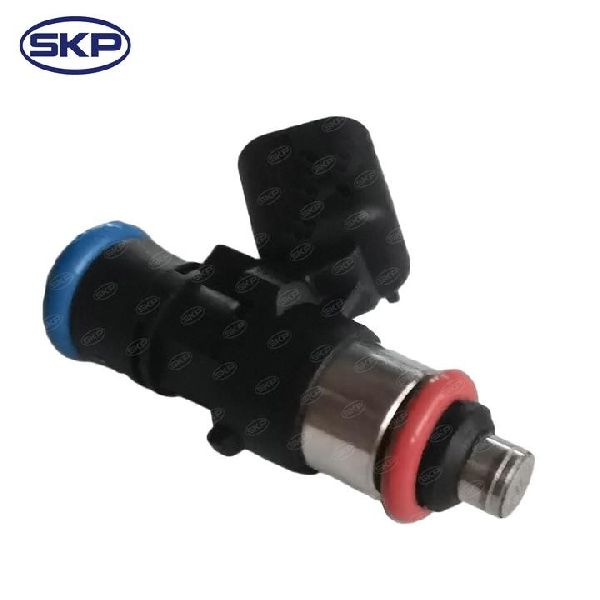
- Fuel Injector
(OEM #12634126 (may be superseded by 12669384))— This is the most common cause for P0262, as the injector's internal electronics fail and create a short circuit.
Trusted brands: ACDelco, Bosch, Standard Motor Products
OEM price range: $105-$140
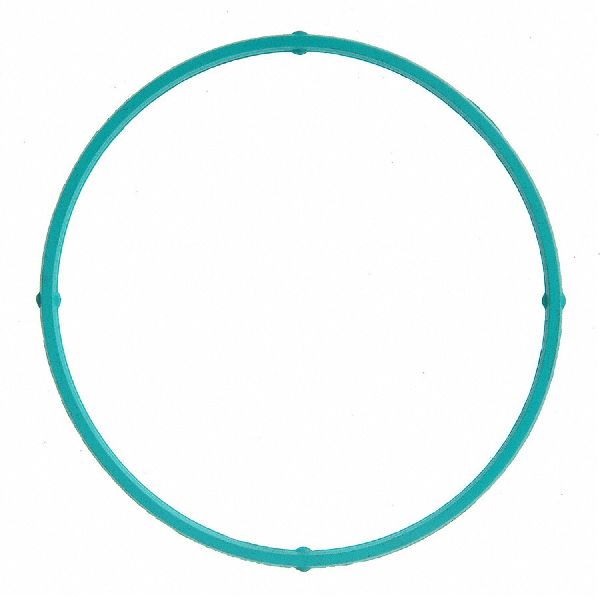
Aftermarket price range: $50-$90 - Fuel Injector O-Ring Kit — It is best practice to replace the seals whenever an injector is removed and reinstalled to prevent fuel leaks.
Trusted brands: Fel-Pro, Victor Reinz
OEM price range: $10-$20
Aftermarket price range: $5-$15
Related Codes That Often Appear With This One
- P0301 — P0301 means 'Cylinder 1 Misfire Detected'. Since P0262 indicates a problem with the fuel injector on cylinder 1, a misfire on that same cylinder is an expected and direct consequence.
- P0201 — P0201 indicates a general 'Injector Circuit/Open - Cylinder 1' fault. It can appear alongside P0262 as the ECM tries to diagnose the electrical anomaly.
- P0261 — P0261 is 'Cylinder 1 Injector Circuit Low'. Seeing both high and low circuit codes can indicate an intermittent short or a failing ECM driver.
Technical Service Bulletins (TSBs) & Recalls
- PIP4924D: Mentions P0262 in a list of multiple injector circuit DTCs that can be caused by engine wiring harness issues. It directs technicians to inspect for the harness rubbing against the intake, valve covers, fuel lines, or cylinder head.
Platform-Specific Known Issues
- Wiring Harness Chafing: A known Technical Service Bulletin (TSB #PIP4924D) from GM indicates that multiple injector circuit codes, including P0262, can be triggered by a compromised engine wiring harness. A thorough inspection of the main engine harness is critical, especially at points of contact with the intake plenum, valve cover bolts, fuel lines, and the side of the cylinder head.
- Subtle Injector Failure: Owners have reported injectors failing gradually without immediately throwing a code. Symptoms can be as minor as a slight engine stumble on a cold start or a faint pinging sound during acceleration. In one documented case, replacing the injectors on one bank resolved these issues and restored power and smoothness.
Mechanic-Grade Diagnostic Values
- Fuel Injector Coil Resistance — expected: 12 - 17 Ohms for high-impedance injectors.. Failure: A reading significantly outside this range, or an open circuit (infinite resistance), indicates a faulty injector coil.
- Injector Pulse Width (at idle, warm engine) — expected: Approximately 1.5 ms to 2.5 ms.. Failure: A pulse width of 0 ms on cylinder 1 indicates the ECM has shut the injector off due to the fault. An unusually high or erratic pulse width compared to other cylinders can also indicate a problem.
- Injector Circuit Voltage (Key On, Engine Off) — expected: Approximately 12 Volts (battery voltage) on the power supply wire.. Failure: A P0262 code is set when the ECM detects voltage on the control circuit that is higher than expected, often due to a short to voltage.
Scan Tool Commands That Help
- GDS2 (GM Global Diagnostic System 2): Fuel Injector Balance Test — This automated test commands the ECM to fire each injector individually while monitoring the drop in fuel rail pressure. For direct injection (LFX) engines, the test cranks the engine to build pressure, fires the injector, and measures the pressure drop. For port injection (LS3/L99), it momentarily opens the injector with the engine running. A cylinder that shows a significantly different pressure drop compared to others indicates a flow issue with that injector.
- GDS2 (GM Global Diagnostic System 2): Cylinder Power Balance — This function allows the technician to disable one cylinder at a time while the engine is running. When cylinder 1 is disabled, if there is little to no change in engine RPM or smoothness, it confirms that cylinder was not contributing properly in the first place, pointing to a fault in that cylinder's fuel, spark, or compression.
Wiring & Ground Locations
- Cylinder 1 Injector Connector (V8) — Top of cylinder 1, which is the front-most cylinder on the driver's side.. This is the primary connection point to test for power, ground signal, and resistance of the injector itself. The two pins are for the 12V power feed (typically a Pink wire on GM vehicles) and the ECM ground signal (control wire).
- Cylinder 1 Injector Connector (V6) — Top of cylinder 1, which is the front-most cylinder on the driver's side (Bank 1).. This is the primary connection point for testing the injector circuit. The power wire is typically shared among injectors on the same bank, while the control wire goes directly to the ECM.
- G107 / G108 (V6) or G109 (V8) — For the 3.6L V6, G107 is at the left rear of the engine and G108 is on the left side. For the 6.2L V8, G109 is at the left front of the engine. These are primary engine grounds.. While the injector is controlled by a switched ground from the ECM, the ECM itself relies on a solid connection to chassis ground. A poor engine ground can cause floating voltages and erratic behavior in multiple sensor and actuator circuits, including the injectors.
- ECM Connector X1 (V8) — The ECM is located on the right front of the engine compartment.. The control wire for the cylinder 1 injector terminates here. Testing for continuity and shorts between this connector and the injector connector is a key step in diagnosing a wiring fault after the injector itself has been ruled out.
OEM Part Supersession History
12634126→12669384— Standard part number update by the manufacturer. The new part is a direct replacement.
Heads up: The part number 12634126 is specified for the 3.6L LFX direct-injection V6 (2012-2014). The 2011 Camaro used the 3.6L LLT engine, which uses a different injector, part number 12638530. Using the wrong injector will result in improper fitment and fueling.12609749→N/A— This is the common injector for the 6.2L LS3 and L99 V8 engines.
Heads up: These port-injection injectors are physically and electrically different from the direct-injection injectors used in the V6 engines and cannot be interchanged.
Model Year Variations Within This Range
- 2011 vs 2012-2014: The V6 engine was changed between the 2011 and 2012 model years. The 2011 Camaro uses the 3.6L LLT V6, while the 2012-2014 models use the updated 3.6L LFX V6. These engines use different direct fuel injectors. The LLT uses part number 12638530, while the LFX uses 12634126 (or its successor). The V8 engines (LS3, L99) remained consistent through this period.
Helpful Videos
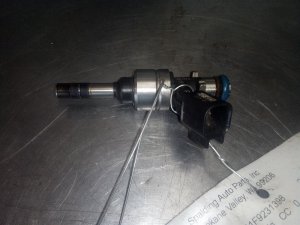
Used OEM Parts in Stock
New Aftermarket Parts Available


The information in this article is provided for general reference and educational purposes only. Vehicle specifications, procedures, and part compatibility can vary by production date, trim level, and region. Always consult your vehicle's factory service manual and verify part numbers before purchasing or performing repairs. Safety-critical components such as airbags, seat belts, and braking systems should be installed by a qualified professional.
- Chevrolet CAMARO:
- 🎬 Helpful Videos
- 🛍️ Shop This Part
- What's Unique About the 2011-2014 Chevrolet CAMARO
- Diagnostic Flowchart
- Symptoms You May Notice
- Most Likely Causes
- Diagnosis Steps
- Parts You'll Likely Need
- Related Codes That Often Appear With This One
- Technical Service Bulletins (TSBs) & Recalls
- Platform-Specific Known Issues
- Mechanic-Grade Diagnostic Values
- Scan Tool Commands That Help
- Wiring & Ground Locations
- OEM Part Supersession History
- Model Year Variations Within This Range
- 🎟️ Get 5% Off