

OBD-II Code P0244: Turbocharger Wastegate Solenoid 'A' Range/Performance
The Ultimate Guide to Meaning, Diagnosis, and Repair
Can I Drive With P0244?

Yes, But With Caution. 🎬 Watch: What is P0244 and what causes this error code? You can drive short distances, but it is highly discouraged. The engine operates with reduced power and poor fuel economy. Ignoring P0244 causes severe engine or turbocharger damage from overboost, or makes the vehicle dangerously slow from underboost. Limit driving to reaching a repair shop.
Used vs. New Parts: Buying Guide

When a used part is worth it: Always buy a new wastegate solenoid; the $50-$200 part cost is negligible compared to repeat labor. Buy a used OEM turbocharger assembly only if a new unit exceeds $1,500, the vehicle is older, and the donor part shows no signs of oil starvation.
Donor-vehicle mileage cap: roughly under 70000 miles for the part to have meaningful remaining life.
Donor quality checklist:
- Verify the donor vehicle was not scrapped for engine-related failure.
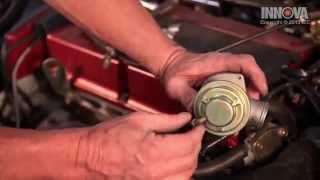
- Inspect the used turbo for cracks in the housing, bent compressor fins, and excessive shaft play. 🎬 Watch this guide on servicing a turbocharger wastegate actuator.
- Ensure the part number is an exact match for your vehicle.
- Prefer sellers offering a 30-90 day warranty.
Decision logic:
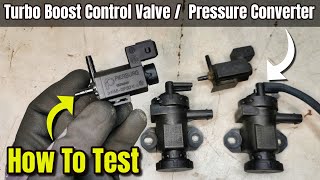
- If The failed part is the solenoid only 🎬 See how to diagnose and fix a turbo wastegate solenoid. → Always buy new. The savings from a used solenoid are negligible and not worth the risk of repeat labor.
- If The entire turbo assembly must be replaced and the vehicle is over 10 years or 150,000 miles old → A quality used OEM turbo from a reputable source is a budget-conscious choice.
- If The vehicle is a high-performance model or is driven aggressively → Favor a new OEM or high-quality remanufactured turbocharger to ensure reliability under stress.
Warranty tradeoff: Used parts typically come with a 30-90 day functional warranty. New aftermarket parts carry a 1-year to limited lifetime warranty. New OEM parts carry a 12-month/12,000-mile warranty.
Worst-case if a used part fails: $500-$1200 if a used turbocharger fails shortly after installation, primarily due to repeated labor costs.
Cost of Not Fixing It

- 0-1 Month: Fuel economy drops 5-15%, performance becomes sluggish, and the engine enters 'limp mode'. The vehicle becomes frustrating and unsafe in traffic. (Added cost: $50-$150 in wasted fuel.)
- 1-6 Months: Continued overboost causes premature wear on turbocharger bearings and seals. Incorrect air-fuel ratios overheat and destroy the catalytic converter. (Added cost: $1200-$2800 for a new catalytic converter.)
- 6+ Months: Catastrophic turbocharger failure occurs from prolonged overboosting. The turbo shatters, sending metal fragments into the engine and requiring complete engine replacement. (Added cost: $2000-$7000+ for turbocharger and engine replacement.)
When This Code Triggers (Freeze-Frame Conditions)

- Engine Coolant Temp: 180-210°F (Logged when the engine is fully warmed up and operating in closed-loop fuel control.)
- Engine RPM: 2000-3500 RPM (Occurs during moderate acceleration when the PCM actively commands boost.)
- Engine Load: 40-70% (Sets under sustained engine load where actual boost pressure fails to match the expected response.)
- Vehicle Speed: 45-65 mph (Triggered during steady-state highway driving or acceleration at highway speeds.)
How to Clear the Code After You Fix It

- Use an OBD-II scan tool to clear the P0244 and any related fault codes.
- Let the vehicle sit for at least 8 hours to ensure a true cold start.
- Perform a complete OBD-II drive cycle to allow readiness monitors to run.
Drive cycle (~30 minutes): Start the engine cold and idle for 2-3 minutes. Drive 15-20 minutes with a mix of city and highway speeds. Cruise steadily at 50-60 mph for 5-10 minutes. Allow the vehicle to cool completely.
Readiness monitors affected: Catalyst Monitor, Oxygen (O2) Sensor Monitor, EGR System Monitor, Evaporative (EVAP) System Monitor
Before emissions retest: drive at least 100 miles to fully set monitors.
Watch out for:
- Clearing the code without repairing the underlying fault guarantees it will return.
- Disconnecting the battery resets all readiness monitors to 'Not Complete', causing an automatic emissions test failure.
- Failing to let the engine cool completely before the drive cycle prevents the catalyst monitor from running.
Will This Fail Emissions / State Inspection?
Yes — this code typically fails an OBD-II emissions inspection.
- California: An active P0244 code results in an automatic smog check failure. A full drive cycle must set all OBD-II readiness monitors before re-testing.
- New York: New York DMV inspections include an OBD-II scan. A Check Engine Light with P0244 is an automatic failure.
- Texas: Texas counties requiring emissions testing fail vehicles with P0244 during the OBD-II inspection.
Helpful Videos

The information in this article is provided for general reference and educational purposes only. Vehicle specifications, procedures, and part compatibility can vary by production date, trim level, and region. Always consult your vehicle's factory service manual and verify part numbers before purchasing or performing repairs. Safety-critical components such as airbags, seat belts, and braking systems should be installed by a qualified professional.