

P0229 on 2021-2023 Buick Envision: Causes and Fixes for Turbo Underboost
On a 2021-2023 Buick Envision, code P0229 almost always indicates a turbocharger underboost condition caused by charge air cooler (CAC) icing in extremely cold weather. This is a known issue addressed by GM Technical Service Bulletin #22-NA-079, which may involve installing a cover or shield and/or reprogramming the ECM.
- P0229 on a 2021-2023 Envision is very likely due to ice in the charge air cooler if the check engine light appeared in weather below 0°F (-18°C).
- A specific GM Technical Service Bulletin (#22-NA-079) exists for this exact problem.
- Do not immediately assume the turbocharger has failed; the issue is more likely related to the TSB or a simple boost leak.
- The vehicle will have significantly reduced power, so driving should be limited until the issue is resolved.
What's Unique About the 2021-2023 Buick ENVISION
The 2.0L LSY turbocharged engine in the second-generation Buick Envision is known to be susceptible to moisture accumulation in its charge air cooler system. In very cold temperatures (typically below 0°F or -18°C), this moisture can freeze, creating a blockage that prevents the engine from receiving the proper amount of pressurized air. This design sensitivity is so specific that General Motors issued a Technical Service Bulletin (TSB #22-NA-079) to address this exact scenario, making it a well-documented platform issue rather than a random component failure. Other GM TSBs for related models and codes describe fixes including ECM reprogramming to alter transmission shift patterns, keeping engine RPMs higher to reduce moisture buildup.
Diagnostic Flowchart
Tap your situation to follow the diagnostic path that matches what you're seeing on this vehicle.
Symptoms You May Notice
- Check Engine Light is illuminated
- Significantly reduced engine power and acceleration
- Vehicle enters 'limp mode,' limiting RPM and speed
- Hesitation or stumbling when trying to accelerate
- Poor fuel economy
- In some cases, increased crankcase pressure from the restriction can cause oil leaks at various engine seals and gaskets.
- Replacing the turbocharger without first confirming the CAC icing issue or performing a smoke test for boost leaks. The turbo itself is often not the root cause on this platform for this specific code, especially when it occurs in cold weather.
Most Likely Causes
- Charge Air Cooler (CAC) Icing 🔴 High Probability As documented in TSB #22-NA-079, the CAC system on LSY engines is prone to moisture buildup that can freeze in extreme cold (-18°C / 0°F or colder), blocking airflow. This is especially common during short trips or low-speed driving cycles where the system doesn't get hot enough to evaporate the moisture.
How to confirm: Confirm if the code appeared during or immediately after driving in extremely cold temperatures. A technician may need to inspect the charge air cooler for ice, slush, or water contamination. The boost pressure sensor may also be wet or contaminated with moisture.
Typical fix: The official GM fix involves following the procedure in TSB #22-NA-079, which includes installing a specific winter grille cover to alter airflow and prevent icing. In some cases, the CAC must be removed, thawed, drained of water, and reinstalled. An ECM reprogram may also be performed to change transmission shift logic in cold weather, keeping RPMs higher to generate more heat in the charge air system.
Est. part cost: $50-$150 for the TSB-related kit/cover. - Boost Pressure Leak 🟡 Medium Probability The charge air system uses multiple hoses, clamps, and seals that can loosen, crack, or fail over time, allowing pressurized air to escape. These leaks can occur at the intercooler itself, the throttle body connection, or any of the connecting ducts.
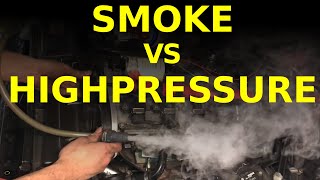
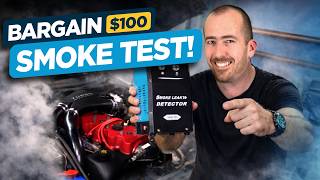
How to confirm: Perform a visual inspection of all intake hoses and clamps between the turbocharger and the throttle body. A smoke test is the most effective method to pinpoint leaks 🎬 See how a smoke test identifies hidden boost leaks. that are not visually obvious.
Typical fix: Tighten loose clamps or replace the cracked hose or damaged seal.
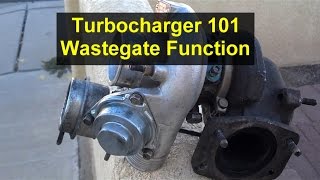
Est. part cost: $20-$200 depending on the specific hose that failed. - Faulty Turbocharger Wastegate or Actuator ⚪ Low Probability The wastegate controls boost pressure by diverting exhaust gas. If the electronic actuator fails or the linkage becomes stuck, worn, or loose, it can fail to close properly, preventing the turbo from building sufficient boost. Other GM TSBs on similar engines mention linkage wear causing a rattle and underboost codes.
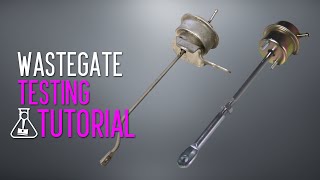
How to confirm: A technician can test the wastegate actuator with a bi-directional scan tool 🎬 Watch this guide on how to test a wastegate actuator. (like GM's GDS2) to command it open and closed. A visual inspection can check for looseness or binding in the linkage. A pressure pump can be used to test actuators for leaks.
Typical fix: Replacement of the wastegate actuator or, in some cases, the entire turbocharger assembly if the wastegate is integral and not sold separately.
Est. part cost: $100-$300 for an actuator, $900-$2000+ for a turbocharger. - Faulty Boost Pressure Sensor (MAP Sensor) ⚪ Low Probability While not a common failure, the sensor can become contaminated with moisture/oil from the CAC or fail electronically, sending incorrect data to the ECM. TSB 21-NA-074 specifically advises cleaning moisture off this sensor during CAC service.
How to confirm: Use a scan tool to monitor live data from the boost pressure sensor. The reading should be consistent with atmospheric pressure when the engine is off and change predictably with engine load. The sensor can be removed and inspected for moisture.
Typical fix: Clean the sensor with a clean rag if contaminated with moisture (do not use chemicals). If readings are still implausible, replace the faulty boost pressure sensor.
Est. part cost: $40-$100
Rare But Worth Checking
- Clogged Catalytic Converter:
Diagnosis Steps
- Verify the code P0229 is present using an OBD-II scanner.
- Note the weather conditions when the code was set. If it was 0°F (-18°C) or colder, immediately suspect Charge Air Cooler icing per TSB #22-NA-079.
- Consult the GM TSB #22-NA-079. A dealer or qualified shop can check if the TSB procedure applies to your vehicle's VIN and has been performed.
- If weather conditions do not match the TSB, perform a thorough visual inspection of the entire charge air system, from the turbo outlet to the throttle body. Look for loose clamps, disconnected hoses, or cracks in the plastic/rubber components.
- Perform a smoke test on the charge air system to definitively identify any leaks that are not visually apparent.
- If no leaks are found, use a scan tool to monitor live data from the boost pressure sensor to check for plausible readings. Compare 'Desired Boost' to 'Actual Boost' PID's; a large discrepancy indicates a problem. Per GM bulletin PIP5495J, a difference greater than 14 kPa (2.0 PSI) during a wide-open throttle test may indicate a faulty turbocharger.
- Remove and inspect the boost pressure sensor for any signs of moisture or oil contamination.
- Test the turbocharger wastegate actuator for proper movement and the ability to respond to scan tool commands using a tool like GM GDS2.
Parts You'll Likely Need
- Charge Air Cooler Cover/Shield Kit — This is the specific fix recommended by GM in TSB #22-NA-079 to prevent charge air cooler icing in cold climates.
Trusted brands: ACDelco
OEM price range: $50-$150 - Charge Air Cooler Hose/Duct — These hoses can crack or the connections can become loose, causing a boost leak that triggers P0229.
Trusted brands: ACDelco, Gates
OEM price range: $100-$250
Aftermarket price range: $50-$150 - Charge Air Cooler (Intercooler) — While icing is the main issue, the cooler itself can be damaged or develop leaks. Per TSBs, if it is frozen but not leaking, it should be thawed, cleaned, and reinstalled, not replaced.
Trusted brands: ACDelco, Spectra Premium
OEM price range: $300-$500
Aftermarket price range: $150-$300
Related Codes That Often Appear With This One
- P0234 — This code indicates a Turbo Overboost condition. It can sometimes appear with P0229 if the wastegate control system is malfunctioning erratically.
- P0300 — This code for Random/Multiple Misfire can be triggered if moisture from a contaminated charge air cooler is drawn into the engine during acceleration, causing a stumble or sag in performance.
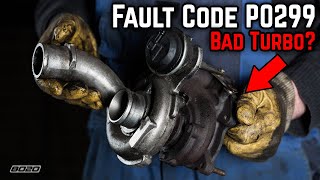
- P0299 — This is a nearly identical underboost code. While P0229 is 'Turbocharger/Supercharger Underboost Condition', P0299 is 'Turbocharger/Supercharger 'A' Underboost Condition'. They often point to the same set of faults and TSBs frequently list both codes.
Technical Service Bulletins (TSBs) & Recalls
- Bulletin #22-NA-079: Engine Performance in Extremely Cold Weather Conditions for LSY Engines, Charge Air Cooler Icing, Malfunction Indicator Lamp (MIL) Illuminated with a P0229.
- Bulletin #21-NA-074: Details the cause as moisture buildup in the CAC and provides correction steps including thawing/cleaning the CAC and potentially reprogramming.
Platform-Specific Known Issues
- TSB #22-NA-079 explicitly documents that 2021-2023 Envisions with the LSY engine can set a P0229 code due to charge air cooler icing in extremely cold weather.
- Other related TSBs like 21-NA-074 describe the same icing phenomenon on similar GM models, with fixes including ECM reprogramming to alter transmission shift patterns to keep engine RPMs higher in cold weather, generating more heat to prevent ice formation.
Mechanic-Grade Diagnostic Values
- Difference between Desired Boost Pressure and Actual Boost Pressure during a Wide-Open-Throttle (WOT) 1-2 shift — expected: Less than 14 kPa (2.0 PSI). Failure: A difference greater than 14 kPa (2.0 PSI) may indicate a faulty turbocharger assembly.
Scan Tool Commands That Help
- GM GDS2: Turbocharger Boost Control Test — This is a guided diagnostic routine to systematically test the turbocharger system components when an underboost or overboost code is set and the cause is not obvious.
- GM GDS2: Wastegate Actuator Relearn / Calibration — This function should be performed after replacing the electronic wastegate actuator or the entire turbocharger assembly to ensure the ECM learns the new component's position and travel limits.
"I Checked Everything" — The Actual Cause
- In some cases involving the related P0299 code, the charge air system has passed a smoke test (indicating no boost leaks), but the root cause was found to be a clogged catalytic converter. The exhaust backpressure prevented the turbo from spooling up to its target speed, which the ECM interpreted as an underboost condition.
Model Year Variations Within This Range
- 2021-2023: No significant changes were made to the 2.0L LSY turbo engine or 9-speed automatic transmission within this model year range. The CAC icing issue and the fix outlined in TSB 22-NA-079 apply consistently across all three years.
Helpful Videos
We Have This Part in Stock


The information in this article is provided for general reference and educational purposes only. Vehicle specifications, procedures, and part compatibility can vary by production date, trim level, and region. Always consult your vehicle's factory service manual and verify part numbers before purchasing or performing repairs. Safety-critical components such as airbags, seat belts, and braking systems should be installed by a qualified professional.
- Buick ENVISION:
- 🎬 Helpful Videos
- 🛍️ Shop This Part
- What's Unique About the 2021-2023 Buick ENVISION
- Diagnostic Flowchart
- Symptoms You May Notice
- Most Likely Causes
- Rare But Worth Checking
- Diagnosis Steps
- Parts You'll Likely Need
- Related Codes That Often Appear With This One
- Technical Service Bulletins (TSBs) & Recalls
- Platform-Specific Known Issues
- Mechanic-Grade Diagnostic Values
- Scan Tool Commands That Help
- "I Checked Everything" — The Actual Cause
- Model Year Variations Within This Range
- 🎟️ Get 5% Off