

P0223 on 2014-2018 Kia Forte: Throttle Position Sensor 'B' Circuit High Fixes
This code usually means the throttle body assembly has failed, forcing the car into 'limp mode'. The sensor is part of the throttle body, so the whole unit is replaced. Expect to pay $150-$300 for the part and 1-2 hours of labor.
- P0223 on a 2014-2018 Kia Forte is a serious code that will put the car in a low-power 'limp mode' and should be addressed immediately.
- The most common cause is a failure of the entire electronic throttle body assembly, as the sensor is built into it.
- Before replacing the expensive throttle body, always inspect the wiring for damage and consider cleaning the throttle plate of any carbon buildup.
- After cleaning or replacing the throttle body, a 'relearn' procedure is required, which can often be done by cycling the ignition key.
What's Unique About the 2014-2018 Kia Forte
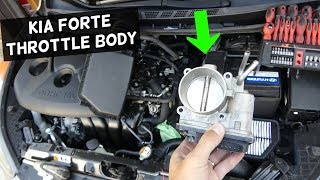
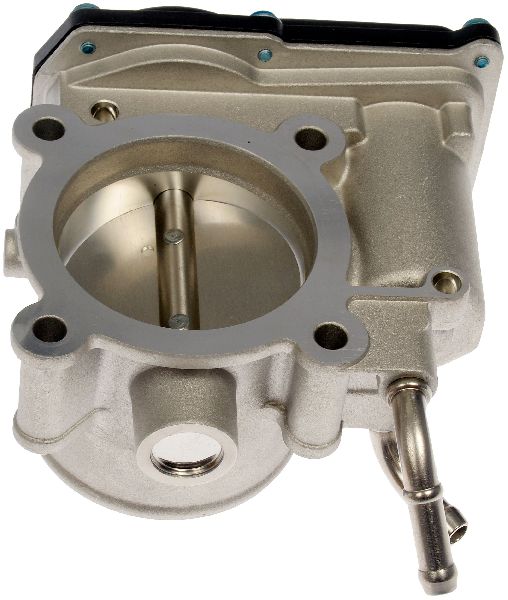
On the Kia Forte with the Nu 2.0L engine, the throttle position sensor (TPS) is not a separate, replaceable part. Instead, it is integrated into the electronic throttle body assembly. This means that if the sensor itself is the cause of the P0223 code, the entire throttle body unit must be replaced. This design is common on many modern Hyundai and Kia vehicles, including the Elantra and Soul which share this platform, and can sometimes simplify diagnosis as you are replacing the entire control mechanism at once.
Symptoms You May Notice
- Sudden and severe loss of power (Limp Mode)
- Little to no response from the accelerator pedal
- Engine stalling, especially when coming to a stop
- Rough or erratic idle
- Hesitation or stumbling during acceleration
- Check Engine Light is on
- Electronic Stability Control (ESC) light may also illuminate
- Engine may be hard to start
- Replacing the accelerator pedal position sensor (APPS) when the code specifically points to the throttle body sensor circuit.
- Replacing the throttle body without first checking for simple wiring issues or attempting to clean it.
Most Likely Causes
- Failed Throttle Body Assembly 🔴 High Probability The integrated electronic throttle position sensor is a common failure point on this platform, leading to incorrect voltage readings. The internal resistive tracks or potentiometers within the sensor wear out or short internally, causing a persistent high voltage signal.
How to confirm: With a scan tool, observe the live data for Throttle Position Sensor 'B' voltage. If it's stuck high (typically >4.5V) regardless of pedal position, the sensor/assembly is likely faulty. A multimeter can also be used to test the signal wire for sustained high voltage. 🎬 Watch: How to test and replace an electronic throttle body
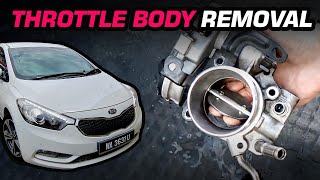
Typical fix: Replace the entire electronic throttle body assembly. A throttle body relearn procedure must be performed after replacement.
Est. part cost: $150-$300 - Wiring Harness or Connector Issue 🟡 Medium Probability Engine bay heat and vibration can cause wiring insulation to become brittle or connector pins to corrode over time, leading to a short-to-voltage on the signal wire.
How to confirm: Visually inspect the wiring harness and connector going to the throttle body for any signs of damage, corrosion, or loose pins. Perform a 'wiggle test' on the harness while monitoring the sensor voltage on a scan tool; if the voltage fluctuates wildly, a wiring fault is present.
Typical fix: Repair the damaged section of the wiring harness or replace the pigtail connector.
Est. part cost: $20-$50 - Dirty or Sticking Throttle Body ⚪ Low Probability Carbon and oil from the PCV system can build up, causing the throttle plate to stick and not close properly, which can lead to incorrect sensor readings at idle. While cleaning is a good first step, it is less likely to fix a 'circuit high' code than a performance-related code.
How to confirm: Remove the air intake hose from the throttle body and visually inspect the throttle plate and bore for heavy carbon deposits.
Typical fix: Clean the throttle body bore and plate thoroughly with a dedicated throttle body cleaner and a soft cloth. A relearn procedure is required after cleaning.
Est. part cost: $10-$20
Rare But Worth Checking
- Faulty Powertrain Control Module (PCM): This is very rare. The PCM should only be considered after all other possibilities, including the throttle body and its entire circuit, have been exhaustively tested and ruled out.
Diagnosis Steps
- Check for any Technical Service Bulletins (TSBs) related to P0223 for your Kia Forte. While no specific TSB for P0223 is widely reported, TSBs for related throttle body issues on platform mates exist, such as 13-FL-002 for the Elantra which suggests cleaning the throttle body.
- Visually inspect the throttle body wiring harness and connector for any obvious damage, corrosion, or loose connections.
- Using a scan tool, observe the live data for the Throttle Position Sensor 'B' voltage. It should sweep smoothly from low (approx. 0.5V) to high (approx. 4.5V) as the accelerator is pressed. A reading that is stuck high confirms the fault.
- If the voltage is stuck high, perform a 'wiggle test' on the wiring harness while watching the live data. If the voltage changes, there is a wiring issue.
- If the wiring seems okay, remove the intake boot and inspect the throttle body for heavy carbon buildup. Clean it if necessary and perform a throttle relearn procedure.
- If the problem persists, test the sensor circuit with a digital multimeter. Check for the correct 5-volt reference and a good ground at the connector.
- If the reference and ground are good, but the signal voltage remains high even with the sensor unplugged, there is a short-to-voltage in the signal wire.
- If the circuit tests okay, the throttle body assembly itself is the most likely culprit and should be replaced.
Parts You'll Likely Need
- Electronic Throttle Body Assembly
(OEM #35100-2E000)— The throttle position sensor (TPS) is integrated into the throttle body. A failure of the sensor requires the replacement of the entire assembly.
Trusted brands: Kia (OEM), Bosch, Mando, Standard Motor Products (SMP)
OEM price range: $250-$400
Aftermarket price range: $150-$250
Related Codes That Often Appear With This One
- P0123 — This code is for 'Throttle/Pedal Position Sensor 'A' Circuit High'. Seeing both together strongly suggests a problem with a shared component, like the 5V reference wire, a ground, or a complete internal failure of the throttle body assembly.
- P2135 — This code means 'Throttle/Pedal Position Sensor 'A'/'B' Voltage Correlation'. It sets when the PCM sees that the signals from the two redundant sensors don't agree with each other, which is a common result of one sensor failing and sending a high signal (P0223).
- P0638 — This code for 'Throttle Actuator Control Range/Performance' can appear when the PCM cannot control the throttle plate as commanded, which can happen if the position sensor is providing false information.
Platform-Specific Known Issues
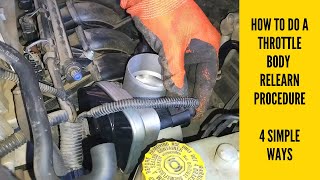
- Throttle Body Relearn Procedure: After cleaning or replacing the throttle body, a relearn procedure is mandatory. Many owners successfully perform this without a scan tool. A common method is to turn the ignition to 'ON' (engine off) for 15 seconds, then 'OFF' for 5-15 seconds. This cycle should be repeated 3-5 times. Afterwards, start the engine and let it idle for 10-15 minutes to allow the ECU to fully calibrate. 🎬 Watch: Four ways to perform a throttle body relearn
Mechanic-Grade Diagnostic Values
- Throttle Position Sensor 2 (TPS2) Voltage — expected: Decreases from ~5.0V at 0% throttle to ~0.5V at 100% throttle.. Failure: A sustained reading above 4.75V for more than 0.1 seconds triggers the P0223 code.
- Throttle Position Sensor 1 (TPS1) Voltage — expected: Increases from ~0.0V at 0% throttle to ~4.5V at 100% throttle.. Failure: While not directly for P0223, a mismatch between TPS1 and TPS2 voltage will trigger a correlation code like P2135.
- Sensor Reference Voltage at Throttle Body Connector — expected: Steady 5.0V with Key On, Engine Off.. Failure: A reading below 4.7V or an unstable voltage points to a wiring or PCM issue, not a faulty throttle body.
- Sensor Ground at Throttle Body Connector — expected: Less than 0.1V (100mV) with Key On, Engine Off.. Failure: A higher voltage reading indicates a poor ground connection, which can cause floating or high signal voltages.
Scan Tool Commands That Help
- Kia GDS (Global Diagnostic System): Throttle Position Sensor Data Display — Used to monitor live voltage and percentage data for both TPS1 and TPS2 simultaneously to check for erratic behavior or a signal that is stuck high.
- Kia GDS (Global Diagnostic System): Forced Throttle Actuator Operation — This is a bidirectional control that allows a technician to command the throttle plate to open and close. It's used to verify if the actuator motor is functioning and if the TPS signals respond correctly to the commanded changes, helping to isolate a sensor fault from a motor fault.
Wiring & Ground Locations
- Main Engine Ground Strap — Typically connects from the engine block or transmission housing to the chassis frame rail near the battery.. A corroded or loose main engine ground can create a poor ground reference for all engine sensors, including the TPS. This can cause the sensor's signal voltage to 'float' high, triggering a P0223 even if the sensor and its dedicated wiring are perfectly fine.
- Throttle Body Connector — A 6-pin connector directly on the electronic throttle body assembly.. This is the primary point for testing the 5V reference, ground, and the two signal wires (TPS1 and TPS2). Corrosion or backed-out pins in this connector are a common cause of the fault.
Model Year Variations Within This Range
- 2014-2016 vs 2017-2018: The 2017 model year marked a mid-cycle refresh for the Kia Forte, which included updated styling and technology. While the core Nu 2.0L GDI engine and throttle body assembly (35100-2E000) remained the same, there could be minor differences in wiring harness routing or software calibrations in the PCM. However, the diagnosis and primary cause for P0223 remain consistent across the entire 2014-2018 range.
Diagnostic Flowchart
Other Known Issues on This Vehicle
Issues unrelated to this code that are worth knowing about as an owner of this generation:
- Nu 2.0L GDI Engine Seizure/Failure 🔴 High — Widespread enough to be included in a major class-action lawsuit. Failures often reported between 60,000-120,000 miles due to connecting rod bearing wear. (Ref: Not a recall, but a class-action settlement (In re: Hyundai and Kia Engine Litigation II) extended warranties to 15 years/150,000 miles and provides for engine replacement under specific conditions.)
- MDPS Steering Coupler Failure 🟠 Medium — Extremely common across most Hyundai/Kia models of this era. A clicking or clunking noise is heard from the steering column on low-speed turns. The flexible rubber coupler disintegrates over time. (Ref: No recall, but a well-documented failure. The replacement part is inexpensive, but labor can be significant.)
- Excessive Oil Consumption 🟠 Medium — Many owners of the Nu 2.0L GDI engine report significant oil consumption, sometimes related to the same internal issues that can lead to engine failure.
- Ignition Coil Failure 🟡 Low — Particularly common on 2017-2018 models, leading to misfire codes (P030x). It is recommended to replace all four coils and plugs at once if one fails. (Ref: TSB SA321 was issued for 2017-2018 models to address faulty ignition coils.)
Used vs. New Parts: Buying Guide for This Vehicle
When a used part is the smart pick: A used OEM throttle body from a reputable salvage yard is a very sensible option for this repair. The part is not a high-wear mechanical item, and a low-mileage used unit can offer the same longevity as a new one for a fraction of the price.
Donor-vehicle mileage cap: roughly under 80000 miles for the part to have meaningful remaining life.
What to inspect on the donor part:
- Verify the OEM part number (35100-2E000) matches exactly.
- Inspect the electrical connector pins for any signs of corrosion, bending, or damage.
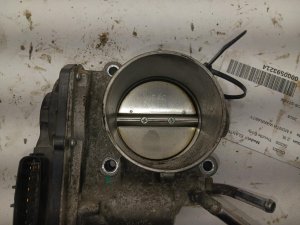
- Look inside the throttle bore. A thin, dry layer of black carbon is normal, but avoid units with heavy, wet oil or sludge buildup.
- Ensure the throttle plate moves freely by hand (with the unit off the car) and doesn't stick or bind.
- Ask for the donor vehicle's mileage and try to get a part from a vehicle with less than 80,000 miles for best results.
Aftermarket brands forum-validated for this vehicle:
- Bosch
- Mando (Often the Original Equipment Manufacturer)
- Standard Motor Products (SMP)
- Dorman (Specifically look for their OE FIX models which may have design improvements)
Brands owners have reported issues with on this vehicle:
- Unbranded, no-name parts from online marketplaces should be avoided. While cheap, they have a high failure rate and may not calibrate correctly during the relearn procedure, leading to persistent idle or performance issues.
Real Owner Stories
Aggregated from forums and TSBs cited above. Mileages and costs reflect what owners reported in those sources.
2014-2018 Kia Forte Nu 2.0L GDI
Symptoms: The owner needed a detailed, step-by-step guide for a manual throttle relearn or throttle body reset for both push-to-start and key ignition models after experiencing throttle-related issues.
What fixed it: Performed a manual throttle relearn procedure: ignition 'ON' (engine off) for 15 seconds, 'OFF' for 5-15 seconds, repeated 3-5 times, followed by a 10-15 minute idle.
Source hint: Reddit - r/mechanicadvice - 'SOLVED: Kia Throttle Position Sensor Relearn or Throttle Body Reset for Push to Start and Key Ignition Models'
Related OBD-II Codes
Frequently Asked Questions
Is there a specific TSB for the P0223 code on my Kia Forte?
Do I need a scan tool to perform the throttle relearn on my 2014-2018 Forte?
Could my P0223 code be related to the Nu 2.0L GDI engine settlement?
What is the correct OEM part number for a replacement throttle body?
Why is my Electronic Stability Control (ESC) light on along with the P0223 code?
Can I just clean the throttle body to fix a P0223 'Circuit High' code?
Helpful Videos

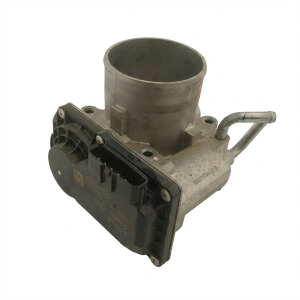
Used OEM Parts in Stock

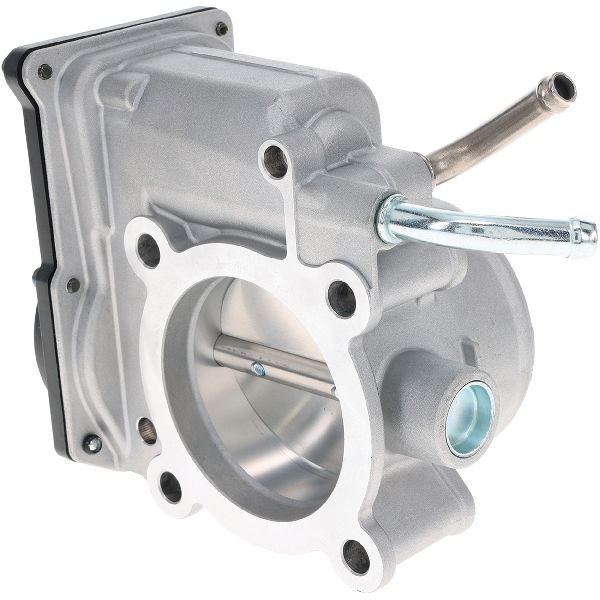
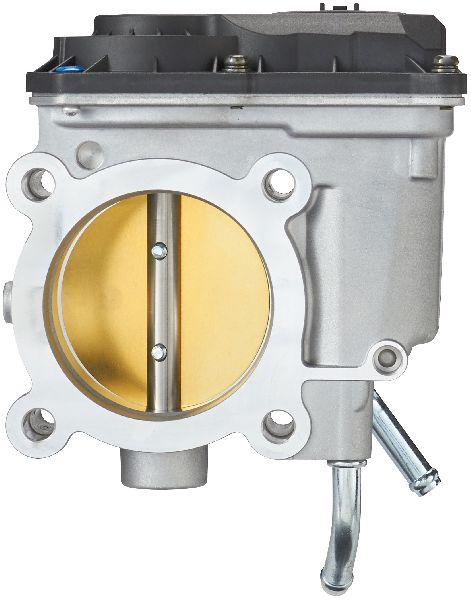
New Aftermarket Parts Available




The information in this article is provided for general reference and educational purposes only. Vehicle specifications, procedures, and part compatibility can vary by production date, trim level, and region. Always consult your vehicle's factory service manual and verify part numbers before purchasing or performing repairs. Safety-critical components such as airbags, seat belts, and braking systems should be installed by a qualified professional.
- Kia Forte:
- 🎬 Helpful Videos
- 🛍️ Shop This Part
- What's Unique About the 2014-2018 Kia Forte
- Symptoms You May Notice
- Most Likely Causes
- Rare But Worth Checking
- Diagnosis Steps
- Parts You'll Likely Need
- Related Codes That Often Appear With This One
- Platform-Specific Known Issues
- Mechanic-Grade Diagnostic Values
- Scan Tool Commands That Help
- Wiring & Ground Locations
- Model Year Variations Within This Range
- Diagnostic Flowchart
- Other Known Issues on This Vehicle
- Used vs. New Parts: Buying Guide for This Vehicle
- Real Owner Stories
- 2014-2018 Kia Forte Nu 2.0L GDI
- Related OBD-II Codes
- Frequently Asked Questions
- 🎟️ Get 5% Off