

P0223 on 2013-2015 Chrysler 300: Throttle Position Sensor Circuit High Fixes
P0223 on a 2013-2015 Chrysler 300 usually means the entire throttle body assembly needs replacement because the sensors are integrated. Before replacing, check for software updates via TSBs. A new throttle body costs around $150-$300 for the part.
- P0223 indicates a high voltage signal from the secondary throttle position sensor, usually causing limp mode.
- The most common cause on this platform is a failed sensor integrated within the throttle body, requiring full assembly replacement.
- Always check for PCM software updates via TSBs before replacing hardware, as this can be a cheaper and simpler fix.
- An ETC/Throttle Relearn procedure is necessary after replacing the throttle body.
- The issue is shared with platform mates like the Dodge Charger, Challenger, and other vehicles using the 3.6L and 5.7L engines.
What's Unique About the 2013-2015 Chrysler 300
For the second-generation (LD) Chrysler 300 and its platform mates (Dodge Charger, Challenger), the dual throttle position sensors are integrated directly into the throttle body assembly and are not sold as separate components. This often means a complete throttle body replacement is necessary to fix a single sensor fault. Additionally, Chrysler has issued Technical Service Bulletins (TSBs) that involve a software update for the PCM to correct overly sensitive diagnostic logic that can falsely trigger a P0223 code, so it's crucial to check for available updates before replacing hardware.
Diagnostic Flowchart
Tap your situation to follow the diagnostic path that matches what you're seeing on this vehicle.
Symptoms You May Notice
- Check Engine Light is on
- Electronic Throttle Control (ETC) warning light (red lightning bolt symbol) is illuminated. 🎬 Watch this video to see how to fix the lightning bolt limp mode.
- Vehicle enters 'limp mode' with drastically reduced engine power.
- Poor, delayed, or no acceleration.
- Engine may hesitate or stall.
- Hard starting or no-start condition.
- Rough or unstable idle.
- Harsh or delayed automatic transmission shifting.
- Replacing the accelerator pedal position (APP) sensor. While the APP sensor is part of the overall throttle control system, P0223 specifically points to a fault in the circuit for the sensor located on the throttle body, not the pedal.
Most Likely Causes
- Faulty Throttle Body Assembly 🔴 High Probability The throttle position sensors (TPS) are integrated into the throttle body and are a common failure point. They cannot be replaced separately, requiring the replacement of the entire assembly. Internal wear or a short in the sensor's potentiometer can cause the high voltage reading.
How to confirm: Using a scan tool, monitor the live data for TPS Sensor 2 voltage. If the voltage is stuck high (typically over 4.5V) and does not change as the accelerator is pressed, the sensor within the throttle body has likely failed. You can also disconnect the throttle body connector; if the scan tool voltage for TPS 2 drops to below 0.5V, it confirms the fault is within the throttle body itself.
Typical fix: Replace the entire throttle body assembly. After replacement, an 'ETC Relearn' or 'Throttle Relearn' procedure is required to calibrate the new part with the PCM.
Est. part cost: $150-$350 - Outdated PCM Software 🟡 Medium Probability Chrysler has released TSBs (e.g., #18-045-16 REV. A) to address this and other related codes with a software update. The original software may have diagnostic logic that is too sensitive, leading to false codes being set when no hardware fault exists.
How to confirm: A Chrysler dealership or a well-equipped independent shop with a subscription to OEM data can check the vehicle's current software calibration ID against the latest available updates listed in the TSBs.
Typical fix: Update the Powertrain Control Module (PCM) software to the latest version using a tool like wiTECH.
Est. part cost: $0-$200 (dealer labor) - Wiring or Connector Issue ⚪ Low Probability Engine vibration and heat can cause wires in the engine harness to fray or connectors to become loose or corroded over time, especially at the throttle body connector.
How to confirm: Visually inspect the wiring harness and the 6-pin connector at the throttle body for any signs of damage, corrosion, or loose pins. Perform a 'wiggle test' on the harness while monitoring TPS voltage on a scan tool to see if the reading fluctuates. With the throttle body and PCM disconnected, check for a short to voltage on the signal wire.
Typical fix: Repair the damaged section of the wiring harness or clean/replace the electrical connector. In some cases, a faulty engine harness that runs under the intake manifold may need replacement.
Est. part cost: $10-$500 (depending on if it's a simple connector repair or full harness replacement)
Rare But Worth Checking
- Faulty Powertrain Control Module (PCM): This is rare, but if the throttle body and wiring have been confirmed to be good, the PCM's internal circuits for processing the TPS signal may have failed. This should be the last item to consider after all other possibilities are exhausted.
- Dirty Throttle Body: While less common for a 'circuit high' code, heavy carbon buildup can sometimes restrict the throttle plate's movement, causing the sensor to report an inaccurate position that the PCM may interpret as a fault. Cleaning is a simple first step before replacing parts.
Diagnosis Steps
- Check for any Technical Service Bulletins (TSBs) related to your vehicle's VIN. A software update may be the required fix.
- Connect an OBD-II scanner and confirm the presence of P0223. Check for any other accompanying codes to get a fuller picture of the issue.
- Observe live data from the scanner, specifically focusing on 'TPS Sensor 1 Voltage' and 'TPS Sensor 2 Voltage'. P0223 is triggered when TPS Sensor 2 shows a voltage higher than the specified range (usually >4.5V).
- With the key on and engine off, slowly press the accelerator pedal and watch the voltage readings. They should sweep up and down smoothly. If TPS Sensor 2 voltage is stuck high or doesn't move, it points to a sensor or wiring issue.
- Turn the vehicle off and inspect the electrical connector and wiring harness at the throttle body. Look for corrosion, bent pins, or frayed wires. Perform a wiggle test on the harness.
- If wiring appears intact, disconnect the throttle body connector. Turn the ignition on (engine off) and check the TPS 2 voltage on the scan tool again. If the voltage drops to near zero, the fault is inside the throttle body assembly.
- If the voltage remains high with the sensor disconnected, there is a short to power in the wiring harness between the throttle body and the PCM. Inspect the harness for damage.
- If the wiring and software are confirmed good, the throttle body assembly is the most likely cause of the problem and should be replaced.
- After replacing the throttle body, perform the ETC Relearn procedure. This can sometimes be done without a scan tool by turning the key to 'ON' (not start), slowly pressing the gas pedal to the floor, slowly releasing it, then turning the key off for 10 seconds before starting the engine.
Parts You'll Likely Need
- Throttle Body Assembly
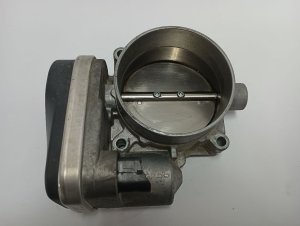
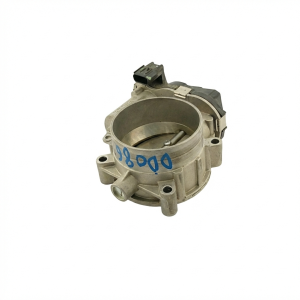
(OEM #05184349AF (3.6L V6), 53034251AB (5.7L V8))— This is the most common fix because the throttle position sensors are integrated into the assembly and cannot be purchased separately. A failure in the sensor requires replacing the entire unit.
Trusted brands: Mopar, Bosch, Hitachi, A1 Cardone
OEM price range: $250-$350
Aftermarket price range: $150-$250
Related Codes That Often Appear With This One
- P0123 — This is for 'Throttle Position Sensor 1 Circuit High'. Since both sensors are in the same housing, a failure of the throttle body can often affect both, triggering codes for each.
- P0222 — This is for 'Throttle Position Sensor 2 Circuit Low'. It's common to see related high and low circuit codes when a sensor is failing intermittently or the wiring is compromised.
- P2172 — This code for 'High Airflow/Vacuum Leak Detected' can be triggered alongside throttle body codes if the throttle plate is not closing properly, causing the engine to draw in more air than expected. This code is specifically mentioned in TSB #18-045-16 REV. A.
- P2299 — This code for 'Brake Pedal Position / Accelerator Pedal Position Incompatible' can be set as a safety measure when the PCM receives conflicting information from the throttle and brake systems. This is also mentioned in Chrysler TSBs for this issue.
- P2135 — This code for 'Throttle/Pedal Position Sensor/Switch A/B Voltage Correlation' is often seen when the two integrated TPS signals do not agree with each other, which is a direct consequence of one sensor failing.
Technical Service Bulletins (TSBs) & Recalls
- 18-045-16 REV. A: Addresses multiple DTCs including P0223 through a PCM software update for 2015 models.
- 18-094-16: Lists P0223 among other electrical system DTCs for 2014 models.
- 18-074-15 REV A: Lists P0223 among other electrical system DTCs for 2013 models.
Platform-Specific Known Issues
- Chrysler issued TSB #18-045-16 REV. A for some 2015 models (with 6.4L, but logic applies to others) which involves a PCM software update to improve the diagnostic logic for several throttle-related codes, including P0223.
- TSB #18-094-16 for 2014 models and TSB #18-074-15 REV A for 2013 models also list P0223 as part of a group of codes that may be addressed by software updates or other electrical system diagnostics.
- Owners on forums frequently report that replacing the entire throttle body is the definitive fix after experiencing the ETC light and limp mode associated with P0223.
Helpful Videos
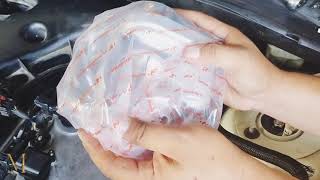


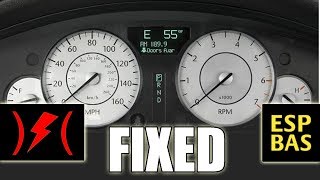
Used OEM Parts in Stock
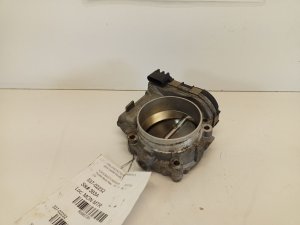
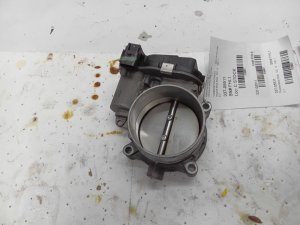
New Aftermarket Parts Available

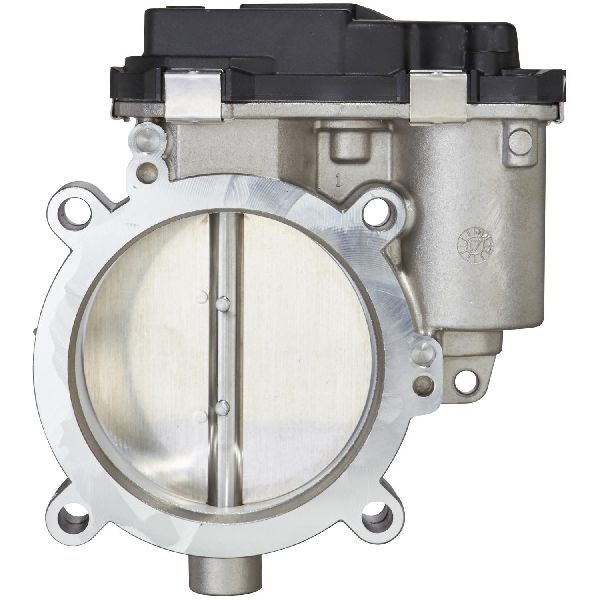

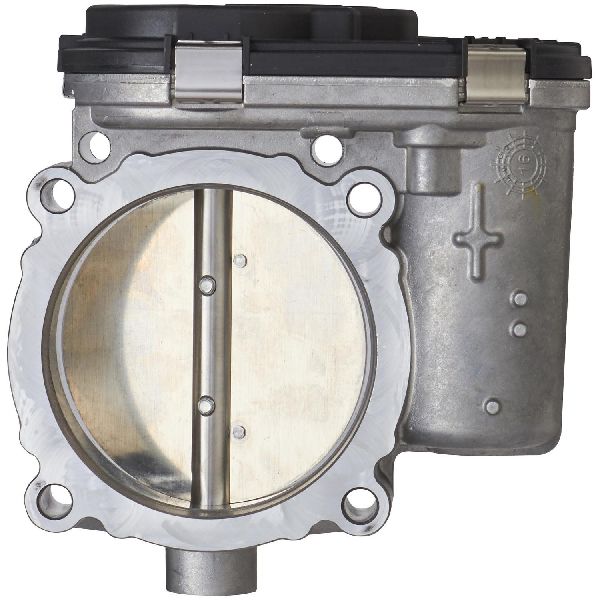

The information in this article is provided for general reference and educational purposes only. Vehicle specifications, procedures, and part compatibility can vary by production date, trim level, and region. Always consult your vehicle's factory service manual and verify part numbers before purchasing or performing repairs. Safety-critical components such as airbags, seat belts, and braking systems should be installed by a qualified professional.
- Chrysler 300:
- 🎬 Helpful Videos
- 🛍️ Shop This Part
- What's Unique About the 2013-2015 Chrysler 300
- Diagnostic Flowchart
- Symptoms You May Notice
- Most Likely Causes
- Rare But Worth Checking
- Diagnosis Steps
- Parts You'll Likely Need
- Related Codes That Often Appear With This One
- Technical Service Bulletins (TSBs) & Recalls
- Platform-Specific Known Issues
- 🎟️ Get 5% Off