

P0212 on 2020-2021 Ford Escape: Not an Injector, It's a Known Wiring Harness Chafing Issue
Code P0212 on a 2020-2021 Ford Escape almost never means a bad fuel injector. It's a known symptom of a chafed wiring harness near the steering shaft, which can blow fuse 44 and cause rough running, stalling, and a host of other electrical codes. The fix is to inspect and repair the specific harness, not replace the injector.
- On a 2020-2021 Ford Escape, P0212 is a symptom of an electrical problem, not a fuel injector problem.
- The most likely cause is a chafed wiring harness near the steering shaft, as documented in Ford TSBs SSM 50245 and SSM 50116.
- Symptoms include stalling (especially when turning), a blown fuse F44, and numerous unrelated trouble codes.
- The fix is to inspect, repair, and secure the specific harness, not replace sensors or modules.
What's Unique About the 2020-2021 Ford ESCAPE
On the fourth-generation Ford Escape, the appearance of code P0212 is almost always a misdirection. The true cause is a design and routing issue where the '14290' wiring harness can rub against the moving steering shaft u-joint. This chafing causes a short circuit that can trigger a wide array of seemingly unrelated trouble codes, P0212 among them. This single point of failure is documented by Ford in TSBs SSM 50245 and SSM 50116, making it a unique and known issue for this platform and its platform-mates.
Diagnostic Flowchart
Tap your situation to follow the diagnostic path that matches what you're seeing on this vehicle.
Symptoms You May Notice
- Check Engine Light (MIL) illuminated
- Engine runs rough or misfires
- Engine may stall, especially when turning the steering wheel
- Blown fuse, specifically fuse F44 (a 10A fuse) in the engine compartment fuse box
- Multiple, seemingly unrelated warning lights and trouble codes stored simultaneously
- Loss of power steering assist or other electrical failures
- Vehicle enters 'limp mode'
- Replacing a fuel injector. Since the vehicle does not have a 12th injector, any attempt to diagnose or replace one is based on a misunderstanding of the code's meaning on this platform.
- Replacing the fuel pump control module. One owner on a Reddit forum reported a dealer replaced this part, only for the stalling issue to return, indicating it was not the root cause.
- Replacing various sensors that are flagged by other DTCs that appear alongside P0212.
Most Likely Causes
- Chafed 14290 Wiring Harness 🔴 High Probability As documented in Ford TSBs SSM 50116 and SSM 50245, the harness is routed in a location where it can make contact with the steering shaft u-joint, leading to friction that wears through the wire insulation. This is a known design or assembly flaw.
How to confirm: Visually inspect the wiring harness located in the driver's footwell, directly above the steering shaft u-joint near the upper brake pedal mount. Look for signs of rubbing, chafing, or exposed copper wires. The damage may be on the side of the harness facing the steering shaft and difficult to see without a mirror and flashlight.
Typical fix: Repair the damaged wires using solder and heat-shrink tubing. Wrap the repaired section and surrounding harness area with high-quality anti-abrasion electrical tape (such as Tesa tape or 3M Polyurethane Protective Tape). Secure the harness away from the steering shaft using zip ties to prevent future contact.
Est. part cost: $5-$25
Rare But Worth Checking
- Powertrain Control Module (PCM) Failure: This is extremely rare. Do not consider replacing the PCM unless the wiring harness has been meticulously inspected and confirmed to be in perfect condition. A shorted harness can damage the PCM, but the harness is the root cause.
Diagnosis Steps
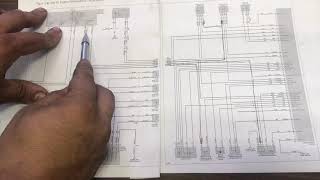
- Scan for all stored Diagnostic Trouble Codes (DTCs). Note if multiple codes from different systems are present, 🎬 Watch: How to diagnose a car with multiple trouble codes which is a strong sign of a wiring issue.
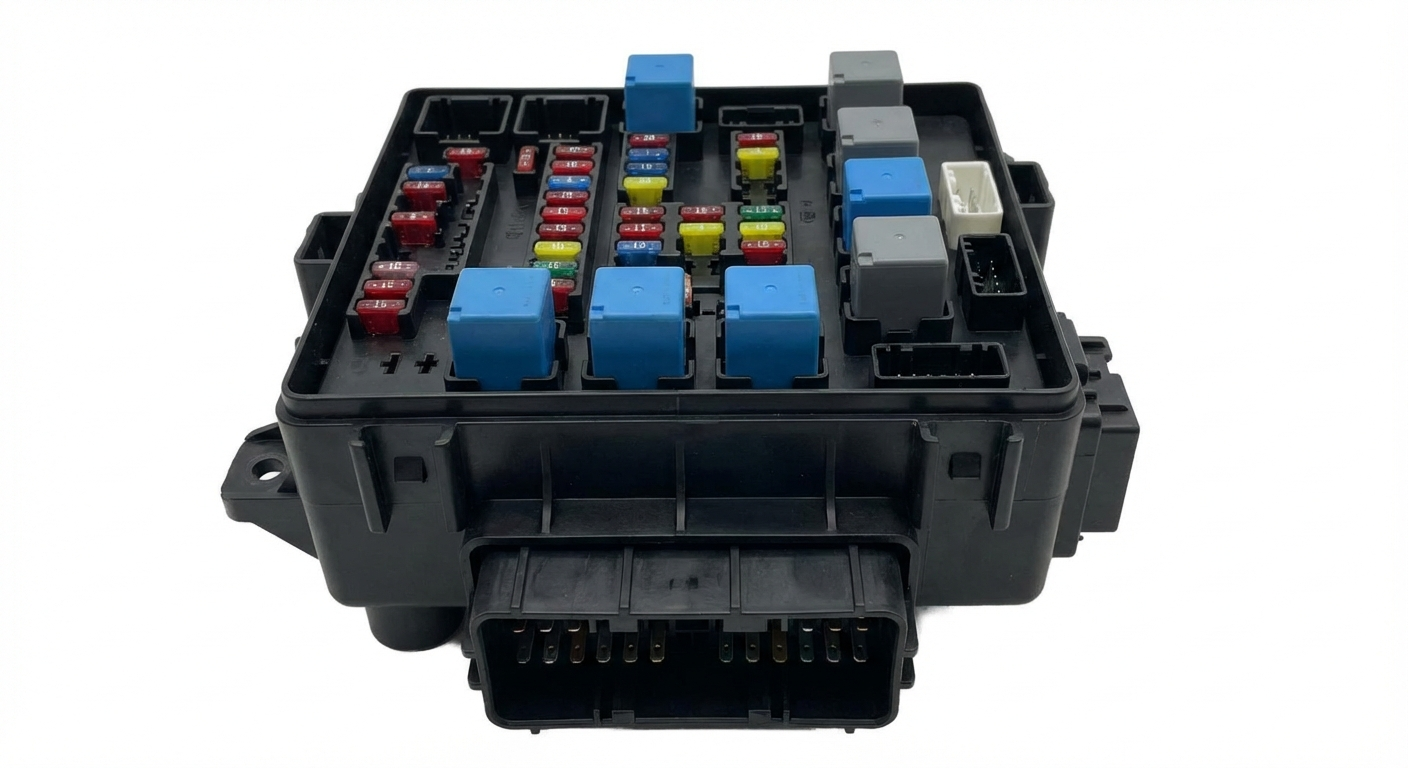
- Check fuse F44 (10 Amp) in the engine compartment fuse box. If it is blown, it strongly indicates a short circuit.
- Do not replace the fuse without finding the source of the short; it will blow again.
- Disconnect the vehicle's 12V battery.
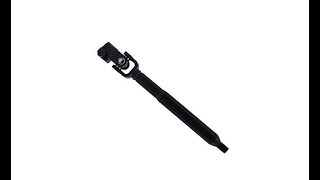
- Access the driver's side footwell to locate the steering shaft and upper brake pedal assembly. 🎬 See this walkthrough for accessing the intermediate steering shaft area
- Visually inspect the '14290' wiring harness directly above the steering shaft u-joint. Use an inspection mirror and a bright light. Look closely for any signs of abrasion, chafing, or exposed copper wires.
- If damage is found, carefully separate the wires and repair each one individually using solder and heat-shrink tubing.
- Wrap the repaired section securely with anti-abrasion tape (such as Tesa 51036 or equivalent).
- Use zip ties or other fasteners to secure the harness away from the steering shaft, ensuring there is adequate clearance to prevent future rubbing. Confirm clearance by having a helper turn the steering wheel lock-to-lock while you observe.
- Replace the blown F44 10A fuse.
- Reconnect the battery, clear all DTCs, and start the vehicle. Turn the steering wheel lock-to-lock to confirm the issue is resolved and no new codes appear.
Parts You'll Likely Need
- Anti-Abrasion Wiring Harness Tape — Required to protect the repaired wiring from future damage and abrasion.
Trusted brands: Tesa 51036, 3M Polyurethane Protective Tape 8664HS
OEM price range: $10-$25
Aftermarket price range: $5-$15 - Automotive Fuse — To replace fuse F44 if it was blown by the short circuit. It is a 10 Amp mini fuse.
Trusted brands: Bussmann, Littlefuse
OEM price range: $1-$5
Aftermarket price range: $1-$5 - Zip Ties — To secure the repaired harness away from the steering shaft.
OEM price range: $1-$5
Aftermarket price range: $1-$5
Related Codes That Often Appear With This One
- P06A7 — Sensor Voltage Reference Circuit 'B' Range/Performance. Both are listed in TSBs SSM 50116 and SSM 50245 as being caused by the same harness short.
- P2122 — Throttle/Pedal Position Sensor/Switch 'D' Circuit Low. Both are listed in TSBs SSM 50116 and SSM 50245 as being caused by the same harness short.
- P0340 — Camshaft Position Sensor 'A' Circuit. Both are listed in TSBs SSM 50116 and SSM 50245 as being caused by the same harness short.
- P0192 — Fuel Rail Pressure Sensor Circuit Low Input. Both are listed in TSBs SSM 50116 and SSM 50245 as being caused by the same harness short.
- U3000 — Control Module Internal Malfunction. This can be triggered by the voltage fluctuations from the shorting harness.
Technical Service Bulletins (TSBs) & Recalls
- SSM 50245: Details a rough running condition, open fuse 44, and a list of DTCs (including P0212) caused by the 14290 harness chafing above the steering shaft.
- SSM 50116: Describes a loss of voltage reference (VREF), blown fuse 44, and a list of DTCs (including P0212) caused by the 14290 harness contacting the steering shaft u-joint.
Platform-Specific Known Issues
- This vehicle is subject to Ford Technical Service Bulletins SSM 50245 and SSM 50116, which explicitly detail the cause of this code and many others. The issue is a wiring harness (from the 14290 family) that chafes against the steering shaft, causing a short circuit.
- The designation '14290' is a Ford engineering number for the main engine wiring harness family; it is not a specific, orderable part number for a replacement. The standard repair is to patch the existing harness, not replace the entire assembly.
Mechanic-Grade Diagnostic Values
- Sensor Voltage Reference (VREF) circuit — expected: 4.5 - 5.5 Volts with key on, engine off.. Failure: A voltage reading near 0 Volts indicates a short to ground. This reading will likely drop to zero when the steering wheel is turned, triggering the fault.
- Fuel Rail Pressure Sensor (associated with P0192) power supply pin — expected: Approximately 5 Volts.. Failure: A reading near 0 Volts indicates the sensor is not receiving power, which on this vehicle is likely due to the VREF circuit being shorted by the chafed harness.
Scan Tool Commands That Help
- Ford IDS (or equivalent professional scanner): Live Data Monitoring of VREF PIDs — To confirm the diagnosis. A technician should monitor the Voltage Reference PIDs while an assistant turns the steering wheel from lock to lock. A sudden drop to 0V when the wheel is turned confirms the short is occurring at the steering shaft contact point.
- Ford IDS (or equivalent professional scanner): Power Balance Test — This can be used to identify which cylinders are misfiring as a result of the electrical short, but it will not pinpoint the root cause of the short itself. It helps in confirming the 'rough running' symptom.
Wiring & Ground Locations
- 14290 Harness Chafe Point — In the driver's side footwell, directly above the steering shaft u-joint, near the upper brake pedal mount.. This is the exact location specified in Ford TSBs SSM 50116 and SSM 50245 where the wiring harness rubs against the moving steering shaft, causing the insulation to wear through and short circuit the VREF wire to ground.
- 12V Battery (Non-Hybrid) — Under the plastic cowl panel at the base of the windshield, requiring removal of the cowl for replacement.. Technicians must know that disconnecting the battery for safety before the wiring repair is not a simple process. Jump start posts are provided for convenience.
- 12V Battery (Hybrid Models) — In the rear cargo compartment, mounted within the spare tire well.. This location is completely different from the non-hybrid model and is critical information for anyone needing to disconnect the 12V system for diagnosis or repair.
Real Owner Repair Stories
- YouTube channel 'Ford Tech Makuloco' (2015 Ford Escape 2.0L EcoBoost (previous generation, but with identical failure pattern covered by a similar TSB)) — Stalling, chugging, hesitation, multiple DTCs including those for low fuel pressure and sensor reference voltage 'B' circuit (P06A7).
❌ Tried (didn't work) Owner had replaced the throttle body., Other shops had replaced high-pressure fuel pumps, low-pressure fuel pumps, and even performed timing belt jobs on similar vehicles without fixing the root cause.
✅ What actually fixed it The technician identified a TSB for wiring harness chafing (SSM47575). He located the harness near the engine bay fuse box, found a wire that had rubbed through on a sharp metal bracket, and repaired the damaged wire. This permanently resolved the stalling and all associated codes.
Model Year Variations Within This Range
- 2020-2021: The location of the 12V battery is different between non-hybrid and hybrid models. Non-hybrid models have the battery under the windshield cowl, while hybrid models have it in the rear cargo area.
Helpful Videos
We Have This Part in Stock





The information in this article is provided for general reference and educational purposes only. Vehicle specifications, procedures, and part compatibility can vary by production date, trim level, and region. Always consult your vehicle's factory service manual and verify part numbers before purchasing or performing repairs. Safety-critical components such as airbags, seat belts, and braking systems should be installed by a qualified professional.
- Ford ESCAPE:
- 🎬 Helpful Videos
- 🛍️ Shop This Part
- What's Unique About the 2020-2021 Ford ESCAPE
- Diagnostic Flowchart
- Symptoms You May Notice
- Most Likely Causes
- Rare But Worth Checking
- Diagnosis Steps
- Parts You'll Likely Need
- Related Codes That Often Appear With This One
- Technical Service Bulletins (TSBs) & Recalls
- Platform-Specific Known Issues
- Mechanic-Grade Diagnostic Values
- Scan Tool Commands That Help
- Wiring & Ground Locations
- Real Owner Repair Stories
- Model Year Variations Within This Range
- 🎟️ Get 5% Off