

P0202 on 2012-2014 Chevrolet Impala: Injector Circuit Malfunction Causes and Fixes
On a 2012-2014 Impala with the 3.6L V6, code P0202 is most often caused by a failed fuel injector for cylinder #2 or a wiring issue. Expect to pay $40-$90 for an aftermarket injector and check the wiring harness for damage before replacing parts.
- P0202 on your Impala means there's an electrical problem with the fuel injector in cylinder 2.
- The most likely causes are a bad fuel injector or a damaged wire/connector.
- A simple way to test the injector is to swap it with another cylinder and see if the code follows it.
- Do not ignore this code, as the resulting misfire can damage your catalytic converter over time.
- Always check the wiring carefully before spending money on a new injector.
What's Unique About the 2012-2014 Chevrolet IMPALA
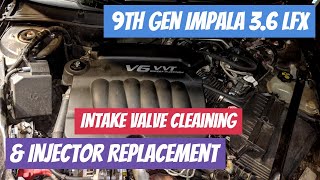
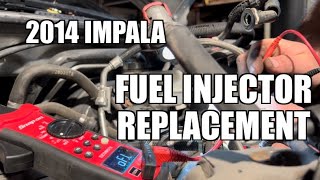
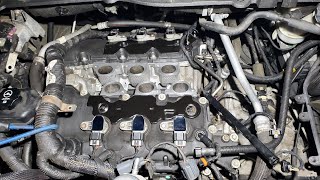
For the 2012-2014 Impala equipped with the 3.6L LFX V6 engine, the P0202 code is a straightforward electrical fault. GM has issued a Technical Service Bulletin (TSB #PIP4924D) that includes P0202 in a list of codes related to engine misfires, acknowledging a pattern of such issues on these vehicles. While the TSB doesn't pinpoint a single cause, owners often find the issue to be either the injector itself or a problem in the wiring harness. The LFX engine uses direct injection, so injector replacement is more involved than on older port-injected engines, requiring removal of the intake manifold.
🎬 Watch: Full walkthrough of intake removal and injector replacement.Diagnostic Flowchart
Tap your situation to follow the diagnostic path that matches what you're seeing on this vehicle.
Generation note: The 2012-2014 range covers two Impala generations. The 2012-2013 models are the ninth generation, while 2014 introduced the tenth generation. Both offered the 3.6L LFX V6 engine, so the engine-related diagnosis for P0202 is consistent across these years.
Symptoms You May Notice
- Check Engine Light is on
- Engine runs rough or vibrates, especially at idle
- Noticeable engine misfire (feels like a stumble or shake)
- Poor or hesitant acceleration
- Reduced fuel economy
- The 'Service Stabilitrak' warning light may also illuminate
- Replacing the spark plug or ignition coil for cylinder 2. While these parts can cause a misfire (P0302), they will not cause an injector circuit code (P0202). P0202 is specifically an electrical fault in the fuel injector's control circuit.
Most Likely Causes
- Faulty Cylinder 2 Fuel Injector 🔴 High Probability Injectors are wear-and-tear components; the internal electronic coil can fail over time, leading to an open or shorted circuit.
How to confirm: Swap the cylinder 2 fuel injector with one from another cylinder (e.g., cylinder 4). If the trouble code changes to P0204, the injector is confirmed to be faulty. Alternatively, test the injector's internal resistance with a multimeter; it should be within the manufacturer's specification (typically 1.2-1.8 ohms for the LFX engine). A reading of infinity (open) or near zero (short) indicates failure.
Typical fix: Replace the faulty fuel injector. It is often recommended to replace all injectors on that bank or all six at once if they are high-mileage.
Est. part cost: $40-$150 - Wiring Harness or Connector Issue 🟡 Medium Probability Engine vibration and heat can cause wires to chafe, break, or short circuit. The connector pins can also become corroded or loose, creating a poor connection. A GM TSB for similar vehicles points to wire chafing as a known issue.
How to confirm: Visually inspect the wiring harness leading to the cylinder 2 injector for any signs of damage, melting, or chafing. Unplug the connector and check for corrosion or bent pins. Use a noid light to confirm that the connector is receiving a pulse signal from the ECM when the engine is running.
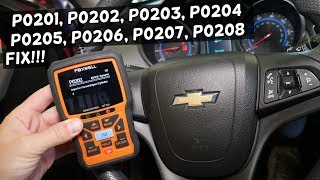
Typical fix: Repair the damaged section of wire or replace the pigtail connector. 🎬 See how to diagnose and fix injector circuit codes.
Est. part cost: $10-$30 - Faulty Powertrain Control Module (PCM) ⚪ Low Probability While not common, the internal driver circuit in the PCM that controls the injector can fail.
How to confirm: This is typically diagnosed by exclusion. If the injector and wiring have both been tested and are known to be good, but a noid light shows no pulse at the connector, the PCM is the likely culprit.
Typical fix: Replace and reprogram the Powertrain Control Module.
Est. part cost: $200-$600
Diagnosis Steps
- Connect an OBD-II scanner and confirm that P0202 is the active code. Note any other codes, such as P0302.
- Locate cylinder 2 on the 3.6L V6 engine. It is the middle cylinder on the front bank (the bank closer to the radiator).
- Visually inspect the wiring harness and connector for the cylinder 2 fuel injector. Look for obvious signs of damage, such as frayed wires, melting, or corrosion.
- Disconnect the injector and plug a noid light into the harness connector. Crank the engine and observe the noid light. It should flash steadily, indicating the ECM is sending a signal.
- If the noid light flashes, the wiring and PCM are likely good. The problem is most likely the fuel injector itself. Proceed to test the injector.
- To confirm a bad injector, swap the cylinder 2 injector with another one (e.g., cylinder 4). Clear the codes and run the engine. If the code returns as P0204, the injector is faulty and needs to be replaced.
- If the noid light does NOT flash in step 4, there is a problem with the wiring or the PCM. Test the injector connector for 12V power with the key on. If power is present, the issue is in the ground-side control wire going back to the PCM. Check this wire for continuity.
- If the wiring tests normal but there is no signal from the PCM, the PCM's injector driver may have failed, requiring PCM replacement.
Parts You'll Likely Need
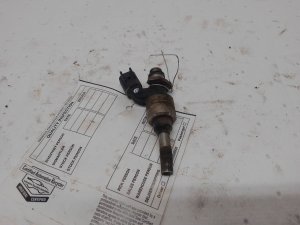
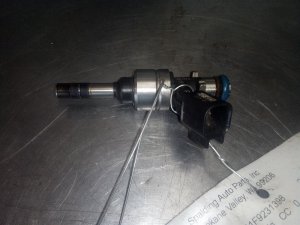
- Fuel Injector
(OEM #12638530)— This is the most common failure point for a P0202 code when wiring is confirmed to be intact.
Trusted brands: ACDelco, Bosch, Standard Motor Products
OEM price range: $90-$150
Aftermarket price range: $40-$90 - Fuel Injector Connector Pigtail — If the connector or wiring right at the injector is damaged, replacing the pigtail is the standard repair.
Trusted brands: ACDelco, Dorman
OEM price range: $20-$40
Aftermarket price range: $10-$25
Related Codes That Often Appear With This One
- P0302 — P0302 means 'Cylinder 2 Misfire Detected.' Since P0202 indicates a failure in the fuel delivery circuit for cylinder 2, a misfire is the direct result. A P0202 fault will almost always trigger a P0302 code.
- P0200 — P0200 is a general 'Injector Circuit Malfunction' code. It may appear alongside a more specific code like P0202 to indicate a broader problem with the injector system.
Technical Service Bulletins (TSBs) & Recalls
- PIP4924D: Mentions Diagnostic Trouble Codes P0201, P0202, and others in relation to engine misfires on 2012 models.
Platform-Specific Known Issues
- GM Technical Service Bulletin #PIP4924D was issued for 2012 models (among others) with the 3.6L engine experiencing a Service Engine Soon light and misfires. The bulletin lists P0202 as one of the potential DTCs, indicating a known pattern of injector circuit faults on this platform.
Mechanic-Grade Diagnostic Values
- Fuel Injector Coil Resistance (3.6L LFX V6 Direct Injection) — expected: 1.2 - 1.8 Ohms. Failure: A reading near 0 Ohms (short), OL/infinity (open), or significantly outside the specified range indicates a failed injector coil.
- Injector Pulse Width (at warm idle) — expected: 2.0 - 3.0 milliseconds (ms). Failure: A value of 0 ms on the cylinder 2 data PID, or a value significantly different from the other five injectors, points to a control problem.
- Injector Control Circuit Voltage (Key On, Engine Off) — expected: Approx. 12V (Battery Voltage). Failure: If the PCM does not sense approximately 12 volts on the control side of the injector circuit (coming through the coil from the power side), it can set a circuit fault code.
- Dual-Pulse Injection Strategy (Cold Start) — expected: Injector pulse width will be nearly double the normal idle pulse width for approximately the first 60 seconds after a cold start.. Failure: This is normal operation to heat the catalytic converter faster and can cause a temporary rough idle or black smoke. No repairs should be attempted if the engine smooths out as the pulse width drops by about 50%.
Scan Tool Commands That Help
- GDS2 / Tech 2: Injector Balance Test / Active Fuel Injector Test (AFIT) — This is a crucial bidirectional test to perform when a wiring issue isn't obvious. The tool commands each injector to fire and measures the corresponding drop in fuel rail pressure. If the pressure drop for cylinder 2 is significantly different from the others, it confirms a functional problem with the injector (clogged, sticking) that a simple resistance test would miss.
- GDS2 / Tech 2: Cylinder Power Balance — This function helps confirm which cylinder is misfiring. It disables one cylinder at a time and measures the drop in RPM. If disabling cylinder 2 causes no change in RPM, it confirms that cylinder is not contributing, which is the expected symptom for a P0202 code.
- GDS2 / Tech 2: Injector Control Circuit Status — While diagnosing, this parameter in the scan tool data list will change from 'OK' or 'Not Run' to 'Malfunction' or 'Open' if a circuit condition is detected, helping to confirm the fault in real-time.
Wiring & Ground Locations
- G111 — On the engine block, above the starter motor.. This is a primary engine ground. A poor or corroded connection here can cause erratic behavior in various engine sensors and the ECM, potentially leading to incorrect injector control or false diagnostic codes.
- G112 — On the engine block, near the battery.. Serves as another critical grounding point for the engine harness. A loose or corroded G112 can introduce electrical noise or voltage drops, affecting the ECM's ability to accurately monitor and control the injector circuits.
- Cylinder 2 Injector Connector — Under the upper intake manifold, connected to the middle fuel injector on the front bank (closer to the radiator).. This is the primary connection point for testing. The connector itself, its pins, and the wires immediately leading to it are common failure points due to heat and vibration.
- ECM Connectors (X1/X2) — The Engine Control Module is the source of the injector control signal. The specific pin for the cylinder 2 injector control wire is located in one of the main ECM harness connectors.. To perform a definitive continuity test of the control wire, a technician must test from the pin at the injector connector to the corresponding pin at the ECM connector. A wiring diagram is essential for this step.
Real Owner Repair Stories
- YouTube video on a 9th Gen Impala with 3.6L LFX (2012 Chevrolet Impala 3.6L LFX) — Horrible engine misfire and a P0276 code (Injector Circuit Low for Cylinder 6, a similar fault) that would only appear when it snowed or was very wet outside.
❌ Tried (didn't work) The owner initially suspected the fuel injector itself was faulty.
✅ What actually fixed it The final fix was repairing the injector wiring harness. The weather-dependent nature of the fault strongly pointed to a wiring issue where moisture was causing a short. This is a real-world example of the wiring harness being the culprit, not the component.
OEM Part Supersession History
12638530→12669384— Standard part evolution for improved manufacturing or reliability.
Heads up: Part number 12638530 was the original part for many LFX engines. It was superseded by 12669384. Both are for direct injection engines and are not compatible with older port-injected GM 3.6L engines.
Model Year Variations Within This Range
- 2012-2014: The 2012-2013 models are the 9th generation Impala, while the 2014 model year saw both the 9th generation sold as the 'Impala Limited' (primarily to fleets) and the launch of the all-new 10th generation Impala. Both generations in this timeframe used the same 3.6L LFX V6 engine, making the diagnosis for P0202 identical. However, body and chassis-related wiring could differ, though the engine harness itself is consistent.
Helpful Videos
Used OEM Parts in Stock

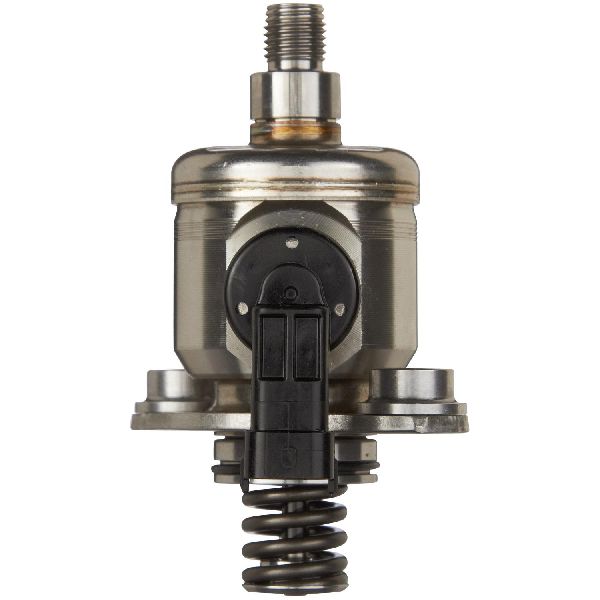
New Aftermarket Parts Available


The information in this article is provided for general reference and educational purposes only. Vehicle specifications, procedures, and part compatibility can vary by production date, trim level, and region. Always consult your vehicle's factory service manual and verify part numbers before purchasing or performing repairs. Safety-critical components such as airbags, seat belts, and braking systems should be installed by a qualified professional.
- Chevrolet IMPALA:
- 🎬 Helpful Videos
- 🛍️ Shop This Part
- What's Unique About the 2012-2014 Chevrolet IMPALA
- Diagnostic Flowchart
- Symptoms You May Notice
- Most Likely Causes
- Diagnosis Steps
- Parts You'll Likely Need
- Related Codes That Often Appear With This One
- Technical Service Bulletins (TSBs) & Recalls
- Platform-Specific Known Issues
- Mechanic-Grade Diagnostic Values
- Scan Tool Commands That Help
- Wiring & Ground Locations
- Real Owner Repair Stories
- OEM Part Supersession History
- Model Year Variations Within This Range
- 🎟️ Get 5% Off