

P0197 on 2018-2019 Volkswagen Beetle: Engine Oil Temperature Sensor Circuit Low Causes and Fixes
On a 2018-2019 VW Beetle with the 2.0T engine, code P0197 is almost always caused by a failed oil level and temperature sensor located in the oil pan. This integrated sensor sends a voltage signal to the ECU that is below the specified range (typically <0.5V), triggering the code. Replacing the sensor, which requires an oil change, is the standard fix. Expect to pay $50-$100 for a quality aftermarket part (like Hella) or $120-$180 for an OEM sensor.
- P0197 on your Beetle points to a problem with the oil temperature sensor circuit, not necessarily the oil itself.
- The most likely culprit is the combined oil level/temperature sensor located on the bottom of your oil pan.
- Before buying parts, always perform a visual inspection of the sensor's wiring for any obvious damage, as its location makes it vulnerable.
- Replacing the sensor is a DIY-friendly job if you are comfortable performing an oil change, as the oil must be drained to access it.
What's Unique About the 2018-2019 Volkswagen BEETLE
For the A5 generation Beetle with the 2.0T TSI (EA888 Gen 3) engine, Volkswagen uses a combined oil level and temperature sensor mounted on the bottom of the oil pan. This design makes the sensor and its wiring highly susceptible to damage from road debris, oil leaks, and corrosion. While the sensor itself is the most common point of failure, the exposed wiring is a frequent secondary cause that should always be inspected 🎬 Watch: Step-by-step fault finding and wiring repair guide before replacing parts. Rodent damage to the low-hanging wires has also been reported by owners of similar platforms.
Diagnostic Flowchart
Tap your situation to follow the diagnostic path that matches what you're seeing on this vehicle.
Symptoms You May Notice
- Check Engine Light is illuminated
- Oil temperature gauge on the instrument cluster is inoperative or displays a fixed, incorrect low value (e.g., -40°F).
- Yellow oil warning light may be on, sometimes with the word "SENSOR" on the Multi-Function Display (MFD).
- Reduced engine performance or hesitation, as the ECU may alter fuel and timing maps based on the faulty reading.
- Replacing the oil pressure switch. The oil pressure switch is a different sensor located elsewhere on the engine (often near the oil filter housing) that triggers a red oil pressure warning light, not the P0197 code which is for temperature.
Most Likely Causes
- Failed Oil Level / Temperature Sensor 🔴 High Probability This combined sensor is a very common failure item on many modern VW and Audi vehicles using the EA888 engine. Internal electronics can fail or short circuit, causing the signal voltage to drop below the specified threshold, often less than 0.5V.
How to confirm: Check the live data on an OBD-II scanner. If the oil temperature reads a static, extremely low value (like -40°F/C) that doesn't change as the engine warms up, the sensor has almost certainly failed. You can also disconnect the sensor; the signal wire voltage at the harness should read approximately 5V. If it does, the sensor is bad.
Typical fix: Replace the oil level/temperature sensor. This requires draining the engine oil to access the sensor on the bottom of the oil pan, which is held by three 10mm bolts.
Est. part cost: $50-$180 - Damaged Wiring or Connector 🟡 Medium Probability The sensor and its wiring are located on the bottom of the engine, making them vulnerable to road debris, moisture, corrosion, and rodent damage. The wiring harness can become chafed or break, and the connector pins can corrode.
How to confirm: Visually inspect the wiring harness and connector leading to the sensor on the oil pan. Look for any signs of chafing, breaks, corrosion, or oil saturation. Wiggle the connector while observing live data to see if the reading changes. Use a multimeter to check for a short to ground on the signal wire.
Typical fix: Repair the damaged section of the wiring harness by soldering and using heat-shrink tubing. If the connector itself is damaged, replace it with a new connector pigtail.
Est. part cost: $15-$50
Rare But Worth Checking
- Faulty Engine Control Module (ECM): This is very uncommon. The ECM's internal circuit for reading the sensor could fail. This should only be considered after the sensor and wiring have been thoroughly tested and confirmed to be good. One owner on a forum reported needing an ECU replacement after all sensors and wiring checked out.
Diagnosis Steps
- Connect an OBD-II scanner and confirm that P0197 is the active code. Note any other codes present.
- View the live data stream on the scanner. Check the value for 'Engine Oil Temperature'. A reading that is stuck at a very low number (e.g., -40°F) strongly indicates a circuit fault.
- Turn the engine off and allow it to cool. Safely raise and support the vehicle on jack stands.
- Locate the oil level/temperature sensor on the bottom of the engine oil pan. It is a black plastic sensor typically held in by three 10mm bolts.
- Thoroughly inspect the electrical connector and wiring harness leading to the sensor. Look for any breaks, chafing, corrosion, or signs of rodent damage.
- If wiring looks good, test the circuit. Disconnect the sensor and turn the ignition on (engine off). Use a multimeter to probe the signal wire in the harness connector. You should see a reference voltage of approximately 5V. If 5V is present, the wiring and ECM are likely okay, and the sensor is the fault.
- If the sensor is deemed faulty, the only fix is replacement.
- To replace the sensor, you must first drain the engine oil.
- Disconnect the electrical connector, remove the three 10mm bolts, and remove the old sensor. Be prepared for some residual oil to drip out.
- Install the new sensor with a new, lightly oiled O-ring/gasket. Torque the bolts to the manufacturer's specification (typically around 10 Nm / 7.4 ft-lbs, but verify for your specific model).
- Refill the engine with the correct type and amount of VW 502 00 or 504 00 specification oil, clear the fault code, and start the engine. Verify the oil temperature reading is now plausible in the live data.
Parts You'll Likely Need
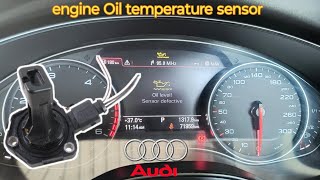
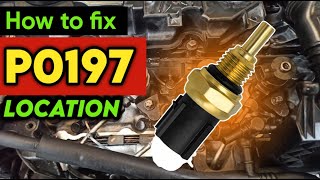
- Engine Oil Level and Temperature Sensor
(OEM #06L907660C)— This integrated sensor is the most common failure point for the P0197 code on this engine. The original part may be superseded by 06K907660C.
Trusted brands: Hella, Bosch, NTK, Continental (OEM supplier), Genuine VW/Audi
OEM price range: $120-$180
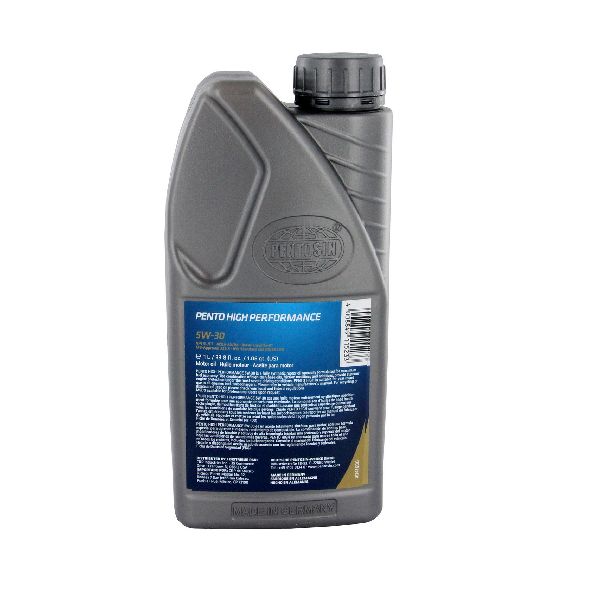
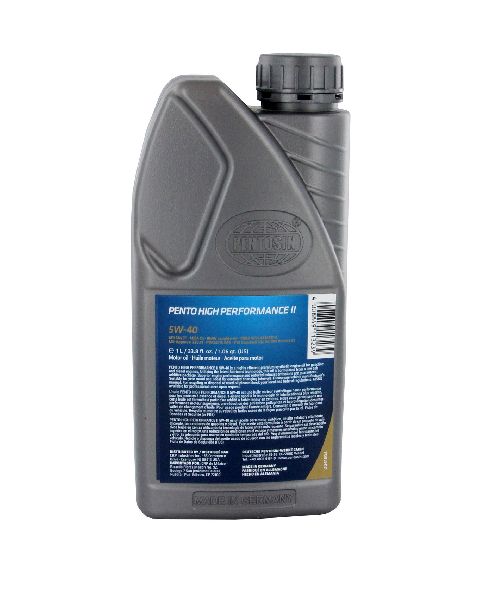
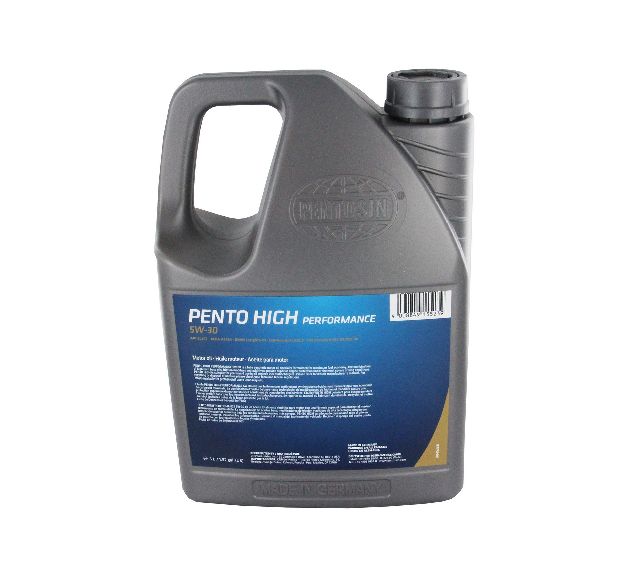
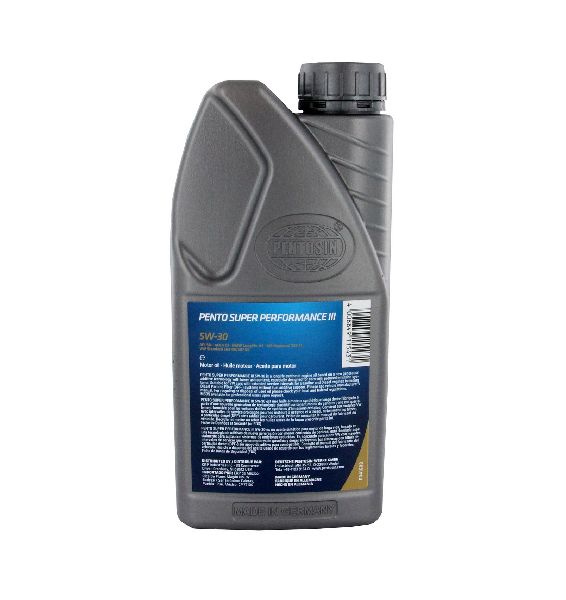
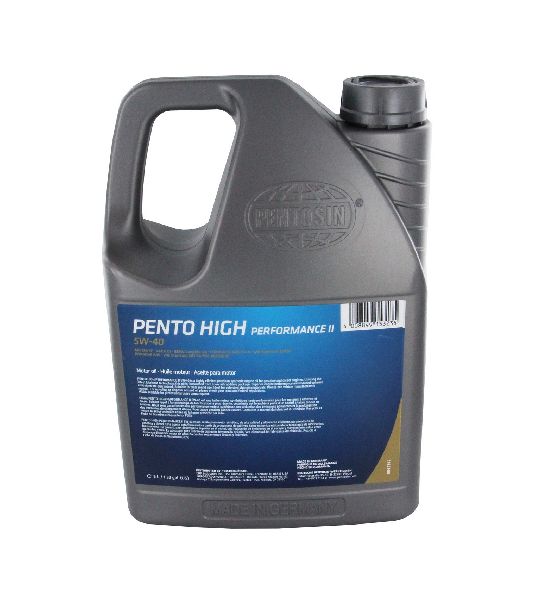
Aftermarket price range: $50-$100 - Engine Oil and Filter — The engine oil must be drained to replace the sensor, so an oil and filter change is required as part of the job.
Trusted brands: Liqui Moly, Motul, Castrol EDGE, Mann-Filter
OEM price range: $70-$110
Aftermarket price range: $50-$80
Related Codes That Often Appear With This One
- 00562 — This is a VW-specific fault code for the 'Sensor for Oil Level/Temperature'. It often appears alongside P0197 in a VW-specific scan tool (like VCDS) and points directly to a fault with the same sensor or its wiring.
- P0198 — This code for 'Engine Oil Temperature Sensor Circuit High' can appear intermittently with P0197 if there is a loose connection or damaged wire causing the signal to fluctuate between a short (low) and an open circuit (high).
- P0196 — This code for 'Engine Oil Temperature Sensor Range/Performance' indicates the signal is implausible compared to other sensors (like coolant temp). It can be set if the sensor is failing but not completely shorted or open.
Technical Service Bulletins (TSBs) & Recalls
- VIN4APIN20190628: Notes that customers may state the MIL is on with code P0197, among others.
- VIN4APIN20190617: Also lists P0197 as one of several codes that may be present when a customer reports a MIL-on condition.
Platform-Specific Known Issues
- Volkswagen has issued Technical Service Bulletins (TSBs) that list P0197 as a potential code that can illuminate the Malfunction Indicator Lamp (MIL) on 2019 Beetles, though they do not specify a unique cause and list it among several other possible codes. [VIN4APIN20190628, VIN4APIN20190617] These appear to be internal tracking numbers rather than public-facing TSBs with detailed repair instructions.
Mechanic-Grade Diagnostic Values
- Engine Oil Temperature Sensor (G266) Resistance — expected: 1,500-2,500 Ohms when cold (approx. 20°C/68°F); 275-375 Ohms when hot (approx. 90°C/194°F). Resistance should decrease smoothly as temperature increases.. Failure: A reading over 5,000 ohms, near-zero ohms (short), or infinite resistance (open circuit) indicates a failed sensor.
- Sensor Connector Pin 3 (Signal) Voltage at Harness — expected: Approximately 5.0V reference with sensor disconnected and key on, engine off.. Failure: A voltage reading near 0V suggests a short to ground in the wiring harness or a potential ECM fault.
- Sensor Connector Pin 2 (Ground) Resistance to Chassis — expected: Less than 1 ohm.. Failure: High or infinite resistance (OL) indicates a bad ground connection for the sensor circuit.
Scan Tool Commands That Help
- VCDS (VAG-COM) or equivalent: Advanced Measuring Values — Use this to view the live data for 'oil temperature' as seen by the ECU. For a P0197 fault, the value will typically be stuck at a default low like -40°C, which confirms the ECU is receiving an out-of-range signal and the fault is active.
Wiring & Ground Locations
- G266 Sensor Connector (T3) — On the bottom of the engine oil pan, connecting to the oil level/temperature sensor.. This 3-pin connector is the direct interface for the sensor. Pin 1 is Power (+12V), Pin 2 is Ground, and Pin 3 is the Signal wire. Damage, corrosion, or a loose connection here is a primary cause of P0197. The connector part number is often 3D0973703.
- Engine Block / Transmission Ground Strap — A main ground strap typically runs from the battery's negative terminal to the chassis and from the chassis to the engine block or transmission case.. While not specific to this sensor, a poor main engine ground can cause a variety of sensor reading errors and electrical issues. It's a foundational check for any electrical fault diagnosis.
- Ground Point 15 — On the cylinder head.. This is a primary engine ground point. A loose or corroded connection here could potentially affect the ground reference for various engine sensors, including the circuit for G266.
Real Owner Repair Stories
- Go-Parts Forum Summary (2017-2019 Volkswagen Passat (similar EA888 platform)) — P0197 code present.
❌ Tried (didn't work) Replacing the oil level/temperature sensor (G266) did not resolve the issue initially.
✅ What actually fixed it The final fix was repairing a damaged pin within the G266 sensor connector itself.
OEM Part Supersession History
06L907660C→06K907660C— Part consolidation and potential internal revisions for reliability across multiple VAG platforms.
Heads up: The parts are generally cross-compatible for this application, but it is always critical to verify the correct part number for the vehicle's specific VIN before ordering.
Helpful Videos




We Have This Part in Stock

The information in this article is provided for general reference and educational purposes only. Vehicle specifications, procedures, and part compatibility can vary by production date, trim level, and region. Always consult your vehicle's factory service manual and verify part numbers before purchasing or performing repairs. Safety-critical components such as airbags, seat belts, and braking systems should be installed by a qualified professional.
- Volkswagen BEETLE:
- 🎬 Helpful Videos
- 🛍️ Shop This Part
- What's Unique About the 2018-2019 Volkswagen BEETLE
- Diagnostic Flowchart
- Symptoms You May Notice
- Most Likely Causes
- Rare But Worth Checking
- Diagnosis Steps
- Parts You'll Likely Need
- Related Codes That Often Appear With This One
- Technical Service Bulletins (TSBs) & Recalls
- Platform-Specific Known Issues
- Mechanic-Grade Diagnostic Values
- Scan Tool Commands That Help
- Wiring & Ground Locations
- Real Owner Repair Stories
- OEM Part Supersession History
- 🎟️ Get 5% Off