

P0191 on 2011-2015 GMC Sierra 3500: Fuel Pressure Sensor Causes and Fixes
Code P0191 on a 2011-2015 GMC Sierra 3500 indicates a problem with the fuel rail pressure sensor's signal. The most common causes are a faulty fuel rail pressure sensor, a weak fuel pump, or contaminated fuel. For gasoline engines, fuel system contamination is a known issue, while Duramax diesels may have issues with the high-pressure fuel pump (CP4), a known and potentially catastrophic failure point.
- P0191 means the fuel rail pressure sensor signal is out of its expected range.
- For gasoline engines, check for fuel contamination and a weak fuel pump, as noted in GM service bulletins.
- For 6.6L Duramax diesel engines, this code can be a serious warning of a failing high-pressure fuel pump (CP4) or a bad fuel pressure regulator.
- Always start diagnosis by checking the fuel filter and monitoring desired vs. actual fuel pressure with a scan tool.
- Before replacing expensive parts like a fuel pump, thoroughly inspect the fuel rail pressure sensor's wiring and connector for corrosion or damage.
What's Unique About the 2011-2015 Gmc SIERRA 3500

For the 2011-2015 Sierra 3500, the cause of P0191 can differ significantly between the 6.0L gas and 6.6L LML Duramax diesel engines. On gasoline models, GM has issued Technical Service Bulletins (TSBs) specifically mentioning that fuel system contamination can cause P0191, leading to hard starts and rough running. [TSB #16-NA-102, TSB #PIP5151F] For the 6.6L LML Duramax diesel, this code can be an early and critical indicator of a failing high-pressure fuel pump (Bosch CP4), a notorious issue for this engine generation. This failure can send metal shavings throughout the entire fuel system, leading to a repair bill in the thousands of dollars. The code may also point to issues with one of the two fuel pressure regulators on the Duramax.
Diagnostic Flowchart

Tap your situation to follow the diagnostic path that matches what you're seeing on this vehicle.
Generation note: The 2011-2015 year range covers two generations of the Sierra HD. The 2011-2014 models are part of the GMT900 platform, while the 2015 model year marked the beginning of the new K2XX platform. While the engines are similar, some parts and their locations may differ slightly. The fundamental causes of P0191 remain consistent across these years, particularly the CP4 pump vulnerability in the LML Duramax and fuel contamination issues in the gas engines.
Symptoms You May Notice
- Check Engine Light is on
- Hard starting or no-start condition
- Engine stalling or hesitation, especially under load or when towing.
- Reduced engine power (limp mode).
- Rough idle
- Poor fuel economy
- Engine sounds like timing has changed after a stall/restart event.
- Replacing the high-pressure fuel pump on a Duramax when the issue is a much cheaper faulty fuel rail pressure sensor or regulator.
- Replacing the fuel rail pressure sensor when the underlying cause is a clogged fuel filter, a failing low-pressure lift pump, or a failing high-pressure pump (on Duramax models).
- On gasoline engines, replacing the fuel pump without first checking for fuel contamination, which is the root cause cited in multiple TSBs. [TSB #16-NA-102, TSB #PIP5151F]
Most Likely Causes

- Faulty Fuel Rail Pressure Sensor (FRPS) 🔴 High Probability The sensor is a sensitive electronic component that operates in a harsh environment. Corrosion at the connector is also a known issue on GM trucks. Internal failure can cause it to send irrational signals to the ECM.
How to confirm: Use a scan tool to compare the 'desired' fuel rail pressure with the 'actual' reading from the sensor. If the reading is erratic, stuck, or doesn't match a mechanical gauge reading, the sensor is likely bad. With the key on, engine off, the sensor should show a steady baseline pressure; erratic readings at this stage point to a sensor or wiring issue. For LML/LMM Duramax engines, the KOEO (Key On Engine Off) pressure should be 0 PSI.
Typical fix: Replace the fuel rail pressure sensor and inspect the connector for corrosion or damage. The OEM ACDelco part number for the 6.6L Duramax is 12651990.
Est. part cost: $50-$150 - Failing Fuel Pump or Fuel System Contamination (Gasoline Engines) 🔴 High Probability GM issued TSBs #16-NA-102 and #PIP5151F for gasoline models, warning that debris in the fuel system can cause this code along with hard starting. [TSB #16-NA-102, TSB #PIP5151F] This points to issues with either the in-tank fuel pump failing or external contaminants entering the system. The Fuel Pump Control Module (FPCM) is also mounted on the frame rail near the spare tire, making it vulnerable to corrosion and a common failure point.
How to confirm: Perform a fuel pressure test with a mechanical gauge on the low-pressure side. The in-tank pump for the 6.0L V8 should provide a minimum pressure of 58 PSI. If pressure is low or erratic, the pump or FPCM is a likely culprit. Inspecting the fuel tank and filter for debris can confirm contamination.
Typical fix: If contaminated, the entire fuel system may need to be cleaned, and the fuel pump and filter replaced, as per TSB #PIP5151F. If the FPCM is corroded, it will need replacement and programming.
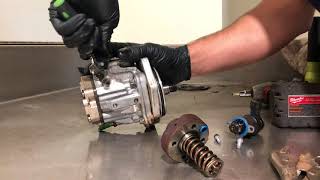
Est. part cost: $200-$500 for a fuel pump assembly - Failing High-Pressure Fuel Pump (CP4) (6.6L Duramax Diesel) 🟡 Medium Probability The Bosch CP4 high-pressure pump used on the 2011-2016 LML Duramax engine is notoriously prone to failure due to a lack of lubricity in US diesel fuel, causing internal parts to wear and disintegrate. A P0191 code can be a symptom of the pump struggling to meet commanded pressure, especially under load.
How to confirm: Monitor desired vs. actual rail pressure under load; a significant and consistent drop of 2,000 PSI or more points to a weak pump. The definitive check is to inspect the fuel filter housing and fuel pressure regulator screen for metallic particles (often described as 'glitter'), a tell-tale sign of CP4 self-destruction. 🎬 See why the CP4 fails and how to prevent it
Typical fix: This is a catastrophic and expensive repair. It requires replacement of the high-pressure fuel pump, all fuel injectors, both fuel rails, and all high-pressure lines, plus cleaning/flushing of the fuel tank and low-pressure lines to remove all metal debris. Many owners opt to replace the CP4 with a more robust CP3 pump conversion kit.
Est. part cost: $2000-$8000+ for a full system replacement - Clogged Fuel Filter 🟡 Medium Probability A clogged filter restricts fuel flow, preventing the pump from maintaining desired pressure, especially under load. This is a primary maintenance item that is often overlooked.
How to confirm: This is a primary maintenance item. If the filter hasn't been changed in a while, replace it before proceeding with more complex diagnostics. Always inspect the old filter for signs of water or metallic debris (on Duramax models).
Typical fix: Replace the fuel filter. Use a quality OEM or equivalent filter like ACDelco or Racor.
Est. part cost: $20-$60 - Wiring or Connector Issues ⚪ Low Probability GM issued TSB #20-NA-197 for later model trucks with similar engines, indicating that corrosion at the fuel pressure sensor connector can cause P0191. The wiring harness can also chafe or suffer from spread/fretted terminals. The ECM ground (G103) is a known point of interest for electrical issues.
How to confirm: Visually inspect the sensor connector for corrosion (green or black residue), bent pins, or loose wires. Perform a wiggle test on the harness while monitoring live data. Check for 5V reference, ground, and a signal voltage between 0.5V and 4.8V at the connector using a multimeter.
Typical fix: Clean or replace the pigtail connector. Repair any damaged sections of the wiring harness. Ensure ECM ground G103 is clean and tight.
Est. part cost: $20-$50
Rare But Worth Checking
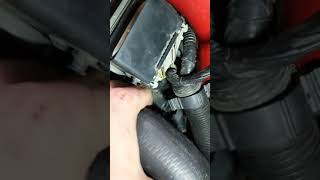
- Faulty Fuel Pressure Regulator: On Duramax engines, there are two regulators. One on the high-pressure pump (often called a Fuel Control Actuator or MPROP) and one on the fuel rail. Either can fail, 🎬 Watch this walkthrough on swapping the fuel pressure regulator causing pressure to be too high or too low. A failing regulator on the rail was the confirmed fix in one forum thread for a 2011 Duramax that had technicians stumped because scan tool data appeared normal.
- Leaking Fuel Injectors: A leaking injector can cause a drop in rail pressure, especially on a Duramax. This can be diagnosed by measuring injector return rates; excessive return flow from one or more injectors indicates they are worn and bleeding off pressure. A return rate greater than 3 ml in 15 seconds of cranking indicates a bad injector.
- Faulty Engine Control Module (ECM): This is extremely rare, but a faulty ECM can misinterpret sensor data. This should only be considered after all other possibilities, including extensive wiring checks, have been exhausted.
Diagnosis Steps
- Scan for all OBD-II codes to see if other codes like P0087 or P0088 are present.
- Replace the fuel filter if its age is unknown. This is an inexpensive first step. On Duramax models, cut open the old filter and inspect for metal shavings.
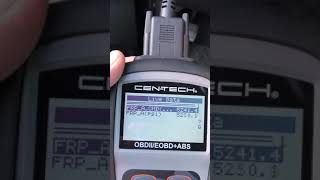
- Using a scan tool with live data, monitor 'Desired Fuel Rail Pressure' and 'Actual Fuel Rail Pressure'.
- With the key on and engine off, the sensor should show a baseline pressure. For LML Duramax, this should be 0 PSI. Start the engine and observe the readings at idle and while revving. The actual pressure should closely follow the desired pressure.
- If the actual pressure reading is erratic, stuck at one value, or clearly incorrect, inspect the sensor's wiring and connector for damage or corrosion.
- If the wiring is good, connect a mechanical fuel pressure gauge to the fuel rail's Schrader valve (if equipped on gas models) or the low-pressure test port. Compare the mechanical gauge reading to the scan tool's sensor reading. A significant difference points to a bad sensor.
- If both the scan tool and mechanical gauge show low pressure, the problem is likely the fuel pump (low-pressure or high-pressure), a clogged filter, or a major leak.
- On Duramax models, if low pressure is confirmed, inspect the fuel pressure regulator on the rail for metal debris, which indicates CP4 pump failure.
Parts You'll Likely Need
- Fuel Rail Pressure Sensor
(OEM #12651990 (For 6.6L LML Duramax))— This is a common failure point. It directly reports the data that triggers the code, and it is susceptible to failure and connector corrosion.
Trusted brands: ACDelco, Bosch
OEM price range: $80-$150
Aftermarket price range: $40-$90 - Fuel Filter — A clogged fuel filter is a common cause of low fuel pressure and should be part of regular maintenance to prevent this code.
Trusted brands: ACDelco, Racor, Donaldson
OEM price range: $30-$60
Aftermarket price range: $20-$40 - High-Pressure Fuel Pump (CP4)
(OEM #12641908 (Bosch))— Specific to the 6.6L LML Duramax, this pump is a known failure point that can cause P0191 as it weakens before complete failure.
Trusted brands: Bosch
OEM price range: $1000-$1800
Related Codes That Often Appear With This One
- P0087 — This code means 'Fuel Rail/System Pressure - Too Low,' which is a direct mechanical result that often accompanies the P0191 performance code, especially with a failing CP4 pump or clogged filter.
- P0088 — The opposite of P0087, this means 'Fuel Rail/System Pressure - Too High,' which can also trigger a P0191 if the sensor reading is outside the expected range on the high side, often due to a stuck regulator.
- P128E — This GM-specific code is mentioned alongside P0191 in TSBs #16-NA-102 and #PIP5151F related to fuel contamination on both gasoline and diesel engines. [4, TSB #16-NA-102, TSB #PIP5151F]
Technical Service Bulletins (TSBs) & Recalls
- 16-NA-102
- PIP5151F
- 20-NA-197
Platform-Specific Known Issues
- TSB #16-NA-102 & #PIP5151F (Gasoline Engines): These bulletins address customer concerns of hard start, no start, and DTCs P0191, P0087, P0088, or P128E. The cause is identified as fuel system contamination, requiring inspection and cleaning of the entire fuel system.
- TSB #20-NA-197 (Applies to later models but relevant): This bulletin notes that corrosion on the fuel pressure sensor electrical connector can cause P0191. The fix involves cleaning the terminals or replacing the connector pigtail.
Mechanic-Grade Diagnostic Values
- 6.6L LML Duramax - Desired vs. Actual Fuel Rail Pressure (Scan Tool) — expected: At idle, both values should be ~4,000–6,000 PSI. At Wide Open Throttle (WOT), desired pressure should be ~23,000–26,000 PSI.. Failure: If the actual pressure is more than 2,000 PSI below the desired pressure under load, it indicates a fuel delivery problem (weak pump, restriction, etc.).
- 6.6L LML Duramax - Fuel Rail Pressure Sensor (FRPS) Voltage — expected: The signal wire should vary between 0.5V and 4.8V. With Key On, Engine Off (KOEO), the sensor for LMM/LML models should read 0 PSI.. Failure: Voltage that is stuck, out of range, or a KOEO reading other than 0 PSI can indicate a faulty sensor or wiring issue.
- 6.0L V8 Gas - Low-Side Fuel Pressure (Mechanical Gauge) — expected: The in-tank fuel pump should maintain a pressure between 58 PSI (minimum) and 63.8 PSI (maximum).. Failure: Pressure below 58 PSI indicates a weak in-tank fuel pump, a failing Fuel Pump Control Module (FPCM), or a clogged filter.
- 6.6L LML Duramax - Fuel Injector Return Rate — expected: Less than 3 ml of fuel in a graduated container over a 15-second cranking period per injector.. Failure: A quantity greater than 3 ml in 15 seconds indicates excessive internal leakage in that injector, which can cause a loss of rail pressure.
Scan Tool Commands That Help
- GDS2 / Tech2: Fuel Pressure Regulator Command — On Duramax engines, a technician can use the scan tool to command the fuel pressure regulator percentage. On an LLY, a healthy regulator command at idle is around 35%. If the command percentage is abnormally high (e.g., 80%) just to maintain idle pressure, it suggests the regulator is mechanically worn or there is a leak in the system. This helps differentiate a sensor issue from a mechanical regulator or pump issue.
Wiring & Ground Locations
- G103 — On the front of the right side (passenger side) cylinder head.. This is a primary ground for the Engine Control Module (ECM). A poor connection at G103 can cause erratic ECM behavior and phantom codes, including misinterpretation of the fuel rail pressure sensor data. Ensuring this ground is clean and tight is a critical step in diagnosing electrical-related P0191 codes.
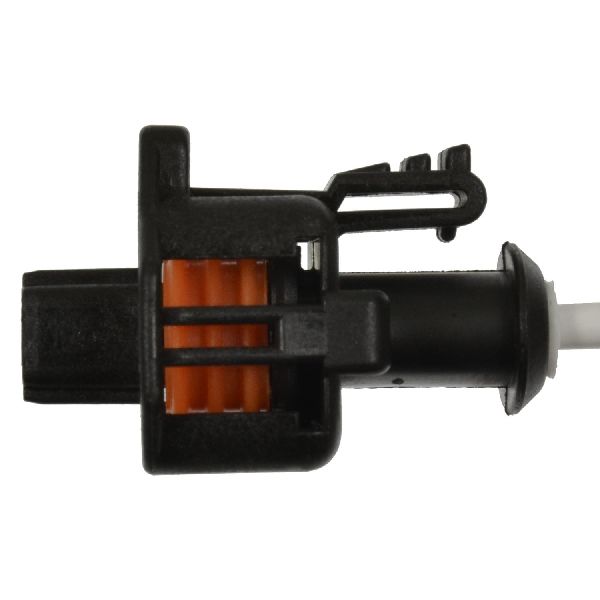
- Fuel Rail Pressure Sensor Connector (Duramax) — At the rear of the driver's side fuel rail, near the firewall.. This connector is in a tight, hot location and is prone to corrosion and wire degradation. It has three pins: a 5-volt reference, a ground reference, and the signal wire that sends pressure data to the ECM. A wiggle test on this connector while monitoring live data can quickly identify intermittent connection problems.
Real Owner Repair Stories
- GM Forum user 'davec21' (2011 Duramax) — Intermittent P0191 code, but no stalling.
❌ Tried (didn't work) PCM replacement, Extensive circuit testing
✅ What actually fixed it A failed fuel pressure regulator on the bank 2 fuel rail. This was difficult to diagnose because all parameters appeared normal on the scan tool. - YouTube user 'P0191 Duramax code LML' (2011 LML Duramax) — P0191 code at idle when actual pressure deviated from desired by more than 100 PSI.
❌ Tried (didn't work) Replacing the fuel pressure regulator on the CP4 pump (MPROP/FCA).
✅ What actually fixed it Replacing the second fuel pressure regulator located on the fuel rail itself. The owner noted that on older Duramax models, the regulator on the pump was the common fix, but for his LML, the rail-mounted regulator resolved the P0191 code. - Reddit user 'SithLordDooku' (2024 Sierra 6.6L Duramax (Note: Newer model but same code and components)) — P0191 code, mostly during deceleration, causing limp mode.
❌ Tried (didn't work) Replaced fuel rail sensors, Replaced fuel rail (first time), Replaced fuel rail again (which included the regulator)
✅ What actually fixed it The dealership replaced the wiring harness between the fuel rail and the ECM. After this repair, the issue was resolved.
OEM Part Supersession History
Bosch 0 281 006 313→GM 12651990, ACDelco 12651990— This is the OEM part number trail for the 6.6L LML Duramax Fuel Rail Pressure Sensor.
Heads up: These part numbers are often used interchangeably for the 2011-2016 LML engine. Ensure the supplier is reputable, as counterfeit sensors are a known problem.
Model Year Variations Within This Range
- 2015: The 2015 model year marked the transition from the GMT900 to the K2XX platform. While the LML Duramax and 6.0L V8 gas engines were carried over, the truck's body, interior, and some electrical architecture were completely new. This can lead to differences in wiring harness routing, connector locations, and module placement (like the FPCM) compared to 2011-2014 models, which is important for electrical diagnosis.
- 2014-2015: A bi-fuel (CNG/Gasoline) version of the 6.0L V8 engine (RPO code LC8) was available. While P0191 would still relate to the gasoline fuel rail pressure, diagnosis must account for the separate CNG system and ensure the issue is not related to system switching or CNG components interfering with gasoline fuel pressure readings.
Helpful Videos
We Have This Part in Stock


The information in this article is provided for general reference and educational purposes only. Vehicle specifications, procedures, and part compatibility can vary by production date, trim level, and region. Always consult your vehicle's factory service manual and verify part numbers before purchasing or performing repairs. Safety-critical components such as airbags, seat belts, and braking systems should be installed by a qualified professional.
- Gmc SIERRA 3500:
- 🎬 Helpful Videos
- 🛍️ Shop This Part
- What's Unique About the 2011-2015 Gmc SIERRA 3500
- Diagnostic Flowchart
- Symptoms You May Notice
- Most Likely Causes
- Rare But Worth Checking
- Diagnosis Steps
- Parts You'll Likely Need
- Related Codes That Often Appear With This One
- Technical Service Bulletins (TSBs) & Recalls
- Platform-Specific Known Issues
- Mechanic-Grade Diagnostic Values
- Scan Tool Commands That Help
- Wiring & Ground Locations
- Real Owner Repair Stories
- OEM Part Supersession History
- Model Year Variations Within This Range
- 🎟️ Get 5% Off