

P0183 on 2015-2020 Nissan Rogue: Fuel Temperature Sensor Circuit Causes and Fixes
On a 2015-2020 Nissan Rogue, code P0183 is most often caused by a faulty Fuel Tank Temperature (FTT) sensor, which is integrated into the fuel pump assembly. The fix usually requires replacing the entire fuel pump module. A critical Nissan TSB (NTB20-094) also points to misrouted internal wiring inside the fuel pump assembly as a possible cause, which could be a no-cost parts fix.
- P0183 on a 2015-2020 Rogue points to a problem with the Fuel Tank Temperature sensor circuit, most often due to an issue within the fuel pump assembly.
- Before replacing the expensive fuel pump assembly, check Nissan TSB NTB20-094. The problem could be as simple as misrouted wires inside the unit, a fix that only costs the price of a new tank seal.
- If the wiring is correct per the TSB, the entire fuel pump module (e.g., OEM P/N 17040-4BA0C) will likely need to be replaced, as the sensor is integrated.
- This is not a recommended DIY repair for beginners due to the fire hazard associated with working on the fuel system.
- Always use a new fuel pump seal (P/N 17342-9TA0A) when reinstalling the assembly to prevent dangerous fuel leaks.
What's Unique About the 2015-2020 Nissan ROGUE

For the 2015-2020 Nissan Rogue (specifically USA/Korea-built, non-hybrid models with VINs not starting with 'JN8'), this code is specifically addressed by Technical Service Bulletin NTB20-094. The TSB suggests the cause may not be a failed sensor, but rather improperly routed yellow wires within the fuel pump assembly that are not properly secured by a plastic retainer. This is a crucial distinction, as simply rerouting the wires according to the TSB could fix the issue without replacing the entire expensive assembly. However, in many real-world cases, the sensor itself fails and is part of the complete fuel pump module, making the repair more involved than a simple sensor swap.
Diagnostic Flowchart
Tap your situation to follow the diagnostic path that matches what you're seeing on this vehicle.
Symptoms You May Notice
- Check Engine Light (MIL) is on.
- Reduced fuel economy.
- Engine may be hard to start, especially in very cold or hot weather.
- Rough or fluctuating idle.
- Reduced engine power or hesitation during acceleration.
- Black smoke from the exhaust, indicating a rich fuel mixture.
- Failing an emissions test.
- Replacing the fuel pump assembly without first checking for the misrouted wiring issue described in TSB NTB20-094.
- Replacing the ECM before thoroughly testing the sensor and wiring circuit.
- Confusing the Fuel Tank Temperature sensor with the Fuel Rail Pressure sensor, which is a different component with different codes.
Most Likely Causes

- Misrouted Wiring in Fuel Pump Assembly 🔴 High Probability Nissan issued TSB NTB20-094 specifically for this issue on 2015-2020 Rogues. It identifies that yellow wires inside the fuel pump module can be misrouted from the factory, causing the fault. This should be the first check performed.
How to confirm: The fuel pump assembly must be removed from the fuel tank and visually inspected. The TSB provides clear diagrams showing the correct routing (yellow and black wires routed together and held by a plastic retainer) and incorrect routing (yellow wires loose).
Typical fix: Reroute the wires according to the TSB instructions and reinstall the fuel pump assembly with a new seal.
Est. part cost: $15-$30 for a new fuel pump seal (Part # 17342-9TA0A). - Faulty Fuel Tank Temperature (FTT) Sensor 🔴 High Probability The sensor is integrated into the fuel pump assembly, a common failure point for this code if the TSB wiring issue is not the cause. The sensor itself can fail internally, sending a high voltage signal.
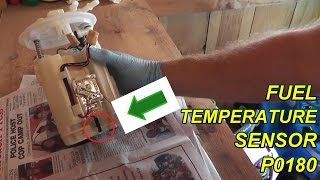
How to confirm: A technician can use a scan tool to read the live data from the FTT sensor. A reading that is nonsensically high or stuck at a maximum value points to a sensor or circuit failure. The sensor's resistance can also be tested with a multimeter after removing the fuel pump assembly and compared to specifications 🎬 Watch: How to test and replace the fuel temperature sensor. (a good sensor often reads between 2-3 kilo-ohms at room temperature).
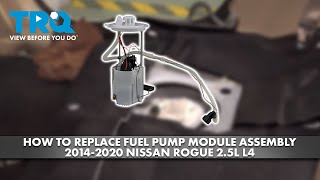
Typical fix: Replace the entire fuel pump assembly, as the sensor is not sold separately.
Est. part cost: $1514-$1752 (OEM), according to RepairPal estimates for a 2016 model. - Wiring Harness or Connector Issue ⚪ Low Probability
How to confirm: Visually inspect the external wiring harness and connector at the top of the fuel pump module for any signs of damage, corrosion, or loose connections. A multimeter can be used to check for continuity and for a short-to-power on the signal wire between the ECM and the sensor connector.
Typical fix: Repair the damaged section of the wiring harness or clean/replace the corroded connector.
Est. part cost: $10-$50 for wiring repair supplies.
Rare But Worth Checking
- Faulty Engine Control Module (ECM): This is very uncommon. The ECM should only be considered after all other possibilities, including the sensor, all related wiring, and the TSB procedure, have been thoroughly tested and ruled out.
Diagnosis Steps
- Connect an OBD-II scanner and confirm that P0183 is the active code. Check for any other related codes, such as P0181.
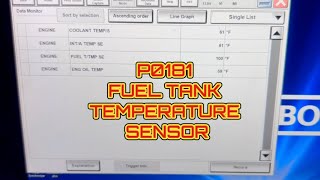
- Use the scanner's live data function to monitor the Fuel Tank Temperature reading. An extremely high or unchanging value (e.g., -40°F or 250°F) suggests a circuit fault.
- Inspect the external wiring harness and connector at the top of the fuel pump module for any visible damage, corrosion, or loose pins.
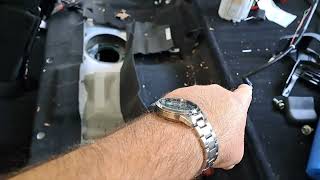
- Following the guidance in TSB NTB20-094, relieve fuel pressure, disconnect the battery, and remove the fuel pump assembly. This requires removing the rear seat cushion to access the service panel.
- Inspect the internal wiring of the fuel pump assembly. Compare the routing of the yellow and black wires to the diagrams in the TSB. If misrouted, correct the wiring.
- If the wiring is correct, the FTT sensor (part of the assembly) is likely faulty. Test the sensor's resistance with a multimeter. A typical good reading is around 2-3 kOhms at room temperature, but consult a service manual for exact specs.
- If the wiring was corrected, reinstall the fuel pump assembly using a new seal (Part # 17342-9TA0A). If the sensor is deemed faulty, replace the entire fuel pump assembly.
- Reconnect everything, clear the trouble codes, and perform a drive cycle to ensure the code does not return.
Parts You'll Likely Need

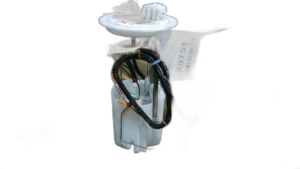
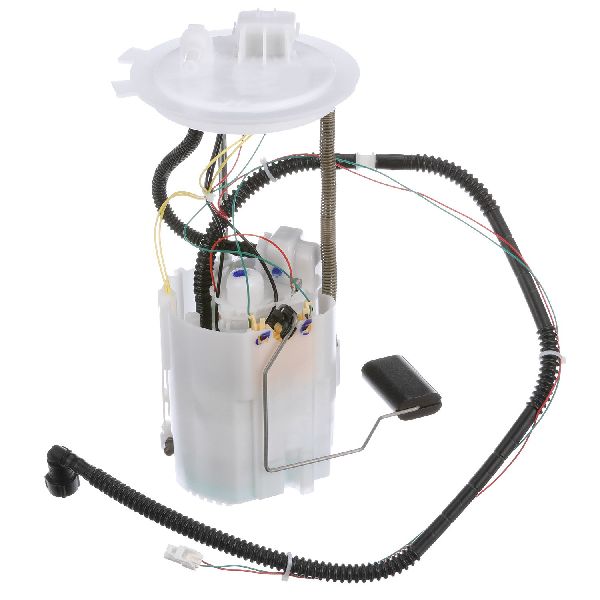
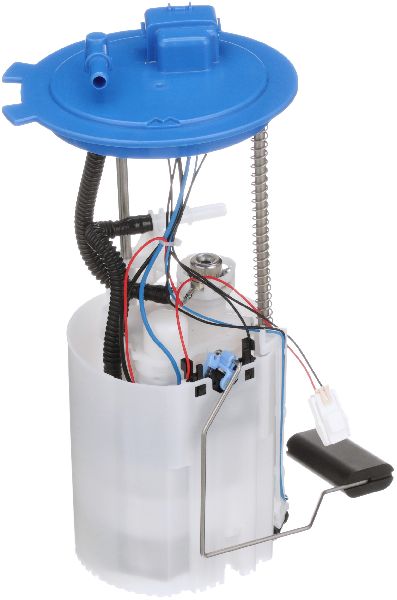
- Fuel Pump and Sender Assembly
(OEM #17040-4BA0C (verify by VIN, other p/n's include 17040-4BA0A, 17040-4BA0B, 17040-6FK0A))— This is the required fix if the TSB wiring check does not resolve the issue, as the Fuel Tank Temperature sensor is integrated and not sold separately.
Trusted brands: Nissan OE, Bosch, Delphi
OEM price range: $1514-$1752.
Aftermarket price range: $200-$500 - Fuel Pump Seal / Gasket
(OEM #17342-9TA0A)— This seal must be replaced anytime the fuel pump assembly is removed from the tank to ensure a proper seal and prevent fuel vapor leaks, as mandated by the TSB.
Trusted brands: Nissan OE
OEM price range: $20-$30
Aftermarket price range: $15-$25
Related Codes That Often Appear With This One
- P0181 — P0181 is for 'Fuel Tank Temperature Sensor Performance'. Both P0181 and P0183 are mentioned together in Nissan's TSB NTB20-094 as they relate to the same sensor, circuit, and potential wiring fault.
Technical Service Bulletins (TSBs) & Recalls
- NTB20-094: '2015-2020 ROGUE; MIL ON WITH DTC P0181 AND/OR P0183' - Details a service procedure to inspect and reroute yellow and black wires within the fuel pump assembly. Specifies this applies to non-hybrid, non-Japan-built (VIN not starting with JN8) models.
Platform-Specific Known Issues
- TSB NTB20-094: Nissan issued this bulletin for 2015-2020 Rogues (USA/Korea built, non-hybrid) specifically for codes P0181 and P0183. It directs technicians to inspect and potentially reroute the internal wiring of the fuel pump assembly before replacing the unit.
- Owner Experience: A forum member with a 2009 Rogue (an earlier generation, but with the same codes) reported that after the dealer replaced the fuel pump assembly, the tech noted the root cause was loose internal connections to the connector pins, corroborating the nature of the fault described in the later TSB.
Mechanic-Grade Diagnostic Values
- Fuel Tank Temperature Sensor Resistance — expected: Approximately 2.3 - 2.7 kΩ at 20°C (68°F). The resistance will decrease as temperature increases.. Failure: An open circuit (infinite resistance) or a short (near zero resistance) indicates a failed sensor. A general good range is 2-3 kOhms at room temperature.
- Fuel Tank Temperature Sensor Live Data Voltage — expected: Should fluctuate between approximately 0.5V (cold) and 4.0V (hot).. Failure: A fixed reading above 4.5V confirms the 'Circuit High' condition of P0183.
- ECM Power Supply Voltage — expected: Battery voltage (approx. 12V) should be present between ECM connector E16 (terminal 121) and ground (terminal 128) when the ignition switch is ON.. Failure: No voltage indicates a problem with the power supply circuit to the ECM.
Scan Tool Commands That Help

- Nissan CONSULT: Data Monitor — Used to observe the 'FTT SEN/CIRCUIT' live data value. This is the primary step to see what temperature and voltage the ECM is reporting from the sensor.
Wiring & Ground Locations
- Fuel Pump Harness Connector — On top of the fuel pump assembly, accessible under the rear passenger-side seat cushion.. This is the main external connection point for the FTT sensor. The voltage and continuity tests between this connector and the ECM are critical for diagnosing a wiring fault.
- ECM Ground Terminals — At ECM harness connectors F51 (terminal 16) and F52 (terminals 52, 123). Also E16 (terminal 128).. A poor ground connection at the ECM can cause a variety of incorrect sensor readings, including a false 'high input' code. Verifying continuity from these pins to chassis ground is a key step in ruling out the ECM or its ground circuit.
- Fuel Pump Relay — Integrated into the Intelligent Power Distribution Module (IPDM E/R) in the under-hood fuse box.. While not a direct cause of a sensor circuit code, knowing it's not a simple, swappable relay is important. A failure here would typically cause a no-start condition, not a P0183.
OEM Part Supersession History
17040-4BA0A, 17040-4BA0B→17040-4BA0C— Standard part revision and consolidation by the manufacturer.
Heads up: 17040-4BA0C is the correct replacement for the earlier versions on USA/Korea-built, non-hybrid Rogues. Ensure VIN verification as other numbers like 17040-6FK0A exist for different configurations.
Model Year Variations Within This Range
- 2017-2019: Rogue Hybrid models use a completely different Hybrid Powertrain Control Module (HPCM) and have unique recalls, such as R21B6 for engine harness chafing against the ECM bracket, which can cause stalling. These models are explicitly excluded from TSB NTB20-094.
Helpful Videos
Used OEM Parts in Stock


New Aftermarket Parts Available


The information in this article is provided for general reference and educational purposes only. Vehicle specifications, procedures, and part compatibility can vary by production date, trim level, and region. Always consult your vehicle's factory service manual and verify part numbers before purchasing or performing repairs. Safety-critical components such as airbags, seat belts, and braking systems should be installed by a qualified professional.
- Nissan ROGUE:
- 🎬 Helpful Videos
- 🛍️ Shop This Part
- What's Unique About the 2015-2020 Nissan ROGUE
- Diagnostic Flowchart
- Symptoms You May Notice
- Most Likely Causes
- Rare But Worth Checking
- Diagnosis Steps
- Parts You'll Likely Need
- Related Codes That Often Appear With This One
- Technical Service Bulletins (TSBs) & Recalls
- Platform-Specific Known Issues
- Mechanic-Grade Diagnostic Values
- Scan Tool Commands That Help
- Wiring & Ground Locations
- OEM Part Supersession History
- Model Year Variations Within This Range
- 🎟️ Get 5% Off