

P0175 on 2015-2018 Ford Transit: System Too Rich (Bank 2) Causes and Fixes
On 2015-2018 Ford Transits, P0175 is most often caused by a faulty upstream oxygen (O2) sensor on Bank 2, frequently due to water leaking into the engine bay from the cowl area. Ford TSB 19-2091 details this water intrusion issue. Inspect for water damage first. If the area is dry, the O2 sensor itself is the likely culprit, costing around $50-$140 for the part.
- P0175 means the engine is running too rich on the driver's side bank (Bank 2).
- Before replacing any parts, inspect for signs of water leaking into the engine bay from the windshield cowl area, as this is a known issue covered by Ford TSBs.
- The most common part to fail is the upstream oxygen sensor (Bank 2, Sensor 1), either due to water damage or normal wear.
- Driving for an extended period with this code can damage your catalytic converter, leading to a much more expensive repair.
- If both P0175 (Bank 2 Rich) and P0172 (Bank 1 Rich) are present, the problem is likely a component common to both banks, like the MAF sensor or fuel pressure regulator.
What's Unique About the 2015-2018 Ford TRANSIT
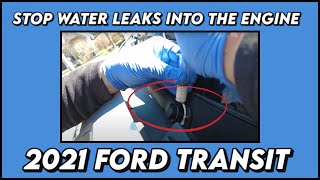
A well-documented issue on 2015-2018 Ford Transits is water intrusion into the engine compartment. Ford issued Technical Service Bulletins (TSBs) 19-2091 and 17-0014 acknowledging that water can get past the cowl panel seams or wiper arm grommets and drip directly onto powertrain components. This water is known to damage the Bank 2 (driver's side) oxygen sensor and its wiring, leading to a variety of fuel trim codes like P0175 and P2198 (O2 Sensor Signal Stuck Rich).
Diagnostic Flowchart
Tap your situation to follow the diagnostic path that matches what you're seeing on this vehicle.
Symptoms You May Notice
- Check Engine Light is on
- Reduced fuel economy
- Rough idle or engine hesitation
- Strong smell of gasoline or fuel fumes from the exhaust
- Black smoke from the exhaust in severe cases
- Engine misfires (can be associated with the root cause)
- Fuel-diluted engine oil (can be detected by a fuel smell on the dipstick)
- Replacing the downstream (post-catalyst) O2 sensor instead of the upstream (pre-catalyst) sensor. The upstream sensor is the primary sensor for fuel control.
- Replacing the O2 sensor without first checking for and fixing the cowl water leak that caused it to fail, leading to repeat failure.
- Assuming a bad catalytic converter. The converter is more likely to be damaged by the rich condition rather than be the cause of it.
Most Likely Causes
- Water Intrusion Damaging O2 Sensor or Wiring 🔴 High Probability Ford TSBs 19-2091 and 17-0014 directly link P0175 to "undesired water entry into the engine compartment" on these specific Transit models built on or before July 24, 2018. Owners and repair videos show water leaking from the base of the windshield or wiper arms onto the engine, specifically affecting the driver's side components.
How to confirm: Visually inspect the top of the engine, particularly around the Bank 2 (driver's side) exhaust manifold and O2 sensor, for signs of water trails, corrosion, or mineral deposits. Check the O2 sensor electrical connector (a gray 4-pin connector) for moisture or green/white corrosion inside.
Typical fix: First, fix the source of the water leak. TSB 19-2091 outlines a comprehensive fix that includes applying sealant, installing a mastic patch, a new leaf screen foam seal, a wiper arm grommet, and a water deflector. Some owners have had success simply applying high-quality silicone sealant to the cowl panel seams and around the wiper arm bases. After sealing the leak, replace the damaged upstream O2 sensor (Bank 2, Sensor 1) and clean its connector. The TSB also calls for installing a revised air cleaner cover on some models.
Est. part cost: $50-$150 for the sensor and sealant; TSB parts kit may be more. - Faulty Upstream Oxygen (O2) Sensor 🔴 High Probability O2 sensors are wear-and-tear items that degrade over time, leading to slow or inaccurate readings that cause the PCM to command an incorrect fuel mixture. Even without direct water damage, the sensor can fail and is the most common standalone cause for this code.
How to confirm: Use an OBD-II scanner to monitor the live data for the Bank 2, Sensor 1 O2 sensor (B2S1). A healthy sensor's voltage should fluctuate rapidly between approximately 0.1V and 0.9V. A lazy or failed sensor will have slow or flat-line voltage readings, often stuck high (above 0.8V) for a rich code.
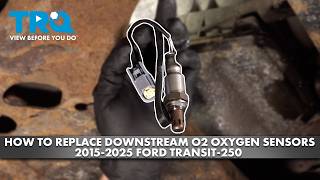
Typical fix: Replace the Bank 2, Sensor 1 (upstream) oxygen sensor. An O2 sensor socket is recommended for this job to work around the wiring.
Est. part cost: $50-$140 - Leaking Fuel Injector(s) 🟡 Medium Probability While not specific to the Transit, fuel injectors can fail by sticking open or leaking, which dumps excess fuel into a cylinder. This will cause a rich condition isolated to one bank. The water intrusion issue can also directly cause injector failure due to corrosion.
How to confirm: A fuel injector balance test can identify a leaking injector. Another method is to check fuel pressure leak-down after the engine is off; a rapid drop can indicate a leak. A more hands-on method involves removing the fuel rail with injectors attached, placing paper towels under each nozzle, cycling the key to prime the system, and watching for drips. A forum post on a Ford truck noted that after replacing injectors, a P0175 code appeared, suggesting a faulty new injector or an installation issue.
Typical fix: Replace the faulty fuel injector(s) on Bank 2. It is often recommended to replace all injectors on that bank at the same time.
Est. part cost: $40-$100 per injector - Dirty or Faulty Mass Airflow (MAF) Sensor ⚪ Low Probability The TSBs for water intrusion mention issues with the air cleaner assembly, which can lead to a wet or dirty air filter, potentially affecting the MAF sensor. An over-oiled aftermarket air filter can also contaminate the sensor. However, a MAF issue would typically set codes for both banks (P0172 and P0175).
How to confirm: Inspect the MAF sensor's sensing wires for dirt or debris. Use an OBD-II scanner to check MAF readings at idle and under load to see if they are within the expected range. If P0175 is the only rich code present, the MAF is an unlikely cause.
Typical fix: Clean the MAF sensor with a dedicated MAF sensor cleaner spray. Do not touch the delicate wires. If cleaning doesn't work, the sensor must be replaced.
Est. part cost: $20 (cleaner) - $150 (sensor)
Rare But Worth Checking
- High Fuel Pressure: A failing fuel pressure regulator or a problem with the fuel pump can cause excessive pressure across the entire fuel rail. This would usually cause rich codes on both banks (P0172 & P0175).
- Leaking EVAP Purge Valve: If the evaporative emissions (EVAP) purge valve sticks open, it can allow unmetered fuel vapors from the charcoal canister to enter the intake manifold, causing a rich condition. This would typically affect both banks.
Diagnosis Steps
- Scan for Codes: Use an OBD-II scanner to confirm P0175 and check for any other related codes, especially P2198 or P0172.
- Inspect for Water Intrusion: Following TSB 19-2091, thoroughly inspect the engine bay for evidence of water leaks from the cowl area, especially over the driver's side of the engine. Check the Bank 2 O2 sensor connector for moisture or corrosion. Look for white/chalky residue on the engine components.
- Analyze Freeze Frame Data: Review the freeze frame data to see the engine conditions (RPM, load, temperature) when the code was set. This can provide clues to the cause.
- Monitor Live Data: Watch the live data for Short-Term Fuel Trim (STFT) and Long-Term Fuel Trim (LTFT) for Bank 2. Consistently negative numbers (e.g., -15% or more, with LTFT often pegged at -25%) confirm the PCM is trying to correct a rich condition.
- Check Upstream O2 Sensor: Observe the Bank 2, Sensor 1 (B2S1) voltage. It should switch rapidly between approximately 0.1V and 0.9V. If it's stuck high (e.g., >0.8V) or is very slow to respond, it's likely faulty.
- Test Fuel Pressure: Connect a fuel pressure gauge to ensure the pressure is within Ford's specifications. Pressure that is too high will cause a rich condition, though it would likely affect both banks.
- Inspect Fuel Injectors: If other tests are inconclusive, investigate the fuel injectors on Bank 2 for leaks. A fuel pressure leak-down test is a good starting point.
- Check for Exhaust Leaks: Inspect the exhaust manifold and pipes before the O2 sensor. A leak here can sometimes draw in air and paradoxically cause the sensor to read incorrectly, though this more commonly causes a lean code.
Parts You'll Likely Need
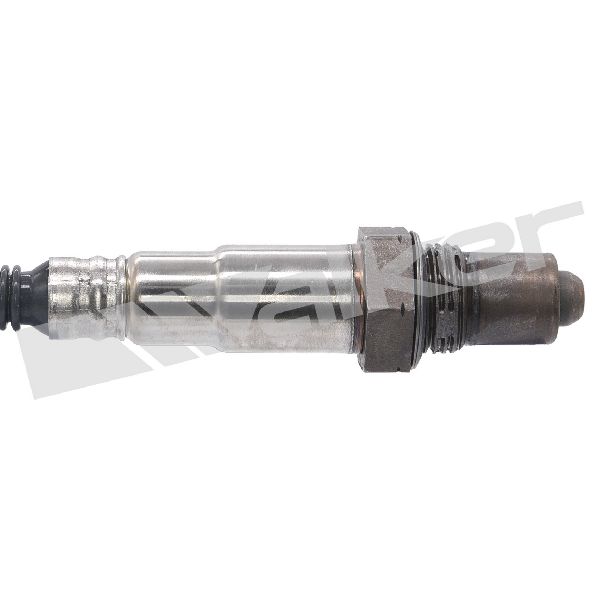
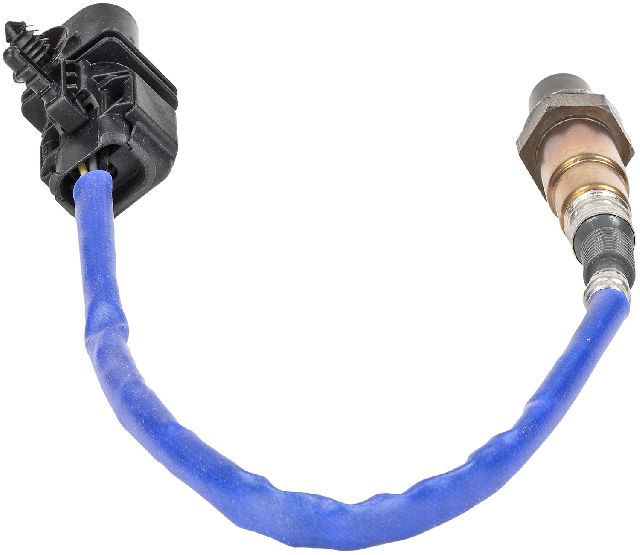
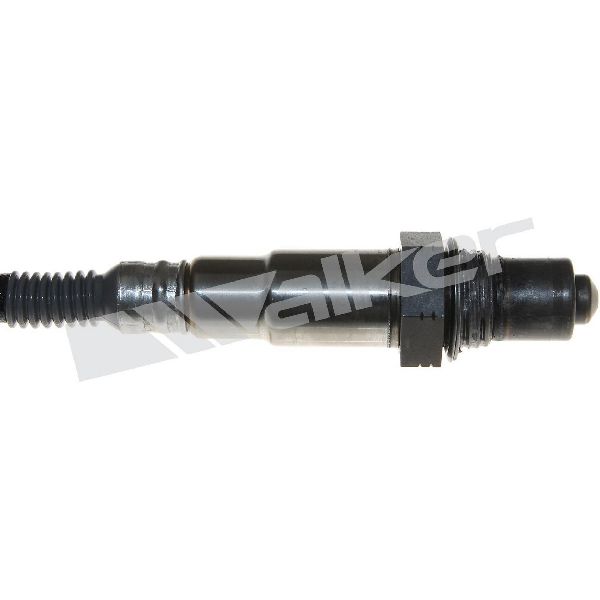
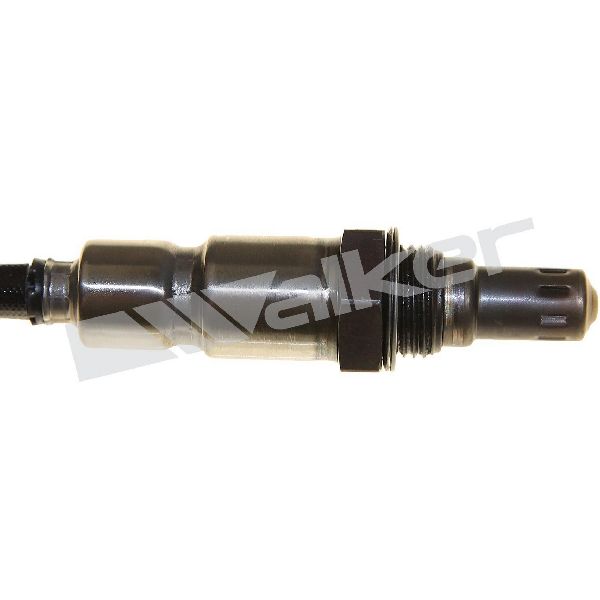
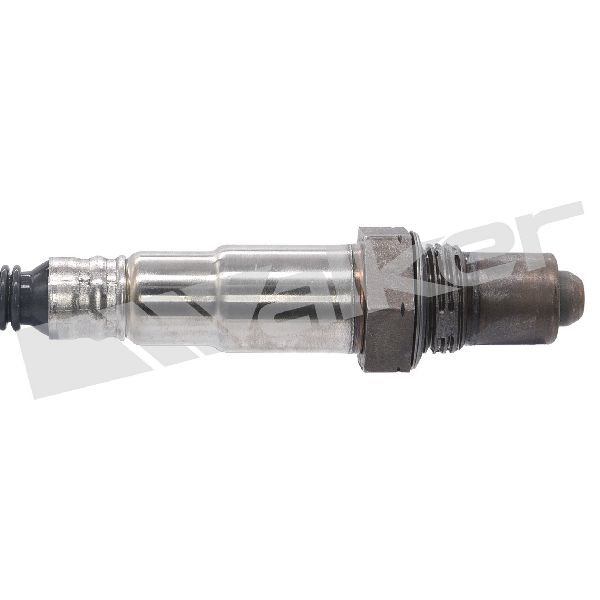
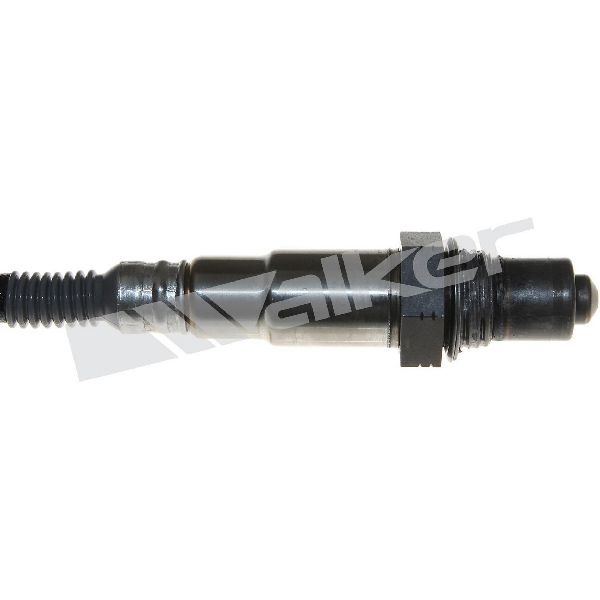
- Upstream Oxygen Sensor (Bank 2, Sensor 1)
(OEM #DY-1337)— This is the most common part to fail, either from normal wear or from water damage specific to this vehicle. It is the primary sensor responsible for air-fuel mixture control on Bank 2.
Trusted brands: Motorcraft, Bosch, Denso, NTK
OEM price range: $90-$140
Aftermarket price range: $50-$100 - Silicone Sealant / Mastic Patch
(OEM #TA-30 (Sealant), 4L3Z-18203A16-AA (Mastic Patch))— If the root cause is a water leak from the cowl or wiper base, a high-quality automotive sealant is needed to fix the leak before replacing electrical parts. TSB 19-2091 specifies these parts for the repair.
Trusted brands: Motorcraft, Permatex, 3M
OEM price range: $20-$50
Aftermarket price range: $10-$30
Related Codes That Often Appear With This One
- P0172 — System Too Rich (Bank 1). If both P0172 and P0175 are present, it points to a common cause affecting both engine banks, such as a faulty MAF sensor, fuel pressure regulator, or EVAP purge valve.
- P0430 — Catalyst System Efficiency Below Threshold (Bank 2). A long-term rich condition from P0175 can dump unburned fuel into the catalytic converter, eventually damaging it and triggering a P0430 code.
- P2198 — O2 Sensor Signal Stuck Rich (Bank 2 Sensor 1). This code is often seen with P0175 and is listed in the same TSB, pointing directly to a problem with the upstream O2 sensor's reading being stuck high.
Technical Service Bulletins (TSBs) & Recalls
- TSB 19-2091: Addresses drivability concerns and multiple DTCs, including P0175, due to undesired water entry into the engine compartment. Supersedes TSB 18-2321.
- TSB 17-0014: An earlier version of the bulletin addressing the same water intrusion issue and associated DTCs.
Platform-Specific Known Issues
- TSB 19-2091: The Definitive Water Leak Fix: Ford issued this bulletin for 2015-2018 Transits built before 7/24/2018 for various drivability concerns, including P0175, caused by water entering the engine bay. The official fix involves inspecting for water, cleaning components, and installing a kit of updated parts including a water deflector, mastic patch, foam seal, and wiper grommet to prevent future leaks. It may also require a new air cleaner cover.
Mechanic-Grade Diagnostic Values
- Long-Term Fuel Trim (LTFT) - Bank 2 — expected: Close to 0% at idle on a healthy engine.. Failure: Pegged at or near -25%, indicating the PCM is at its maximum limit for reducing fuel.
- Upstream O2 Sensor (B2S1) Voltage — expected: Rapidly fluctuating between ~0.1V and ~0.9V.. Failure: Stuck high (above 0.8V) or very slow to switch.
- Fuel Pressure — expected: Check service manual for exact spec, but generally 49-58 PSI for many Ford systems.. Failure: Pressure significantly higher than specification. A leak-down test showing a pressure drop after shutdown indicates a leaking injector or regulator.
Scan Tool Commands That Help
- Ford IDS / FORScan / Professional Scan Tool: Reset Keep Alive Memory (KAM) — After performing repairs, this function should be used to clear the long-term fuel trim adaptations stored in the PCM. This forces the system to re-learn the fuel strategy with the new parts, preventing the old, incorrect adjustments from causing issues.
Wiring & Ground Locations
- O2 Sensor Wiring — At the 4-pin connector for the upstream O2 sensor on Bank 2 (driver's side).. Knowing the wire colors helps in testing. On many Fords, the Black wire is the signal wire, Grey is the signal ground, and the two White wires are for the heater circuit. Testing for voltage and continuity on the correct wires is critical for diagnosis.
- Engine Block Ground — A primary ground strap typically connects the engine block to the chassis, often near the starter motor or a main engine mount.. A poor engine ground can cause floating voltages and erratic sensor readings. While it would likely cause multiple issues, it can contribute to incorrect O2 sensor readings. Ensuring this connection is clean and tight is a fundamental diagnostic step.
Real Owner Repair Stories
- MotorhomeFun forum user 'Aly1' (2018 (68 plate) Ford Transit) — Vehicle went into limp mode, diesel was leaking into the engine.
✅ What actually fixed it The root cause was a corroded fuel injector (injector #2) which had snapped in half and required a specialist to drill out. The corrosion was explicitly attributed to rainwater sitting on the injector, directly linking the known water leak issue to injector failure, not just O2 sensor failure.
"I Checked Everything" — The Actual Cause
- The most common scenario for this vehicle is passing a smoke test but still having the P0175 code. The actual cause is the cowl water leak described in TSB 19-2091. A smoke test checks for vacuum leaks in the intake system, but it cannot detect water dripping from the cowl onto electrical components. This water damages the Bank 2 O2 sensor, its connector, or even nearby fuel injectors, causing the rich condition.
OEM Part Supersession History
DY-1337→N/A
Heads up: Research indicates that Motorcraft part number DY-1337 is the current and correct upstream oxygen sensor for the 3.7L V6 in the 2016-2019 Transit. No supersession history was found.
Model Year Variations Within This Range
- 2015-2018 (before July 24, 2018): The cowl water leak issue detailed in TSB 19-2091 is specific to Transit models built on or before July 24, 2018. Vehicles built after this date are expected to have the revised cowl sealing and water management parts installed from the factory, making the water intrusion cause much less likely.
Helpful Videos



We Have This Part in Stock

The information in this article is provided for general reference and educational purposes only. Vehicle specifications, procedures, and part compatibility can vary by production date, trim level, and region. Always consult your vehicle's factory service manual and verify part numbers before purchasing or performing repairs. Safety-critical components such as airbags, seat belts, and braking systems should be installed by a qualified professional.
- Ford TRANSIT:
- 🎬 Helpful Videos
- 🛍️ Shop This Part
- What's Unique About the 2015-2018 Ford TRANSIT
- Diagnostic Flowchart
- Symptoms You May Notice
- Most Likely Causes
- Rare But Worth Checking
- Diagnosis Steps
- Parts You'll Likely Need
- Related Codes That Often Appear With This One
- Technical Service Bulletins (TSBs) & Recalls
- Platform-Specific Known Issues
- Mechanic-Grade Diagnostic Values
- Scan Tool Commands That Help
- Wiring & Ground Locations
- Real Owner Repair Stories
- "I Checked Everything" — The Actual Cause
- OEM Part Supersession History
- Model Year Variations Within This Range
- 🎟️ Get 5% Off