

P0175 on 2009-2011 Chevrolet Express: System Too Rich Bank 2 Causes and Fixes
On a 2009-2011 Chevy Express, especially Flex Fuel models, P0175 is often caused by an incorrect fuel alcohol composition reading in the ECU. This can usually be fixed with a scan tool reset. Other causes include leaking fuel injectors or a dirty MAF sensor.
- For a 2009-2011 Chevy Express with P0175, the first step should always be to check the fuel alcohol percentage with a scan tool.
- A 'Fuel Composition Reset' is a common, no-parts-needed fix for this specific issue on Flex Fuel models.
- If the alcohol reading is normal, proceed with standard rich-condition diagnostics: check for leaking injectors, a dirty MAF sensor, and high fuel pressure.
- Don't immediately replace the O2 sensor; it's usually just reporting the problem correctly.
What's Unique About the 2009-2011 Chevrolet EXPRESS
Many Chevrolet Express vans from this era are Flex Fuel capable. These vehicles don't always use a physical sensor to measure the ethanol content in the fuel; instead, they use an algorithm in the engine computer sometimes called a 'Virtual Flex Fuel Sensor'. This algorithm infers the ethanol percentage based on readings from the oxygen sensors and fuel level sensor. The system can become skewed, especially after running the tank low, short trips, or small fuel fill-ups, causing the computer to believe the fuel has a high ethanol content (like E85) when it's actually standard gasoline. This leads the computer to inject excess fuel, causing the P0175 rich condition. A specific TSB for this vehicle range, #PIP4792D, 🎬 Watch: How the Flex Fuel algorithm causes rich conditions. directly points to checking the Fuel Alcohol Content parameter as a primary diagnostic step.
Diagnostic Flowchart
Tap your situation to follow the diagnostic path that matches what you're seeing on this vehicle.
Symptoms You May Notice
- Check Engine Light is on
- Strong smell of fuel from the exhaust
- Black smoke from the exhaust, especially on a cold start
- Rough idling or stalling
- Reduced fuel economy
- Hesitation or lack of power during acceleration
- Hard shifting in the transmission
- Extended engine cranking on startup
- Replacing the oxygen sensor first. The O2 sensor is often just reporting the rich condition that another component is causing. The code itself means the sensor is likely working correctly by detecting the fuel imbalance.
Most Likely Causes
- Incorrect Fuel Alcohol Content Reading 🔴 High Probability As mentioned in TSB #PIP4792D, many GM Flex Fuel vehicles of this era use an algorithm instead of a physical sensor to determine fuel composition. This algorithm can get 'confused' and command a rich mixture, sometimes showing alcohol content as high as 60-80% when using regular gasoline.
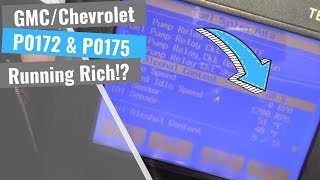
How to confirm: Use a bi-directional scan tool to view the 'Fuel Alcohol Content' or 'Fuel Composition' percentage in the engine data. If you are using standard gasoline (E10 or E15), the reading should be 15% or less. If it shows a significantly higher value (e.g., 50-85%), it is incorrect. Also, observe long-term fuel trims; they will be highly negative, such as -20% to -30%.
Typical fix: Use the scan tool's functional tests or module setup to perform a 'Fuel Composition Reset' or 'Fuel Compensation Reset'. This resets the learned alcohol percentage back to a default low value. Ensure the tank is filled with standard gasoline before performing the reset. After the reset, the fuel trims should return to near 0%. Per TSB PIP4792D, if the scanned alcohol content differs from a physical fuel sample by more than 17%, an ECM reprogram with the latest calibration may be required before the reset.
Est. part cost: $0 (if you have a capable scan tool) - Leaking Fuel Injector(s) 🟡 Medium Probability Injectors can wear over time and begin to leak fuel into a cylinder even when closed, causing a rich condition isolated to one bank.
How to confirm: Perform a fuel pressure leak-down test. After priming the system, turn the key off and monitor the fuel rail pressure. If it drops steadily, you may have a leaking injector. You can also remove the spark plugs on Bank 2 and inspect them; a plug from a cylinder with a leaking injector will be black, sooty, and smell of raw fuel.
Typical fix: Replace the faulty fuel injector(s). It is often recommended to replace them as a set on the affected bank to ensure even fuel delivery. Using quality OEM or equivalent replacements is crucial, as cheap aftermarket injectors can have incorrect flow rates.
Est. part cost: $40-$100 per injector - Dirty or Faulty Mass Airflow (MAF) Sensor 🟡 Medium Probability
How to confirm: A dirty MAF sensor under-reports the amount of air entering the engine, causing the computer to inject a relatively excessive amount of fuel. Inspect the sensor element for dirt or debris. You can try cleaning it first. A failing MAF will typically cause rich codes on both banks (P0172 and P0175).
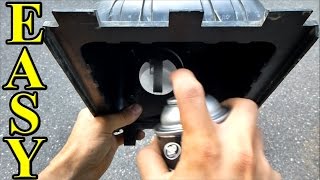
Typical fix: Clean the MAF sensor with a dedicated MAF sensor cleaner spray. Do not touch the delicate sensor wires. If cleaning doesn't resolve the issue, the sensor may need to be replaced.
Est. part cost: $10 (for cleaner), $70-$150 (for replacement sensor) - Faulty Fuel Pressure Regulator or High Fuel Pressure ⚪ Low Probability On these models, the regulator is part of the fuel pump module in the tank and is less prone to failure than older, vacuum-operated rail-mounted regulators.
How to confirm: Connect a fuel pressure gauge to the fuel rail's test port. Compare the reading to the manufacturer's specification (typically 55-62 PSI for these models). Pressure that is too high will cause a rich condition across both banks.
Typical fix: If pressure is high, the fuel pressure regulator is the likely cause. On these vans, this typically requires replacing the entire fuel pump module assembly inside the fuel tank.
Est. part cost: $50-$120 (for older style regulator), $250-$400 (for in-tank pump module)
Rare But Worth Checking
- Faulty Upstream Oxygen (O2) Sensor: While an O2 sensor can fail and cause a rich code, it's more common for it to trigger its own specific performance code. However, a slow or biased sensor can incorrectly report a lean condition, causing the ECU to add fuel and create an actual rich condition.
- Stuck Open EVAP Purge Solenoid: If the EVAP purge solenoid sticks open, it can allow un-metered fuel vapors from the gas tank to be drawn into the intake manifold at idle, contributing to a rich mixture. This typically affects both banks, causing P0172 and P0175.
- Leaking High-Pressure Fuel Pump (Newer DI Engines): This does not apply to the 2009-2011 Express V8s which are port-injected. However, on newer GM direct-injection (DI) engines (c. 2014+), a failing high-pressure fuel pump can leak fuel into the crankcase. This fuel vapor is then drawn into the intake via the PCV system, causing a severe rich condition with P0172/P0175 codes.
Diagnosis Steps
- Connect an OBD-II scanner to confirm the P0175 code and check for any other codes, especially P0172.
- If the vehicle is Flex Fuel capable, use a capable scan tool to view the 'Fuel Alcohol Content' parameter. If the value is high (e.g., >20%) but you are using standard gasoline, perform a 'Fuel Composition Reset'. This is the most common fix for this platform.
- After the reset, clear the codes and restart the engine. Monitor the long-term fuel trim values for Bank 2. They should quickly move from highly negative (e.g., -25%) toward 0% (+/- 10%). If they do, the problem is solved.
- If the alcohol content is normal or the reset doesn't fix the negative fuel trims, inspect the air intake system for a dirty air filter or obstructions.
- Inspect and clean the Mass Airflow (MAF) sensor using a dedicated cleaner. Check the MAF reading at idle (should be around 4-7 g/s for a V8).
- Perform a fuel pressure test to ensure the pressure is within the specified range (typically 55-62 PSI). If it's too high, suspect the fuel pressure regulator/fuel pump module.
- If fuel pressure is normal, perform a leak-down test to check for leaking fuel injectors on Bank 2.
- As a final check, inspect the EVAP purge solenoid to ensure it is not stuck open, and inspect the Bank 2 upstream O2 sensor for proper operation, though it is less likely to be the root cause.
Parts You'll Likely Need
- Scan Tool with Reset Function — The most common cause on these Flex Fuel vehicles is a skewed alcohol content value that needs to be reset, which requires a bi-directional scan tool with this specific function.
Trusted brands: XTool, Autel, Snap-on, Launch
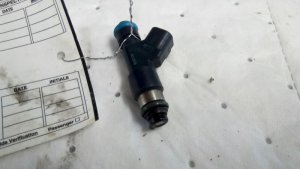
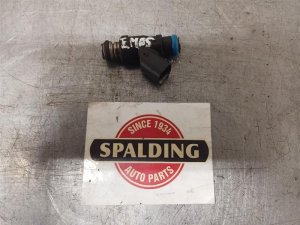
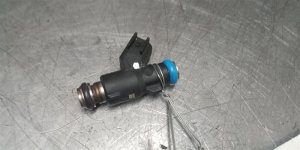
Aftermarket price range: $150-$500 (for tool purchase) - Fuel Injector
(OEM #ACDelco 217-3412 (or GM 12613412))— A leaking fuel injector is a common mechanical cause of a rich condition on a single bank. Note: Some replacement injectors require a flow rate programming procedure.
Trusted brands: ACDelco, Bosch, Delphi
OEM price range: $80-$150
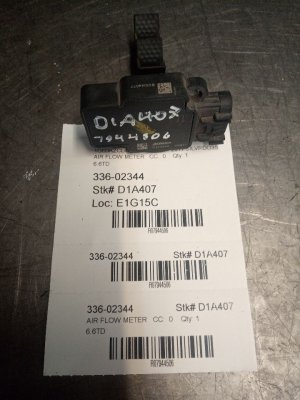
Aftermarket price range: $40-$100 - Mass Airflow (MAF) Sensor
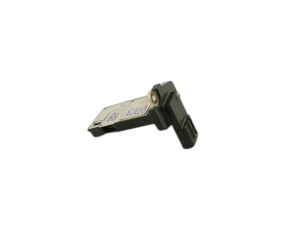
(OEM #ACDelco 213-4221 (supercedes to GM 15926193))— A dirty or failing MAF sensor can cause rich codes on both banks (P0172 and P0175) by under-reporting airflow.
Trusted brands: ACDelco, Denso, Hitachi
OEM price range: $120-$200
Aftermarket price range: $70-$150
Related Codes That Often Appear With This One
- P0172 — This is the identical 'System Too Rich' code but for Bank 1. If both P0172 and P0175 are present, it points to a problem affecting the entire engine, such as the MAF sensor, fuel pressure, or, most commonly on these vehicles, the fuel alcohol content reading.
Technical Service Bulletins (TSBs) & Recalls
- PIP4792D: Mentions that a rich condition (P0172/P0175), black smoke, and rough idle can be caused by an incorrect Fuel Alcohol Content parameter reading. Recommends comparing scan tool data to a physical fuel sample and potentially reprogramming the ECM before performing a Fuel Composition Reset.
Platform-Specific Known Issues
- Technical Service Bulletin (TSB) #PIP4792D specifically addresses P0172 and P0175 on these vehicles, pointing technicians to check the fuel alcohol content parameter as a likely cause of the rich condition.
Mechanic-Grade Diagnostic Values
- Long-Term Fuel Trim (LTFT) — expected: -10% to +10% is considered normal.. Failure: A value of -15% to -30% or more negative indicates the ECU is removing a large amount of fuel to compensate for a rich condition, triggering the code.
- Fuel Injector Resistance — expected: Approximately 12.5 Ohms (High Impedance).. Failure: A reading significantly higher or lower than the specification can indicate a faulty injector coil.
- Fuel Injector Flow Rate (OEM) — expected: 50 lb/hr at 58 PSI (4 BAR).. Failure: This is a specification for ensuring the correct part is used; it is not a live diagnostic value. Using injectors with the wrong flow rate will cause persistent fuel trim issues.
- Fuel Pressure Leak-Down Test — expected: After priming the fuel system and turning the engine off, the fuel pressure should remain steady.. Failure: A steady drop in pressure indicates a leak in the system, which could be a leaking fuel injector or a faulty fuel pressure regulator.
Scan Tool Commands That Help
- GM Tech2, Autel, Launch, or similar bi-directional scanner: Fuel Composition Reset — This command should be used when the 'Fuel Alcohol Content' PID on the scan tool shows a high percentage (e.g., >20%) but the fuel tank contains standard gasoline (E10/E15). It resets the ECU's learned value to a baseline, correcting the rich command. This is the most common fix for P0172/P0175 on these Flex Fuel vehicles.
Wiring & Ground Locations
- ECM Ground — Part of the main negative battery cable harness, connected to the left front of the engine block.. A poor ground for the Engine Control Module (ECM) can cause erratic sensor readings and incorrect calculations, potentially leading to improper fuel delivery commands.
- G102 — Located on the left rear of the engine (driver's side). This ground serves the eight ignition coils.. A faulty ground for the ignition coils could lead to a weak spark, incomplete combustion, and a false rich reading from the oxygen sensors as they detect unburned oxygen.
- G104 — Located on the lower right front of the engine. Another source shows a key ground strap from the firewall attaching to the back of the left (driver's side) cylinder head, also identified as G104.. This is a primary body/cab to engine ground. Poor continuity here can cause a wide range of electrical issues, as modules in the cab may have an unstable ground reference relative to the engine sensors.
- G103 — Located on the right rear of the engine (passenger's side) or on the front of the passenger side cylinder head.. This is another primary engine ground point that ensures all engine-mounted sensors have a solid reference to the battery negative.
Real Owner Repair Stories
- Reddit user in r/AskMechanics (2013 Chevy Silverado, 160k miles) — Check Engine Light with P0172 and P0175. Long Term Fuel Trims were -30% at idle.
❌ Tried (didn't work) Changed air filter, Checked for air intake blockages
✅ What actually fixed it Performed a 'Fuel Composition Reset' using an OBD2 scanner. After the reset, the fuel trims returned to normal single-digit values and the codes did not return. - Chevrolet Forum user (2015 Silverado, 72k miles) — P0172 and P0175 codes, especially after long periods of idling. Hard shifting and engine run-on after key-off.
❌ Tried (didn't work) Initial diagnosis
✅ What actually fixed it The confirmed solution was not posted by the original user, but a senior forum member immediately advised checking the alcohol content sensor reading with a scan tool and performing a reset, identifying it as the most likely cause for a rich condition on both banks in a Flex Fuel vehicle.
"I Checked Everything" — The Actual Cause
- If a smoke test reveals no vacuum leaks, a likely cause for both P0172 and P0175 is a fuel-saturated EVAP charcoal canister. If the canister is full of liquid gasoline (often from over-topping the fuel tank), the purge solenoid will draw raw fuel vapors into the intake manifold when it opens. This introduces a large amount of un-commanded fuel, causing the ECU to see a severe rich condition that is not related to a vacuum leak.
When the Usual Fixes Don't Work
- While a 'Fuel Composition Reset' is the most common fix, it may not be a permanent solution. In some cases, the incorrect alcohol percentage reading can return after the next fuel fill-up. One forum user reported that their recurring virtual flex fuel sensor error was only permanently resolved after replacing the entire fuel pump module. This suggests that a failing fuel level sensor, which is part of the fuel pump assembly and an input for the alcohol content algorithm, can be the true root cause, not just a software glitch.
OEM Part Supersession History
GM 12613412→ACDelco 217-3412— This is the ACDelco service part number for the original GM injector.
Heads up: This is a Flex Fuel (E85) compatible injector with a flow rate of 50lb/hr @ 58psi and a 46mm o-ring height. Using a non-flex-fuel injector or one with a different flow rate or height will cause persistent rich or lean codes and potential drivability issues. It is critical to verify the application.
Model Year Variations Within This Range
- 2010-2011: In 2010, the standard 4.8L and 6.0L V8 engines were updated to be Flex-Fuel (E85) compatible (RPO codes L20 and L96, respectively). This change makes the 'Incorrect Fuel Alcohol Content' issue and the 'Fuel Composition Reset' procedure the most probable cause and fix for P0175 on these later model years, as described in TSB #PIP4792D.
Helpful Videos

Used OEM Parts in Stock

New Aftermarket Parts Available



The information in this article is provided for general reference and educational purposes only. Vehicle specifications, procedures, and part compatibility can vary by production date, trim level, and region. Always consult your vehicle's factory service manual and verify part numbers before purchasing or performing repairs. Safety-critical components such as airbags, seat belts, and braking systems should be installed by a qualified professional.
- Chevrolet EXPRESS:
- 🎬 Helpful Videos
- 🛍️ Shop This Part
- What's Unique About the 2009-2011 Chevrolet EXPRESS
- Diagnostic Flowchart
- Symptoms You May Notice
- Most Likely Causes
- Rare But Worth Checking
- Diagnosis Steps
- Parts You'll Likely Need
- Related Codes That Often Appear With This One
- Technical Service Bulletins (TSBs) & Recalls
- Platform-Specific Known Issues
- Mechanic-Grade Diagnostic Values
- Scan Tool Commands That Help
- Wiring & Ground Locations
- Real Owner Repair Stories
- "I Checked Everything" — The Actual Cause
- When the Usual Fixes Don't Work
- OEM Part Supersession History
- Model Year Variations Within This Range
- 🎟️ Get 5% Off