

P0175 on 2014-2018 Chevrolet Corvette: System Too Rich (Bank 2) Causes & Fixes
On a C7 Corvette, P0175 often points to an issue with the Mass Air Flow (MAF) sensor. A specific TSB (#PIP5446A) notes that manufacturing flaws ('cast flashing') in the air intake tube can disrupt airflow and cause this code. Always inspect this first before replacing parts. A less common but documented cause for rich codes on both banks (P0172/P0175) is an internally leaking high-pressure fuel pump, which can introduce fuel mist into the intake via the PCV system.
- P0175 on a C7 Corvette means the passenger side of the engine is running too rich.
- Before buying any parts, you MUST inspect the air intake tube for plastic flashing near the MAF sensor, as per TSB #PIP5446A.
- If the intake is clear, the next most likely causes are a dirty/faulty MAF sensor or a failing Bank 2 (passenger side) upstream O2 sensor.
- Driving for an extended period with this code can damage your catalytic converters, a much more expensive repair.
- If both P0172 (Bank 1) and P0175 (Bank 2) are present, the problem is almost certainly related to a component that affects the entire engine, like the MAF sensor.
What's Unique About the 2014-2018 Chevrolet CORVETTE
The C7 Corvette platform has a specific, documented issue that can cause a P0175 code. A General Motors Technical Service Bulletin (TSB #PIP5446A) points to potential 'cast flashing'—excess plastic from the manufacturing process—inside the air intake tube near the Mass Air Flow (MAF) sensor. This flashing can disrupt the air measurement, causing the engine to run rich. This is a crucial first check that is unique to this platform and can save significant time and money on diagnosis. Additionally, another GM bulletin (#20-NA-200) points to the high-pressure direct injection fuel pump leaking internally, allowing fuel mist to be pulled into the intake through the PCV system, causing a rich condition on LT1 and LT4 engines.
Diagnostic Flowchart
Tap your situation to follow the diagnostic path that matches what you're seeing on this vehicle.
Symptoms You May Notice
- Check Engine Light is on
- Rough or unstable idle
- Hesitation or sputtering when accelerating from a stop.
- Reduced fuel economy.
- A noticeable smell of gasoline from the exhaust.
- In some cases, black smoke from the exhaust.
- Engine misfires or stumbling on acceleration.
- Replacing the oxygen sensor without first inspecting the air intake tube for the issue described in TSB #PIP5446A.
- Replacing fuel injectors without confirming they are leaking via a pressure test or spark plug inspection.
- Assuming a MAF sensor is bad when it only needs cleaning.
Most Likely Causes
- Air Intake Flashing / Dirty MAF Sensor 🔴 High Probability A specific GM Technical Service Bulletin (#PIP5446A) identifies 'cast flashing' near the MAF sensor as a cause for this code on this exact vehicle. The official correction is to replace the air filter housing lid and inspect the new part for the same defect.
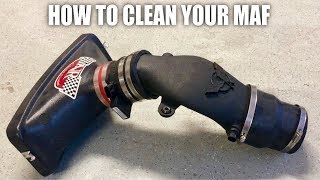
How to confirm: Visually inspect the inside of the air intake tube for any excess plastic molding, especially around the MAF sensor housing. While there, clean the MAF sensor with dedicated MAF sensor cleaner, spraying the wire element from multiple angles and letting it air dry completely 🎬 See this guide on how to clean your MAF sensor without touching it.
Typical fix: Carefully remove the plastic flashing with a file or deburring tool, or replace the air cleaner outlet duct/lid as per the TSB. Clean or replace the MAF sensor if it is contaminated or faulty.
Est. part cost: $0 (for deburring) - $110 - Faulty Oxygen (O2) Sensor 🟡 Medium Probability O2 sensors are wear-and-tear items that degrade over time. A failing sensor can send incorrect signals, such as getting stuck on a high voltage reading, causing the ECM to enrich the fuel mixture unnecessarily.
How to confirm: Use an OBD-II scanner to monitor the live data for the Bank 2, Sensor 1 O2 sensor. A faulty sensor may show a voltage that is stuck high (e.g., above 0.8V) or does not fluctuate rapidly as expected.
Typical fix: Replace the Bank 2, Sensor 1 (upstream) oxygen sensor.
Est. part cost: $45-$70 - Leaking Fuel Injector 🟡 Medium Probability The C7 Corvette uses a high-pressure direct injection system (GDI) operating at over 2,100 psi. An injector on Bank 2 can become stuck open or leak fuel directly into a cylinder, causing a rich condition on that bank.
How to confirm: Perform a fuel pressure leak-down test. After the engine is off, the fuel rail pressure should hold steady; a drop indicates a leak. You can also remove the spark plugs on Bank 2 and check for one that is wet with fuel or excessively black and sooty.
Typical fix: Replace the faulty fuel injector. It is often recommended to replace all injectors on that bank at the same time.
Est. part cost: $50-$100 per injector - High Fuel Pressure (Leaking High-Pressure Fuel Pump) ⚪ Low Probability The LT1/LT4 engine's high-pressure fuel pump, driven by the camshaft, can leak internally. GM bulletin #20-NA-200 suggests 🎬 Watch: How to diagnose rich fuel trims and GM TSBs this allows fuel mist to be drawn into the intake via the PCV system, causing rich codes (P0172/P0175) on both banks. This is a known issue across several GM platforms with these engines.
How to confirm: A diagnostic procedure outlined in GM documents involves disconnecting the dirty air side of the PCV system and plugging the vacuum supply. If fuel trims return to normal at idle, it strongly indicates the high-pressure fuel pump is leaking.
Typical fix: Replace the high-pressure fuel pump. This is an involved repair as the pump is located in the valley of the engine, beneath the intake manifold.
Est. part cost: $150-$700+
Rare But Worth Checking
- EVAP Purge Solenoid Stuck Open: This usually causes a lean code, but if the canister is saturated with fuel vapors, a stuck-open purge valve can introduce excess fuel vapor into the intake at idle, causing a rich condition. This can be tested by commanding the valve closed with a scan tool and observing if fuel trims improve.
Diagnosis Steps
- Check for Technical Service Bulletins (TSBs). For this vehicle, TSB #PIP5446A (intake flashing) and #20-NA-200 (leaking HPFP) are highly relevant.
- Use an OBD-II scanner to confirm P0175 and check for any other codes, like P0172 or P0101.
- Analyze live data on the scanner. Look at Long Term Fuel Trim (LTFT) and Short Term Fuel Trim (STFT) for Bank 2. They will be significantly negative (e.g., -15% or lower).
- Carefully inspect the air intake tube for any 'cast flashing' or obstructions near the MAF sensor, as described in TSB #PIP5446A.
- Clean the MAF sensor using a dedicated MAF sensor cleaner. Do not touch the delicate wires. Let it air dry completely before reinstallation.
- If P0172 is also present, test for a leaking high-pressure fuel pump by disconnecting the PCV dirty air side and plugging the vacuum source. If fuel trims improve, the HPFP is the likely cause.
- Monitor the live voltage of the Bank 2, Sensor 1 O2 sensor. It should fluctuate rapidly. If it's stuck high or slow to respond, it may be faulty.
- Test fuel pressure to rule out a faulty regulator or pump. For GDI systems, this includes checking for leak-down.
- If all else fails, perform tests to check for leaking fuel injectors on Bank 2, such as inspecting spark plugs for fouling or fuel saturation.
Parts You'll Likely Need
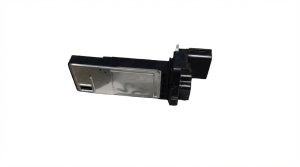
- Mass Air Flow (MAF) Sensor
(OEM #23262344)— The primary suspect due to TSB #PIP5446A and its direct impact on air measurement for both banks. Often, cleaning is sufficient, but replacement may be needed if it's faulty or damaged.
Trusted brands: ACDelco, Delphi
OEM price range: $85-$110
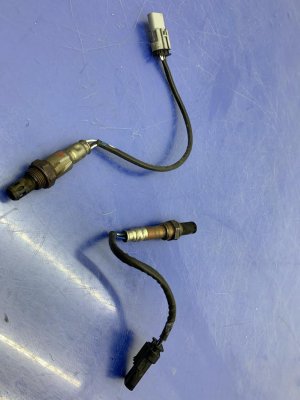
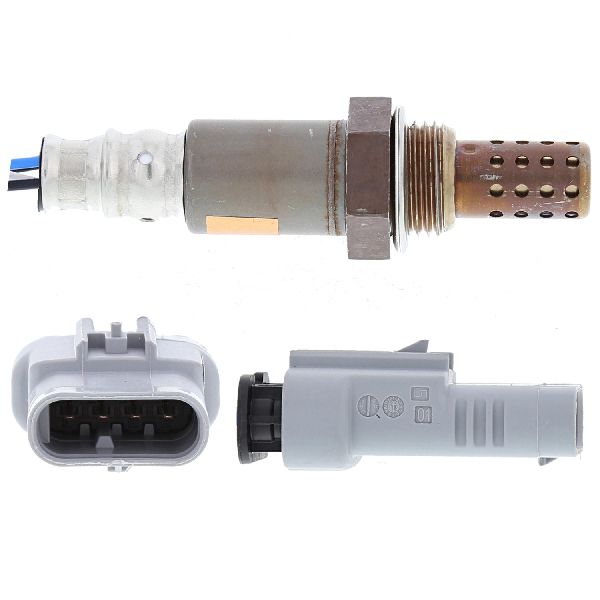
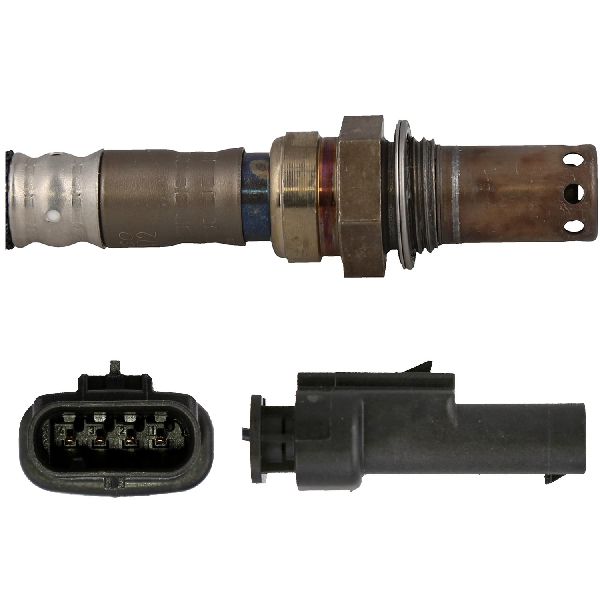
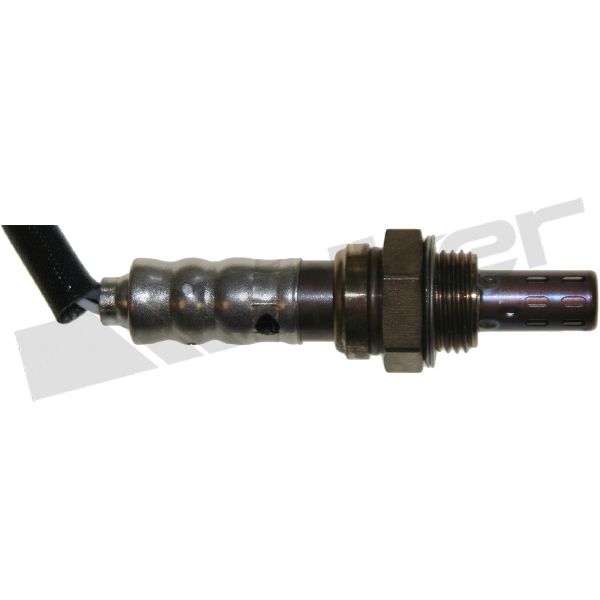
Aftermarket price range: $50-$90 - Oxygen Sensor (Bank 2, Sensor 1)
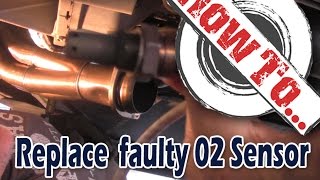
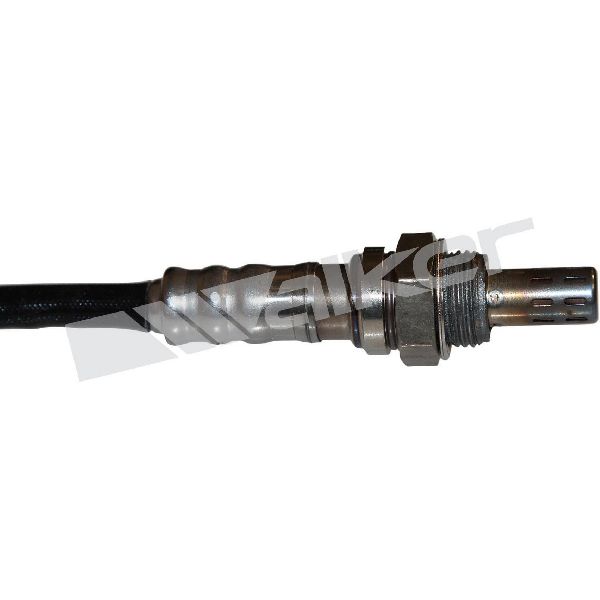
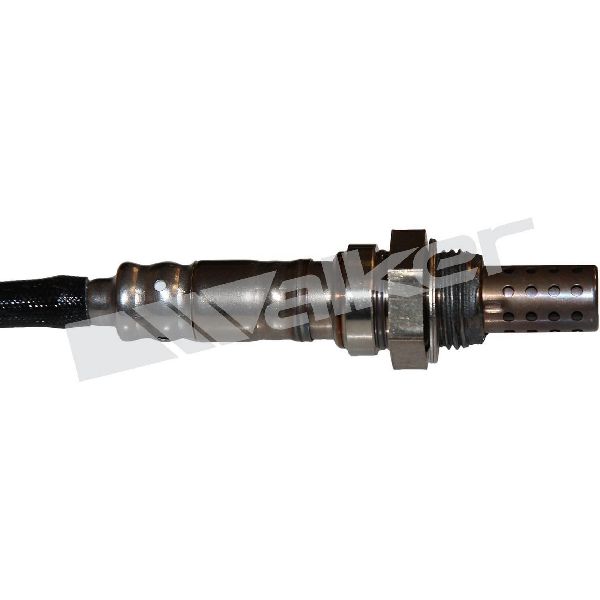
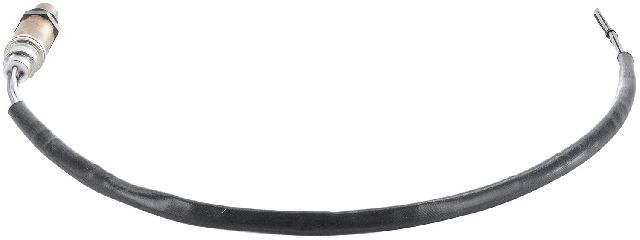
(OEM #12655677)— This is the upstream sensor on the passenger side that directly 🎬 Watch: A quick walkthrough on replacing your O2 sensor measures the air-fuel ratio for Bank 2. It's a common failure point that directly causes a rich code if it malfunctions by sending a persistently high voltage signal.
Trusted brands: ACDelco, Denso, Bosch
OEM price range: $45-$65
Aftermarket price range: $35-$55 - Air Cleaner Outlet Duct (Intake Lid) — TSB #PIP5446A recommends replacing the entire air filter housing lid if casting flash is found, as deburring may not be a permanent or complete fix.
Trusted brands: ACDelco
OEM price range: $70-$120
Related Codes That Often Appear With This One
- P0172 — System Too Rich (Bank 1). If both P0172 and P0175 are present, it strongly suggests a problem that affects both engine banks, such as the MAF sensor, a leaking high-pressure fuel pump, or general fuel pressure issues.
- P0101 — Mass Air Flow (MAF) Circuit Range/Performance. This code is explicitly mentioned alongside P0175 in TSB #PIP5446A and points directly to a problem with the MAF sensor or the airflow it is measuring due to the intake flashing.
Technical Service Bulletins (TSBs) & Recalls
- PIP5446A: Addresses rough idle, hesitation, and diagnostic trouble codes P0101, P0171, P0172, P0174, and/or P0175. The bulletin advises technicians to inspect for cast flashing near the Mass Air Flow sensor and replace the air cleaner lid if found.
- 20-NA-200: Provides a diagnostic tip for P0172 and P0175 when other causes have been ruled out, pointing to an internally leaking high-pressure fuel pump.
Platform-Specific Known Issues
- TSB #PIP5446A: A known issue where excess plastic 'cast flashing' in the air intake tube near the MAF sensor can disrupt airflow readings, leading to codes P0172, P0175, and/or P0101, along with rough idle and hesitation. The official fix is to replace the air cleaner housing lid.
- TSB #20-NA-200 (replaces PIP5590A): Addresses P0172/P0175 codes caused by an internally leaking high-pressure fuel pump. The leak allows fuel mist into the PCV system, which is then ingested by the intake, causing a rich condition not easily diagnosed by traditional methods.
Mechanic-Grade Diagnostic Values
- Upstream O2 Sensor (Bank 2, Sensor 1) Voltage — expected: Fluctuating rapidly between approximately 100 mV (0.1V) and 900 mV (0.9V) in closed loop.. Failure: Voltage is stuck high (e.g., >800 mV), indicating a persistent rich signal, or is slow to respond. A voltage greater than 1,050 mV (1.05V) can indicate a short to voltage.
- Mass Air Flow (MAF) Sensor Reading at Idle — expected: Approximately 6.2-6.5 grams/second for a 6.2L engine at normal operating temperature. This follows the general rule of thumb where g/s roughly equals engine displacement in liters.. Failure: Significantly lower readings may indicate a vacuum leak post-MAF. Significantly higher readings could indicate an unmetered air path or faulty sensor. Long term fuel trims greater than +/- 10% can also point to a faulty MAF.
- Low-Pressure Fuel System Pressure — expected: 50 - 76 PSI, controlled by the Fuel System Control Module (FSCM).. Failure: Pressure outside this range could indicate an issue with the in-tank pump or the FSCM.
- High-Pressure Fuel System Pressure (Direct Injection) — expected: Varies with load and RPM. Can be 300-600 PSI at idle and commanded up to 2,900 PSI at WOT for an LT1/LT4. The ECM commands a desired pressure, and the actual pressure should follow closely.. Failure: A large discrepancy between commanded and actual pressure under load can indicate a failing High-Pressure Fuel Pump (HPFP) or a leak in the high-pressure side.
Scan Tool Commands That Help
- GDS2 (GM Dealer Tool): Fuel Injector Balance Test — To test for a leaking or clogged injector without removal. The tool commands each injector to fire and measures the corresponding pressure drop in the fuel rail. An injector with a significantly different pressure drop is suspect.
- GDS2 (GM Dealer Tool): Fuel System Test — This function can command the Fuel System Control Module (FSCM) to run the low-pressure pump at various duty cycles to verify its operation and check for pressure stability, helping to diagnose the in-tank pump and FSCM.
- GDS2 (GM Dealer Tool): EVAP Purge/Seal — To test the EVAP purge solenoid. The valve can be commanded closed to see if the rich condition and negative fuel trims improve, confirming it was stuck open and introducing fuel vapors at the wrong time.
Wiring & Ground Locations
- G303 — On the frame rail, where the main negative battery cable connects to the chassis.. A poor main ground can cause floating voltages and erratic behavior from all sensors and modules, including the ECM and its inputs from O2 and MAF sensors. While not a direct cause, it can create confusing diagnostic symptoms.
- Engine Block Grounds — There are multiple ground points on the engine block itself, including one near the starter on the passenger side.. The ECM and various sensors use these grounds to complete their circuits. A corroded or loose engine ground can cause incorrect readings from sensors on that bank, potentially leading to false rich or lean conditions.
Real Owner Repair Stories
- CorvetteForum user (2015 Corvette 1LT Z51) — Repeated failure of the high-pressure fuel pump (HPFP), causing the crankcase to fill with gasoline.
❌ Tried (didn't work) Replacing the HPFP multiple times without addressing a potential root cause.
✅ What actually fixed it The user was seeking advice, but the story confirms the reality of the HPFP failure mode mentioned in TSB #20-NA-200, where internal leaks dump fuel into the engine, which can cause rich conditions and oil contamination.
"I Checked Everything" — The Actual Cause
- A smoke test will not identify an internally leaking high-pressure fuel pump (HPFP) as described in TSB #20-NA-200. The leak occurs inside the pump, allowing fuel to enter the crankcase and then get drawn into the intake via the PCV system. This is an internal engine issue, not an external vacuum leak that a smoke test is designed to find.
Model Year Variations Within This Range
- 2014 only: The 2014 model year used a 6-speed 6L80 automatic transmission. For the 2015 model year, this was replaced by the 8-speed 8L90 automatic transmission. This does not directly affect the P0175 code but is a significant change within the model range.
- 2015+: The Z06 model with the supercharged LT4 engine was introduced. While the base fuel system architecture is similar to the LT1, the LT4 has higher fuel demands and a different HPFP, though both are susceptible to the internal leaking issue.
Helpful Videos

Used OEM Parts in Stock

New Aftermarket Parts Available

The information in this article is provided for general reference and educational purposes only. Vehicle specifications, procedures, and part compatibility can vary by production date, trim level, and region. Always consult your vehicle's factory service manual and verify part numbers before purchasing or performing repairs. Safety-critical components such as airbags, seat belts, and braking systems should be installed by a qualified professional.
- Chevrolet CORVETTE:
- 🎬 Helpful Videos
- 🛍️ Shop This Part
- What's Unique About the 2014-2018 Chevrolet CORVETTE
- Diagnostic Flowchart
- Symptoms You May Notice
- Most Likely Causes
- Rare But Worth Checking
- Diagnosis Steps
- Parts You'll Likely Need
- Related Codes That Often Appear With This One
- Technical Service Bulletins (TSBs) & Recalls
- Platform-Specific Known Issues
- Mechanic-Grade Diagnostic Values
- Scan Tool Commands That Help
- Wiring & Ground Locations
- Real Owner Repair Stories
- "I Checked Everything" — The Actual Cause
- Model Year Variations Within This Range
- 🎟️ Get 5% Off