

P0175 on 2011-2018 Chevrolet Camaro: System Too Rich Bank 2 Causes and Fixes
On a 2011-2018 Camaro, P0175 means the engine is running too rich on Bank 2. The most likely causes are specific to the vehicle's generation: a detached hydrocarbon pad in the air filter lid on 2011-2015 models (TSB #PIP4813C) or casting flaws near the MAF sensor on 2016-2018 models (TSB #PIP5446A). Other common causes include a faulty O2 sensor, a leaking fuel injector, or a contaminated MAF sensor.
- For a 2011-2018 Camaro, P0175 is often caused by vehicle-specific air intake issues detailed in TSBs.
- Always inspect the air filter housing and MAF sensor area for obstructions before replacing any parts.
- If P0172 is also present, suspect a component common to both engine banks, like the MAF sensor or fuel pressure regulator.
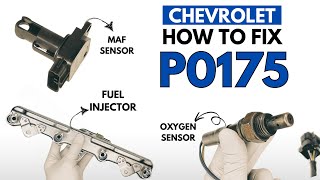
- A faulty Bank 2 upstream O2 sensor or a leaking fuel injector on Bank 2 are the next most likely causes after ruling out intake obstructions.
What's Unique About the 2011-2018 Chevrolet CAMARO
For the Camaro, this code is often linked to specific, documented issues that differ between the 5th and 6th generations. A 2014 Technical Service Bulletin (PIP4813C) for 2011 models points to a hydrocarbon absorber pad inside the air cleaner lid that can become detached and obstruct airflow. For 2016-2018 models, a later TSB (PIP5446A) highlights a problem with cast flashing (excess plastic) near the Mass Air Flow (MAF) sensor, which disrupts airflow readings and can cause a host of codes including P0175. These manufacturer-documented issues are primary suspects and should be investigated before looking at more generic causes.
🎬 Watch: Three common methods to fix the P0175 error code.Diagnostic Flowchart
Tap your situation to follow the diagnostic path that matches what you're seeing on this vehicle.
Generation note: The 2011-2018 range covers two Camaro generations, and specific causes are tied to each: - 5th Generation (2011-2015): Prone to issues with the hydrocarbon absorber pad in the air cleaner lid, as noted in TSB #PIP4813C. This is especially noted on 2011-2012 V6 models but can affect others. The V6 engine changed from the port-injected LLT in 2011 to the direct-injected LFX in 2012, which have different fuel systems and intake manifolds. - 6th Generation (2016-2018): Can be affected by cast flashing near the MAF sensor, as documented in TSB #PIP5446A. This affects V8 (LT1, LT4) and potentially V6 models.
Symptoms You May Notice
- Check Engine Light is on
- Rough idle or engine sputtering.
- Reduced fuel economy.
- Strong smell of fuel from the exhaust.
- Black smoke from the exhaust pipe.
- Engine hesitation or lack of power.
- Hard starting, especially when the engine is hot, which can point to leaking injectors.
- Replacing the O2 sensor without checking for the TSB-related air intake issues first. The O2 sensor is often just accurately reporting the rich condition caused by the airflow problem.
Most Likely Causes
- Air Intake Obstruction (TSB-Related) 🔴 High Probability Two separate TSBs identify specific airflow obstructions. On 2011-2015 models, the hydrocarbon pad in the air cleaner lid can detach (TSB #PIP4813C). On 2016-2018 models, manufacturing casting flash near the MAF sensor can disrupt airflow (TSB #PIP5446A).
How to confirm: Visually inspect the air cleaner lid for a loose or deteriorating foam/hydrocarbon pad. On 6th gen models, remove the airbox lid and inspect the MAF sensor tube for any plastic flashing or imperfections that could disturb airflow. The TSB shows this as excess material right at the sensor's location.
Typical fix: If the hydrocarbon pad is loose, secure it with high-temp adhesive or replace the air cleaner lid assembly. If flashing is found near the MAF, carefully remove the excess material with a file or deburring tool, being cautious not to let debris fall into the intake.
Est. part cost: $0-$170 - Faulty Upstream Oxygen (O2) Sensor 🟡 Medium Probability
How to confirm: Use a scan tool to monitor the Bank 2, Sensor 1 voltage with the engine at operating temperature. A healthy sensor will fluctuate rapidly in a sine-wave pattern between approximately 0.1V and 0.9V. A sensor that is stuck high (consistently above 0.8V) is likely faulty and incorrectly reporting a rich condition.
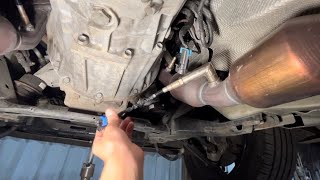
Typical fix: Replace the Bank 2, Sensor 1 oxygen sensor. On V6 and V8 Camaros, this is the sensor on the driver's side exhaust manifold/header, before the catalytic converter. 🎬 See this walkthrough for replacing oxygen sensors on a 6th Gen Camaro.
Est. part cost: $50-$120 - Leaking Fuel Injector(s) 🟡 Medium Probability Direct injection (LFX, LT1, LT4) and port injection (LLT, L99, LS3) injectors can fail. A common symptom is a hard start when the engine is hot, as fuel leaks into a cylinder and creates a temporary flooded condition.
How to confirm: Perform a fuel pressure leak-down test. After shutting the engine off, the fuel rail pressure should hold steady. A gradual drop in pressure can indicate a leaking injector. You can also pull the spark plugs on Bank 2 (driver's side) and check for one that is black, sooty, and smells of raw fuel.
Typical fix: Replace the faulty fuel injector(s). It's often recommended to replace them as a set on the affected bank or all at once.
Est. part cost: $70-$250 per injector - Dirty or Faulty Mass Air Flow (MAF) Sensor ⚪ Low Probability Aside from the TSB-related flashing, the MAF sensor can become contaminated by dirt or over-oiled aftermarket air filters, causing it to send inaccurate (over-reporting) airflow data to the PCM.
How to confirm: Remove and inspect the MAF sensor. If the sensing wires are dirty, clean them carefully with a dedicated MAF sensor cleaner. Do not touch the wires or use other chemicals like brake cleaner.
Typical fix: Clean the MAF sensor. If cleaning does not resolve the issue, or if codes P0172 and P0175 appear together, the sensor may need to be replaced.
Est. part cost: $10-$180 - Faulty EVAP Purge Solenoid ⚪ Low Probability
How to confirm: With the engine idling, disconnect the vacuum hose from the purge solenoid. If you feel vacuum suction from the solenoid port itself, it is stuck open and allowing un-metered fuel vapors into the intake at the wrong time, which can cause a rich condition. 🎬 Watch: How to test if your purge valve is stuck open.
Typical fix: Replace the EVAP purge solenoid.
Est. part cost: $25-$75
Rare But Worth Checking
- High Fuel Pressure: A faulty fuel pressure regulator (on port-injected models) or a failing high-pressure fuel pump (on direct-injected models) can cause excessive pressure in the entire fuel system, leading to rich conditions on both banks (P0172 and P0175). On some direct-injection models, a leaking high-pressure pump can leak fuel into the crankcase, which can be detected by a rising oil level and fuel smell in the oil.
- Stuck Open Thermostat: If the thermostat is stuck open, the engine may not reach its proper operating temperature. The PCM may command a richer fuel mixture to compensate, similar to a cold-start enrichment, which can eventually trigger a P0172/P0175 if the condition persists.
Diagnosis Steps
- Use an OBD-II scanner to confirm P0175 and check for any other codes, especially P0172 or P0101. Note the Long Term Fuel Trim (LTFT) values for both banks.
- Check freeze frame data to see the engine conditions (speed, load, temperature) when the code was set.
- Crucial Step for Camaro: Inspect the air intake system based on your vehicle's generation. For 2011-2015, check the air cleaner lid for a detached hydrocarbon pad (TSB #PIP4813C). For 2016-2018, inspect the MAF sensor housing for plastic flashing (TSB #PIP5446A).
- Inspect the engine air filter to ensure it is not clogged, dirty, or over-oiled (if aftermarket).
- If no intake issues are found, carefully clean the MAF sensor with a dedicated MAF sensor cleaner.
- Monitor the Bank 2 upstream O2 sensor voltage on a live data scanner. It should switch rapidly between ~0.1V and ~0.9V. If it's stuck high (e.g., >0.8V), the sensor is a likely culprit.
- Test the EVAP purge valve to ensure it isn't stuck open and drawing in fuel vapors at idle.
- Perform a fuel pressure test. For port-injected engines, check for high pressure. For all engines, perform a leak-down test to check for leaking injectors.
- Inspect spark plugs on Bank 2 for signs of richness (black soot), which can help isolate a single leaking injector.
Parts You'll Likely Need
- Air Cleaner Assembly Lid
(OEM #ACDelco 23281694 (example for 2012-2015 V6))— For 2011-2015 models, the hydrocarbon pad may not be sold separately, requiring replacement of the entire lid if the pad is degraded or cannot be re-secured. (TSB #PIP4813C)
Trusted brands: ACDelco, GM Genuine Parts
OEM price range: $80-$170
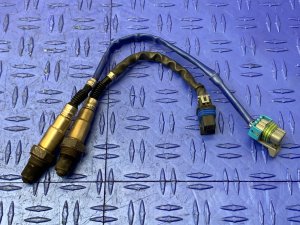
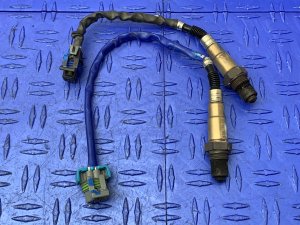
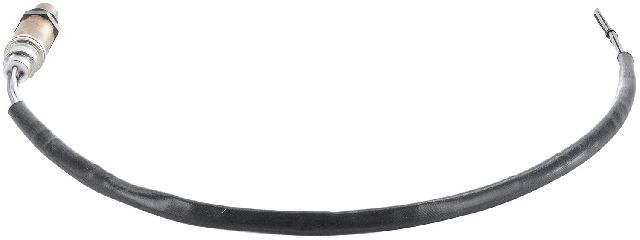
Aftermarket price range: $50-$120 - Upstream Oxygen Sensor (Bank 2, Sensor 1)
(OEM #ACDelco 12669384 (example for LFX V6))— If the sensor fails, it can send false 'rich' signals to the computer, causing this code.
Trusted brands: ACDelco, Denso, Bosch
OEM price range: $80-$150
Aftermarket price range: $50-$120 - Fuel Injector — A leaking or stuck-open injector on Bank 2 will dump excess fuel, directly causing a rich condition.
Trusted brands: ACDelco, Bosch
OEM price range: $120-$250
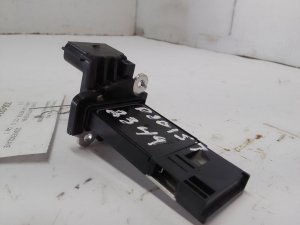
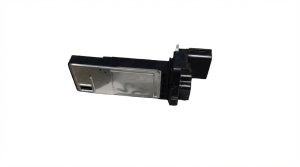
Aftermarket price range: $70-$150 - Mass Air Flow (MAF) Sensor
(OEM #ACDelco 12671624 (common for 2012+ models))— If cleaning the sensor doesn't resolve the issue, or if it's internally faulty, replacement is necessary. This part is also implicated in TSB #PIP5446A for 6th gen models.
Trusted brands: ACDelco, GM Genuine Parts
OEM price range: $90-$180
Aftermarket price range: $60-$130
Related Codes That Often Appear With This One
- P0172 — System Too Rich (Bank 1). If both P0175 and P0172 are present, it points to a problem affecting both engine banks, such as the MAF sensor, fuel pressure, or EVAP system.
- P0101 — Mass Air Flow (MAF) Circuit Range/Performance. This code often appears alongside P0175 in the official TSBs, indicating the root cause is related to the MAF sensor or the airflow it is measuring.
Technical Service Bulletins (TSBs) & Recalls
- PIP4813C
- PIP5446A
Platform-Specific Known Issues
- TSB #PIP5446A: MAF Sensor Cast Flashing: On some 2016-2018 models, excess plastic 'cast flashing' from the manufacturing process can be present in the air intake tube right near the MAF sensor. This disrupts airflow and causes rich or lean codes, including P0175. The fix is to carefully remove the flashing or replace the airbox lid.
- TSB #PIP4813C: Detached Hydrocarbon Pad: On some 2011-2015 models, a foam-like hydrocarbon absorber pad inside the air cleaner lid can detach and partially block the air intake tube, restricting airflow and causing a rich condition. Owners on forums report successfully re-gluing the pad or replacing the entire lid to resolve the issue.
- Owner Experience: Hard Hot Starts: A user on the Camaro5 forum with P0172 and P0175 codes noted their primary symptom was difficulty starting the engine when it was already hot. This is a classic sign of one or more leaking fuel injectors, which drip fuel into the cylinders after shutdown.
Mechanic-Grade Diagnostic Values
- Fuel Pressure (Port Injected: LS3, L99) — expected: 41-47 PSI with key-on, engine-off. Should drop 3-10 PSI at idle with vacuum line connected.. Failure: Pressure significantly above 47 PSI indicates a faulty regulator or restricted return line. Pressure below 41 PSI indicates a weak pump.
- Low-Side Fuel Pressure (Direct Injected: LFX, LT1, LT4) — expected: Approximately 55 PSI, regulated by the Fuel Pump Control Module (FPCM).. Failure: Pressure significantly deviating from the target pressure commanded by the FPCM.
- High-Side Fuel Pressure at Idle (Direct Injected: LFX, LT1, LT4) — expected: Approximately 350-500 PSI.. Failure: Pressure that is erratic, fails to build, or is excessively high. A Reddit user with an LT4 reported ~370 PSI at idle.
- Long Term Fuel Trim (LTFT) at Idle — expected: Between -10% and +10%.. Failure: Sustained readings more negative than -20% will typically set the P0175 code. One owner reported values as low as -32% at idle with this code.
- Mass Air Flow (MAF) Sensor Reading at Idle — expected: Approximately 3-7 g/s for a V6/V8 engine at normal idle speed.. Failure: Readings that are significantly higher or lower than expected for the given RPM can indicate a faulty sensor or an air leak.
Scan Tool Commands That Help
- GDS2 / Tech2: Fuel Injector Balance Test — To isolate a single leaking or malfunctioning fuel injector on Bank 2. The tool commands each injector to fire for a specific duration and measures the corresponding drop in fuel pressure. An injector causing a larger or smaller pressure drop than the others is faulty.
- GDS2 / High-End Scanner: EVAP Purge/Seal — To test the EVAP purge solenoid. With the engine off, you can command the valve to open and close to check for a response. You can also command it closed at idle to see if negative fuel trims improve, confirming it was stuck open.
Wiring & Ground Locations
- G106 — On the right side of the engine block, near the front.. This is a primary engine ground. A poor connection here can affect various sensors, including the Camshaft Position Sensor and potentially the O2 sensors, leading to incorrect data being sent to the ECM.
- ECM (Engine Control Module) — Located in the right front of the engine compartment.. All sensor data (O2, MAF, ECT) is processed here. The O2 sensor signal wires for Bank 2, Sensor 1 connect directly to pins on the ECM connector. A continuity test from the sensor connector to the ECM connector can rule out wiring faults.
Real Owner Repair Stories
- Reddit user on r/camaro (2017 Camaro ZL1 (6.2L LT4)) — P0172 and P0175 (rich on both banks), no drivability issues, but long term fuel trims were -20% to -32% at idle. Trims improved under throttle.
❌ Tried (didn't work) The check engine light cleared on its own, but the negative fuel trims persisted. MAF and O2 sensor readings appeared normal on the scan tool.
✅ What actually fixed it The user suspected a leaking EVAP purge valve. Disconnecting the purge valve vacuum line and plugging it caused the fuel trims to improve significantly (moving from -20% toward -12%). Reconnecting it made the trims worse again, strongly indicating the purge valve was stuck open and allowing un-metered fuel vapor into the intake at idle.
"I Checked Everything" — The Actual Cause
- A GM preliminary bulletin for 2016-2018 Camaros with LT1/LT4 engines suggests that if P0172/P0175 are present and standard diagnostics don't find a cause, a leaking high-pressure fuel pump should be suspected. The bulletin notes that the leak may not put a significant amount of fuel into the crankcase oil. Instead, the PCV system can pull fuel mist directly from the pump area into the intake, causing a rich condition that a smoke test would not identify. The diagnostic step is to disconnect and plug the 'dirty air' side of the PCV system and see if fuel trims return to normal.
OEM Part Supersession History
13505433→12671624— This is a common MAF sensor used across many GM vehicles. Part numbers are often superseded due to supplier changes, minor design revisions, or consolidation.
Heads up: ACDelco 12671624 is listed as the GM Original Equipment replacement for 13505433 and should be fully compatible for the specified Camaro applications.
Model Year Variations Within This Range
- 2011 vs 2012-2015 (V6): The 2011 V6 used the LLT engine with traditional port fuel injection and external exhaust manifolds. Starting in 2012, the V6 was the LFX, which featured direct injection, a composite intake manifold (vs. aluminum on the LLT), and cylinder heads with integrated exhaust manifolds. These differences mean the fuel systems (pumps, injectors, pressures) and some diagnostic procedures are entirely different. An LLT to LFX engine swap is complex due to different ECMs and wiring.
- 2011-2015 vs 2016-2018: This marks the shift from the 5th generation to the 6th generation. The V8 engines changed from the port-injected LS3/L99 to the direct-injected LT1. The primary TSB-related causes for P0175 are different for each generation, with the hydrocarbon pad issue affecting the 5th gen and the MAF flashing issue affecting the 6th gen.
Helpful Videos


Used OEM Parts in Stock


New Aftermarket Parts Available


The information in this article is provided for general reference and educational purposes only. Vehicle specifications, procedures, and part compatibility can vary by production date, trim level, and region. Always consult your vehicle's factory service manual and verify part numbers before purchasing or performing repairs. Safety-critical components such as airbags, seat belts, and braking systems should be installed by a qualified professional.
- Chevrolet CAMARO:
- 🎬 Helpful Videos
- 🛍️ Shop This Part
- What's Unique About the 2011-2018 Chevrolet CAMARO
- Diagnostic Flowchart
- Symptoms You May Notice
- Most Likely Causes
- Rare But Worth Checking
- Diagnosis Steps
- Parts You'll Likely Need
- Related Codes That Often Appear With This One
- Technical Service Bulletins (TSBs) & Recalls
- Platform-Specific Known Issues
- Mechanic-Grade Diagnostic Values
- Scan Tool Commands That Help
- Wiring & Ground Locations
- Real Owner Repair Stories
- "I Checked Everything" — The Actual Cause
- OEM Part Supersession History
- Model Year Variations Within This Range
- 🎟️ Get 5% Off