

P0175 on 2009-2011 Chevrolet Avalanche: System Too Rich Causes and Fixes
On a 2009-2011 Avalanche, P0175 is most often caused by the engine computer incorrectly 'learning' a high fuel alcohol content, especially on FlexFuel models. This causes a rich condition. The fix is usually a no-parts repair involving a scan tool to reset the fuel alcohol value and fuel trims.
- For a 2009-2011 Avalanche with P0175, the first step is to check the 'Fuel Alcohol Content' value with a scan tool.
- The most likely fix is a 'Fuel Composition Reset' using a scan tool, which requires no parts.
- Do not replace the O2 sensors unless you have ruled out the fuel alcohol content issue and a dirty MAF sensor.
- If codes P0172 and P0175 appear together, it strongly suggests a problem affecting the whole engine, reinforcing the likelihood of the fuel composition or MAF sensor being the culprit.
What's Unique About the 2009-2011 Chevrolet AVALANCHE
For this generation of Chevrolet Avalanche, particularly FlexFuel (E85 compatible) models with engines like the 5.3L LMG or LC9 V8, the most prominent cause for P0175 is a software-related issue. These trucks infer ethanol content based on O2 sensor readings after a fill-up, as they do not have a physical fuel composition sensor. The learning algorithm can be flawed, causing the ECM to store a high percentage of ethanol (e.g., 50%) when running on standard E10 gasoline. This false reading causes the computer to command excessive fuel injection, leading to a rich condition. A specific Technical Service Bulletin (TSB PIP4792D) addresses this exact problem, highlighting it as a primary diagnostic path before replacing any parts.
Diagnostic Flowchart
Tap your situation to follow the diagnostic path that matches what you're seeing on this vehicle.
Symptoms You May Notice
- Check Engine Light is on
- Poor fuel economy
- Black smoke from the exhaust, especially on a cold start.
- Strong smell of fuel from the exhaust.
- Rough idle or engine hesitation.
- Reduced engine power and acceleration.
- Hard starting or extended crank, particularly when the engine is cold. 🎬 Watch: Diagnosing hard starts and rich running on the 5.3L
- Engine continues to sputter for a few seconds after being turned off ('dieseling').
- Replacing the oxygen sensor first. The O2 sensor is often just accurately reporting the rich condition, not causing it. The primary cause on this vehicle is frequently the fuel alcohol content value, which should be checked first.
Most Likely Causes
- Incorrect Fuel Alcohol Content Reading 🔴 High Probability FlexFuel models from this era (RPO codes LMG, LC9, etc.) infer ethanol content rather than using a physical sensor. The learning algorithm can be flawed, causing the ECM to store a high value (e.g., 50%) when only 10% ethanol gasoline is used. This is well-documented in GM TSB PIP4792D.
How to confirm: Use a scan tool to view the 'Fuel Alcohol Content' or 'Fuel Composition' parameter. If the value is significantly higher than the known ethanol content of the fuel in the tank (e.g., it reads 40% but you use E10 gas), this is the cause.
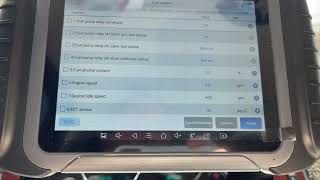
Typical fix: Use a capable scan tool (like a GM Tech 2, Autel, Launch, or XTool) to perform a 'Fuel Composition Reset' and a 'Fuel Trim Reset'. This does not require replacing parts. In some cases, the ECM may need a software update from a dealership as per the TSB.
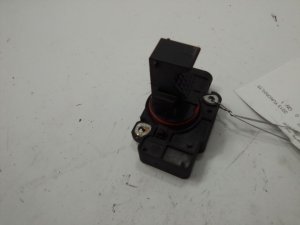
Est. part cost: $0 - Dirty or Faulty Mass Air Flow (MAF) Sensor 🟡 Medium Probability Oiled air filters (like K&N) are a common source of contamination, causing the MAF sensor to under-report airflow. The ECM then calculates an incorrect, rich fuel mixture. It can also become dirty from normal use.
How to confirm: Inspect the MAF sensor wires for dirt or oil residue. Monitor MAF readings on a scan tool; they should be stable at idle and increase smoothly with RPM. A dirty sensor can be cleaned as a first step.
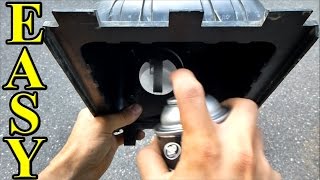
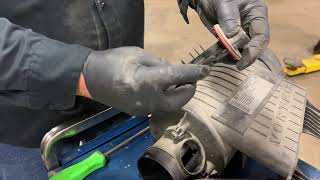
Typical fix: Clean the sensor with a dedicated MAF sensor cleaner spray. 🎬 See this detailed walkthrough on cleaning your MAF sensor If cleaning doesn't work, the sensor must be replaced. The OEM part number is often GM 23256991.
Est. part cost: $10-$15 (cleaner), $70-$150 (sensor) - Leaking Fuel Injector(s) ⚪ Low Probability
How to confirm: Perform a fuel pressure leak-down test; if pressure drops quickly after the engine is off, an injector may be leaking. You can also remove the spark plugs on Bank 2 and check for one that is black and sooty, indicating a rich cylinder.
Typical fix: Replace the faulty fuel injector(s) on Bank 2. It's often recommended to replace them as a set on the affected bank.
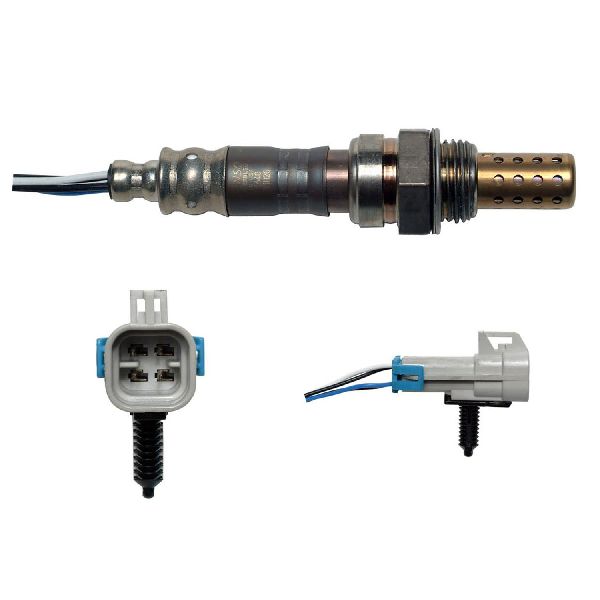
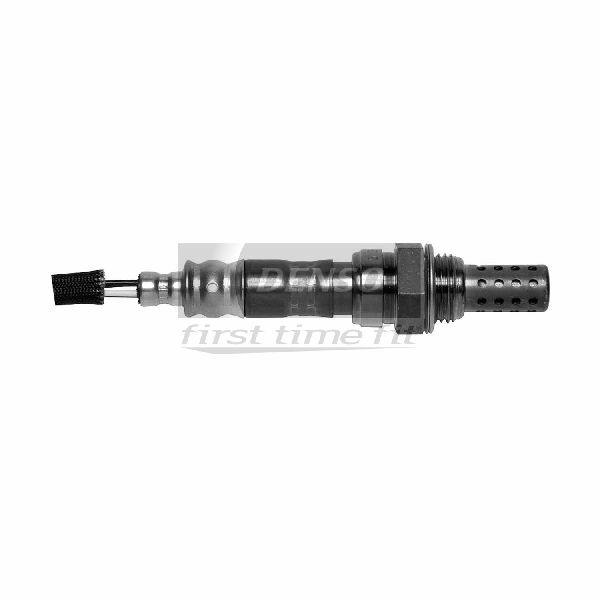
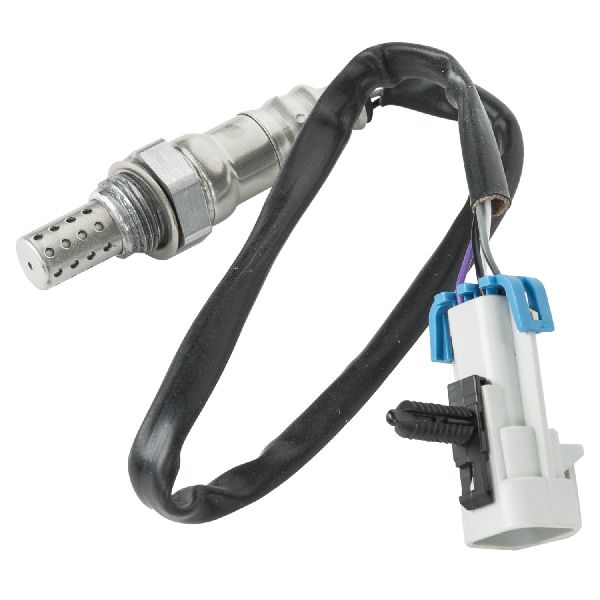
Est. part cost: $50-$120 per injector - Faulty Upstream Oxygen (O2) Sensor ⚪ Low Probability
How to confirm: A faulty O2 sensor can get 'stuck' or become slow to respond, sending incorrect signals to the ECM. Monitor the Bank 2 Sensor 1 voltage on a scan tool; it should switch rapidly between approximately 0.1V and 0.9V in closed loop. If it's stuck high or slow, it may be faulty.
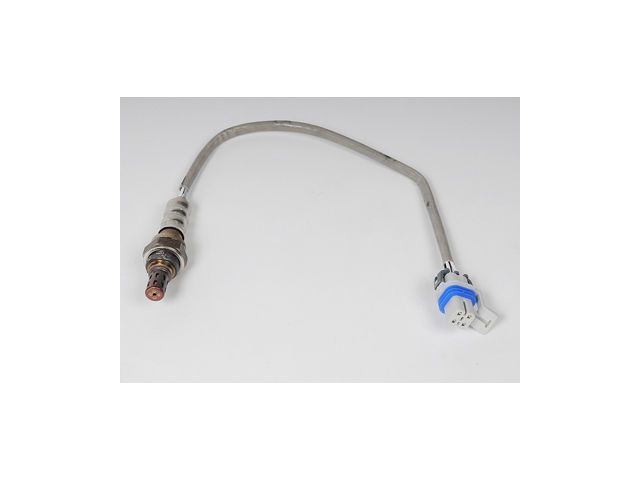
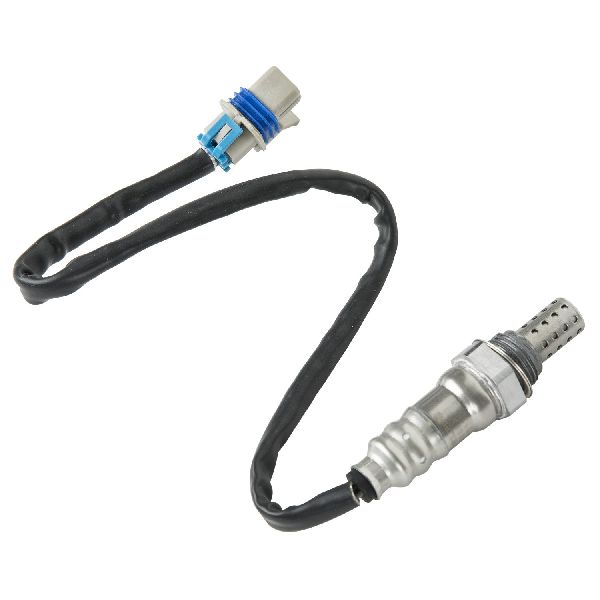
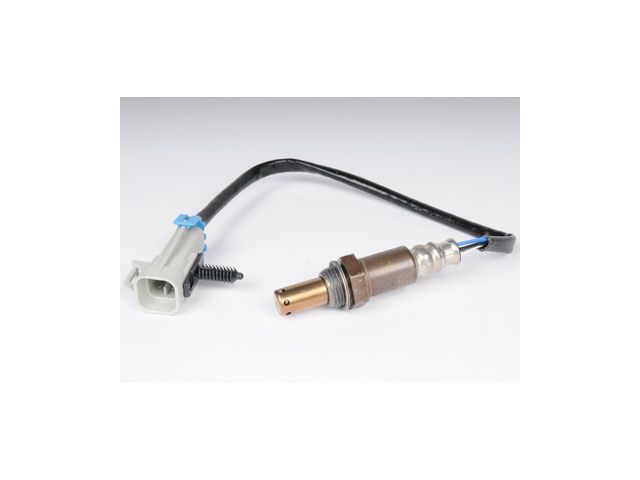
Typical fix: Replace the Bank 2, Sensor 1 (upstream) oxygen sensor. The GM OEM part number is 12609457.
Est. part cost: $40-$100
Rare But Worth Checking
- High Fuel Pressure: A failing fuel pressure regulator can cause excessive pressure across the entire fuel rail, leading to rich codes on both banks (P0172 and P0175). This is less common than other causes but worth checking if both codes are present.
- Stuck Open EVAP Purge Solenoid: If the EVAP purge valve sticks open, it can allow un-metered fuel vapors from the gas tank to enter the intake manifold at the wrong time, contributing to a rich mixture. You can test this by applying vacuum to the port when the engine is off; it should hold vacuum.
- Stuck-Open Thermostat: If the thermostat is stuck open, the engine may not reach its proper operating temperature. The ECM may intentionally run a richer mixture to compensate, which can trigger a rich code over time.
Diagnosis Steps
- Connect a scan tool and confirm P0175 is present. Check if P0172 is also stored, as this points to a global engine issue.
- Navigate to the live data stream and find the 'Fuel Alcohol Content' or 'Fuel Composition' parameter. If the vehicle is a FlexFuel model and has only been run on regular gasoline, this value should be low (under 15%). If it is high (e.g., 30-60%), this is your most likely problem.
- If fuel alcohol content is high, use the scan tool's special functions to perform a 'Fuel Composition Reset' and 'Fuel Trim Reset'. After resetting, ensure the value is low (e.g., ~1-3%).
- If fuel alcohol content is normal, check the Long-Term Fuel Trim (LTFT) for Bank 2. It will be strongly negative (e.g., -15% to -30%), confirming the ECM is trying to remove fuel.
- Inspect the air filter and the entire air intake path for blockages.
- Inspect the Mass Air Flow (MAF) sensor for contamination, especially oil residue from aftermarket filters. Clean it with dedicated MAF cleaner as a first step.
- Test fuel pressure to ensure it is within the manufacturer's specification (check service manual for specs). Rule out a faulty fuel pressure regulator.
- Test the EVAP purge solenoid to ensure it is not stuck open, which would create a vacuum leak at idle.
- If the issue persists and is isolated to Bank 2, investigate for a leaking fuel injector or a faulty upstream O2 sensor on that bank.
Parts You'll Likely Need
- No Parts Needed - Scan Tool Reset — The most common fix for P0175 on these trucks is resetting the learned fuel alcohol value in the ECM, which requires a capable scan tool but no new parts.
OEM price range: $0
Aftermarket price range: $0 - Mass Air Flow (MAF) Sensor
(OEM #23256991)— A dirty or failed MAF sensor is a frequent cause of incorrect fuel mixture calculations. Cleaning is a cheap first step, but replacement is often necessary if the problem persists.
Trusted brands: ACDelco (GM Genuine), Delphi, Duralast
OEM price range: $100-$160
Aftermarket price range: $70-$120 - Upstream Oxygen Sensor (Bank 2, Sensor 1)
(OEM #12609457)— If the sensor itself fails, it can send false rich signals to the ECM. This is a secondary cause after checking fuel composition and the MAF sensor.
Trusted brands: ACDelco, Denso, Bosch
OEM price range: $60-$110
Aftermarket price range: $40-$80
Related Codes That Often Appear With This One
- P0172 — P0172 is the identical 'System Too Rich' code, but for Bank 1. When both appear, it strongly points to a problem affecting the entire engine, such as incorrect fuel alcohol content, a faulty MAF sensor, or high fuel pressure.
Technical Service Bulletins (TSBs) & Recalls
- PIP4792D: Addresses cold start issues, rough running, and P0172/P0175 codes caused by the ECM incorrectly learning the fuel alcohol content. Recommends checking the value with a scan tool, comparing to a physical fuel sample, and performing a reset and/or ECM reprogram if the discrepancy is 17% or greater.
Platform-Specific Known Issues
- As documented in TSB #PIP4792D, FlexFuel (E85 compatible) versions of this truck (affecting 5.3L engines like LMG and LC9) are prone to incorrectly learning a high ethanol content in the fuel. This causes rich running conditions (P0172/P0175), black smoke, and hard starts. The official fix involves checking the value, and if it differs from a physical fuel sample by more than 17%, performing an ECM reprogram and a fuel composition reset.
Mechanic-Grade Diagnostic Values
- Mass Air Flow (MAF) Sensor Reading at Idle — expected: Approximately 5.3 grams/second for a 5.3L engine on a warm, idling engine. General range is 2-7 g/s at idle.. Failure: A reading significantly lower than the engine displacement (e.g., 2-3 g/s on a 5.3L engine) can indicate a dirty sensor or a vacuum leak. Readings should increase smoothly with RPM, reaching 15-25 g/s at 2500 RPM.
- Fuel Pressure (Key On, Engine Off) — expected: 50-60 PSI (This is a general value for similar GM trucks; specific spec should be verified). The pressure should hold steady after the pump primes.. Failure: If pressure drops steadily after the key is turned off, it indicates a potential leak in the system, possibly from a fuel injector. If pressure is significantly above spec, the fuel pressure regulator may be faulty.
- Long-Term Fuel Trim (LTFT) — expected: Within +/- 10% at idle on a healthy engine.. Failure: For a P0175 code, the LTFT for Bank 2 will be highly negative, often maxed out between -25% and -30%, as the ECM tries to remove excess fuel.
Scan Tool Commands That Help
- GM Tech 2 / GDS2 / Capable Aftermarket (Autel, Launch, etc.): Fuel Compensation Reset — This is the primary command used to fix the common issue of incorrect fuel alcohol content. It resets the learned ethanol percentage in the ECM to a baseline, forcing it to relearn.
- GM Tech 2 / GDS2 / Capable Aftermarket: Fuel Trim Reset — Should be performed immediately after a Fuel Compensation Reset or after replacing a component like a MAF sensor or O2 sensor. This clears the long-term learned adjustments, allowing the ECM to build a new fuel map with data from the corrected/new parts.
- GM Tech 2 / GDS2 / Capable Aftermarket: Injector Balance Test — This function helps diagnose a single leaking injector. The tool turns on the fuel pump and pulses each injector individually while the user monitors fuel pressure drop on a mechanical gauge. An injector causing a larger pressure drop than the others is likely leaking.
- GM Tech 2 / GDS2 / Capable Aftermarket: EVAP Purge/Seal — To test the EVAP purge solenoid. This command allows the technician to command the valve open and closed to see if it is functioning correctly and not stuck open, which would introduce unmetered fuel vapors and cause a rich condition.
Wiring & Ground Locations
- G102 & G103 — G102 is on the rear of the driver's side (Bank 2) cylinder head. G103 is on the front of the passenger's side (Bank 1) cylinder head.. These are the primary engine-to-chassis grounds. A poor connection at G102 can cause erratic readings from sensors on Bank 2, including the O2 sensor and fuel injectors, potentially leading to a false rich code. Cleaning these grounds is a critical step in resolving persistent, hard-to-diagnose electrical issues.
- G100 / G101 — Located on the lower left and right sides of the radiator core support.. These grounds are part of the forward lamp harness and are less likely to cause this specific code, but ensuring all engine bay grounds are clean and tight is good practice when troubleshooting.
- Underhood Fuse Block — Located on the driver's side of the engine compartment.. This block contains fuses and relays critical to the fuel system, including the fuel pump relay and ECM power. A poor connection or corrosion here can cause a variety of fuel system issues.
Real Owner Repair Stories
- Tahoe Yukon Forum user 'slowride' (2006 Tahoe 5.3L Flex Fuel (GMT800, but same engine/software issue as GMT900)) — P0172 and P0175 codes, preventing the vehicle from passing inspection.
❌ Tried (didn't work) Disconnecting the battery to try and force a reset.
✅ What actually fixed it The user identified via a scan tool that the fuel alcohol content was reading 46% despite using regular gas. The confirmed fix, suggested by other users, was to use a Tech2-type scanner (like Snap-on, Autel, or a VXDIAG Nano) to perform a fuel trim reset, which takes about 60 seconds.
OEM Part Supersession History
213-4222 (ACDelco)→23256991 (GM Genuine / ACDelco)— Part number consolidation and potential minor updates in design or materials.
Heads up: The parts are interchangeable for the specified 2009-2013 model years. 23256991 is the correct current replacement part.
Model Year Variations Within This Range
- 2007-2009 vs 2010-2013: The 5.3L LMG V8 engine had a slight change in compression ratio. For 2007-2009 models, it was 9.9:1. For 2010-2014 models, it was lowered to 9.6:1, which coincided with pistons changing from flat-tops to flat-tops with valve reliefs. This does not directly affect the P0175 diagnosis but is a known running change in the engine.
- 2009-2011: The LMG (iron block, VIN '0') and LC9 (aluminum block, VIN '3') were both 5.3L FlexFuel engines with Active Fuel Management (AFM) used in this period. They are largely interchangeable, but when swapping, it's recommended to use the injectors and intake from the original engine to ensure compatibility, as flow rates could differ. Both are susceptible to the incorrect fuel alcohol content issue.
Helpful Videos
Used OEM Parts in Stock
New Aftermarket Parts Available

The information in this article is provided for general reference and educational purposes only. Vehicle specifications, procedures, and part compatibility can vary by production date, trim level, and region. Always consult your vehicle's factory service manual and verify part numbers before purchasing or performing repairs. Safety-critical components such as airbags, seat belts, and braking systems should be installed by a qualified professional.
- Chevrolet AVALANCHE:
- 🎬 Helpful Videos
- 🛍️ Shop This Part
- What's Unique About the 2009-2011 Chevrolet AVALANCHE
- Diagnostic Flowchart
- Symptoms You May Notice
- Most Likely Causes
- Rare But Worth Checking
- Diagnosis Steps
- Parts You'll Likely Need
- Related Codes That Often Appear With This One
- Technical Service Bulletins (TSBs) & Recalls
- Platform-Specific Known Issues
- Mechanic-Grade Diagnostic Values
- Scan Tool Commands That Help
- Wiring & Ground Locations
- Real Owner Repair Stories
- OEM Part Supersession History
- Model Year Variations Within This Range
- 🎟️ Get 5% Off