

P0174 on 2014-2019 Toyota 4Runner: Causes and Fixes for Lean Condition (Bank 2)
P0174 on a 2014-2019 4Runner means the driver's side of the engine is running too lean. The most common causes are a dirty Mass Airflow (MAF) sensor or a vacuum leak from a cracked hose or failed intake manifold gasket. Cleaning the MAF sensor is a simple first step that often resolves the issue. If accompanied by a P0087 code, a failing fuel pump is a strong possibility.
- P0174 means your 4Runner's engine has too much air and not enough fuel on the driver's side (Bank 2).
- Start your diagnosis by cleaning the Mass Airflow (MAF) sensor with dedicated cleaner; this is a cheap and very common fix.
- If cleaning the MAF doesn't work, the next most likely cause is a vacuum leak from a cracked hose or a bad intake manifold gasket.
- If you also have a P0087 code or experience hard starting, suspect a weak fuel pump as indicated by a Toyota TSB.
- Do not replace the Air/Fuel (O2) sensor unless you have specifically tested it and confirmed it is faulty.
What's Unique About the 2014-2019 Toyota 4RUNNER

The 4.0L 1GR-FE V6 engine in the 5th generation 4Runner is known for its reliability, and P0174 is not typically caused by major component failure. More often, it's due to simple issues like a dirty MAF sensor from oiled aftermarket air filters or age-related vacuum leaks. A notable Toyota-specific issue is a potential link to a weak fuel pump, sometimes accompanied by a P0087 code and hard starting, as highlighted in manufacturer service bulletin TSB-0009-23.
Diagnostic Flowchart
Tap your situation to follow the diagnostic path that matches what you're seeing on this vehicle.
Symptoms You May Notice
- Check Engine Light is on
- VSC and Traction Control lights may also illuminate as a secondary effect
- Rough or unstable idle
- Hesitation or stumbling during acceleration
- Reduced engine power
- Decreased fuel economy
- Hissing or whistling sound from the engine bay, indicating a vacuum leak
- Hard starting (especially if a fuel pump issue is present, as noted in TSB-0009-23)
- Replacing the oxygen (O2) or A/F ratio sensor without proper diagnosis. Owners and technicians often replace the sensor when the actual problem is a vacuum leak or a dirty MAF sensor, which is a more common and cheaper fix.
- Replacing parts without checking fuel trims. Observing long-term fuel trim (LTFT) data is crucial. High positive trims confirm a lean condition, and watching how they react to RPM changes can help differentiate a vacuum leak from a fuel delivery issue.
Most Likely Causes

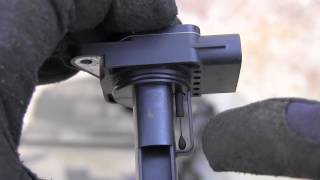
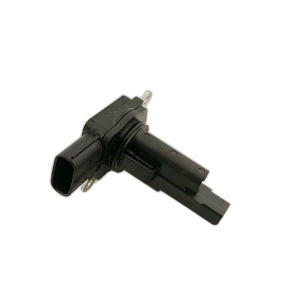
- Dirty or Faulty Mass Airflow (MAF) Sensor 🔴 High Probability The MAF sensor is sensitive and can become contaminated by dirt, debris, or oil, especially if using an aftermarket oiled air filter. This causes it to under-report the amount of air entering the engine, leading the ECM to inject too little fuel.
How to confirm: Inspect the MAF sensor wires for contamination. Monitor MAF sensor readings with an OBD-II scanner; they should increase smoothly with engine RPM. A sluggish or unresponsive sensor during a 'snap throttle' test is a strong indicator of a problem. At warm idle, a healthy 1GR-FE should read around 3-5 g/s.
Typical fix: First, try cleaning the sensor with a dedicated MAF sensor cleaner spray. Do not touch the delicate sensor wires or use other cleaners like brake cleaner. If cleaning doesn't work, the sensor must be replaced, preferably with an OEM Denso unit.
Est. part cost: $10-$15 for cleaner, $80-$150 for a new Denso sensor - Vacuum Leak 🟡 Medium Probability Over time, rubber vacuum hoses can crack, and intake manifold gaskets can become brittle and fail, allowing unmetered air to enter the engine after the MAF sensor. A common source is the intake manifold gasket itself, though not a frequent failure on this platform.
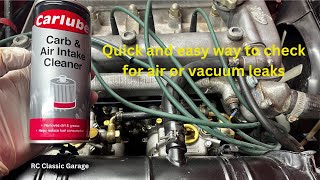
How to confirm: Listen for a hissing sound from the engine bay at idle. A common diagnostic method is to carefully spray short bursts of brake cleaner or use an unlit propane torch around vacuum lines and the intake manifold gasket sealing surfaces with the engine running. If the engine RPM changes, a leak is present in that area. A smoke test is the most definitive and safest way to find a leak.
Typical fix: Replace the cracked vacuum hose or the failed intake manifold gasket. Intake gasket replacement is a moderately difficult DIY job.
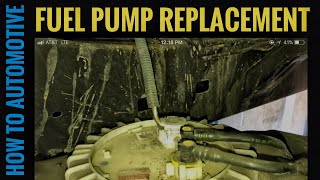
Est. part cost: $10-$50 for hoses, $40-$80 for intake gaskets - Failing Fuel Pump ⚪ Low Probability While not as common as MAF or vacuum issues, a weak fuel pump can fail to deliver adequate fuel pressure, causing a lean condition across both banks. Toyota TSB-0009-23 explicitly links P0171/P0174 with P0087 (Fuel Rail/System Pressure – Too Low), pointing directly to a potential fuel pump or filter issue.
How to confirm: Test the fuel pressure at the fuel rail using a fuel pressure gauge. Compare the reading to the manufacturer's specification (around 42 PSI for the 1GR-FE). A reading below the specified range indicates a fuel delivery problem. Note that Toyota did not include a Schrader valve on the fuel rail, making this test more difficult for a DIYer.
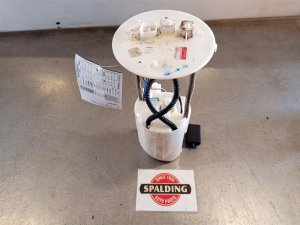
Typical fix: Replace the fuel pump assembly, which is located inside the fuel tank. This often involves dropping the fuel tank or removing the truck bed on platform mates like the Tacoma.
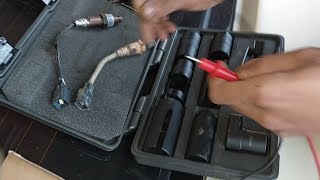
Est. part cost: $200-$400 for an OEM Denso pump - Faulty Air/Fuel Ratio Sensor (Upstream O2 Sensor) ⚪ Low Probability A failing or slow-to-respond Bank 2, Sensor 1 (the sensor before the catalytic converter on the driver's side) can send incorrect data to the ECM, falsely reporting a lean condition. However, the sensor is often replaced unnecessarily when the root cause is a vacuum leak or MAF issue.
How to confirm: Use an OBD-II scanner to graph the sensor's voltage. A healthy sensor will show rapidly fluctuating voltage. A sensor that is slow, stuck, or has a flat-line voltage is faulty.
Typical fix: Replace the Bank 2, Sensor 1 Air/Fuel Ratio sensor. Using an OEM or Denso brand sensor is highly recommended for compatibility and longevity.
Est. part cost: $100-$180
Rare But Worth Checking
- Clogged Fuel Injector(s) on Bank 2: If the lean condition is isolated to one bank and other causes are ruled out, a clogged injector on one of the Bank 2 cylinders could be restricting fuel flow.
- Exhaust Leak Before the A/F Sensor: A crack in the exhaust manifold or a leaking gasket before the primary A/F sensor can allow outside air into the exhaust stream, making the sensor read a false lean condition.
- PCV System Malfunction: A stuck-open PCV valve or a cracked PCV hose can create a significant vacuum leak, leading to lean codes.
Diagnosis Steps

- Read the codes: Use an OBD-II scanner to confirm P0174 and check for any other codes, like P0171 or P0087.
- Check Fuel Trims: Observe the Short-Term (STFT) and Long-Term Fuel Trim (LTFT) values for Bank 2. High positive numbers (e.g., LTFT > +15%) confirm the ECM is adding fuel to correct a lean condition.
- Differentiate Vacuum Leak vs. Fuel Issue: With the engine warm, increase RPM to 2,500. If the fuel trims decrease significantly, a vacuum leak is the likely cause. If they stay high or increase, a fuel delivery problem is more likely.
- Inspect for Vacuum Leaks: Visually inspect all vacuum hoses and the air intake tube for cracks or loose connections. Listen for hissing sounds. Perform a smoke test for the most accurate diagnosis.
- Clean the MAF Sensor: Remove and clean the MAF sensor using a dedicated MAF sensor cleaner. Allow it to dry completely before reinstalling. Do not touch the internal wires.
- Test the MAF Sensor: After cleaning, monitor MAF readings on your scanner. If readings are still erratic or don't respond to throttle changes, the sensor may need replacement.
- Test Fuel Pressure: If lean codes persist (especially if P0087 is present or fuel trims don't drop at higher RPM), connect a fuel pressure gauge to the fuel system and verify the pressure is within Toyota's specifications (approx. 42 PSI).
- Inspect A/F Sensor: If all else fails, graph the Bank 2, Sensor 1 (A/F sensor) voltage to ensure it is responding correctly and not stuck lean.
Parts You'll Likely Need

- Mass Airflow (MAF) Sensor
(OEM #22204-31020)— This is one of the most frequent causes. It gets contaminated easily and provides incorrect air readings to the engine computer.
Trusted brands: Denso (OEM), Hitachi
OEM price range: $120-$180
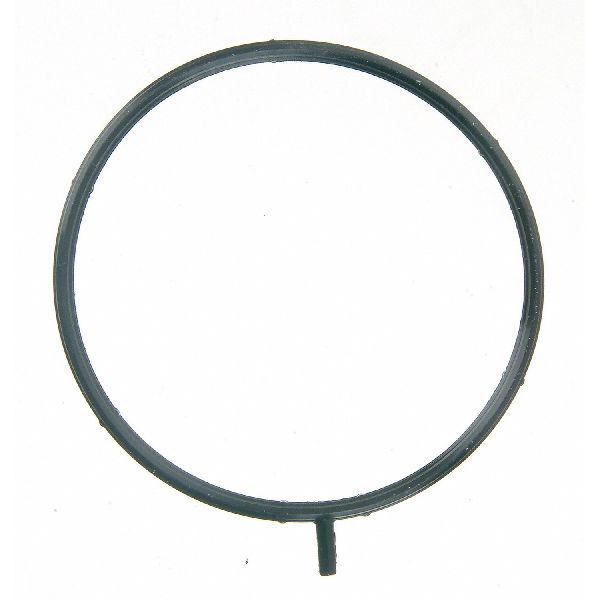
Aftermarket price range: $60-$110 - Intake Manifold Gasket Set (Upper)
(OEM #17176-0P021)— These gaskets can become brittle with age, causing vacuum leaks that allow unmetered air into the engine, a common cause for lean codes. Replacement requires removing the upper intake manifold.
Trusted brands: Fel-Pro, Beck Arnley, Toyota (OEM)
OEM price range: $50-$70
Aftermarket price range: $25-$45 - Air/Fuel Ratio Sensor (Bank 2, Sensor 1)
(OEM #89467-35110)— If the sensor itself fails, it can send incorrect lean signals to the computer. This is the upstream sensor on the driver's side. Denso is the OEM supplier.
Trusted brands: Denso
OEM price range: $150-$200
Aftermarket price range: $100-$150 - Fuel Pump Assembly
(OEM #23221-0P060)— A weak fuel pump causes low fuel pressure, leading to lean conditions, especially when accompanied by code P0087 and hard starting.
Trusted brands: Denso (OEM)
OEM price range: $250-$400
Aftermarket price range: $150-$250
Related Codes That Often Appear With This One
- P0171 — System Too Lean (Bank 1). If both P0171 and P0174 are present, it points to a problem affecting both engine banks, such as the MAF sensor, a large vacuum leak at the intake plenum, or a fuel delivery issue (fuel pump/filter).
- P0087 — Fuel Rail / System Pressure – Too Low. As noted in TSB-0009-23, this code appearing with P0171/P0174 strongly suggests a failing fuel pump or clogged fuel filter.
Technical Service Bulletins (TSBs) & Recalls

- TSB-0009-23 (February 9, 2023): Titled 'Fuel Pump (Loss of Fuel Pressure)', this bulletin directly links hard starts and/or MIL ON with DTCs P0171, P0174, and P0087. It applies to a wide range of 2014-2020 Toyota vehicles, including the 4Runner, and points towards a weak fuel pump as the root cause when these codes appear together.
Platform-Specific Known Issues
- A Toyota Technical Service Bulletin (TSB-0009-23) notes that a hard start condition accompanied by P0171 and/or P0174 may be linked to low fuel pressure (P0087), pointing towards a potential fuel pump issue. [⭐ MANUFACTURER TSB — highest authority]
Helpful Videos



Used OEM Parts in Stock


New Aftermarket Parts Available


The information in this article is provided for general reference and educational purposes only. Vehicle specifications, procedures, and part compatibility can vary by production date, trim level, and region. Always consult your vehicle's factory service manual and verify part numbers before purchasing or performing repairs. Safety-critical components such as airbags, seat belts, and braking systems should be installed by a qualified professional.
- Toyota 4RUNNER:
- 🎬 Helpful Videos
- 🛍️ Shop This Part
- What's Unique About the 2014-2019 Toyota 4RUNNER
- Diagnostic Flowchart
- Symptoms You May Notice
- Most Likely Causes
- Rare But Worth Checking
- Diagnosis Steps
- Parts You'll Likely Need
- Related Codes That Often Appear With This One
- Technical Service Bulletins (TSBs) & Recalls
- Platform-Specific Known Issues
- 🎟️ Get 5% Off