

P0174 on 2017-2021 Nissan NV: System Lean Bank 2 Causes and Fixes
On a 2017-2021 Nissan NV, code P0174 is most often caused by a vacuum leak from a cracked air intake boot or a dirty Mass Airflow (MAF) sensor, issues also common on the related Titan and Armada. If P0174 appears alone, a specific Nissan TSB suggests an ECM reprogram may be the only fix needed.
- Before buying any parts for a P0174 code on a 2017-2021 Nissan NV, first check if it is the *only* code stored. If so, the fix may be a simple ECM reprogram at a dealership per TSB NTB20-009A.
- The two most common physical causes are a cracked air intake hose and a dirty MAF sensor. Inspect the hose carefully and try cleaning the MAF sensor before attempting more complex repairs.
- If both P0171 and P0174 are present, the problem is almost certainly something that affects both engine banks, like the MAF sensor or a vacuum leak.
- Do not immediately replace the oxygen sensor; it is more often the messenger of a lean condition than the cause of it.
What's Unique About the 2017-2021 Nissan NV
For the Nissan NV, this common code comes with platform-specific solutions directly from Nissan. The manufacturer issued a Technical Service Bulletin (NTB20-009A) indicating that if P0174 appears by itself, the fix may be a simple software update for the engine computer, not a faulty part. Another bulletin (NTB19-022) revises the entire diagnostic procedure for lean codes, providing a specific test to confirm if the Air/Fuel sensor is truly faulty before replacing it, helping to prevent misdiagnosis.
Diagnostic Flowchart
Tap your situation to follow the diagnostic path that matches what you're seeing on this vehicle.
Symptoms You May Notice
- Check Engine Light is on
- Rough engine idle
- Hesitation or lack of power during acceleration
- Reduced fuel economy
- Engine misfiring or stumbling
- Stalling at idle in severe cases
- A whistling or hissing sound from the engine bay at idle
- Replacing the oxygen sensor first without checking for vacuum leaks or cleaning the MAF sensor. A bad O2 sensor is a possible cause, but it's less likely than an air leak or MAF issue.
- Replacing the MAF sensor with a cheap aftermarket unit, which may not perform to OEM specifications and can cause the code to return.
Most Likely Causes
- Vacuum Leak (especially cracked air intake boot) 🔴 High Probability The flexible rubber air intake boot located between the MAF sensor and the throttle body is exposed to engine heat and vibration, causing it to become brittle and crack over time, especially in the accordion-like flex sections. This allows unmetered air to enter the engine.
How to confirm: Visually inspect the entire air intake tract for cracks, especially in the accordion sections of the boot. A diagnostic smoke machine is the most effective way to find hidden leaks. A common DIY method is to spray short bursts of brake cleaner or starter fluid near suspected leak points with the engine running; a noticeable change in engine idle indicates a leak has been found. 🎬 Watch: How to find and fix common lean code causes.
Typical fix: Replace the cracked intake boot or other leaking vacuum hose.
Est. part cost: $40-$150 - Dirty or Faulty Mass Airflow (MAF) Sensor 🔴 High Probability Oil from aftermarket air filters and general dirt particles can contaminate the MAF sensor's delicate wires, causing it to inaccurately measure the air entering the engine. This is a very common issue on Nissan trucks and vans. Using cheap, aftermarket MAF sensors is also a known cause of persistent P0171/P0174 codes.
How to confirm: Remove the sensor and inspect for contamination. Cleaning it with a dedicated MAF sensor cleaner is a common first step. If cleaning doesn't work, monitoring sensor data with a scan tool can confirm a fault. If an aftermarket sensor is installed, it is immediately suspect.
Typical fix: Clean the MAF sensor with a specialized cleaner. If the problem persists, replace the sensor with a genuine OEM (Hitachi) part.
Est. part cost: $10 (cleaner) - $250 (sensor) - Engine Control Module (ECM) Software Update Needed 🟡 Medium Probability Nissan TSB NTB20-009A specifically states that if *only* DTC P0174 is stored, the cause may be the ECM logic, and a reprogram is the required fix. This applies to 2017-2021 NV models.
How to confirm: Confirm with a scan tool that P0174 is the only code present. A Nissan dealership or a qualified shop with a CONSULT-III plus tool can check the current ECM software version against the TSB.
Typical fix: Reprogram the ECM to the latest software version.
Est. part cost: $0 (if under warranty) - $200 (shop labor) - Low Fuel Pressure or Delivery Issue ⚪ Low Probability
How to confirm: Connect a fuel pressure gauge to the fuel system and verify the pressure is within the manufacturer's specifications at idle and under load.
Typical fix: Replace the failing fuel pump, clogged fuel filter, or faulty fuel pressure regulator.
Est. part cost: $150-$500 - Faulty Bank 2 Air/Fuel (Oxygen) Sensor ⚪ Low Probability
How to confirm: Use a scan tool to observe the voltage or signal from the Bank 2, Sensor 1 (upstream) O2 sensor. A lazy or stuck sensor will not respond quickly to changes in the air/fuel mixture. TSB NTB19-022 provides a specific, multi-step test procedure involving engine RPM changes to confirm the sensor is faulty before replacement.
Typical fix: Replace the Bank 2 upstream Air/Fuel sensor.
Est. part cost: $80-$220
Rare But Worth Checking
- Leaking Intake Manifold Gaskets: While less common than a cracked intake boot, aged intake manifold gaskets can fail and create a vacuum leak affecting one or both banks. This is a more involved repair.
- Cracked or Disconnected PCV Hose: The PCV system hoses can become brittle and crack, creating a vacuum leak. This is sometimes reported by owners of the related Nissan Frontier with the VQ40DE engine after performing other engine work.
Diagnosis Steps
- Read the fault codes with an OBD-II scanner. Note if P0174 is alone or present with P0171.
- If P0174 is the *only* code, consult Nissan TSB NTB20-009A, as an ECM reprogram may be the fix.
- Perform a thorough visual inspection of the air intake system between the air filter box and the engine, paying close attention to the flexible rubber boot for any cracks or loose clamps.
- Inspect all visible vacuum lines, including the PCV hose and the brake booster hose, for cracks and proper connection.
- Carefully remove and clean the Mass Airflow (MAF) sensor using only dedicated MAF sensor cleaner. Do not touch the sensor elements. 🎬 See how to safely clean your Nissan MAF sensor. Allow it to dry completely before reinstalling.
- If a non-OEM MAF sensor is installed, consider it highly suspect. Many owners have resolved persistent lean codes only by switching back to a genuine Nissan/Hitachi sensor.
- Clear the codes and test drive the vehicle. If the code returns, monitor long-term and short-term fuel trims with a scanner. High positive numbers (+10% or higher) confirm a persistent lean condition.
- If a leak is suspected but not visible, perform a smoke test to pinpoint the source of the unmetered air. Alternatively, carefully spray carb cleaner near suspected leak points and listen for a change in engine idle.
- Test the fuel pressure to ensure the fuel pump and filter are functioning correctly.
- If other causes are ruled out, follow the diagnostic procedure in TSB NTB19-022, which may lead to testing and replacing the Bank 2 upstream A/F (oxygen) sensor.
Parts You'll Likely Need
- Air Intake Duct Hose
(OEM #16576-EZ30C (4.0L V6), 16576-1PD0A (5.6L V8) - Verify with VIN)— This flexible rubber part is the most common source of vacuum leaks that cause P0174 and P0171 codes. It cracks from age and heat.
Trusted brands: Nissan OE, Dorman
OEM price range: $80-$150
Aftermarket price range: $40-$90 - Mass Airflow (MAF) Sensor
(OEM #22680-7S000 (replaces 22680-7S00A, 22680-7S00B))— A dirty or failed MAF sensor is a very common cause of lean codes. Cleaning is often sufficient, but replacement is sometimes necessary. Use of non-OEM parts is a known cause of failure.
Trusted brands: Hitachi (OEM), Nissan OE, Bosch
OEM price range: $200-$300
Aftermarket price range: $70-$180 - Bank 2 Air/Fuel Ratio Sensor (Sensor 1)
(OEM #22693-3RC0A (Varies by engine/year, verify with VIN))— If the sensor itself fails, it can send false lean readings to the ECM. This is usually diagnosed after checking for vacuum leaks and MAF issues, per Nissan's own TSB.
Trusted brands: Denso (OEM), Bosch, NGK/NTK
OEM price range: $150-$240
Aftermarket price range: $80-$150
Related Codes That Often Appear With This One
- P0171 — P0171 is the 'System Too Lean' code for Bank 1. When both P0171 and P0174 appear together, it strongly suggests a problem common to both engine banks, such as a faulty MAF sensor or a major vacuum leak before the intake manifold splits (like the main intake boot). 🎬 Watch this walkthrough for solving P0171 and P0174 codes.
Technical Service Bulletins (TSBs) & Recalls
- NTB20-009A: States that if only DTC P0174 is stored, the ECM should be reprogrammed.
- NTB19-022: Provides revised service and diagnostic information for troubleshooting P0171 and P0174 codes.
Platform-Specific Known Issues
- Per TSB NTB20-009A, some vehicles may set a P0174 code without any physical fault, requiring only an ECM software update to correct the issue.
- Per TSB NTB19-022, Nissan has a revised, specific diagnostic procedure for P0171 and P0174 codes that should be followed for an accurate diagnosis, designed to prevent unnecessary replacement of A/F sensors.
Mechanic-Grade Diagnostic Values
- Fuel Pressure (at fuel rail) — expected: 51 PSI or higher at idle.. Failure: Pressure is significantly below 51 PSI, or drops below 30 PSI within 30 minutes of engine shutoff (indicates a leak or bad check valve).
- Long-Term Fuel Trim (Bank 2) — expected: -5% to +5% at idle on a warm engine.. Failure: Sustained positive values greater than +15%, often reaching the cap of +25% when the code sets.
- Mass Airflow (MAF) Sensor Reading (5.6L V8) — expected: Approximately 4-7 g/s at a stable, warm idle.. Failure: Readings are significantly lower than expected, indicating the sensor is under-reporting airflow, causing the ECM to provide insufficient fuel.
Hidden / Shadow Codes Worth Checking
- P2098 (or other post-catalyst codes): This code for 'Post Catalyst Fuel Trim System Too Lean Bank 2' is not a direct cause, but can be intentionally triggered as a diagnostic confirmation. If it appears after performing the 'A/F Sensor Function Test', it confirms the upstream Bank 2 A/F sensor is faulty. (see via Nissan CONSULT-III plus scan tool during the specific A/F sensor test outlined in service bulletins.)
Scan Tool Commands That Help
- Nissan CONSULT-III plus: A/F Sensor Function Test — Use this per TSB NTB19-022 when a faulty A/F sensor is suspected. It runs the engine at specific RPMs to test the sensor's response and can confirm a failure without replacing a good part.
- Nissan CONSULT-III plus: Power Balance Test — To isolate a problem to a single cylinder on Bank 2. This test deactivates one injector at a time. If disabling an injector causes little to no drop in RPM, it points to a problem with that injector or cylinder, rather than a bank-wide vacuum leak.
- Professional Scan Tool: Clear Self-Learn / Reset Fuel Trims — This should be performed after replacing a component like a MAF sensor, A/F sensor, or fixing a vacuum leak. It forces the ECM to relearn the fuel strategy from a baseline of zero, preventing the old, incorrect learned values from causing the code to return immediately.
Wiring & Ground Locations
- Main Engine Ground — Typically a strap running from the intake manifold to the battery negative terminal or chassis, and another from the cylinder head to the firewall.. A poor ground can cause incorrect readings from sensors on that bank, including the A/F sensor, leading to a false lean code. All sensors rely on a solid ground reference to send an accurate voltage signal to the ECM.
- ECM Connector F10/F11/E16 — Located at the Engine Control Module (ECM), often in the engine bay or behind the dashboard/glove box.. These connectors house the pins for sensor inputs. For example, the MAF sensor signal and ground wires terminate here (e.g., MAF ground to pin 52). Corrosion or a loose pin in these connectors can interrupt the signal and cause P0174.
- MAF Sensor Connector F31 — The harness connector that plugs directly into the Mass Airflow Sensor.. This is a critical connection point. A visual inspection for corrosion on the pins (e.g., Pin 2 for power, Pin 3 for ground) is a key diagnostic step. A bad connection here directly impacts the airflow signal.
Real Owner Repair Stories
- BobIsTheOilGuy forum user (Nissan with VQ-series engine (similar to NV)) — P0171 and P0174 codes present.
❌ Tried (didn't work) Initial visual inspection
✅ What actually fixed it A small, cracked 3-way vacuum hose coupling was found. It was initially overlooked but was the source of the unmetered air affecting both banks. - BobIsTheOilGuy forum user, quoting a mechanic (Toyota with persistent lean codes (demonstrates a common diagnostic trap)) — P0171 and P0174 codes.
❌ Tried (didn't work) Smoke test passed (no vacuum leaks found), Fuel pressure check was good, MAF sensor checked out as good
✅ What actually fixed it The fuel injectors were tested and found to be flowing at only 50% of their specified rate. Replacing the partially clogged injectors resolved the lean condition.
"I Checked Everything" — The Actual Cause
- In cases where a smoke test reveals no vacuum leaks, the MAF sensor has been cleaned, and fuel pressure tests within spec, the root cause can be partially clogged fuel injectors. They may deliver enough fuel to run the engine but not enough to satisfy the ECM's target air/fuel ratio under all conditions, leading to high positive fuel trims and eventually the P0174 code. A 'Power Balance' test or off-vehicle injector flow test can confirm this.
OEM Part Supersession History
22680-7S00A, 22680-7S00B→22680-7S000— Part revision and consolidation by the manufacturer.16576-EZ30B→16576-EZ30C— Updated part from the manufacturer for the air intake duct hose (5.6L V8).
Model Year Variations Within This Range
- 2017-2021: The primary variation is software-based. Per TSB NTB20-009A, vehicles in this range can set a P0174 code with no other faults present due to overly sensitive ECM logic. The fix is a software update, which is the first diagnostic step if P0174 is the only code stored.
Helpful Videos

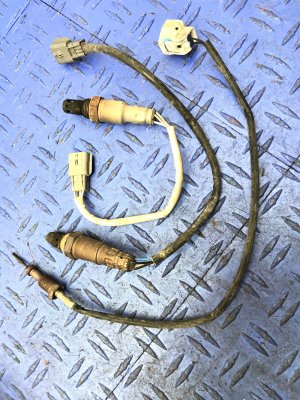
Used OEM Parts in Stock


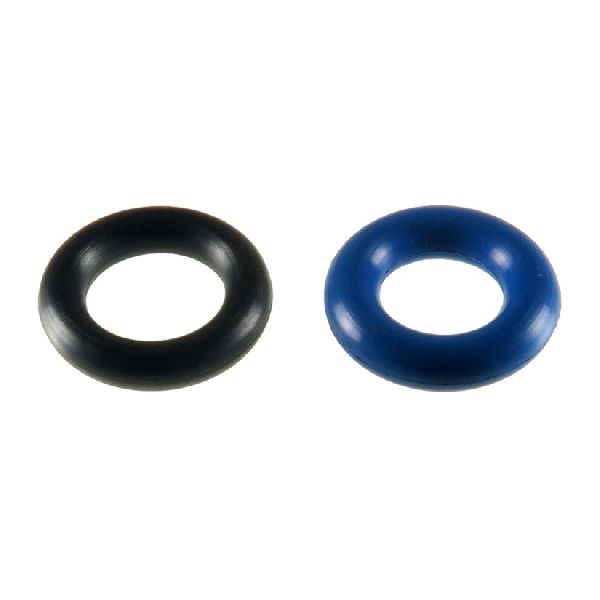
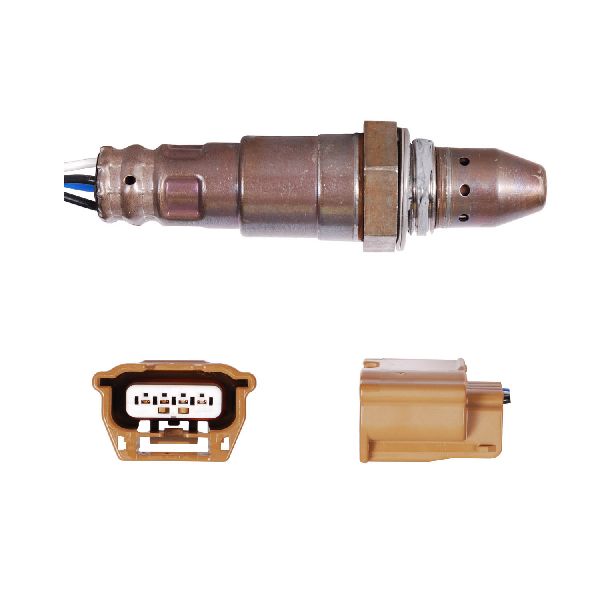
New Aftermarket Parts Available


The information in this article is provided for general reference and educational purposes only. Vehicle specifications, procedures, and part compatibility can vary by production date, trim level, and region. Always consult your vehicle's factory service manual and verify part numbers before purchasing or performing repairs. Safety-critical components such as airbags, seat belts, and braking systems should be installed by a qualified professional.
- Nissan NV:
- 🎬 Helpful Videos
- 🛍️ Shop This Part
- What's Unique About the 2017-2021 Nissan NV
- Diagnostic Flowchart
- Symptoms You May Notice
- Most Likely Causes
- Rare But Worth Checking
- Diagnosis Steps
- Parts You'll Likely Need
- Related Codes That Often Appear With This One
- Technical Service Bulletins (TSBs) & Recalls
- Platform-Specific Known Issues
- Mechanic-Grade Diagnostic Values
- Hidden / Shadow Codes Worth Checking
- Scan Tool Commands That Help
- Wiring & Ground Locations
- Real Owner Repair Stories
- "I Checked Everything" — The Actual Cause
- OEM Part Supersession History
- Model Year Variations Within This Range
- 🎟️ Get 5% Off