

P0174 on 2010-2016 Hyundai Genesis Coupe 3.8L: Lean Bank 2 Causes and Fixes
P0174 on a Genesis Coupe 3.8L most often means there is a vacuum leak from a cracked hose or intake gasket. A thorough inspection for un-metered air leaks, especially with a smoke machine, is the most common fix. Other common causes include a faulty upstream O2 sensor or a dirty MAF sensor on BK1 models. Expect to pay $100-$300 for a professional diagnosis and repair of a simple vacuum leak.
- P0174 means your Genesis Coupe's engine is running lean on the driver's side cylinder bank.
- The most likely cause is a vacuum leak from an old, cracked hose or gasket. Do not buy any parts until you have checked for leaks.
- A smoke test is the most effective way to find a vacuum leak.
- If you have a 2010-2012 (BK1) model, cleaning the MAF sensor is a good, low-cost diagnostic step.
- If vacuum leaks and airflow sensors are ruled out, the next most likely culprit is a failing upstream O2 sensor for Bank 2.
What's Unique About the 2010-2016 Hyundai Genesis Coupe
The 2010-2016 Genesis Coupe 3.8L spans two key engine versions: the 2010-2012 (BK1) with a multi-port fuel injection (MPI) Lambda G6DA engine, and the 2013-2016 (BK2) with a gasoline direct injection (GDI) Lambda G6DJ engine. While both can suffer from common issues like vacuum leaks, the GDI engine in the BK2 models introduces different potential causes, such as issues with the high-pressure fuel system. Furthermore, some forum discussions indicate the BK2 GDI engine uses a Manifold Absolute Pressure (MAP) sensor instead of a Mass Airflow (MAF) sensor, which changes the diagnostic approach for airflow issues. Bank 2 is the driver's side of the engine.
Generation note: This guide covers both the BK1 (2010-2012) and BK2 (2013-2016) generations. The BK1 uses a multi-port injection (MPI) 3.8L V6 (G6DA), while the BK2 uses a gasoline direct injection (GDI) 3.8L V6 (G6DJ). The BK1 typically uses a MAF sensor, while the BK2 may use a MAP sensor, which is a key diagnostic difference. GDI-specific issues like high-pressure fuel system problems or carbon buildup could be more relevant to BK2 models.
Symptoms You May Notice
- Check Engine Light is on
- Rough or unstable idle
- Engine hesitation or stumbling during acceleration
- Reduced fuel economy
- Misfires, which may feel like a shudder
- A whistling or hissing sound from the engine bay, indicating a vacuum leak
- Engine running hotter than usual
- Poor acceleration or loss of power
- Replacing the oxygen sensor without first checking for vacuum leaks. Vacuum leaks are the most common cause, and a new O2 sensor will not fix the problem.
- Replacing the MAF sensor without cleaning it first. Often, the sensor is just dirty and a simple cleaning will restore its function.
- Assuming a single-bank lean code (P0174) is caused by a component that affects both banks, like the MAF sensor or fuel pump, without first thoroughly checking for issues specific to Bank 2, like an intake gasket leak or O2 sensor.
Most Likely Causes
- Vacuum Leak 🔴 High Probability Rubber and plastic components like vacuum hoses, PCV lines, and intake gaskets degrade over time with heat and age, leading to cracks and leaks. The intake manifold gasket is a frequently cited point of failure for a single-bank lean code.
How to confirm: Perform a visual inspection of all vacuum lines and the air intake hose for visible cracks or disconnections. The most effective method is to use a smoke machine to introduce smoke into the intake system and watch for where it escapes. Alternatively, you can carefully spray carburetor cleaner or brake cleaner around suspected leak points (like the intake manifold gasket) with the engine running and listen for a change in engine RPM, which indicates the flammable spray is being sucked in. Watching live fuel trim data while spraying can also confirm a leak.
Typical fix: Replace the cracked hose, intake boot, or faulty gasket. The intake manifold gasket for Bank 2 is a common replacement part for this code.
Est. part cost: $10-$150 - Dirty or Faulty Mass Airflow (MAF) Sensor 🟡 Medium Probability Applies primarily to the BK1 (2010-2012) models. The MAF sensor can become contaminated with dirt, oil, or debris, especially if an oiled aftermarket air filter is used. This causes it to inaccurately measure the amount of air entering the engine.
How to confirm: Remove the MAF sensor and clean it with a dedicated MAF sensor cleaner spray. Do not use carb or brake cleaner, and do not touch the delicate sensor wires. If cleaning doesn't resolve the issue, the sensor's output can be monitored with an advanced scan tool to see if its readings are plausible for the given engine speed and load.
Typical fix: Clean the MAF sensor. If cleaning fails, replace the sensor.
Est. part cost: $70-$200 - Faulty Upstream Oxygen (O2) Sensor 🟡 Medium Probability O2 sensors are wear items and have a finite lifespan, typically needing replacement after 60,000-90,000 miles. A slow or failing sensor can send incorrect data to the ECM, causing it to believe the engine is running lean when it isn't.
How to confirm: Use a scan tool to graph the voltage of the Bank 2, Sensor 1 (the upstream sensor). A healthy sensor will show rapidly fluctuating voltage between approximately 0.1V and 0.9V. A lazy or dead sensor will have slow or no voltage changes. A definitive test is to swap the Bank 1 and Bank 2 upstream sensors and see if the code changes to P0171 (Lean Bank 1). If it does, the sensor is faulty.
Typical fix: Replace the Bank 2 upstream oxygen sensor.
Est. part cost: $60-$180 - Low Fuel Pressure / Clogged Fuel System ⚪ Low Probability A weak fuel pump or a clogged fuel filter can restrict fuel flow, preventing the injectors from supplying enough fuel to maintain the proper air-fuel ratio. While less common for a single-bank code, it can't be ruled out. Some owners have reported fixing lean codes by replacing the fuel pump.
How to confirm: Connect a fuel pressure gauge to the fuel rail and check if the pressure is within the manufacturer's specifications (typically 45-65 PSI at idle for MPI systems). For GDI models (BK2), this is more complex as it involves a high-pressure system and may require a scan tool to monitor the high-pressure fuel system data.
Typical fix: Replace the failing fuel pump or clogged fuel filter.
Est. part cost: $50-$400
Rare But Worth Checking
- Clogged Fuel Injector on Bank 2: If the lean condition is isolated to Bank 2 and all air leaks have been ruled out, one or more injectors on that bank could be clogged and not delivering enough fuel. This is more likely on higher mileage vehicles.
- Exhaust Leak Before the O2 Sensor: A crack in the exhaust manifold or a leaking gasket before the upstream O2 sensor can allow outside air to be pulled into the exhaust stream. The O2 sensor will detect this extra oxygen and incorrectly report a lean condition.
- PCV System Fault: A stuck open PCV valve or a cracked PCV hose can create a significant vacuum leak, leading to a lean condition.
Diagnosis Steps
- Check for any other stored trouble codes. If P0171 is also present, focus on causes that affect both banks.
- Using a scan tool, observe the Long-Term Fuel Trim (LTFT) for Bank 2. It will be significantly positive (e.g., +15% or higher). Compare it to Bank 1, which should be closer to 0%.
- Thoroughly inspect the engine bay for obvious signs of a vacuum leak, such as cracked, disconnected, or collapsed rubber hoses, and a cracked air intake tube.
- Perform a smoke test on the intake system. This is the most reliable way to find hard-to-see vacuum leaks around the intake manifold gaskets and small hoses. Pay close attention to the Bank 2 side of the intake manifold.
- If you have a BK1 (2010-2012), locate and clean the Mass Airflow (MAF) sensor using a dedicated cleaner. Re-evaluate fuel trims after cleaning.
- Test the fuel pressure to ensure the fuel pump and filter are providing adequate fuel volume and pressure.
- With a scan tool, monitor the live data from the Bank 2 upstream O2 sensor. If it appears lazy or stuck, consider swapping it with the Bank 1 sensor to see if the problem follows the sensor to Bank 1 (triggering a P0171).
- If all else fails, investigate for a pre-O2 sensor exhaust leak or consider having the fuel injectors on Bank 2 professionally cleaned and tested.
Parts You'll Likely Need
- Intake Manifold Gasket Set
(OEM #28411-3C612 (LH/Bank 2 for BK1 MPI), 28411-3C710 (LH/Bank 2 for BK2 GDI))— A leaking intake manifold gasket is a very common cause of a lean code on one bank. Bank 2 is the left-hand (LH) side.
Trusted brands: Hyundai OEM, Fel-Pro, Mahle, Victor Reinz
OEM price range: $30-$50
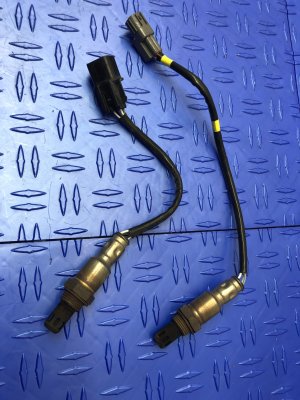
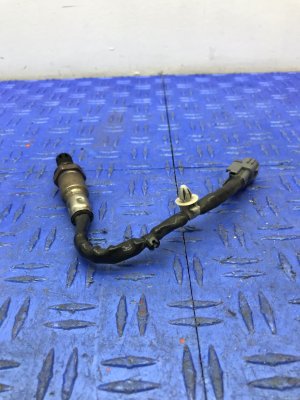
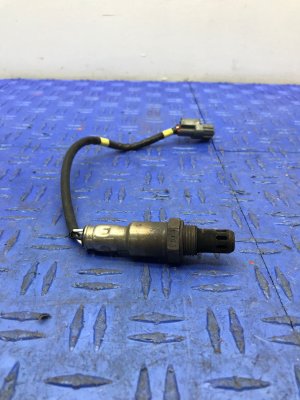
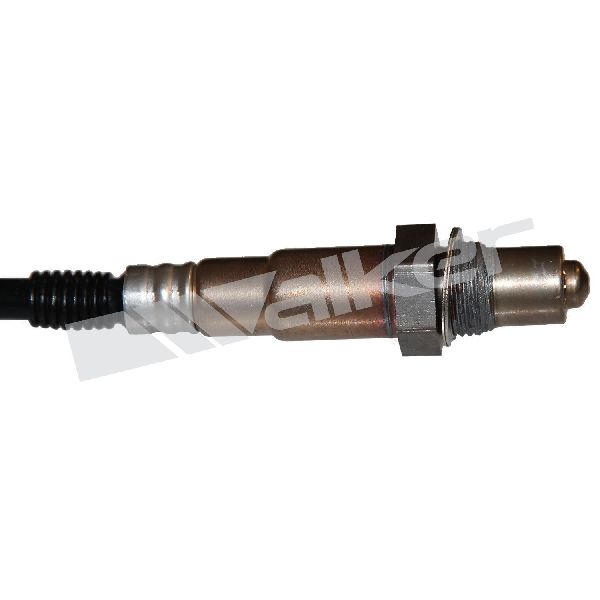
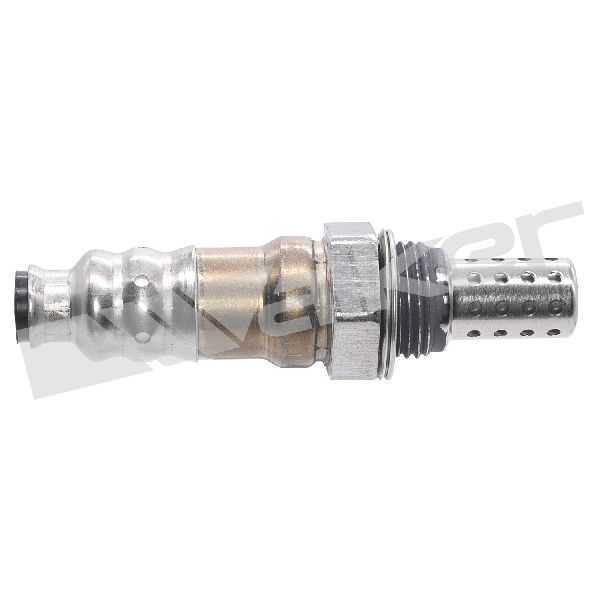
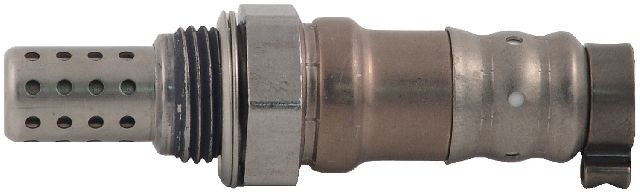
Aftermarket price range: $20-$40 - Upstream Oxygen Sensor (Bank 2, Sensor 1)
(OEM #39210-3C920 (for BK1 2010-2012))— If the sensor is old or has failed, it will give false lean readings. It's a common wear-and-tear item. Bank 2 is the driver's side, and Sensor 1 is upstream (before the catalytic converter).
Trusted brands: Hyundai OEM, Denso (234-4458), Bosch, NGK/NTK (25223)
OEM price range: $120-$200
Aftermarket price range: $60-$150 - Vacuum Hose — Rubber hoses are the most common source of vacuum leaks. Replacing a cracked or brittle hose is a simple and inexpensive fix.
Trusted brands: Hyundai OEM, Gates, Continental
OEM price range: $15-$50
Aftermarket price range: $5-$25 - Mass Airflow (MAF) Sensor
(OEM #28164-3C100 (for BK1 3.8L))— Applies to BK1 (2010-2012) models. If cleaning the sensor doesn't resolve the issue, replacement is the next step. A faulty MAF will under-report airflow, causing a lean condition.
Trusted brands: Hyundai OEM, Delphi, NGK, Beck/Arnley
OEM price range: $150-$250
Aftermarket price range: $70-$200
Related Codes That Often Appear With This One
- P0171 — If P0171 (System Too Lean Bank 1) is also present, it strongly suggests a problem common to both cylinder banks, such as a major vacuum leak after the throttle body, a faulty MAF/MAP sensor, or low fuel pressure.
- P0300-P0306 — Misfire codes (P0300 for random, P0302, P0304, P0306 for Bank 2 cylinders) can occur because a lean mixture may not ignite properly.
Platform-Specific Known Issues
- Intake Manifold Gasket Leak: A leak in the intake manifold gasket specific to the Bank 2 runners is a highly probable cause for an isolated P0174 code. A smoke test is the best way to confirm this. The OEM part numbers for the left (Bank 2) gasket are 28411-3C612 for the BK1 MPI engine and 28411-3C710 for the BK2 GDI engine.
Mechanic-Grade Diagnostic Values
- Long-Term Fuel Trim (LTFT) Threshold — expected: Close to 0% (+/- 5%). Failure: The PCM sets P0174 when the long-term fuel trim average exceeds +1.2 (or +20%) for a sustained period while the short-term trim is also adding fuel (average > 0.8). Values of +20% to +35% are common when the code is active.
- Low-Pressure Fuel Pump (BK1 MPI) — expected: Minimum Pressure: 87 PSI, Maximum Pressure: 130.5 PSI. Failure: Pressure significantly below the minimum specification indicates a weak fuel pump or clogged filter, which could cause a lean condition.
- High-Pressure Fuel Pump (BK2 GDI) — expected: Idle: ~500-700 PSI, Wide Open Throttle: ~1800-2200 PSI (These are typical GDI values, specific Hyundai specs are not readily available). Failure: Pressure that does not rise significantly with engine RPM and load, or is consistently low, points to a failing HPFP.
- Fuel Injector Resistance (BK1 MPI) — expected: Approximately 13.8 - 15.2 Ohms (Typical for high-impedance injectors, specific Hyundai value not found). Failure: An injector with resistance far outside this range, or an open/short circuit, is faulty and could cause a lean condition on one bank.
Wiring & Ground Locations
- GE01, GE03, GE04 — Various points in the engine compartment. GE01 is on the left front, GE03 and GE04 are on the left side of the engine compartment.. The ECM and critical sensors like the O2 sensors rely on clean, solid ground connections to provide accurate readings. A corroded or loose engine ground can introduce voltage offsets, potentially causing the O2 sensor to send faulty data that mimics a lean condition.
- ECM Ground — The ECM itself is located in the left rear of the engine compartment. It has a dedicated ground wire that is often bundled with the main harness.. A poor ground at the ECM itself can corrupt all sensor inputs and calculation outputs, leading to a variety of phantom codes, including fuel trim issues.
- Bank 2 O2 Sensor Connector — Located on the driver's side of the engine, tracing the wire up from the upstream O2 sensor on the exhaust manifold.. This is the primary connection point for testing the O2 sensor signal and heater circuit. Corrosion or damage to the pins in this connector can cause the sensor to report incorrectly, leading to a P0174 code.
Real Owner Repair Stories
- Reddit user on /r/GXOR (for a similar V6 engine with both P0171 & P0174) (Lexus GX (V6 Engine)) — Terrible gas mileage (10-11 MPG), engine stumbling at certain RPMs under acceleration, and persistent P0171/P0174 codes.
❌ Tried (didn't work) Clearing codes (they would return on the next drive cycle), Likely other common fixes like MAF cleaning, as the user mentioned chasing the 'dragon for a long time' and wishing they had done a fuel pressure test sooner.
✅ What actually fixed it Replacing the fuel pump. The user confirmed that long-term fuel trims were 'through the roof' (above 35%) before the fix and that the new pump resolved the codes and improved mileage to 15-16 MPG. - Reddit user on /r/automobil (2010 Hyundai Genesis Coupe 3.8L with 135,000km) — Check Engine Light (P0174) came on during a high-speed (150km/h) drive on the Autobahn. The light returned after being reset under similar driving conditions.
❌ Tried (didn't work) Resetting the code.
✅ What actually fixed it The thread concluded with the user being advised that the most likely cause was a vacuum leak (false air) or a failing fuel pump, and they were planning to start searching for leaks. This represents a typical diagnostic starting point. - NHTSA ODI #10548755 (Hyundai Owner) — An owner reported a persistent "Bank 1 and Bank 2 System Too Lean" condition involving codes P0174 and P0171, noting it as a common problem where mechanics and dealers checked various possible causes without finding an immediate exact solution.
"I Checked Everything" — The Actual Cause
- In cases where both P0171 and P0174 are present and a smoke test reveals no vacuum leaks, the root cause is often related to fuel delivery. A weak fuel pump may provide enough fuel at idle but fail to keep up with demand under load, causing both banks to run lean. A fuel pressure test is the definitive diagnostic step in this scenario.
OEM Part Supersession History
39210-3C920→This part number is listed as discontinued by multiple Hyundai parts dealers. A compatible replacement from an OEM supplier like Denso or NTK is the recommended path.— End of life for the specific part number, likely replaced by a newer revision or consolidated with another part.
Model Year Variations Within This Range
- 2010-2012 (BK1) vs 2013-2016 (BK2): The intake manifolds and their corresponding gaskets are different. The BK1 (MPI) uses rubber gaskets that sit in grooves, while the BK2 (GDI) uses multi-layer steel (MLS) gaskets on a flat surface. They are not interchangeable.
- 2010-2012 (BK1) vs 2013-2016 (BK2): The BK1 3.8L engine uses a Mass Airflow (MAF) sensor to measure incoming air. The BK2 3.8L engine uses a Manifold Absolute Pressure (MAP) sensor-based system. This fundamentally changes the diagnosis of air metering faults.
- 2013-2016 (BK2): The BK2 features a Gasoline Direct Injection (GDI) fuel system, which includes a high-pressure fuel pump (HPFP) in addition to the in-tank low-pressure pump. A failing HPFP can cause lean codes, a component not present on the BK1.
Diagnostic Flowchart
Other Known Issues on This Vehicle
Issues unrelated to this code that are worth knowing about as an owner of this generation:
- Manual Transmission Second Gear Lockout/Grind 🟠 Medium — Common issue, especially on BK1 models. Often occurs during high-RPM shifts from 1st to 2nd. Can be mitigated with better transmission fluid, upgraded mounts, or a short shifter.
- Water Leaks into Trunk/Taillights 🟡 Low — A frequently reported problem where taillight gaskets fail, allowing water to pool in the trunk's spare tire well. Can lead to mold or electrical issues if not addressed.
- Interior Chrome Finish Peeling 🟡 Low — The chrome finish on interior plastic pieces like door handles, steering wheel trim, and cupholder rings is known to flake and peel over time.
- Timing Chain System Wear 🔴 High — While not as common as on other platforms, wear on timing chain guides and tensioners can occur at higher mileage (100k+ miles), potentially leading to timing-related engine codes (like P0011, P0021, etc.) or catastrophic failure if ignored. Proper oil maintenance is critical.
- Sunroof Track Failure 🟠 Medium — Some owners report the plastic tracks for the sunroof breaking, preventing it from opening or closing properly.
Used vs. New Parts: Buying Guide for This Vehicle
When a used part is the smart pick: For this repair, used parts are generally not recommended for sensors or wear items. A used intake manifold could be a cost-effective option if the original is cracked, but it should be thoroughly inspected.
Donor-vehicle mileage cap: roughly under 80000 miles for the part to have meaningful remaining life.
What to inspect on the donor part:
- For an intake manifold, check for any hairline cracks, especially around mounting points and gasket surfaces.
- Ensure all threaded inserts are intact and not stripped.
- Verify it comes from a vehicle that was not in a front-end collision.
OEM-only on this vehicle (don't cheap out):
- Intake Manifold Gaskets: While aftermarket is available, the cost savings are minimal and OEM gaskets often provide the best fit and material quality to prevent a repeat repair.
- High-Pressure Fuel Pump (BK2): Given the complexity and precision of GDI systems, using an OEM or a top-tier OEM supplier part is critical for reliability.
Aftermarket brands forum-validated for this vehicle:
- Oxygen Sensors: Denso and NGK/NTK are often the original equipment manufacturers for Hyundai and are highly recommended for fit and performance.
- Mass Airflow Sensor (BK1): Delphi, NGK, and Beck/Arnley are reputable brands with a good track record for MAF sensors.
Brands owners have reported issues with on this vehicle:
- Unbranded/No-Name Sensors: Avoid generic, unbranded oxygen or MAF sensors from online marketplaces. They frequently have high failure rates, inaccurate readings, and can cause more diagnostic headaches than they solve.
Real Owner Stories
Aggregated from forums and TSBs cited above. Mileages and costs reflect what owners reported in those sources.
2010 Hyundai Genesis Coupe 3.8L V6
Symptoms: Check engine light appeared specifically during high-speed driving on the Autobahn.
What fixed it: The owner was advised to check the MAF sensor, O2 sensor, and look for vacuum leaks.
Source hint: German Reddit thread on P0174 after high-speed driving
2010 Hyundai Genesis Coupe 3.8L V6
Symptoms: Check engine light is on; confirmed code P0174 indicating Bank 2 is running lean.
What fixed it: Discussion focused on identifying the lean condition on Bank 2.
Source hint: Reddit thread discussing P0174 on a 2010 3.8L
Hyundai Diagnostic Struggle
Symptoms: Persistent P0174 and P0171 codes indicating both banks are lean.
What fixed it: According to NHTSA ODI #10548755, this is a common issue where multiple mechanics and dealers may check the standard list of possible problems without finding an exact solution immediately.
Source hint: NHTSA ODI #10548755
Related OBD-II Codes
Frequently Asked Questions
Which intake manifold gasket part number do I need for my 2011 BK1 3.8L to fix a P0174 code?
I have a 2014 BK2 Genesis Coupe; is the intake gasket the same as the earlier models?
Can I use any cleaner to fix the MAF sensor on my 2010 Genesis Coupe?
How can I tell if the P0174 code is caused by a bad O2 sensor or a vacuum leak on my 3.8L?
Is the MAF sensor a common failure point for all Genesis Coupe years?
What fuel pressure should I see on my 3.8L MPI system when diagnosing a lean condition?
Helpful Videos
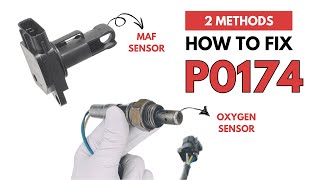
Used OEM Parts in Stock

New Aftermarket Parts Available



The information in this article is provided for general reference and educational purposes only. Vehicle specifications, procedures, and part compatibility can vary by production date, trim level, and region. Always consult your vehicle's factory service manual and verify part numbers before purchasing or performing repairs. Safety-critical components such as airbags, seat belts, and braking systems should be installed by a qualified professional.
- Hyundai Genesis Coupe:
- 🎬 Helpful Videos
- 🛍️ Shop This Part
- What's Unique About the 2010-2016 Hyundai Genesis Coupe
- Symptoms You May Notice
- Most Likely Causes
- Rare But Worth Checking
- Diagnosis Steps
- Parts You'll Likely Need
- Related Codes That Often Appear With This One
- Platform-Specific Known Issues
- Mechanic-Grade Diagnostic Values
- Wiring & Ground Locations
- Real Owner Repair Stories
- "I Checked Everything" — The Actual Cause
- OEM Part Supersession History
- Model Year Variations Within This Range
- Diagnostic Flowchart
- Other Known Issues on This Vehicle
- Used vs. New Parts: Buying Guide for This Vehicle
- Real Owner Stories
- 2010 Hyundai Genesis Coupe 3.8L V6
- 2010 Hyundai Genesis Coupe 3.8L V6
- Hyundai Diagnostic Struggle
- Related OBD-II Codes
- Frequently Asked Questions
- 🎟️ Get 5% Off