

P0174 on 2015-2017 GMC Yukon: System Too Lean (Bank 2) Causes and Fixes
P0174 on a 2015-2017 Yukon most often points to a vacuum leak from a failed intake manifold gasket or a dirty/faulty Mass Airflow (MAF) sensor. Another common cause is a manufacturing defect in the air filter housing near the MAF sensor, as noted in a GM TSB. Replacing the intake gaskets costs around $20-$50 in parts and is a common DIY fix for this platform.
- P0174 means the passenger side of your engine is running with too much air or not enough fuel.
- The most likely causes on a 2015-2017 Yukon are a vacuum leak from the intake manifold gaskets or a problem with the Mass Air Flow (MAF) sensor.
- Before replacing any parts, try cleaning the MAF sensor with a dedicated cleaner and check for obvious vacuum leaks.
- If both P0171 and P0174 are present, the problem almost certainly affects the whole engine, pointing strongly to the MAF sensor or a large vacuum leak.
- Do not immediately replace the O2 sensor; it is usually just reporting the problem correctly.
What's Unique About the 2015-2017 Gmc YUKON
For the 2015-2017 GMC Yukon, the EcoTec3 V8 engines are known for a few specific issues that directly cause the P0174 code. Beyond typical vacuum leaks, GM has issued Technical Service Bulletins (TSBs) pointing to manufacturing defects like casting flash in the MAF sensor housing (TSB #PIP5446A) and sensitivity to high ethanol content in fuel (TSB #PIP5227). Leaking intake manifold gaskets are also a very frequent failure point on these engines, often causing this code along with P0171 for the opposite bank. This issue is common across the entire K2XX platform.
Diagnostic Flowchart
Tap your situation to follow the diagnostic path that matches what you're seeing on this vehicle.
Symptoms You May Notice
- Check Engine Light is on
- Rough or unstable idle
- Hesitation or sputtering during acceleration
- Reduced engine power
- Harsh shifting between 1st, 2nd, and 3rd gears (as noted in TSB #PIP5446A)
- Decreased fuel economy
- Hissing sound from the engine bay, indicating a vacuum leak
- Replacing the oxygen (O2) sensor. The O2 sensor is usually what detects the lean condition and triggers the code. It's often doing its job correctly, and the root cause is an air leak or fuel delivery issue upstream. Replacing the sensor will not fix the underlying problem.
Most Likely Causes
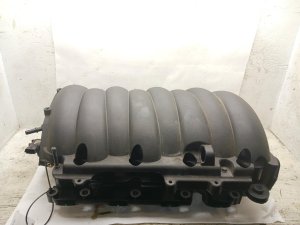
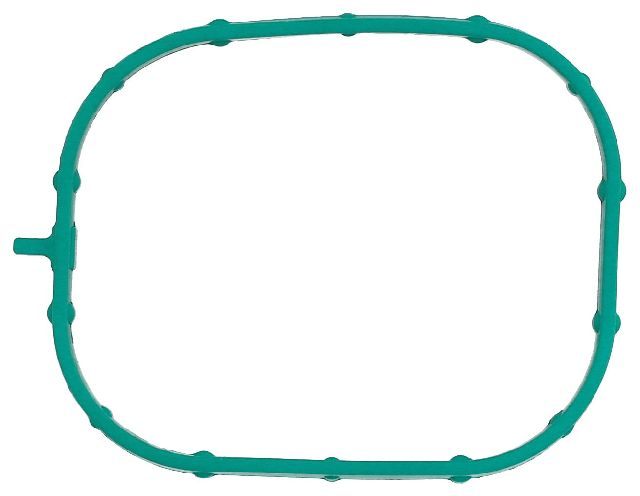
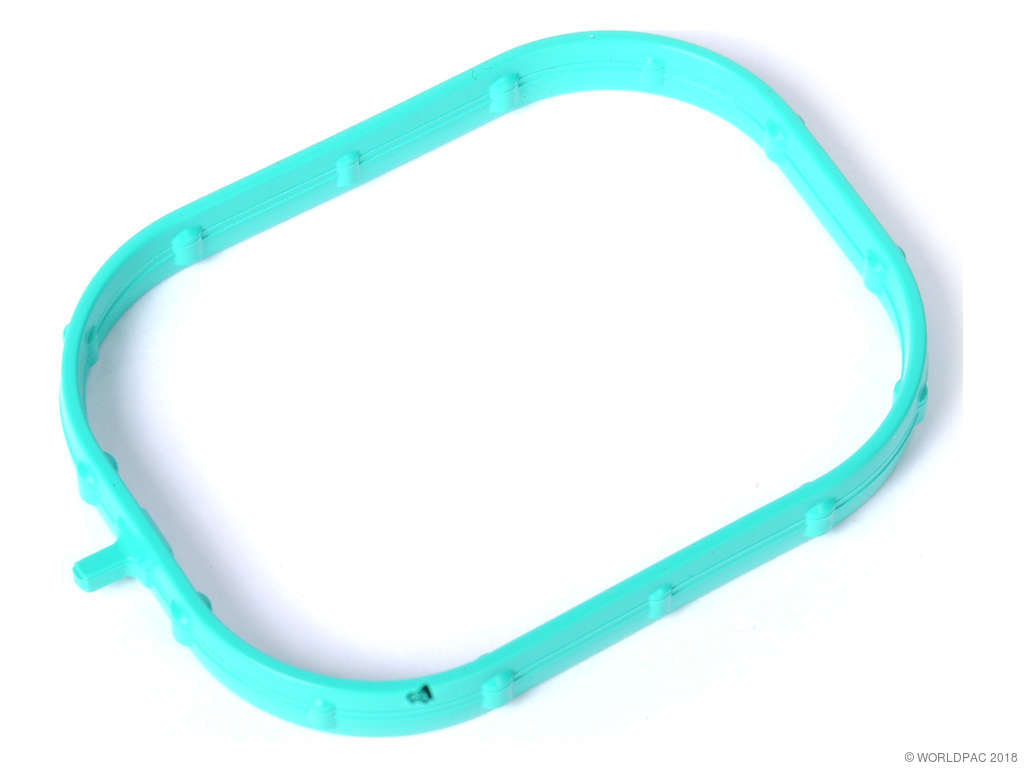
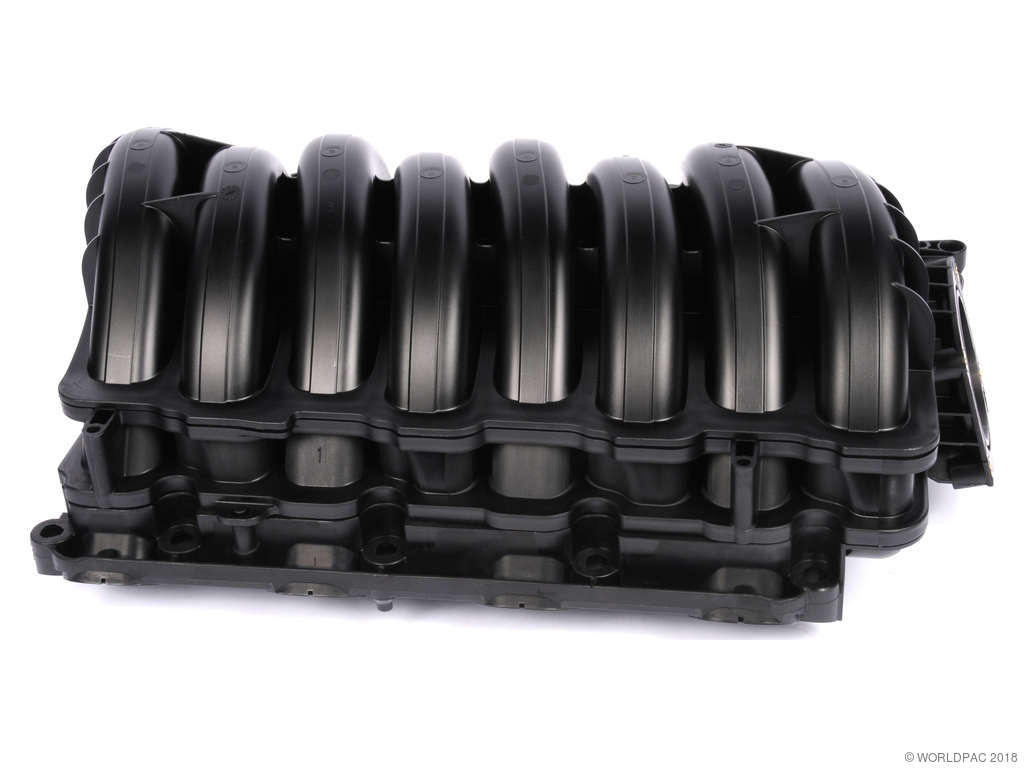
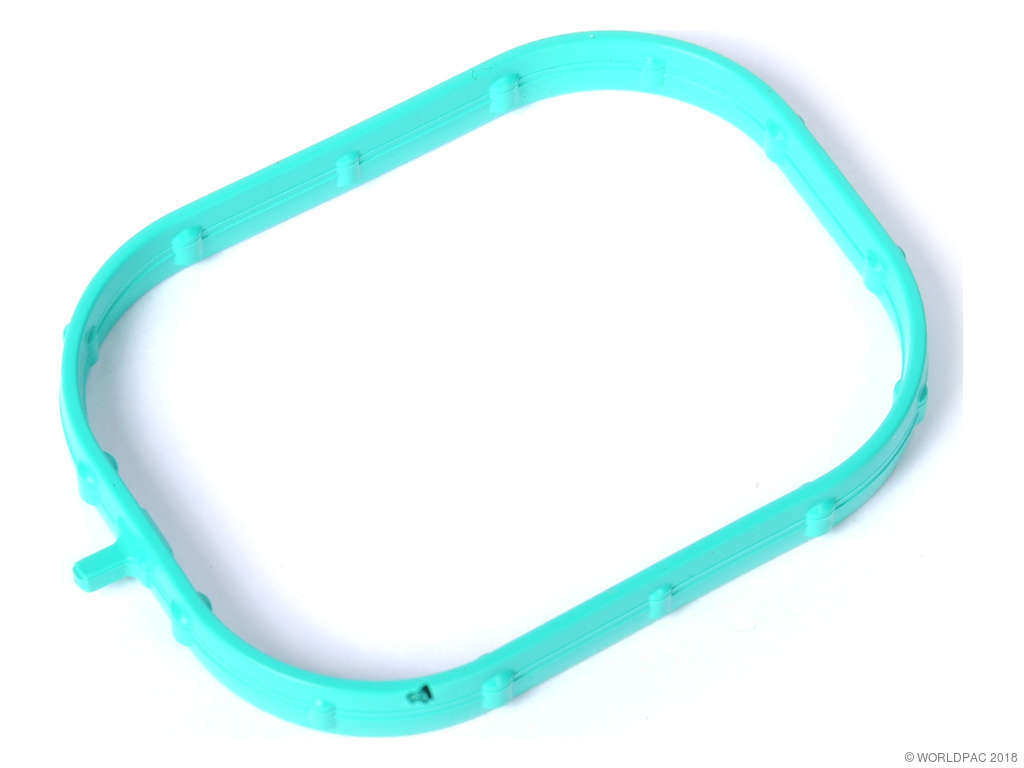
- Leaking Intake Manifold Gaskets 🔴 High Probability The gaskets on the 5.3L and 6.2L EcoTec3 engines are a known failure point, where the plastic carrier can degrade from heat cycles, allowing unmetered air to enter the intake ports and cause a lean condition. This is a very common issue on the K2XX platform.
How to confirm: With the engine running, carefully spray short bursts of brake cleaner, starting fluid, or a water mist around the intake manifold where it meets the cylinder heads. If the engine idle changes or stumbles, a leak is present. A smoke test is a more definitive way to confirm the leak's location. High positive fuel trims at idle that decrease as RPMs increase are a strong indicator of a vacuum leak.
Typical fix: Replace the intake manifold gaskets. Many owners and mechanics recommend using an upgraded aftermarket gasket set with a metal frame, like those from Fel-Pro, for improved durability.
Est. part cost: $20-$50 - Dirty or Faulty Mass Air Flow (MAF) Sensor 🔴 High Probability The MAF sensor measures the air entering the engine. If it's dirty from oil (especially from aftermarket oiled air filters) or debris, it can under-report airflow, causing the ECM to command too little fuel. TSB #PIP5446A specifically notes that excess casting flash (a manufacturing defect) in the air filter housing can disrupt airflow across the sensor and trigger P0174 along with P0101.
How to confirm: First, try cleaning the sensor's delicate wires with a dedicated MAF sensor cleaner spray. Do not touch the wires. Inspect the MAF housing and air filter lid for any physical abnormalities or casting flash as described in the TSB. If cleaning doesn't resolve the issue, the sensor may need replacement.
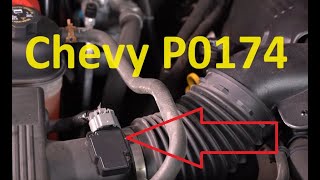
Typical fix: Clean the MAF sensor and inspect the air filter housing. If flashing is found, the air filter housing lid should be replaced. If the problem persists or the sensor is faulty, replace the MAF sensor assembly. 🎬 Watch: How to clean or replace your Yukon's MAF sensor
Est. part cost: $70-$165 - High Ethanol Content in Fuel 🟡 Medium Probability TSB #PIP5227 specifically calls out this issue. If the fuel has an ethanol content over 10% (and the vehicle is not a designated Flex Fuel model or the fuel system isn't compensating correctly), it can cause a lean condition.
How to confirm: This is difficult to confirm without a fuel alcohol content tester. A practical first step is to run the current tank of gas low and refill with high-quality gasoline from a different, top-tier station.
Typical fix: Use fuel with the recommended ethanol content (typically E10 or less). If the problem persists, the vehicle's alcohol sensor or fuel composition programming may need to be checked by a professional.
Est. part cost: $0 (cost of different fuel) - Leaking PCV Hoses or System 🟡 Medium Probability The PCV (Positive Crankcase Ventilation) system routes unburned gases back into the intake. The plastic hoses and their connections can become cracked, brittle, or disconnected over time, creating a vacuum leak. TSBs on similar platforms point to the PCV tube rubbing against the engine cover, causing a hole.
How to confirm: Visually inspect all PCV hoses and their connection points at the valve covers and intake manifold for cracks, looseness, or damage. A hissing sound is a common clue. A smoke test is also very effective at finding these leaks.
Typical fix: Replace the cracked or broken PCV hose(s). This is typically an inexpensive and simple repair.
Est. part cost: $15-$40
Rare But Worth Checking
- Weak Fuel Pump or Clogged Fuel Filter: While less common than vacuum leaks or MAF issues, low fuel pressure can prevent enough fuel from reaching the injectors, causing a lean condition. One owner reported this issue only appeared when the fuel tank was below half full, as the pump was overheating. This should be investigated if other causes are ruled out.
- Exhaust Leak Before the Oxygen Sensor: A crack in the exhaust manifold or a leaking gasket before the upstream O2 sensor on Bank 2 can allow outside air into the exhaust stream. This fools the sensor into thinking the engine is running lean, causing it to add unnecessary fuel.
- Broken/Uncapped Vacuum Nipple on Intake Manifold: In at least one documented case, a plastic nipple on the intake manifold was accidentally broken off during another repair (oil pressure sensor replacement), creating a significant vacuum leak that caused P0171 and P0174.
Diagnosis Steps
- Check for other codes: Use an OBD-II scanner to see if P0174 is accompanied by other codes like P0171 or P0101, which can help narrow down the cause.
- Inspect for obvious vacuum leaks: Visually check the air intake tube between the air filter and throttle body for cracks or loose clamps. Inspect all visible vacuum and PCV hoses for cracks or disconnection, listening for a hissing sound with the engine running.
- Check Fuel Trims: Use a capable OBD-II scanner to view live data for Short-Term (STFT) and Long-Term Fuel Trims (LTFT). High positive numbers (e.g., >10% and climbing to 25% or more) on Bank 2 confirm the ECM is adding fuel to correct a lean condition. If trims are high at idle but normalize at higher RPM (e.g., 2500 RPM), a vacuum leak is the most likely cause.
- Clean the Mass Air Flow (MAF) Sensor: Disconnect and remove the MAF sensor. Spray the delicate wire elements with a dedicated MAF sensor cleaner. Do not touch the wires. While removed, inspect the air filter housing lid for casting flash near the sensor opening. Reinstall and see if fuel trims improve.
- Test for Intake Manifold Gasket Leaks: With the engine idling, carefully spray carb cleaner, brake cleaner, or a water mist around the intake manifold gaskets. If the engine's RPM changes or the fuel trims react instantly, you've found a leak.
- Perform a Smoke Test: If a leak is suspected but not found, a smoke test is the most reliable method. This involves feeding pressurized smoke into the intake system to reveal any leaks from gaskets, hoses, or hidden cracks.
- Check Fuel Pressure: Connect a fuel pressure gauge to the fuel rail's test port. The pressure should be within GM's specifications for your engine (typically 55-62 PSI for these models). Low pressure could indicate a weak fuel pump or clogged filter.
- Consider Fuel Quality: If you recently filled up with gas, especially from an unfamiliar station, consider the possibility of high ethanol content or poor quality fuel as noted in TSB #PIP5227.
Parts You'll Likely Need
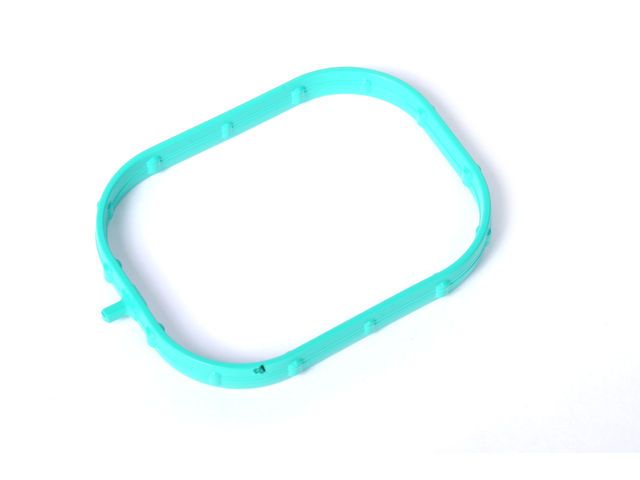
- Intake Manifold Gasket Set
(OEM #12626354 (Superseded by 12679529))— This is one of the most common failure points on 2015-2017 GM V8s leading to unmetered air and a P0174 code. The original plastic design is prone to cracking.
Trusted brands: ACDelco (OEM), Fel-Pro (Often recommen
Related Codes That Often Appear With This One
- P0171 — This is the identical 'System Too Lean' code but for Bank 1 (driver's side). When both P0171 and P0174 appear together, it strongly suggests a problem that affects the entire engine, such as a faulty MAF sensor, a major vacuum leak on the intake plenum (like the intake gaskets), or a fuel delivery issue.
- P0101 — This code indicates a problem with the Mass Air Flow (MAF) sensor circuit performance. It often appears with P0174 if the MAF sensor is dirty, faulty, or affected by the housing issue described in TSB #PIP5446A.
- P0300 — This is a 'Random/Multiple Cylinder Misfire' code. A severe lean condition can prevent proper combustion, leading to misfires across one or more cylinders.
Technical Service Bulletins (TSBs) & Recalls
- PIP5446A: Addresses rough idle, harsh shifting, and lean/rich codes (P0171, P0174, etc.) caused by excessive casting flash in the air filter housing near the MAF sensor.
- PIP5227: Notes that high ethanol content in fuel (over 10%) can trigger lean codes P0171 and P0174.
Platform-Specific Known Issues
- TSB #PIP5446: A technical service bulletin notes that rough idle, harsh shifting, and lean codes (P0171/P0174) can be caused by casting flash near the Mass Air Flow sensor, which disrupts airflow readings.
- TSB #PIP5227: This bulletin warns that fuel with an ethanol content over 10% can trigger lean codes P0171 and P0174 on non-Flex Fuel vehicles or if the system fails to adapt.
Mechanic-Grade Diagnostic Values
- Fuel Pressure (Key On, Engine Off) — expected: 55-62 PSI. Failure: Pressure below 55 PSI, or pressure that bleeds off quickly, indicates a weak fuel pump or leak.
- Mass Airflow (MAF) Sensor Reading at Idle (Warm Engine) — expected: 4.0-6.0 g/s for 5.3L; 6.0-8.0 g/s for 6.2L. Failure: Readings significantly lower than expected suggest unmetered air (vacuum leak) is entering the engine after the MAF sensor.
- Long Term Fuel Trim (LTFT) at Idle — expected: -10% to +10%. Failure: Sustained readings above +15% confirm a lean condition; the code often sets when combined STFT and LTFT exceed +25%.
- Upstream O2 Sensor (Bank 2, Sensor 1) Voltage — expected: Fluctuating rapidly between ~100mV and ~900mV. Failure: Voltage that is consistently low (e.g., < 200mV) indicates the sensor is detecting excess oxygen, confirming a lean mixture.
Scan Tool Commands That Help
- GDS2 (GM Dealer Scan Tool): Fuel Trim Reset — After replacing a component that affects the air/fuel mixture (e.g., MAF sensor, intake gaskets, fuel injectors), this command should be used to clear the long-term learned values. This forces the ECM to relearn fuel strategy immediately and helps verify the repair was successful.
- GDS2 (GM Dealer Scan Tool): Injector Balance Test — If a single bank lean code persists after checking for vacuum leaks, this test can help identify a clogged or weak fuel injector on Bank 2 by measuring the pressure drop for each injector individually.
Wiring & Ground Locations
- G110 — On the rear of the passenger side (Bank 2) cylinder head.. A poor ground connection at this location can cause erratic readings from sensors on Bank 2, potentially contributing to incorrect fuel calculations.
- G103 — On the front of the driver's side (Bank 1) cylinder head.. This is a primary engine control ground. While on Bank 1, a poor connection here can cause global issues that may manifest as codes on one or both banks.
- Engine Harness Chafe Point — Driver's side of the engine bay, where the main harness may contact the ECM/TCM bracket, upper control arm, or shock tower.. Chafing can damage wires for critical sensors like the MAF or O2 sensors, leading to incorrect signals and lean codes. GM has issued service information regarding this issue.
Real Owner Repair Stories
- tahoeyukonforum.com user report (2015 Yukon XL) — P0171 and P0174 codes present.
❌ Tried (didn't work) Cleaning the MAF sensor, Replacing the MAF sensor, Spraying brake cleaner around the intake (no change in idle)
✅ What actually fixed it A smoke test revealed a significant leak from the intake manifold gaskets. Replacing the gaskets with the updated ACDelco part (12679529) resolved both codes. - gm-trucks.com user report (2016 Silverado 5.3L (mechanically similar)) — P0174 code, rough idle.
❌ Tried (didn't work) Cleaning MAF sensor
✅ What actually fixed it Found a small, hard-to-see crack in the plastic PCV tube where it connects to the intake manifold. Replacing the PCV hose assembly fixed the lean code. - Reddit user report (2015 Sierra 6.2L (mechanically similar)) — Persistent P0171 and P0174 codes for several months.
❌ Tried (didn't work) Replacing intake manifold gaskets, Replacing MAF sensor
✅ What actually fixed it The final fix was replacing the entire air filter housing assembly (the airbox lid). A hairline crack had developed on the 'clean' side of the airbox, allowing unmetered air to be drawn in, which was not visible during a casual inspection.
"I Checked Everything" — The Actual Cause
- An internal diaphragm leak in the power brake booster can cause a lean condition that a smoke test will not find. The check valve on the booster's vacuum line prevents smoke from entering. This type of leak often becomes more apparent when the brakes are applied, causing a momentary spike in fuel trims or a change in idle.
- A failing fuel pump that provides intermittently low pressure, especially when the fuel level is low or under heavy engine load, can cause lean codes. The issue may not be present during a static fuel pressure test at idle in a service bay. Monitoring fuel pressure while driving is required to identify this.
OEM Part Supersession History
12626354→12679529— The original intake manifold gasket set used a plastic carrier frame that was prone to becoming brittle and cracking from engine heat cycles. The updated part features a more durable design to prevent premature failure.
Helpful Videos
Used OEM Parts in Stock
New Aftermarket Parts Available


The information in this article is provided for general reference and educational purposes only. Vehicle specifications, procedures, and part compatibility can vary by production date, trim level, and region. Always consult your vehicle's factory service manual and verify part numbers before purchasing or performing repairs. Safety-critical components such as airbags, seat belts, and braking systems should be installed by a qualified professional.
- Gmc YUKON:
- 🎬 Helpful Videos
- 🛍️ Shop This Part
- What's Unique About the 2015-2017 Gmc YUKON
- Diagnostic Flowchart
- Symptoms You May Notice
- Most Likely Causes
- Rare But Worth Checking
- Diagnosis Steps
- Parts You'll Likely Need
- Related Codes That Often Appear With This One
- Technical Service Bulletins (TSBs) & Recalls
- Platform-Specific Known Issues
- Mechanic-Grade Diagnostic Values
- Scan Tool Commands That Help
- Wiring & Ground Locations
- Real Owner Repair Stories
- "I Checked Everything" — The Actual Cause
- OEM Part Supersession History
- 🎟️ Get 5% Off