

P0174 on 2007-2011 GMC Sierra Denali: Lean Bank 2 Causes & Fixes
Code P0174 on your Sierra Denali most often points to a vacuum leak. Before buying parts, inspect the PCV tube on the driver's side of the engine for cracks or a loose fit, a common and inexpensive fix confirmed by GM Technical Service Bulletin PIP5341. If the PCV tube is intact, the next most likely cause is a leaking intake manifold gasket, another known issue on this platform.
- P0174 on a 2007-2011 Sierra Denali means the driver's side of the engine has too much air or not enough fuel.
- The most common cause is a vacuum leak. Start your diagnosis by inspecting the PCV tube on the driver's side of the intake manifold for cracks, as this is a known issue documented by GM.
- The second most common cause is a leaking intake manifold gasket, a frequent problem on these engines.
- Before replacing any parts, clean the Mass Airflow (MAF) sensor with a dedicated cleaner.
- Do not replace the oxygen (O2) sensor as a first step; it is usually just reporting the problem accurately.
What's Unique About the 2007-2011 Gmc SIERRA DENALI
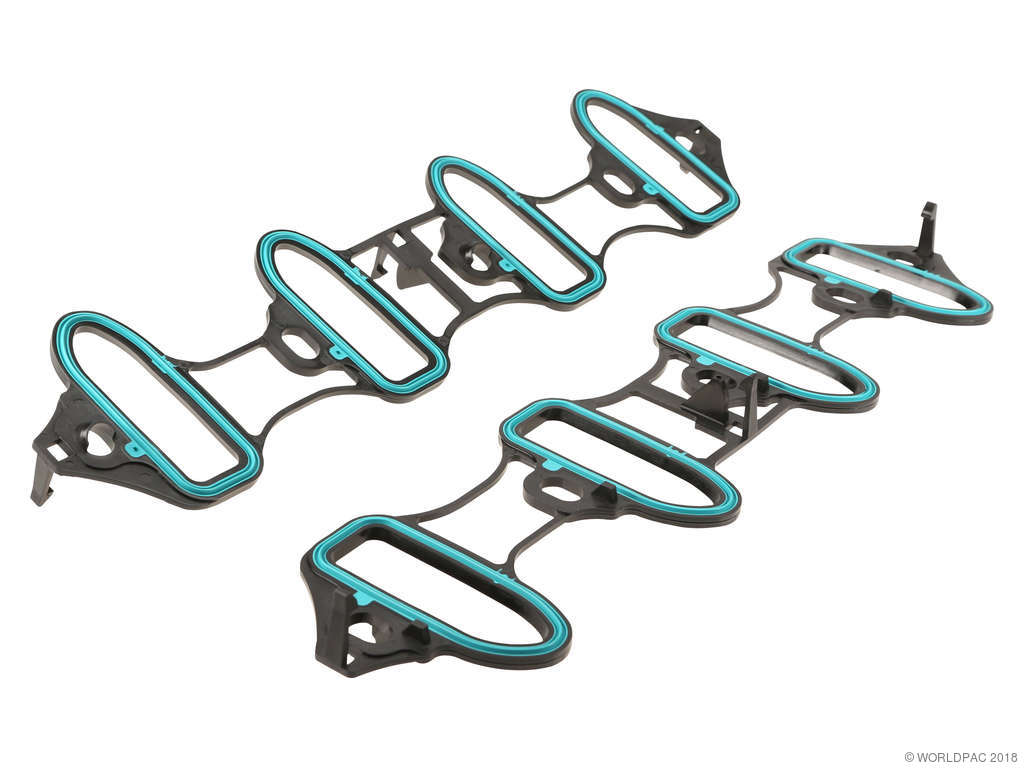
On the GMT900 platform, which includes the 2007-2011 Sierra Denali, the V8 engines are well-known for two specific issues that directly cause the P0174 code. A GM Technical Service Bulletin (TSB PIP5341) points directly to a PCV tube that rubs against the engine cover and fails, creating a vacuum leak. Additionally, the original intake manifold gaskets feature a plastic carrier that is prone to hardening, cracking, and deforming from heat cycles, causing a vacuum leak that often presents or worsens when the weather gets cold.
Diagnostic Flowchart
Tap your situation to follow the diagnostic path that matches what you're seeing on this vehicle.
Symptoms You May Notice
- Check Engine Light is on
- Rough or unstable idle, sometimes worse in cold weather
- Hesitation or stumbling during acceleration
- Reduced fuel economy
- Engine misfires, which may trigger a P0300 code
- Surging during acceleration
- Engine knocking or pinging noises
- Replacing the Bank 2 Oxygen Sensor. The O2 sensor is usually doing its job correctly by reporting the lean condition. The problem is almost always unmetered air (a vacuum leak) or a fuel delivery/MAF issue, not the sensor itself. Always diagnose vacuum leaks and MAF issues first. 🎬 Watch: A mechanic's guide to diagnosing these lean codes.
Most Likely Causes
- Cracked or Disconnected PCV Tube 🔴 High Probability A widely documented issue covered by GM Technical Service Bulletin PIP5341 identifies that the engine cover can rub a hole through the 'dirty air' PCV tube on the left (driver's) side of the intake manifold. This creates a significant vacuum leak that often triggers both P0171 and P0174.
How to confirm: Visually inspect the PCV hose that runs from the driver-side valve cover to the intake manifold, especially at the rear near the firewall where it can contact the engine cover. Check for cracks, soft/gummy spots, or a loose fit. A hissing sound may be audible with the engine running. A smoke test is the most definitive diagnostic method.
Typical fix: Replace the damaged PCV tube/hose assembly. The TSB recommends covering the new tube with conduit to protect it from future damage. This is typically a simple, tool-free repair.
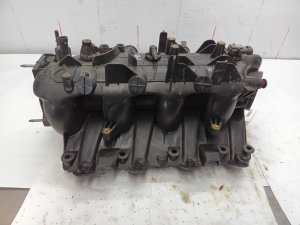
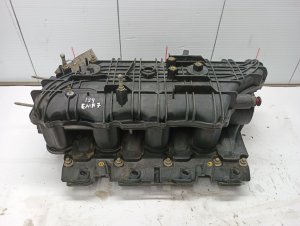
Est. part cost: $20-$50 - Leaking Intake Manifold Gaskets 🔴 High Probability The original intake manifold gaskets on these GM V8 engines use a plastic frame that is known to degrade, shrink, and crack from repeated heat cycles and exposure to fuel. This allows unmetered air to enter the intake ports. The problem is often more noticeable in cold weather as the plastic contracts.
How to confirm: With the engine running, carefully spray short bursts of brake cleaner or unlit propane around the area where the intake manifold meets the cylinder heads. If the engine's idle speed changes or stumbles, a leak is present. A professional smoke test is the most reliable method to confirm and pinpoint the leak.
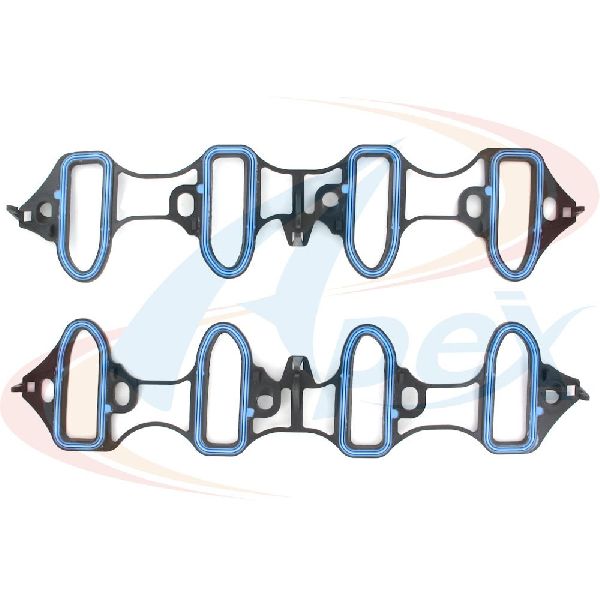
Typical fix: Replace the intake manifold gaskets. It is highly recommended to use the updated gasket design (e.g., Fel-Pro MS96587) which uses a more durable metal or improved polymer carrier instead of the original failure-prone plastic. 🎬 Watch: Step-by-step guide to replacing your intake manifold gaskets.
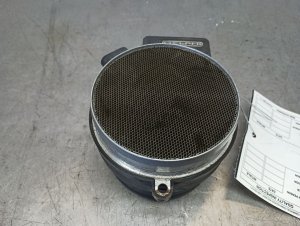
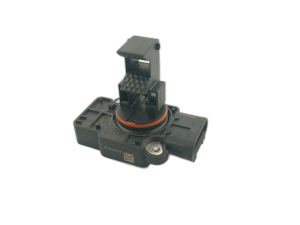
Est. part cost: $40-$80 - Dirty or Faulty Mass Airflow (MAF) Sensor 🟡 Medium Probability Oil from aftermarket air filters or fine debris can contaminate the MAF sensor's hot wire, causing it to under-report the amount of air entering the engine. This leads the computer to command an incorrect, lean fuel mixture. A failing sensor can also provide skewed readings without setting a specific MAF code.
How to confirm: Remove the sensor and visually inspect the small wires for dirt or debris. A scan tool showing abnormally low grams/second airflow at idle (for a 5.3L/6.2L, it should be around 5 g/s when warm) is another indicator. Cleaning the sensor is a primary diagnostic step.
Typical fix: Clean the sensor using only dedicated MAF sensor cleaner. Do not use brake or carburetor cleaner, as they can damage the sensitive components. If cleaning does not resolve the issue, the sensor may need to be replaced.
Est. part cost: $10 (cleaner) - $150 (new sensor)
Rare But Worth Checking
- Weak Fuel Pump or Clogged Fuel Filter: While possible, a fuel delivery issue would typically cause a lean condition on both engine banks, triggering both P0171 and P0174. A failing check valve in the pump can also cause long crank times. Some owners have resolved lean codes by replacing the fuel pump after exhausting vacuum leak possibilities.
- Exhaust Leak Before Oxygen Sensor: A crack in the exhaust manifold or a failed gasket can allow outside air into the exhaust stream. This fools the O2 sensor into reporting a lean condition, even if the air/fuel mixture in the cylinder is correct.
- Flex Fuel Sensor Malfunction: On E85-compatible models, a faulty flex fuel sensor can incorrectly report a high alcohol content in the fuel. The ECM will then adjust fuel trims for E85 (which requires more fuel), but if the tank contains regular gasoline, it can lead to a lean condition. This is a known issue on GMT900 trucks.
Diagnosis Steps
- Check for other stored trouble codes that could provide more clues. P0171 appearing alongside P0174 strongly suggests a shared vacuum leak.
- Use a scan tool to observe Long-Term Fuel Trim (LTFT) for both banks. High positive numbers (e.g., +15% to +25%) confirm the computer is adding fuel to correct a lean condition.
- Visually inspect the entire air intake system, from the air filter housing to the throttle body, for any loose clamps, disconnected hoses, or cracks.
- Specifically inspect the PCV tube on the driver's side of the intake manifold for cracks, softness, or loose connections, as per TSB PIP5341. Pay close attention to the rear of the tube where it may rub on the engine cover.
- To pinpoint a vacuum leak, carefully spray short bursts of brake cleaner or unlit propane around the intake manifold gaskets and vacuum hose connections with the engine running. A change in engine RPM or a drop in fuel trims on the scan tool indicates the location of the leak.
- Perform a smoke test. This is the most effective way to find hard-to-see leaks from the intake gaskets, PCV system, or other vacuum lines.
- Remove and clean the Mass Airflow (MAF) sensor using only dedicated MAF sensor cleaner. Inspect the air filter at the same time.
- If no vacuum leaks are found, investigate the fuel system. Check fuel pressure at the fuel rail with a gauge to ensure the pump is providing adequate pressure (compare to spec). A pressure drop after shutdown could indicate a bad check valve in the pump.
Parts You'll Likely Need
- PCV Valve Hose / Tube
(OEM #12597774)— This is the most likely failure point according to GM's own service bulletin (PIP5341) for causing P0171/P0174 codes on this vehicle.
Trusted brands: ACDelco, Dorman
OEM price range: $25-$40
Aftermarket price range: $15-$30 - Intake Manifold Gasket Set
(OEM #Fel-Pro MS96587 (Improved Design))— These gaskets are a very common failure item on GM V8s of this era, leading to vacuum leaks that cause lean codes. The Fel-Pro MS96587 is a popular upgraded replacement.
Trusted brands: Fel-Pro (recommended upgrade), ACDelco
OEM price range: $50-$80
Aftermarket price range: $40-$60 - Mass Airflow (MAF) Sensor Cleaner — Cleaning the MAF sensor is a crucial, low-cost diagnostic step before considering replacement of any parts.
Trusted brands: CRC, WD-40 Specialist
OEM price range: $10-$15
Aftermarket price range: $10-$15
Related Codes That Often Appear With This One
- P0171 — System Too Lean (Bank 1). When both P0171 and P0174 are present, it strongly indicates a vacuum leak that affects the entire engine, such as the intake manifold gaskets, a large PCV system leak, or a faulty MAF sensor.
- P0101 — Mass Air Flow (MAF) Circuit Range/Performance. This code can appear with lean codes when the MAF sensor is dirty or failing, or if there is a significant air leak between the sensor and the throttle body.
- P0300 — Random/Multiple Cylinder Misfire. A severe lean condition can prevent proper combustion, leading to misfires across multiple cylinders, especially at idle.
Technical Service Bulletins (TSBs) & Recalls
- PIP5341: Addresses engine running and idling rough with codes P0171 and/or P0174.
Platform-Specific Known Issues
- The engine cover can rub a hole in the PCV tube located at the left rear of the intake manifold, causing a vacuum leak and setting P0171 and/or P0174.
- The original plastic-carrier intake manifold gaskets are a known weak point, frequently causing vacuum leaks that are more pronounced in cold temperatures as the materials contract.
Mechanic-Grade Diagnostic Values
- Long-Term Fuel Trim (LTFT) at idle — expected: Close to 0% (+/- 10%). Failure: Sustained positive values of +15% or higher, with the code often setting when trims exceed +25%.
- Mass Airflow (MAF) Sensor Reading at warm idle — expected: Approximately equal to engine displacement in liters. For the 6.2L V8, this is ~6.2 grams/second (g/s).. Failure: A reading significantly lower than expected (e.g., 3-5 g/s) combined with high positive fuel trims strongly suggests unmetered air (a vacuum leak) is entering the engine after the MAF sensor.
- Fuel Pressure at the rail (Key On, Engine Off) — expected: Typically 55-62 PSI for this platform.. Failure: Pressure below 50 PSI indicates a potential weak fuel pump, clogged filter, or faulty regulator. A rapid drop in pressure after the pump primes can indicate a bad check valve in the fuel pump assembly.
- Short-Term Fuel Trim (STFT) while pressing brake pedal — expected: Minimal change.. Failure: A sharp, significant spike in STFT (e.g., climbing rapidly towards +25% or higher) when the brake pedal is depressed indicates a vacuum leak in the brake booster or its check valve.
Scan Tool Commands That Help
- Tech2 / GDS2 or equivalent: Monitor Fuel Trim Data while isolating vacuum circuits — To diagnose a vacuum leak after a visual inspection is inconclusive. While watching live fuel trim data, a technician can pinch off individual vacuum hoses (like the one to the brake booster or EVAP purge solenoid). If pinching a hose causes the high positive fuel trims to drop suddenly toward 0%, the leak is in that circuit.
Wiring & Ground Locations
- G104 — On the front of the left (driver's side) cylinder head.. This is a primary engine ground. A poor connection here can cause erratic behavior from sensors and the ECM, potentially leading to incorrect readings and lean codes.
- G107 — On the top left rear of the engine.. Another critical engine block ground for the main engine harness. A compromised ground here can affect multiple systems, including those that influence fuel calculations.
- Engine Harness Chafe Point — On the driver's side, inspect the main engine harness for contact with the metal ECM/TCM bracket and the upper control arm/shock tower bolt area.. Chafing can damage wires for critical sensors like the MAF or O2 sensors, leading to intermittent or false signals that can cause lean codes.
Real Owner Repair Stories
- YouTube Channel 'Flat Rate Mechanic' (Chevy/GMC Truck with P0171 & P0174) — Check Engine Light with both P0171 and P0174 codes, indicating a lean condition on both banks.
❌ Tried (didn't work) Checked for vacuum leaks (none found), Checked fuel pressure (was good), Inspected PCV system (no issues), Checked brake booster for leaks (none found), Performed a snap throttle test on the MAF sensor
✅ What actually fixed it Replacing the Mass Airflow (MAF) sensor. Even though the sensor was not visibly dirty and passed some initial tests, it was providing incorrect data. After replacement, the short-term fuel trims immediately went negative to compensate for the high long-term trims, and the technician confirmed the long-term trims would then normalize back to near 0%, resolving the lean condition.
"I Checked Everything" — The Actual Cause
- A leaking brake booster diaphragm or check valve. A standard intake smoke test will not pressurize the brake booster, so the leak will be missed. This unmetered air enters the intake manifold via the booster's vacuum hose, causing a lean condition. This can be diagnosed by listening for a hiss or by watching fuel trims spike when the brake pedal is pressed.
- A hairline crack in the top of the fuel pump module flange. This allows unmetered air into the fuel tank, which is then drawn into the engine via the EVAP purge valve. This acts as a vacuum leak that is not part of the intake manifold, so a smoke test of the intake will come back clean. A separate EVAP system smoke test is required to find this type of leak.
OEM Part Supersession History
12597774 (PCV Tube)→12597774 (with material/manufacturing updates)— GM regularly updates production and service parts to integrate new materials and technologies for improved durability.
Heads up: While the part number may remain the same, it is crucial to source from reputable suppliers to ensure you receive the latest revision, as older stock may still have the original, less durable composition.
Model Year Variations Within This Range
- 2007-2008: These model years were typically equipped with the 6.2L L92 V8 engine, which does not have Flex Fuel (E85) capability. Therefore, a faulty Flex Fuel sensor is not a possible cause for P0174 on these specific years.
- 2009-2011: These model years were equipped with the 6.2L L9H V8, which added Flex Fuel capability. This introduces the Flex Fuel sensor as a potential, though rare, cause for the P0174 code if it fails and incorrectly reports high ethanol content to the ECM.
- 2011: An updated valve cover design was reportedly implemented starting in February 2011 to help with PCV-related oil consumption issues. Vehicles built after this date may have a more robust factory PCV system, though failures can still occur.
Helpful Videos
Used OEM Parts in Stock


New Aftermarket Parts Available


The information in this article is provided for general reference and educational purposes only. Vehicle specifications, procedures, and part compatibility can vary by production date, trim level, and region. Always consult your vehicle's factory service manual and verify part numbers before purchasing or performing repairs. Safety-critical components such as airbags, seat belts, and braking systems should be installed by a qualified professional.
- Gmc SIERRA DENALI:
- 🎬 Helpful Videos
- 🛍️ Shop This Part
- What's Unique About the 2007-2011 Gmc SIERRA DENALI
- Diagnostic Flowchart
- Symptoms You May Notice
- Most Likely Causes
- Rare But Worth Checking
- Diagnosis Steps
- Parts You'll Likely Need
- Related Codes That Often Appear With This One
- Technical Service Bulletins (TSBs) & Recalls
- Platform-Specific Known Issues
- Mechanic-Grade Diagnostic Values
- Scan Tool Commands That Help
- Wiring & Ground Locations
- Real Owner Repair Stories
- "I Checked Everything" — The Actual Cause
- OEM Part Supersession History
- Model Year Variations Within This Range
- 🎟️ Get 5% Off