

P0174 on 2017-2022 GMC Canyon 3.6L V6: System Too Lean Bank 2 Causes and Fixes
For a 2017-2022 GMC Canyon with the 3.6L V6, code P0174 is most often caused by a vacuum leak or the need for an ECM software update per GM Technical Service Bulletins. Check for a cracked air intake duct (GM Part #84535596) and ask a dealer about TSB #21-NA-105 before replacing parts.
- For the 2017-2022 GMC Canyon 3.6L, P0174 is often caused by a software issue; always check for TSBs with a dealer first.
- This code only applies to the 3.6L V6 engine, as it indicates a problem on Bank 2 (driver's side).
- The most common physical faults are vacuum leaks from the air intake duct, PCV system/valve cover, or intake manifold gaskets.
- A smoke test is the most effective way to diagnose and pinpoint the location of a vacuum leak.
- Do not replace the oxygen sensor as a first step; it is usually correctly reporting a lean condition caused by another component.
What's Unique About the 2017-2022 Gmc CANYON

What's unique about the P0174 code on the 2017-2022 GMC Canyon 3.6L is that General Motors has officially acknowledged a software issue as a primary cause. Multiple Technical Service Bulletins (TSBs) have been released, advising that an ECM re-calibration can resolve the lean condition, especially on low-mileage vehicles (under 3,000 miles). This is a distinct departure from the typical causes like vacuum leaks or bad sensors, making a trip to the dealer for a potential software update a crucial first diagnostic step. Additionally, the air intake duct on this platform is a known weak point that frequently cracks, causing these specific codes.
Diagnostic Flowchart
Tap your situation to follow the diagnostic path that matches what you're seeing on this vehicle.
Symptoms You May Notice
- Check Engine Light illuminated
- Rough idle or surging idle
- Hesitation or stumbling during acceleration
- Reduced engine power
- Poor fuel economy
- Hissing or whistling noises from the engine bay
- OnStar/MyGMC app notification to "Service your emissions system"
- Replacing the oxygen sensor without first checking for vacuum leaks or applicable TSBs. The O2 sensor is often correctly reporting a problem caused by something else, most commonly an air leak.
- Overlooking a simple disconnected PCV hose or loose oil cap after recent service.
Most Likely Causes

- ECM Software Calibration 🔴 High Probability GM has issued TSBs #21-NA-105 and #22-NA-171 specifically for this issue on this platform, indicating a known software anomaly that can falsely trigger lean codes, sometimes on very low mileage vehicles.
How to confirm: Contact a GMC dealership with your vehicle's VIN to see if the TSBs apply and if the software update has been performed. This is often the first step dealers take after a visual inspection.
Typical fix: Reprogramming the Engine Control Module (ECM) with the latest software. This is a dealer-only procedure.
Est. part cost: $0 (if under warranty) - $150 (dealer labor) - Vacuum Leak (Cracked Air Intake Duct) 🔴 High Probability The factory air cleaner outlet duct (part of the engine cover assembly) is made of a plastic/rubber material that is known to crack at its flexible bellows or seams, creating a significant unmetered air leak. TSB #22-NA-171 specifically points to this failed intake boot as a primary cause to inspect.
How to confirm: Perform a close visual inspection of the entire air duct, flexing the rubber bellows to reveal hidden cracks. The most effective method is to use a smoke machine to introduce smoke into the intake (with the engine off) and watch for where it escapes. TSB #22-NA-171 advises NOT to remove the engine cover during the smoke test.
Typical fix: Replace the cracked air cleaner outlet duct. The GM Part is #84535596, which supersedes previous part numbers 84165133 and 84548065.
Est. part cost: $80-$200 - Failed PCV System / Valve Cover 🟡 Medium Probability On the 3.6L V6 engine, the PCV orifice is integrated into the passenger-side (Bank 1) valve cover. A failure or clog in this system can create a significant vacuum leak that affects both banks, often triggering P0171 and P0174 codes together.
How to confirm: Listen for a distinct whistling or hissing noise at idle. A smoke test may reveal a leak from the valve cover area. A simple test is to run the engine and carefully try to remove the oil fill cap; if you feel strong vacuum or pressure, the PCV system is likely faulty.
Typical fix: The entire valve cover assembly must be replaced as the PCV orifice is not serviced separately. The passenger side valve cover is GM Part #12673880.
Est. part cost: $75-$200 - Faulty or Dirty Mass Airflow (MAF) Sensor 🟡 Medium Probability
How to confirm: Inspect the MAF sensor's sensing wire for dirt or debris. You can try cleaning it with a dedicated MAF sensor cleaner. Do not use other chemicals like brake or carb cleaner. If both P0171 and P0174 are present, the MAF is a more likely suspect.
Typical fix: Clean the MAF sensor. If cleaning does not resolve the issue, the sensor may need to be replaced.
Est. part cost: $10 (cleaner) - $150 (sensor) - Failing Upstream Oxygen Sensor (Bank 2) ⚪ Low Probability
How to confirm: Use a scan tool to monitor the voltage of the Bank 2, Sensor 1 oxygen sensor. A sensor that is slow to respond, has erratic readings, or produces a steady, low voltage reading may be faulty. This should be diagnosed after confirming no vacuum leaks exist.
Typical fix: Replace the Bank 2, Sensor 1 (upstream) oxygen sensor.
Est. part cost: $50-$120
Rare But Worth Checking
- Low Fuel Pressure: A weak fuel pump or clogged fuel filter can cause lean conditions. However, this typically affects both engine banks and would likely set a P0171 code as well.
- Exhaust Leak: A leak in the exhaust manifold or pipe before the Bank 2 oxygen sensor can draw in outside air, causing the sensor to incorrectly report a lean condition.
- Loose Oil Filler Cap: An improperly tightened or missing oil filler cap can create a small vacuum leak, sometimes enough to trigger lean codes. This is often noticed after a recent oil change.
Diagnosis Steps

- Check with a GMC dealer for open TSBs, specifically #21-NA-105, to see if an ECM reflash is required. This is a crucial first step for this platform.
- Connect a scan tool to confirm P0174 is active and check the long-term fuel trim (LTFT) values for Bank 2. A value consistently above +15% (and often approaching +25% or higher) confirms the lean condition.
- Perform a thorough visual inspection of the engine bay. Look for cracked, disconnected, or collapsed vacuum hoses. Pay extremely close attention to the air intake duct (GM Part #84535596) between the air filter box and the throttle body, flexing it to find hidden cracks.
- Check for simple mistakes from recent service: ensure the oil filler cap is tight and all PCV hoses are fully connected.
- With the engine running, listen for hissing or whistling sounds that indicate a vacuum leak, particularly around the intake manifold and valve covers.
- For hard-to-find leaks, perform a smoke test on the intake system. This is the most reliable way to find cracks in gaskets and hoses.
- Inspect and clean the Mass Airflow (MAF) sensor using a dedicated MAF sensor cleaner.
- If no vacuum leaks are found and the software is up to date, use a scan tool to monitor the Bank 2 upstream O2 sensor's voltage to check for proper operation.
- As a final step, check fuel pressure to rule out a weak fuel pump or clogged filter, especially if both P0171 and P0174 are present.
Parts You'll Likely Need

- Air Cleaner Outlet Duct
(OEM #84535596)— This flexible duct is a very common failure point that cracks and creates a large vacuum leak. TSB #22-NA-171 specifically calls out this part as a likely cause.
Trusted brands: ACDelco, GM Genuine
OEM price range: $140-$200
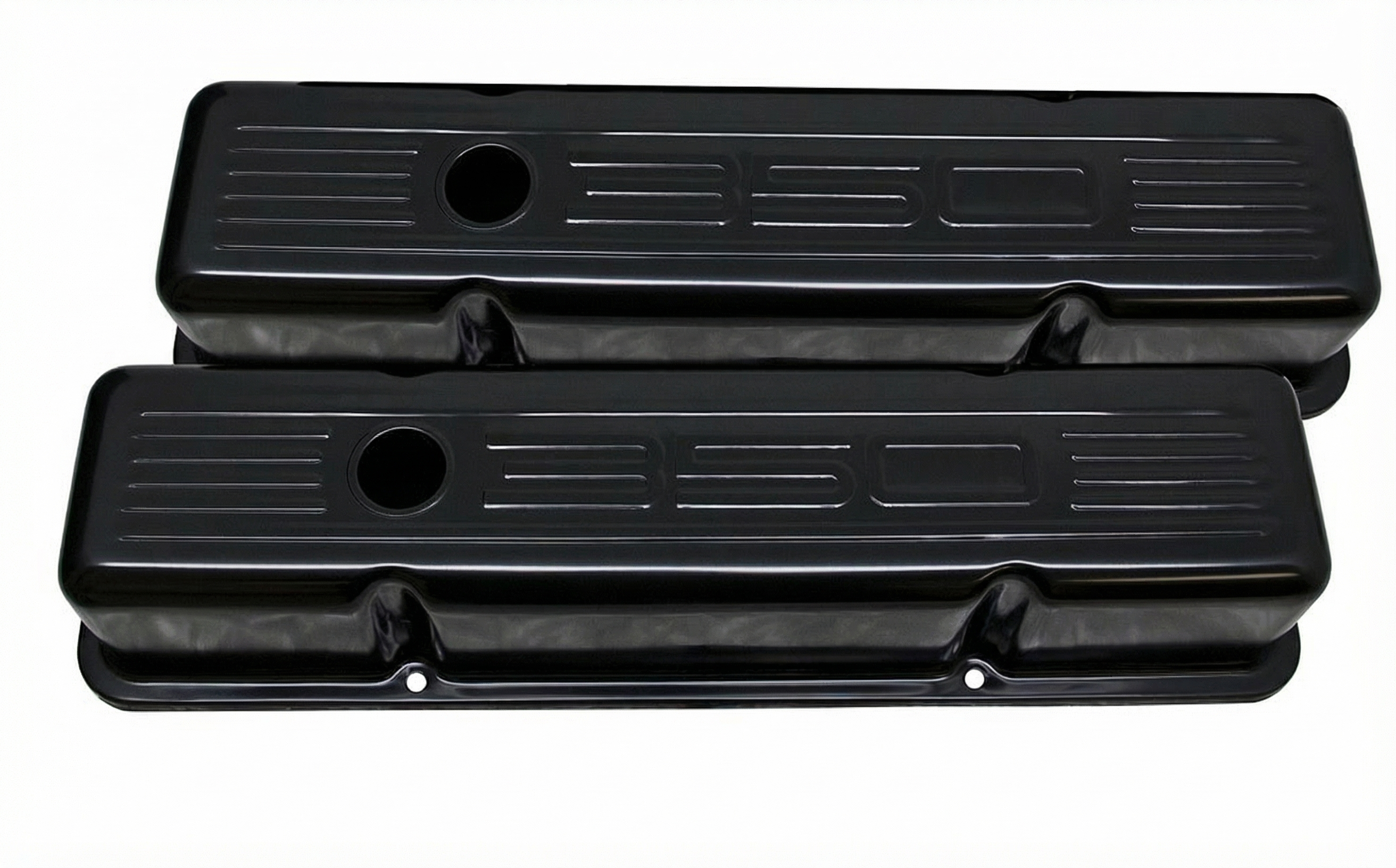
Aftermarket price range: $80-$130 - Valve Cover (Right/Passenger Side)
(OEM #12673880)— The integrated PCV system can fail, creating a significant vacuum leak. The entire cover must be replaced. This often presents with both P0171 and P0174 codes.
Trusted brands: ACDelco, GM Genuine
OEM price range: $150-$250
Aftermarket price range: $75-$150 - Intake Manifold Gasket Set
(OEM #12657434 (Upper), 12676280 (Lower))— The gaskets between the intake manifold and cylinder heads can fail over time, causing a vacuum leak that triggers lean codes.
Trusted brands: Fel-Pro, ACDelco, Victor Reinz
OEM price range: $50-$80
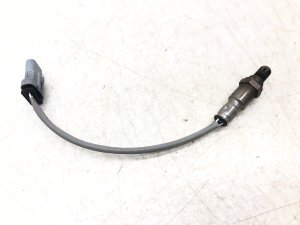
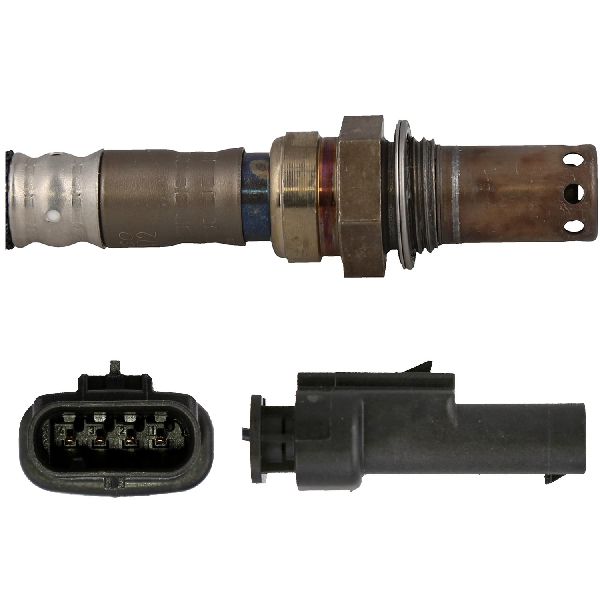
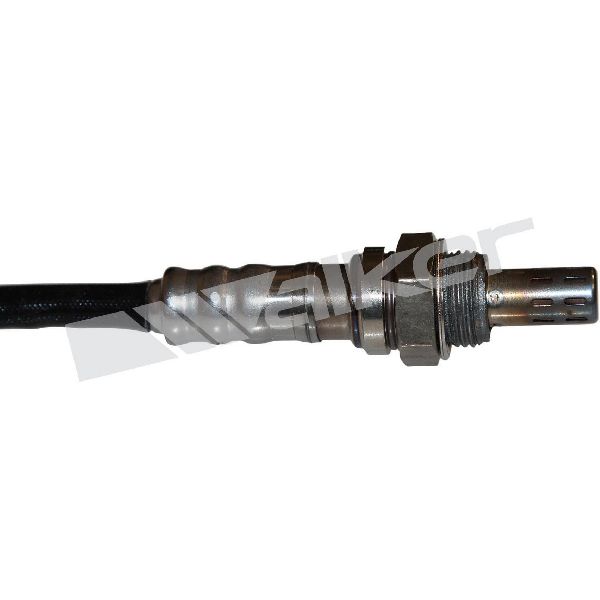
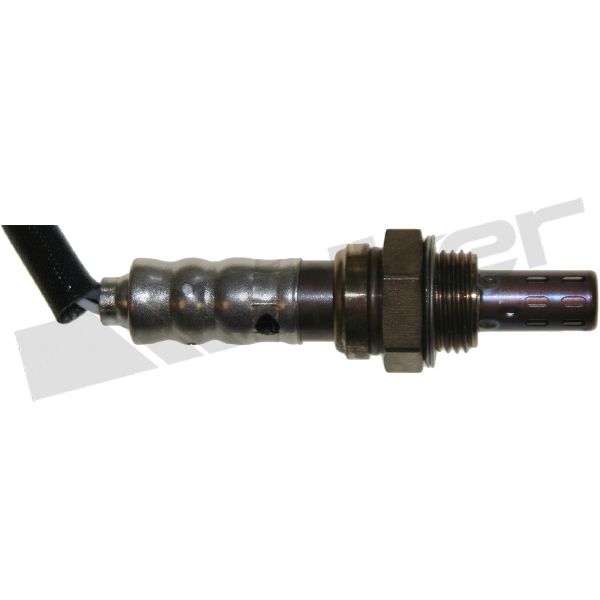
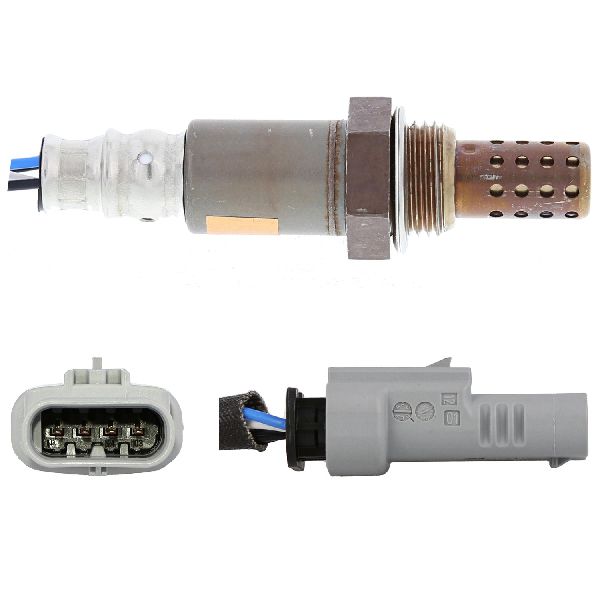
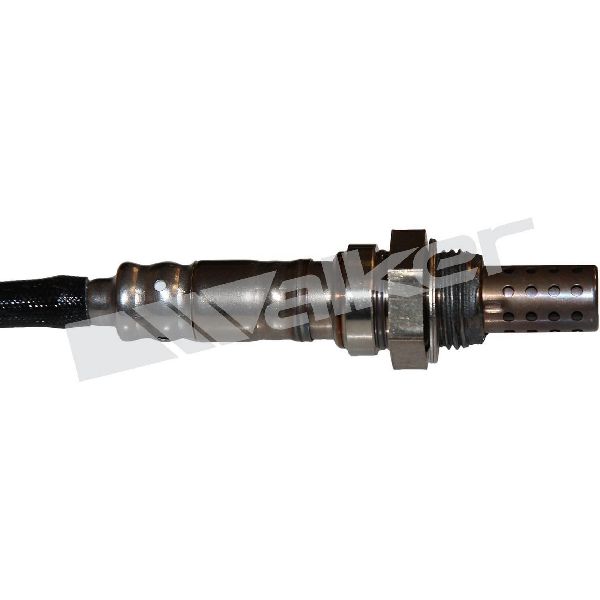
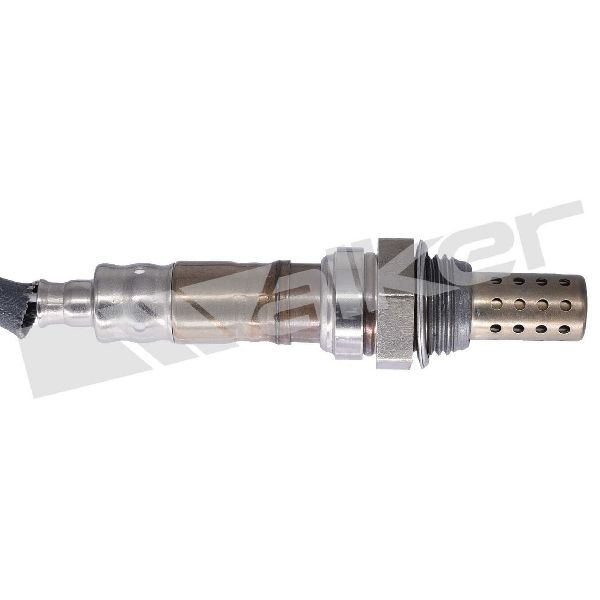
Aftermarket price range: $25-$50 - Upstream Oxygen Sensor (Bank 2, Sensor 1)
(OEM #12663317)— If the sensor itself fails, it can send incorrect lean readings to the ECM. This should be considered after ruling out vacuum leaks and software issues.
Trusted brands: Denso, Bosch, ACDelco
OEM price range: $80-$150
Aftermarket price range: $50-$100
Related Codes That Often Appear With This One
- P0171 — This is the 'System Too Lean' code for Bank 1 (passenger side). When both P0171 and P0174 are present, it strongly suggests a problem that affects the entire engine, such as a faulty MAF sensor, a large vacuum leak (like the intake duct), a PCV system failure, or a fuel delivery issue.
Technical Service Bulletins (TSBs) & Recalls
- 21-NA-105: Engine Control Module Calibration for DTC P0171 and P0174 Set.
- 22-NA-171: Malfunction Indicator Lamp (MIL) Illuminated on Driver Information Center (DIC) with DTCs P0171, P0174 Set. [This bulletin points to a cracked intake boot].
- PIE0413A / PIE0413: Early engineering requests for information from the field regarding P0171/P0174 codes, indicating GM's early awareness of the issue.
Platform-Specific Known Issues
- A known software anomaly can cause P0174 to set, which is correctable with an ECM update as per TSB #21-NA-105. This is especially noted on low-mileage trucks.
- The air intake duct (boot) is a common failure point that leads to vacuum leaks, as noted in TSB #22-NA-171. The part number is 84535596.
- Failure of the integrated PCV system within the passenger-side valve cover is a known issue on the 3.6L V6 engine.
Mechanic-Grade Diagnostic Values

- Mass Airflow (MAF) Sensor Reading at Idle — expected: Approximately 3.6 grams/second (should be close to engine displacement in liters).. Failure: A reading significantly lower than the engine's displacement (e.g., under 3.0 g/s) at a hot idle with no accessories on suggests a dirty or failing MAF sensor is under-reporting airflow.
- Low-Side Fuel Pressure (Key On, Engine Off) — expected: 55-60 psi.. Failure: Pressure significantly below 55 psi indicates a weak in-tank fuel pump or a problem with the fuel pressure regulator.
- High-Pressure Fuel Pump (Direct Injection) — expected: Can range from 2,000 to 2,800 PSI.. Failure: Low pressure readings on a scan tool under load would trigger specific fuel pressure codes, often before P0174 appears alone.
- Upstream Oxygen Sensor (Bank 2, Sensor 1) Voltage — expected: Continuously fluctuating between approximately 0.1V (lean) and 0.9V (rich) on a warm, running engine.. Failure: A steady low voltage reading (e.g., stuck below 0.2V) indicates the sensor is either correctly seeing a lean condition or is faulty/biased.
Scan Tool Commands That Help
- GDS2 (GM Global Diagnostic System 2): Fuel Trim Reset — After replacing a component that affects the air/fuel mixture (like an intake duct, MAF sensor, or fuel injectors), this function should be used to clear the old learned fuel trim values. This forces the ECM to relearn the fuel strategy immediately, which can confirm a fix and prevent the code from returning during the relearn period.
- Professional Scan Tool: EVAP Purge/Seal — To test the EVAP purge solenoid. A technician can command the valve open and closed to see if it is functioning correctly. If the valve is stuck open, it can be a source of a vacuum leak causing the P0174 code.
Wiring & Ground Locations
- G102 / G103 — Located on the front of each cylinder head.. The ECM and its critical sensors, including the MAF and O2 sensors, depend on clean ground connections to the engine block. Corrosion or looseness at these points can create voltage offsets and cause inaccurate sensor readings, leading to false lean codes.
- SP105 — A major ground splice pack located on the driver's side of the engine bay, near the battery.. This is a critical grounding point for multiple engine bay components. A fault here could cause erratic behavior from various sensors involved in fuel control.
- ECM Connector X3 (J3) — One of the large multi-pin connectors on the Engine Control Module (ECM) in the engine bay.. When diagnosing a persistent issue with no obvious cause, a technician may need to test for voltage and continuity for the Bank 2 O2 sensor or MAF sensor circuits directly at the ECM pins to rule out a wiring harness issue.
Real Owner Repair Stories
- Reddit user in r/chevycolorado (2019 V6) — Check engine light with P0171 and P0174 codes.
❌ Tried (didn't work) Visual inspection, Cleaning the MAF sensor
✅ What actually fixed it The oil filler cap was seated but not fully tightened down after a recent oil change at a quick lube shop. Tightening the cap resolved the codes and improved fuel economy. - YouTube channel 'Lehew' (2017 Chevy Colorado V6) — Check engine light with P0171 and P0174 codes.
✅ What actually fixed it The large air intake duct was completely disconnected from the airbox, causing a massive unmetered air leak. Reconnecting it fixed the issue.
"I Checked Everything" — The Actual Cause
- On the 3.6L LGZ engine, a smoke test of the intake manifold and external vacuum lines may come back clean, but the engine can still have a significant vacuum leak. The PCV orifice is integrated into the passenger-side (Bank 1) valve cover, and if it fails internally, it can pull a large amount of unmetered air from the crankcase. Since this is a 'closed' system, the smoke will not escape externally, making it very difficult to diagnose with a smoke test alone. Diagnosis often relies on listening for a loud whistle or feeling strong vacuum at the oil fill cap.
OEM Part Supersession History
84165133, 84548065→84535596— Part revision by the manufacturer, likely to improve durability and prevent the cracking that causes vacuum leaks.
Model Year Variations Within This Range
- 2017-2022: The 2017 model year introduced the updated 3.6L LGZ V6 engine and the 8-speed automatic transmission, replacing the previous LFX V6 and 6-speed. While externally similar, the LGZ features Active Fuel Management (AFM) and has different internal components and tuning. This change is significant as TSBs related to software are often specific to the LGZ engine and its control module.
Helpful Videos
![[HOW TO] Clean Mass Air Flow Sensor (MAF) on 2015+ Colorado/Canyon](https://img.youtube.com/vi/uRQ3NkssDOc/mqdefault.jpg)
Used OEM Parts in Stock


New Aftermarket Parts Available

The information in this article is provided for general reference and educational purposes only. Vehicle specifications, procedures, and part compatibility can vary by production date, trim level, and region. Always consult your vehicle's factory service manual and verify part numbers before purchasing or performing repairs. Safety-critical components such as airbags, seat belts, and braking systems should be installed by a qualified professional.
- Gmc CANYON:
- 🎬 Helpful Videos
- 🛍️ Shop This Part
- What's Unique About the 2017-2022 Gmc CANYON
- Diagnostic Flowchart
- Symptoms You May Notice
- Most Likely Causes
- Rare But Worth Checking
- Diagnosis Steps
- Parts You'll Likely Need
- Related Codes That Often Appear With This One
- Technical Service Bulletins (TSBs) & Recalls
- Platform-Specific Known Issues
- Mechanic-Grade Diagnostic Values
- Scan Tool Commands That Help
- Wiring & Ground Locations
- Real Owner Repair Stories
- "I Checked Everything" — The Actual Cause
- OEM Part Supersession History
- Model Year Variations Within This Range
- 🎟️ Get 5% Off