

P0174 on 2014-2018 GMC Acadia: Causes and Fixes for Lean Bank 2
P0174 on a 2014-2018 GMC Acadia with the 3.6L V6 engine most often indicates a vacuum leak, commonly from a failed intake manifold gasket. Other frequent culprits include a cracked air intake tube or a dirty Mass Airflow (MAF) sensor. Cleaning the MAF sensor is a simple first step. Expect repair costs to range from under $20 for a can of MAF cleaner to over $500 for a professional intake gasket replacement.
- P0174 on a 2014-2018 Acadia V6 means the engine is running lean (too much air, not enough fuel) on Bank 2.
- The most common cause, especially on 2014-2016 models, is a vacuum leak from a failed intake manifold gasket.
- Before performing expensive repairs, always perform the simple checks first: inspect for obvious cracked hoses and clean the Mass Airflow (MAF) sensor.
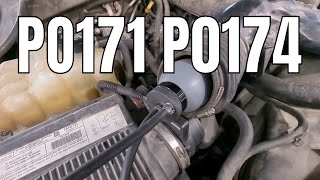
- If both P0171 (Bank 1) and P0174 (Bank 2) are present, the problem is almost certainly a vacuum leak or MAF sensor issue affecting the whole engine.
- A smoke test is the most effective way to confirm the exact location of a vacuum leak.
What's Unique About the 2014-2018 Gmc ACADIA

The 2014-2018 Acadia range spans two distinct generations with different versions of the 3.6L V6 engine, yet both are known to set this code. The first generation (2014-2016) is particularly noted for vacuum leaks from the intake manifold gaskets, which can shrink and fail, especially in cold weather. GM was aware of a pattern of these lean codes across several models using this engine, as shown by multiple Technical Service Bulletins (TSBs) like PIE0413A and PIE0433A. These TSBs were issued to gather field data on the problem, which confirms GM was investigating a widespread root cause rather than random component failures.
Diagnostic Flowchart

Tap your situation to follow the diagnostic path that matches what you're seeing on this vehicle.
Generation note: The 2014-2018 year range covers two generations of the GMC Acadia. The first generation (2014-2016 and the 2017 "Limited" model) used the 3.6L LFX V6 engine. The second generation (2017-2018) was a smaller vehicle and introduced the updated 3.6L LGX V6. While both can experience P0174, vacuum leaks from intake manifold gaskets are a well-documented issue on the first-generation models and their platform mates. The TSBs issued by GM covered LFX, LLT, and LFY engine codes across both generations, indicating a shared vulnerability.
Symptoms You May Notice
- Check Engine Light is on
- Rough or inconsistent idle
- Hesitation or jerking during acceleration, especially between 2000-4000 RPM
- Reduced engine power message on the display
- Poor fuel economy
- Engine stalling, sometimes when coming to a stop
- Hissing sound from the engine bay, indicating a vacuum leak
- Replacing the Bank 2 oxygen sensor without first checking for vacuum leaks. The O2 sensor is often correctly reporting a lean condition caused by something else, most commonly an air leak between the MAF sensor and the cylinders.
Most Likely Causes


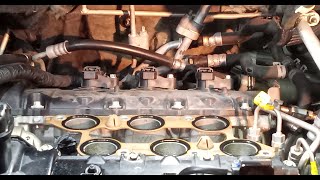
- Vacuum Leak (Intake Manifold Gasket) 🔴 High Probability The 3.6L V6 engines used in this period, particularly the LFX in 2014-2017 models, are known for intake manifold gasket leaks. The gaskets can shrink or become brittle over time, especially with temperature fluctuations, allowing unmetered air into the engine. GM issued TSBs to investigate this widespread issue.
How to confirm: Perform a smoke test on the intake system. Smoke will be seen escaping from the leaking gasket area. Alternatively, carefully spray brake cleaner or an unlit propane torch around the intake manifold with the engine running; a noticeable change in engine RPM or fuel trims on a scan tool indicates a leak.
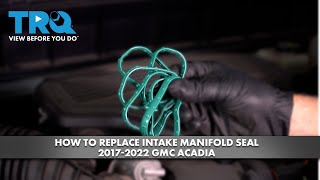
Typical fix: Replace the upper and lower intake manifold gaskets. This is a moderately labor-intensive job but common for DIYers.
Est. part cost: $30-$80 - Cracked Air Intake Tube 🟡 Medium Probability The flexible rubber or plastic air intake tube that connects the MAF sensor to the throttle body can develop cracks from age and heat. This allows unmetered air to enter the engine *after* the MAF sensor, causing a lean condition.
How to confirm: Visually inspect the entire length of the air intake tube, especially in the ribbed, flexible sections. Bending or flexing the tube may reveal hidden cracks. A smoke test will also quickly show leaks from this component.
Typical fix: Replace the entire air intake tube assembly.
Est. part cost: $40-$100 - Dirty or Faulty Mass Airflow (MAF) Sensor 🟡 Medium Probability The MAF sensor measures the air entering the engine. If its sensitive wires are contaminated with dust or oil (often from an over-oiled aftermarket air filter), it will under-report the amount of air, causing the ECM to command an incorrect, lean fuel mixture.
How to confirm: Inspect the sensor's hot wires for contamination. You can try cleaning it with a dedicated MAF sensor cleaner as a first step. If cleaning doesn't work, a scan tool can monitor MAF readings (g/s) to see if they are erratic or out of specification at idle and under load.
Typical fix: Clean the MAF sensor with a specialized cleaner. If the problem persists, replace the sensor.
Est. part cost: $10-$15 (cleaner), $70-$150 (new sensor) - Vacuum Leak (PCV System or Other Hoses) 🟡 Medium Probability
How to confirm: Visually inspect all vacuum hoses connected to the intake manifold for cracks, brittleness, or loose connections. Pay close attention to the PCV (Positive Crankcase Ventilation) hoses. TSB PIE0433A specifically calls out checking the 'foul PCV tube to manifold connection' for leaks. A missing cap on an unused vacuum port on the intake can also be a simple cause.
Typical fix: Replace the cracked or leaking hose or cap. Some PCV systems are integrated into the valve cover and may require more extensive repair.
Est. part cost: $10-$50 - Low Fuel Pressure ⚪ Low Probability
How to confirm: Connect a fuel pressure gauge to the fuel rail's service port to check the low-pressure system. For the high-pressure side on these direct-injection engines, a scan tool is required to monitor the desired vs. actual fuel rail pressure. A significant discrepancy where actual pressure is much lower than desired under load points to a fuel delivery issue.
Typical fix: If pressure is low, the cause could be a failing high-pressure fuel pump (HPFP), a weak in-tank fuel pump, or a clogged fuel filter. The HPFP is a known failure point on some GM 3.6L engines.
Est. part cost: $50-$200 (filter), $300-$800+ (fuel pump)
Rare But Worth Checking
- Faulty Upstream Oxygen (O2) Sensor: While O2 sensors report the lean condition, a slow or failing sensor can sometimes be the cause itself by sending incorrect data. It's more common to replace an O2 sensor unnecessarily when the real problem is a vacuum leak.
- Exhaust Leak: A crack or leak in the exhaust manifold or pipe before the upstream O2 sensor can draw in outside air, tricking the sensor into reporting a false lean condition.
Diagnosis Steps
- Scan for all DTCs. Note if P0171 is also present, as this points to a system-wide issue.
- Using a scan tool, observe the short-term (STFT) and long-term (LTFT) fuel trim values at idle. High positive numbers (e.g., LTFT consistently above +15% and the sum of STFT and LTFT exceeding +25%) 🎬 Watch: A mechanic's guide to diagnosing lean codes and fuel trims. on Bank 2 confirm the lean condition.
- Perform a thorough visual inspection of the engine bay. Look for any disconnected, cracked, or brittle vacuum hoses. Specifically check the air intake tube for cracks and ensure the PCV hose connection at the intake manifold is secure.
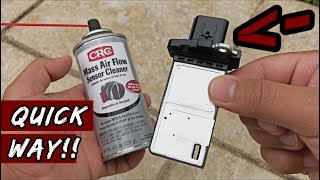
- Remove and clean the Mass Airflow (MAF) sensor using a dedicated MAF sensor cleaner. Allow it to dry completely before reinstalling. 🎬 See how to properly clean your MAF sensor in seconds.
- With the engine running, carefully spray short bursts of brake cleaner or use an unlit propane torch around the intake manifold gasket seams, throttle body gasket, and vacuum hose connections. If the engine's idle speed changes or fuel trims drop significantly, you have found a vacuum leak.
- If no leak is found, perform a smoke test. This involves feeding pressurized smoke into the intake system to precisely locate hard-to-see leaks in gaskets or hoses.
- If no vacuum leaks are present, use a scan tool to monitor desired vs. actual fuel rail pressure to rule out a weak high-pressure fuel pump.
- As a final step, test the Bank 2, Sensor 1 oxygen sensor's response to confirm it is not faulty or slow.
Parts You'll Likely Need
- Intake Manifold Gasket Set
(OEM #12647263)— This is a very common failure point on the 3.6L V6 engine, causing vacuum leaks that trigger P0174. The set includes upper and lower gaskets.
Trusted brands: ACDelco, Fel-Pro (MS 97240-1 for 2009-2016, MS 97435 for 2017-2018), Mahle
OEM price range: $25-$40
Aftermarket price range: $20-$50 - Mass Airflow (MAF) Sensor Cleaner — Cleaning a dirty MAF sensor is a cheap and easy diagnostic step that often resolves the code if the sensor is just contaminated.
Trusted brands: CRC, WD-40 Specialist
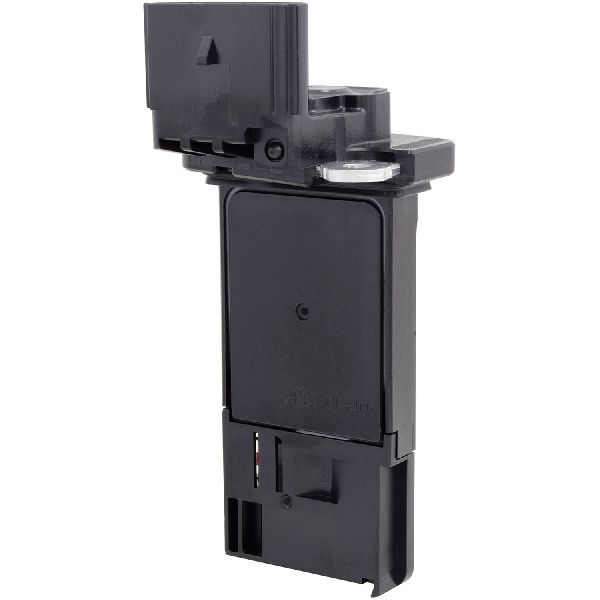
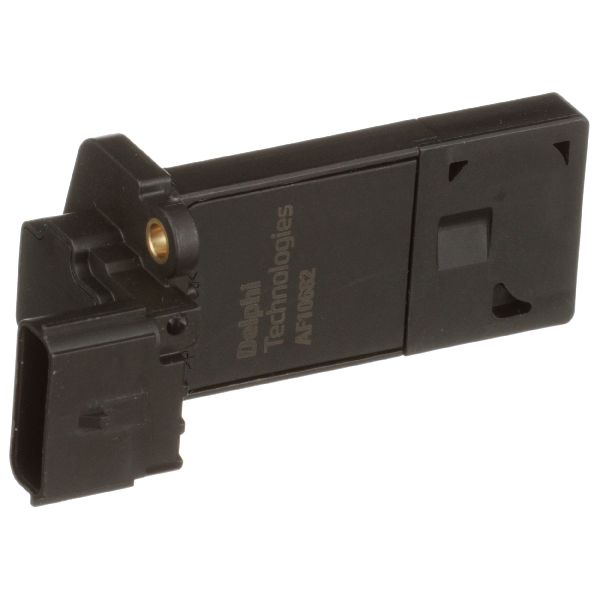
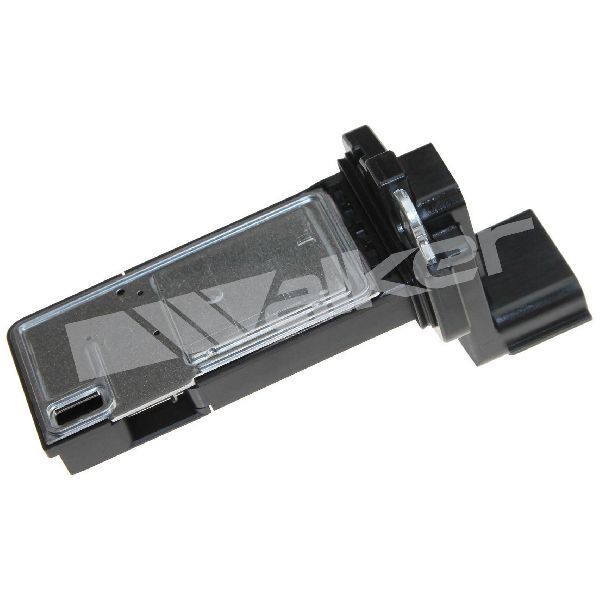
Aftermarket price range: $10-$15 - Mass Airflow (MAF) Sensor
(OEM #23262343)— If cleaning the sensor doesn't resolve the issue, the sensor itself may have failed. It's a critical component for calculating the correct air-fuel ratio.
Trusted brands: ACDelco, Bosch, Denso
OEM price range: $100-$150
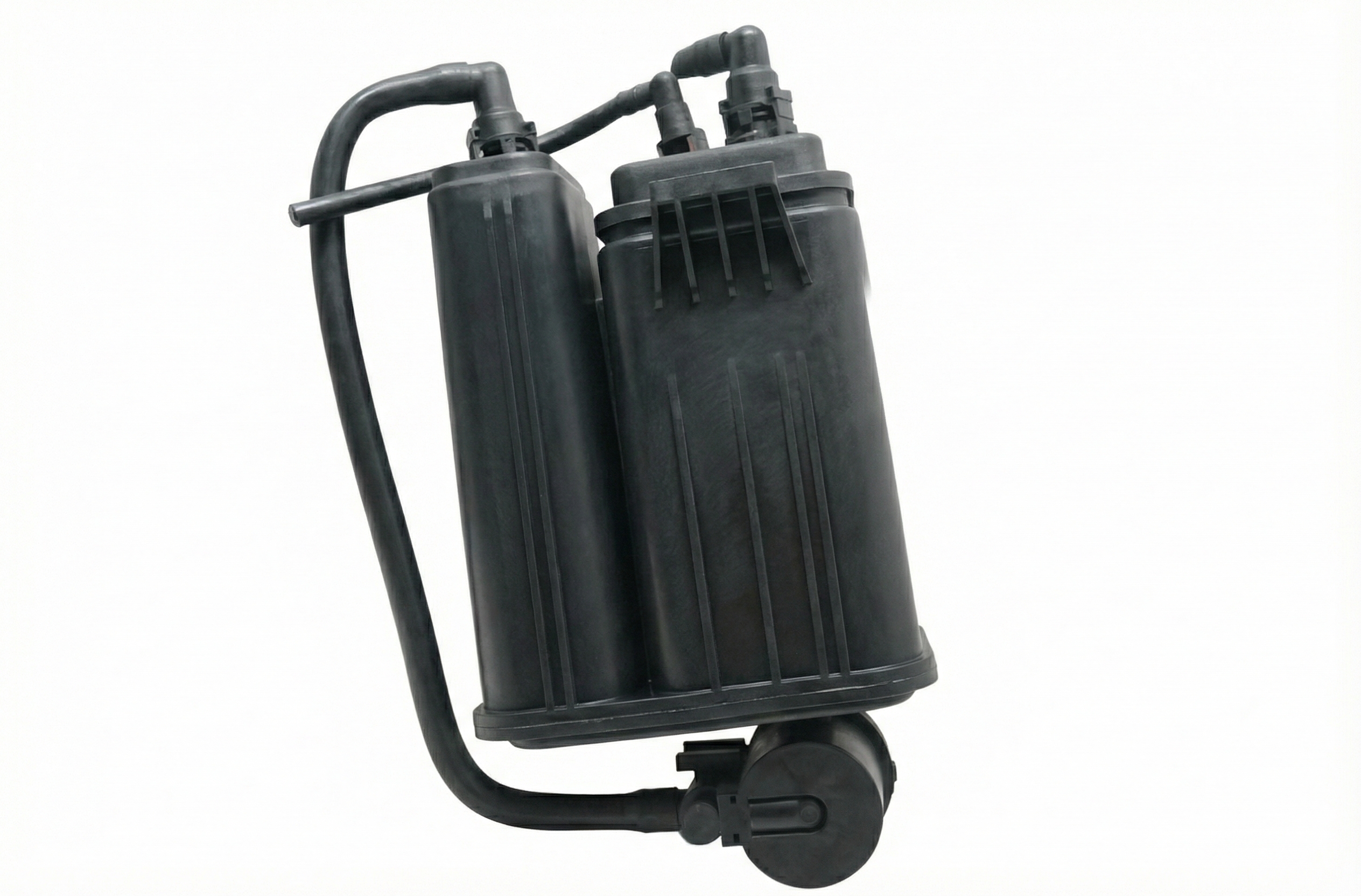
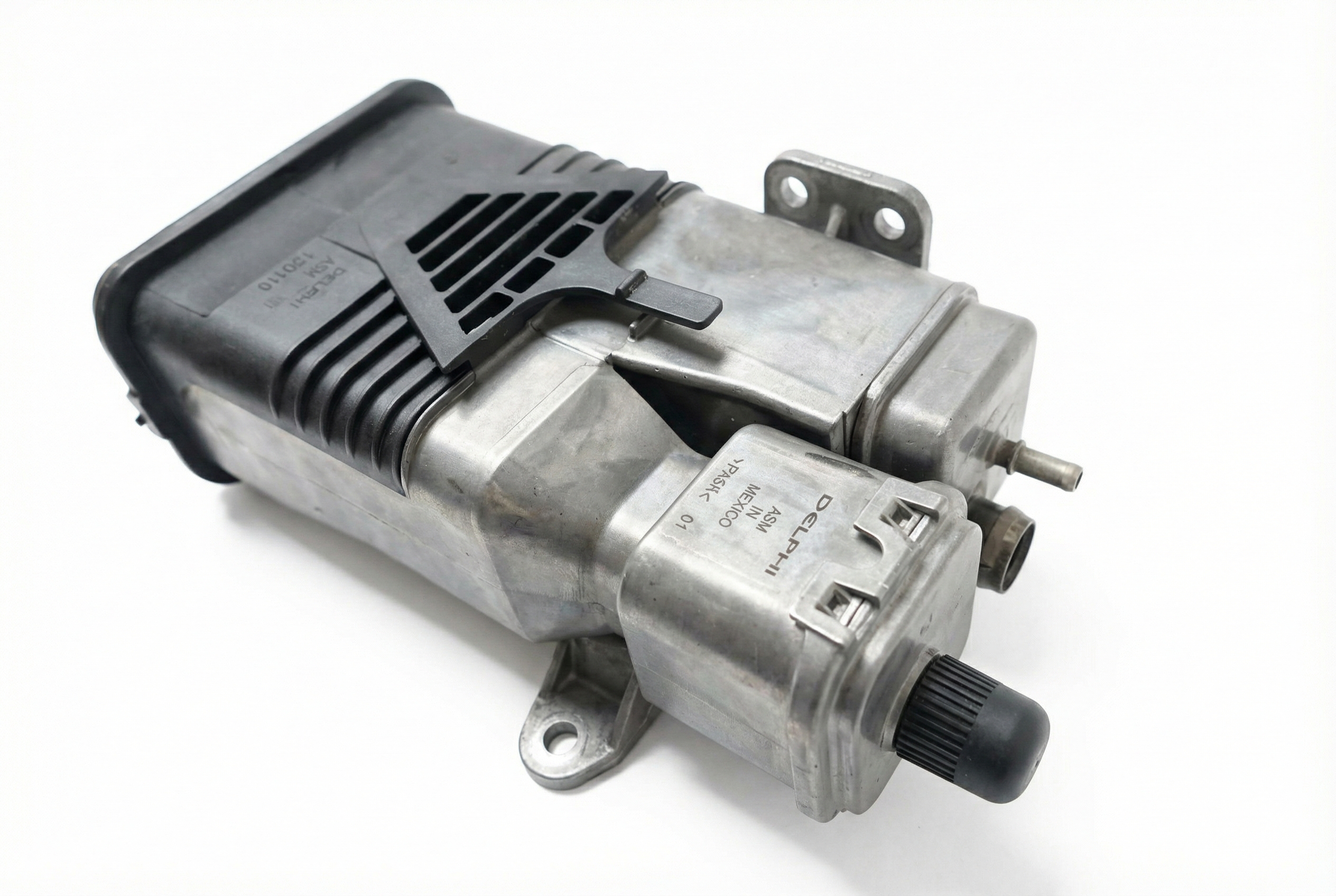
Aftermarket price range: $70-$120 - Vapor Canister Purge Valve/Solenoid
(OEM #12690512)— This valve can get stuck open, creating a persistent vacuum leak that the ECM cannot control, leading to lean codes. It's a common failure point that is often overlooked.
Trusted brands: ACDelco, Dorman, Standard Motor Products
OEM price range: $25-$50
Aftermarket price range: $15-$40
Related Codes That Often Appear With This One
- P0171 — This is the identical "System Too Lean" code but for Bank 1. When both P0171 and P0174 are present, it strongly suggests a problem affecting the entire engine, such as a dirty MAF sensor, a major vacuum leak at the intake plenum, or a cracked air intake tube.
- P0300 — This is a "Random/Multiple Cylinder Misfire" code. A lean air-fuel mixture can cause incomplete or slower combustion, leading to misfires across one or more cylinders.
- P0089, P228C — These codes relate to fuel pressure issues. If you see P0174 along with these, it strongly points towards a failing high-pressure fuel pump (HPFP) as the root cause, rather than a vacuum leak.
Technical Service Bulletins (TSBs) & Recalls
- PIE0413A: This Preliminary Information bulletin from GM requested that technicians gather information from vehicles in the field that came in with P0171 and/or P0174 codes. This bulletin ended the data collection period.
- PIE0433A: This was another Engineering Information bulletin for the same P0171/P0174 codes, instructing technicians to check for a leak at the 'foul PCV tube to manifold connection' and report findings to GM engineering. This shows GM was actively investigating the root cause.
Platform-Specific Known Issues
- A GM TechLink article from May 2019 specifically mentions DTCs P0171 and P0174 on 2012-2017 Acadia models with the 3.6L V6 engine, pointing to a possible vacuum leak at the intake manifold.
- The provided NHTSA TSBs (PIE0413A, PIE0433A) show that GM was actively investigating the cause of P0171/P0174 codes on these vehicles in 2017, indicating a recognized pattern of this issue. [Bulletin #PIE0413A, Bulletin #PIE0433A]
Mechanic-Grade Diagnostic Values
- Mass Airflow (MAF) Sensor Reading at Idle — expected: 2.5 - 8.8 g/s (grams per second) with engine at normal operating temperature.. Failure: A reading significantly below this range (e.g., <2.0 g/s) indicates a dirty or failing sensor is under-reporting airflow, causing a lean condition. A reading significantly above may indicate unmetered air entering post-sensor.
- Mass Airflow (MAF) Sensor Reading at 2500 RPM — expected: 15 - 25 g/s (grams per second) while holding RPM steady.. Failure: The reading should increase smoothly with RPM. If the value is sluggish, erratic, or does not increase into this range, the sensor is likely faulty.
- High-Pressure Fuel System Check (Scan Tool) — expected: The 'Desired Fuel Rail Pressure' and 'Actual Fuel Rail Pressure' PIDs should closely match at idle and under load.. Failure: If the actual pressure is consistently and significantly lower than the desired pressure, especially during acceleration, it points to a failing High-Pressure Fuel Pump (HPFP) or a leak in the high-pressure side.
Scan Tool Commands That Help
- GDS2 / Professional Scan Tool: Fuel Trim Reset — This function should be used after any repair that corrects an air/fuel mixture issue, such as replacing an intake gasket or MAF sensor. It clears the long-term learned values, allowing the ECM to adapt to the new, correct conditions immediately.
- GDS2 / Professional Scan Tool: EVAP Purge/Seal — This allows a technician to command the canister purge solenoid open and closed while monitoring fuel trims. If commanding the valve closed causes high fuel trims to return to normal, it confirms the valve was stuck open and causing the lean code.
- GDS2 / Professional Scan Tool: Fuel Pump Relay/Control — Used to verify the electrical circuit for the in-tank (low pressure) fuel pump is functioning. This helps differentiate between a pump failure and a control module or wiring issue.
Wiring & Ground Locations
- G110 — Right front of the engine, mounted directly to the cylinder head.. This is a primary engine ground. A poor connection here can cause erratic behavior from sensors mounted on the engine, including the MAF, O2 sensors, and ECM, leading to incorrect readings and phantom codes.
- G113 — Left side of the engine, at the stud where the engine and transmission meet.. Another critical powertrain ground. A loose or corroded connection here can affect communication between the ECM and transmission, but also impact engine sensor readings.
- G103 — Located on the cowl (firewall) in the engine compartment, typically above the brake booster.. This ground serves numerous interior and control modules, including the Body Control Module (BCM) and Instrument Panel Cluster (IPC). While less likely to cause a lean code directly, a fault here can cause a wide array of bizarre electrical issues that can complicate diagnosis.
Real Owner Repair Stories
- YouTube channel 'Cport Mike's automotive repair' (2007 GMC Acadia (similar platform/engine)) — P0171 and P0174, vehicle stalls when parking.
❌ Tried (didn't work) Initial thought was a bad MAP sensor, but diagnosis proved otherwise.
✅ What actually fixed it A visual inspection revealed an uncapped vacuum nipple on the back of the intake manifold. Capping the open port resolved the massive vacuum leak and cleared the codes. - 2CarPros Forum user 'HUNGTX' (2008 GMC Acadia) — P0171 and P0174 codes.
✅ What actually fixed it The user had forgotten to reconnect a vacuum line near the #1 cylinder on the back of the engine after replacing spark plugs. Reconnecting the hose fixed the issue.
"I Checked Everything" — The Actual Cause
- A faulty canister purge valve (solenoid) stuck in the open position. This creates a vacuum leak by constantly pulling air from the charcoal canister into the intake manifold. This leak is often not detected by a smoke test unless the technician specifically commands the valve closed with a scan tool and tests the system separately.
- A leaking power brake booster or its one-way check valve. The booster holds a large volume of vacuum, and a leak in its diaphragm or the check valve that connects to the intake manifold will cause a lean condition. This can be missed because the leak is in the braking system, not directly on the intake manifold itself. A hard brake pedal is a key secondary symptom.
OEM Part Supersession History
12621292, 12635273→12651990 (and others)— Relates to the Fuel Rail Pressure Sensor. Part numbers have been revised over the model years for reliability and design changes between engine generations.
Heads up: The sensor for a first-generation Acadia (2014-2016, 2017 Limited) with the LFX engine is NOT interchangeable with the sensor for a second-generation Acadia (2017-2018) with the LGX engine. Using the wrong sensor will result in incorrect fuel pressure readings and persistent running issues.
Model Year Variations Within This Range
- 2014-2016, 2017 'Limited': These models use the first-generation chassis and the 3.6L LFX V6 engine. This engine is widely known for timing chain stretch issues (less so than its LLT predecessor) and intake manifold gasket leaks that cause lean codes. Diagnosis on these models should heavily prioritize checking for vacuum leaks at the intake gaskets.
- 2017-2018: These models are the redesigned, smaller second-generation Acadia and use the updated 3.6L LGX V6 engine. The LGX is a significantly different 'clean-sheet' design with a stiffer block, redesigned cylinder heads with integrated exhaust manifolds, and an improved timing chain system to address the flaws of the LFX. While still susceptible to general vacuum leaks (e.g., purge valve, hoses), the specific intake gasket failure pattern of the LFX is less of a primary suspect.
Helpful Videos
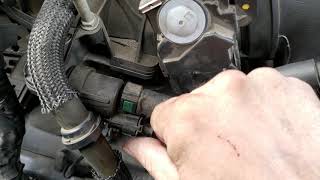
Used OEM Parts in Stock
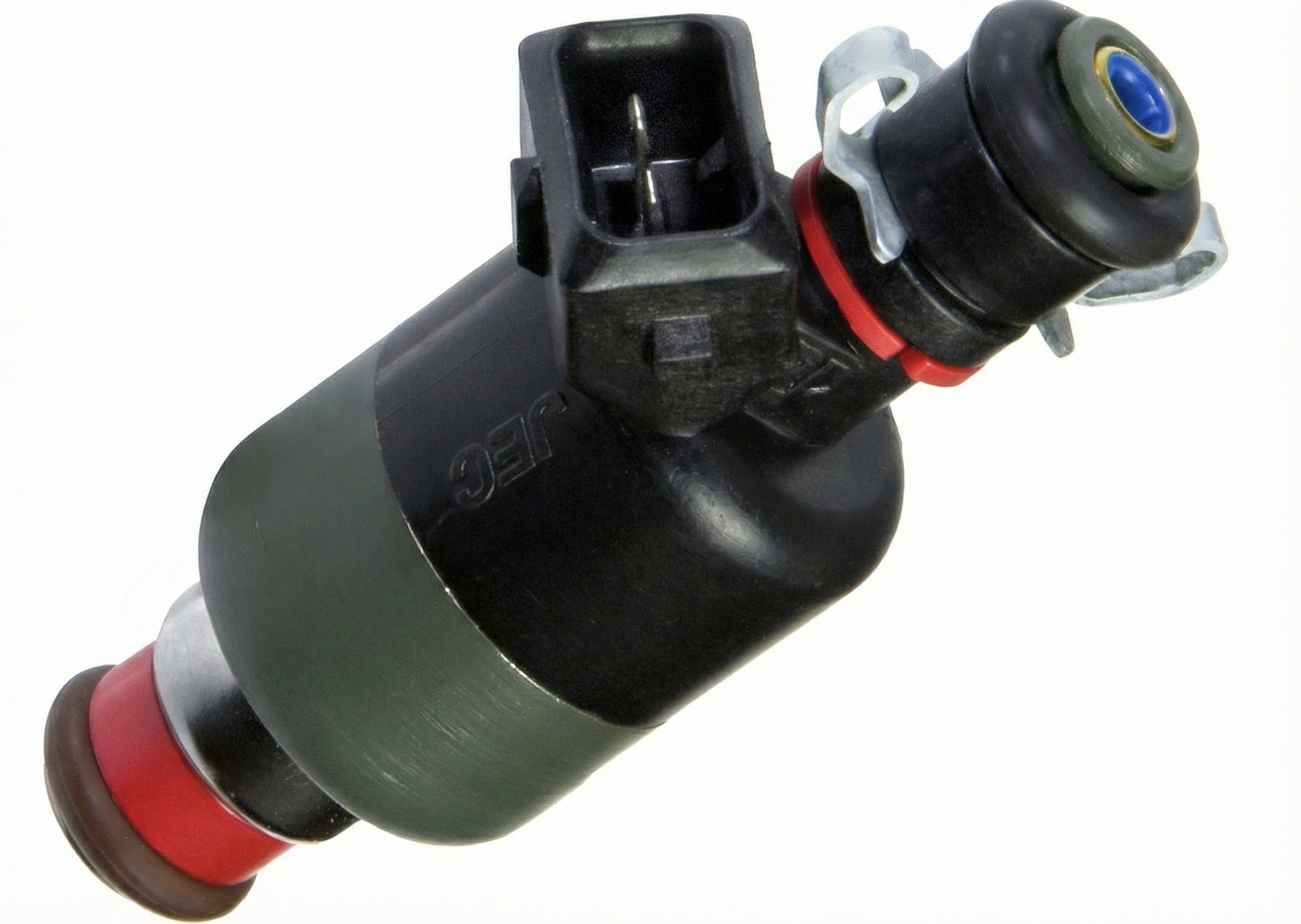
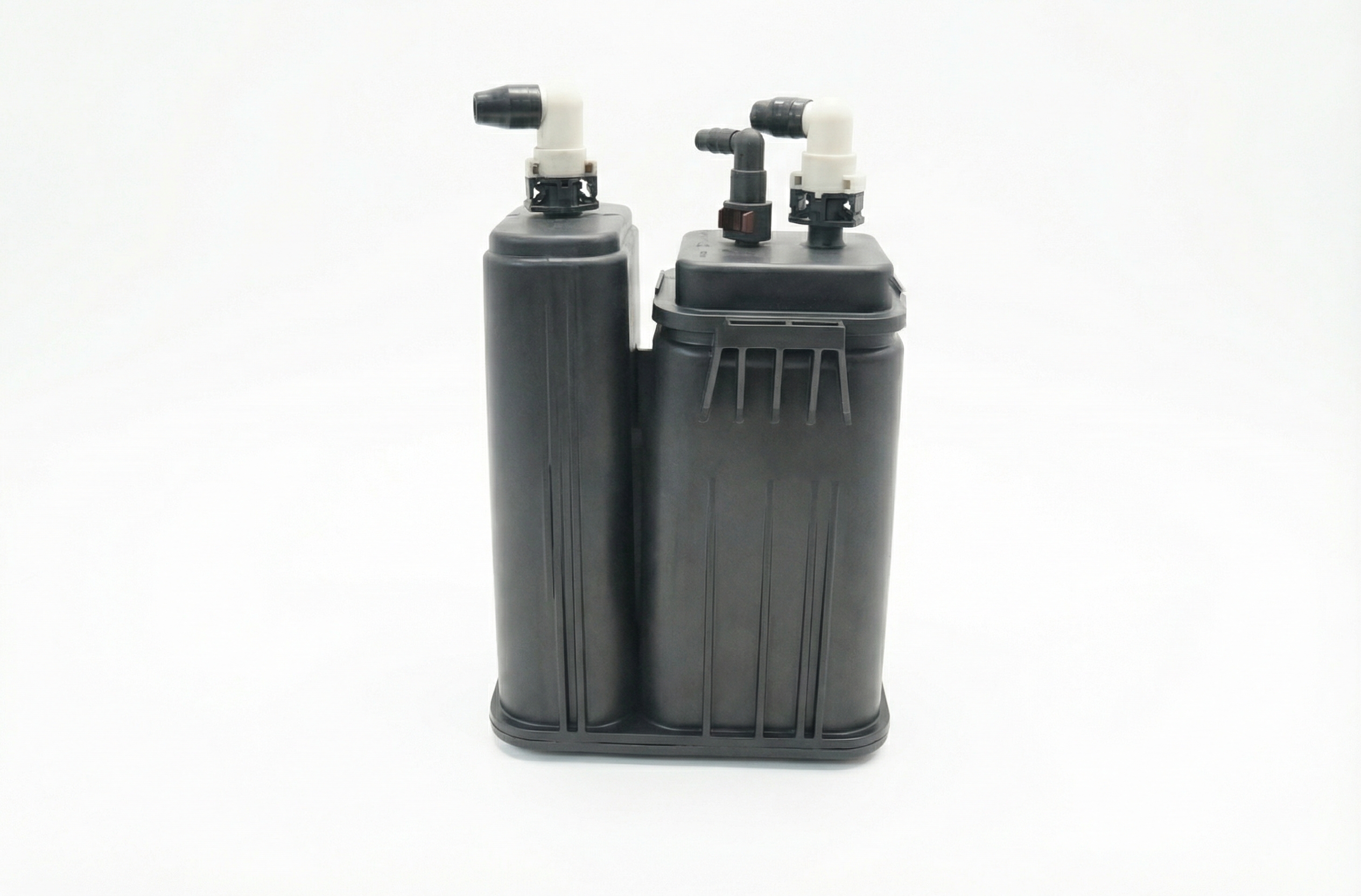
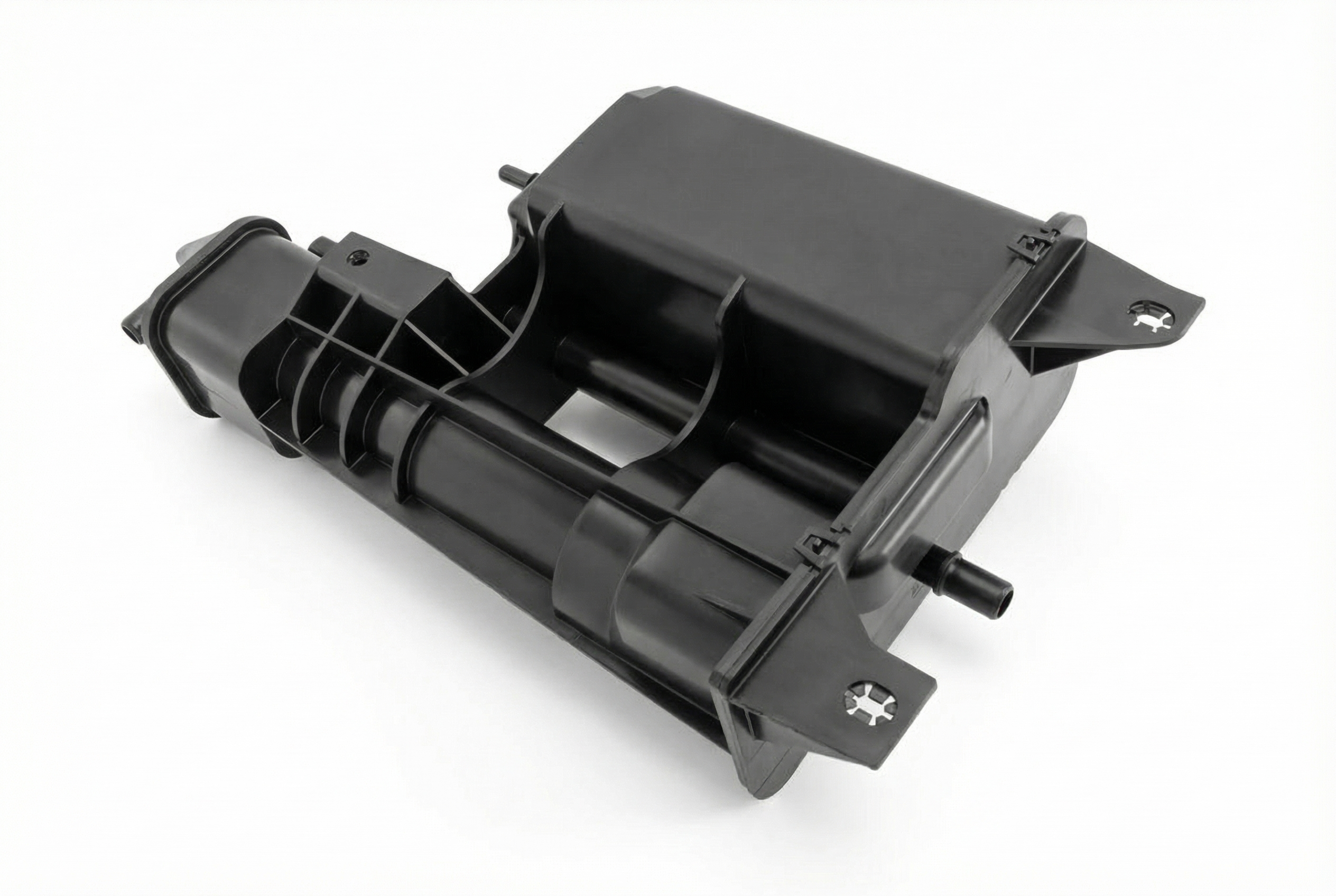

New Aftermarket Parts Available



The information in this article is provided for general reference and educational purposes only. Vehicle specifications, procedures, and part compatibility can vary by production date, trim level, and region. Always consult your vehicle's factory service manual and verify part numbers before purchasing or performing repairs. Safety-critical components such as airbags, seat belts, and braking systems should be installed by a qualified professional.
- Gmc ACADIA:
- 🎬 Helpful Videos
- 🛍️ Shop This Part
- What's Unique About the 2014-2018 Gmc ACADIA
- Diagnostic Flowchart
- Symptoms You May Notice
- Most Likely Causes
- Rare But Worth Checking
- Diagnosis Steps
- Parts You'll Likely Need
- Related Codes That Often Appear With This One
- Technical Service Bulletins (TSBs) & Recalls
- Platform-Specific Known Issues
- Mechanic-Grade Diagnostic Values
- Scan Tool Commands That Help
- Wiring & Ground Locations
- Real Owner Repair Stories
- "I Checked Everything" — The Actual Cause
- OEM Part Supersession History
- Model Year Variations Within This Range
- 🎟️ Get 5% Off