

P0174 on 2020-2021 Ford TRANSIT: System Too Lean (Bank 2) Causes and Fixes
On a 2020-2021 Ford Transit, the P0174 code is frequently caused by a kinked evaporator emissions fresh air vent line, as noted in Ford TSB 21-2106. This is a simple fix involving securing the line with a zip tie. Other common causes include vacuum leaks (intake manifold gaskets are a known weak point) and dirty MAF sensors.
- For a 2020-2021 Ford Transit, the first thing to check for a P0174 code is the kinked EVAP vent line described in TSB 21-2106.
- If the TSB does not apply or fix the issue, the next most likely causes are vacuum leaks (especially intake gaskets) or a dirty MAF sensor.
- Do not replace the Bank 2 oxygen sensor unless all other possibilities have been ruled out; it is usually just reporting the problem correctly.
- If P0174 appears with P0171 (for Bank 1), the problem is likely something that affects the whole engine, such as the MAF sensor or fuel pressure.
What's Unique About the 2020-2021 Ford TRANSIT
For the 2020-2021 Ford Transit, this code is specifically linked to a known issue documented by Ford. TSB 21-2106 points to a kinked evaporator emissions fresh air vent line on vehicles built before November 30, 2020, which can cause this lean code, often along with EVAP system codes and difficulty filling the fuel tank. This is a highly specific and common cause for this particular vehicle and year range, making it a crucial first check before investigating more generic causes like vacuum leaks or sensor failures. Additionally, while TSBs for water intrusion from the cowl area officially cover earlier models (2015-2018), owners of 2020 models have also reported this issue, leading to water dripping on electrical components and potentially the air filter.
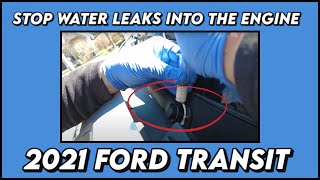
🎬 See how to stop water leaks into the engine bay.Diagnostic Flowchart
Tap your situation to follow the diagnostic path that matches what you're seeing on this vehicle.
Symptoms You May Notice
- Check Engine Light is on
- Rough or high idle
- Hesitation or surging during acceleration
- Reduced engine power
- Engine misfires (may be accompanied by misfire codes like P0300-P0306)
- Difficulty filling the fuel tank (if related to the EVAP line TSB)
- Loud squealing or hissing noise from the engine bay, indicating a vacuum leak
- Replacing the oxygen sensor first. The O2 sensor is often just the messenger reporting the lean condition. The actual cause is usually a vacuum leak, MAF sensor issue, or the TSB-related EVAP line kink.
Most Likely Causes
- Kinked Evaporator Emissions Fresh Air Vent Line 🔴 High Probability A specific manufacturing issue identified in Ford TSB 21-2106 for Transit vehicles with gas engines built on or before November 30, 2020.
How to confirm: Visually inspect the EVAP fresh air vent line near the EVAP canister (located near the fuel tank) for any kinks or sharp bends restricting flow. This issue is often accompanied by EVAP codes (P0451, P0455, P0456, etc.) and a slow fuel fill condition.
Typical fix: Reroute the line to remove the kink and secure it in place with a zip tie as per the TSB instructions.
Est. part cost: $0-$5 - Vacuum Leak 🟡 Medium Probability Vacuum leaks are a common cause for lean codes on most vehicles. On the 3.5L engines, the upper intake manifold gaskets are a known failure point. Hoses, especially PCV lines, can also crack or disconnect, allowing unmetered air to enter the engine after the MAF sensor.
How to confirm: Listen for hissing sounds around the engine bay at idle. A smoke test is the most effective way to pinpoint the exact location of a leak. You can also carefully spray carb cleaner or starter fluid around suspected areas (like the intake manifold gasket edges); a change in engine idle will indicate the leak's location. Pay close attention to the intake manifold gaskets and all PCV hose connections.
Typical fix: Replace the cracked hose or failed gasket. Intake manifold gasket replacement is a more involved job.
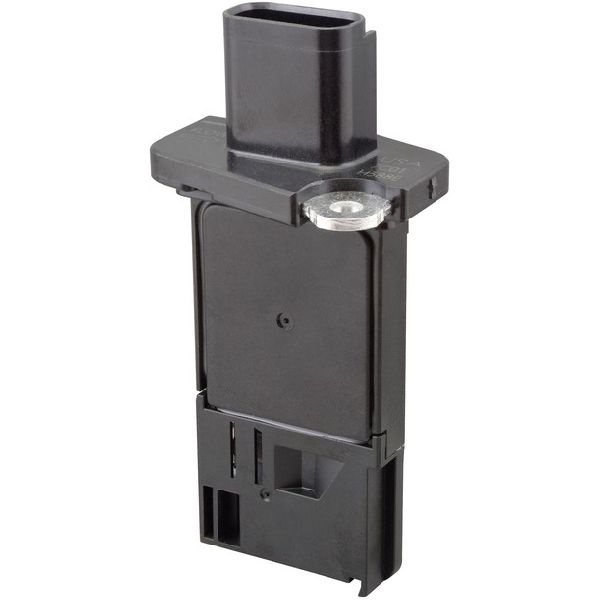
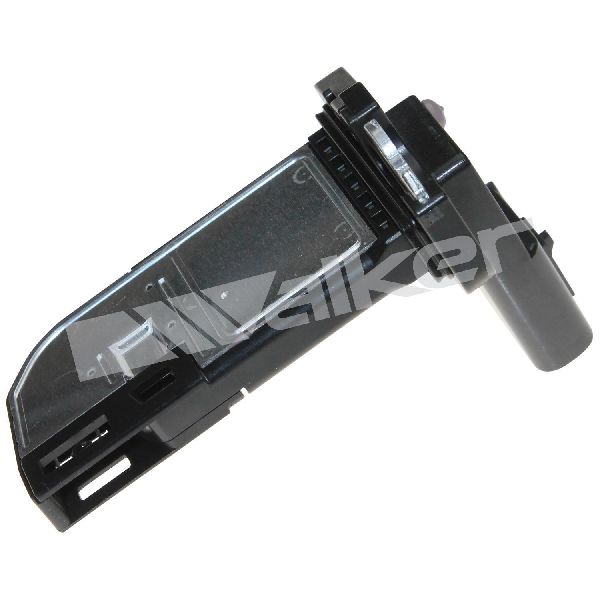
Est. part cost: $10-$150 - Dirty Mass Airflow (MAF) Sensor 🟡 Medium Probability Dirt or oil from the PCV system can contaminate the MAF sensor's sensing wire, causing it to under-report the amount of air entering the engine. The PCM then injects too little fuel, creating a lean condition that typically affects both banks (P0171 and P0174).
How to confirm: Remove the sensor and visually inspect for contamination. A scan tool can also show lower-than-expected airflow readings (g/s) at idle and under load. If P0171 is also present, the MAF is a more likely culprit.
Typical fix: Clean the sensor with a dedicated MAF sensor cleaner spray. Do not touch the sensor wires. If cleaning doesn't resolve the issue, the sensor may need to be replaced.
Est. part cost: $10-$15 (cleaner) or $70-$200 (replacement sensor) - Failing Upstream Oxygen (O2) Sensor ⚪ Low Probability
How to confirm: A failing O2 sensor can get 'stuck' reading lean, causing the code. However, it's more likely the sensor is correctly reporting a lean condition caused by something else. Use a scan tool to monitor the Bank 2, Sensor 1 voltage. If it's stuck low (e.g., under 0.3V) and doesn't fluctuate, it may be faulty. This should only be suspected after ruling out vacuum leaks and MAF issues.
Typical fix: Replace the Bank 2, Sensor 1 (upstream) oxygen sensor. On the Transit V6, this is the sensor on the driver's side, before the catalytic converter.
Est. part cost: $50-$150
Rare But Worth Checking
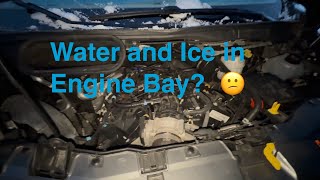
- Water Intrusion in Engine Compartment: While the primary TSBs for this issue (TSB 19-2091, TSB 17-0014, superseded by TSB 18-2321) apply to earlier model years (2015-2018), the underlying design of the windshield cowl drain can still cause problems. Owners of 2020 models have documented water overflowing from the cowl and dripping onto the engine and electrical components. This can saturate the air filter, leading to various performance codes including P0174. Check the air filter for any signs of moisture or water staining.
- Low Fuel Pressure / Weak Fuel Pump: If the engine isn't receiving enough fuel, it can cause a lean condition. This would typically affect both engine banks and set a P0171 code as well. A fuel pressure test using a gauge on the fuel rail can confirm if pressure is below specification.
- Loose or Corroded Battery Terminal: In some cases, a poor electrical connection at the battery can cause erratic sensor readings and trigger false codes. One owner reported a P0174 code that was resolved by cleaning and tightening a loose battery terminal. This is a simple check to perform before more complex diagnostics.
Diagnosis Steps
- Check for other stored trouble codes. If EVAP codes (P04xx) are present, immediately suspect the issue from TSB 21-2106.
- For vehicles built on or before Nov 30, 2020, perform the check outlined in TSB 21-2106. Inspect the evaporator emissions fresh air vent line near the fuel tank for kinks. If found, correct the routing and secure with a zip tie.
- Inspect the air filter for signs of water saturation. Check the cowl drain area at the base of the windshield for clogs (leaves, debris) that could cause water to overflow into the engine bay.
- Perform a smoke test to check the entire air intake system for vacuum leaks. Pay close attention to the upper intake manifold gaskets, the PCV valve and its hoses, and the air duct between the MAF sensor and throttle body.
- Remove and inspect the Mass Airflow (MAF) sensor. If it appears dirty, clean it with dedicated MAF sensor cleaner and re-test. Do not touch the internal wires.
- Using a scan tool, monitor the short-term and long-term fuel trims (STFT/LTFT). High positive numbers (+10% or more) confirm the lean condition. If trims are high at idle but normalize with increased RPM, a vacuum leak is the most likely cause. If trims worsen with RPM, a fuel delivery or MAF issue is more probable.
- If no vacuum leaks are found and the MAF is clean, check fuel pressure using a fuel pressure gauge to ensure the fuel pump and filter are functioning correctly.
- As a final step, inspect the Bank 2 upstream O2 sensor's live data on a scan tool. If it appears to be responding slowly or is stuck low (below 0.3V), it may be the cause, but this is less common.
Parts You'll Likely Need
- Zip Tie — To secure the kinked evaporator emissions fresh air vent line as per TSB 21-2106, which is a primary cause for this code on this vehicle.
OEM price range: $1
Aftermarket price range: $1 - Mass Airflow (MAF) Sensor Cleaner — A dirty MAF sensor is a common cause of lean codes, especially if P0171 is also present. Cleaning is a cost-effective first step before replacement.
Trusted brands: CRC, WD-40
Aftermarket price range: $10-$15 - Intake Manifold Gasket Set
(OEM #AA5Z-9439-B (EcoBoost, Oval Port, Set of 6))— Failed intake manifold gaskets are a common source of vacuum leaks that cause lean codes on Ford's 3.5L engines.
Trusted brands: Motorcraft, Fel-Pro
OEM price range: $50-$100
Aftermarket price range: $25-$60 - Upstream Oxygen Sensor (Bank 2, Sensor 1)
(OEM #Motorcraft DY-1674 (for 3.5L Naturally Aspirated))— If the sensor itself fails, it can send false lean signals, though this is less common than other causes. This is the driver's side upstream sensor.
Trusted brands: Motorcraft, Bosch, Denso, NGK
OEM price range: $100-$180
Aftermarket price range: $50-$150
Related Codes That Often Appear With This One
- P0171 — System Too Lean (Bank 1). When both codes are present, it points to a problem affecting the entire engine, like a dirty MAF sensor, a large vacuum leak before the intake manifold splits, or low fuel pressure.
- P0451, P0455, P0456, P0496, P1450 — These are EVAP system codes. TSB 21-2106 explicitly links them with P0174 as being caused by the same kinked evaporator emissions fresh air vent line.
Technical Service Bulletins (TSBs) & Recalls
- TSB 21-2106: Addresses a kinked evaporator emissions fresh air vent line causing P0174 and other EVAP codes on 2017-2021 Transit models with gas engines.
- TSB 18-2321 (supersedes 19-2091, 17-0014): Addresses water ingress from the cowl area on 2015-2018 models, which is relevant context for similar owner complaints on 2020-2021 models.
Platform-Specific Known Issues
- TSB 21-2106: Kinked EVAP Vent Line: On vehicles built on or before November 30, 2020, a kinked evaporator emissions fresh air vent line can cause P0174, often accompanied by EVAP codes and slow fuel filling. The fix is to reroute the line and secure it with a zip tie.
- Cowl Drain Water Leak: Though official TSBs (like 18-2321) cover earlier models, the design flaw persists. The cowl drains under the windshield can clog easily, causing rainwater to overflow into the engine bay, potentially saturating the air filter or dripping on electrical connectors, leading to lean codes.
Mechanic-Grade Diagnostic Values
- Long-Term Fuel Trim (LTFT) — expected: Between -5% and +5% at idle on a warm engine.. Failure: Sustained positive values above +15% indicate the PCM is compensating for a lean condition. The code typically sets when LTFT exceeds +20-25%.
- Mass Airflow (MAF) Sensor Reading at Idle — expected: 2 to 7 grams/second (g/s) on a warm engine. A rule of thumb is approximately double the engine's displacement in liters (e.g., a 3.5L engine should be around 7 g/s).. Failure: Significantly lower readings suggest the sensor is dirty or failing, causing it to under-report airflow and lead to a lean condition.
- Mass Airflow (MAF) Sensor Reading at 2500 RPM — expected: 15 to 25 grams/second (g/s).. Failure: A reading that does not increase linearly with RPM or is significantly lower than expected points to a faulty sensor or a leak in the intake tract after the sensor.
Hidden / Shadow Codes Worth Checking
- N/A (Informational): A skewed Mass Airflow (MAF) sensor can be a primary cause of P0174 without setting a separate MAF-specific trouble code (P0100-P0104). (see via This is diagnosed by observing MAF g/s and fuel trim data on a scan tool, not by a specific hidden code.)
- Lean Adaptive Limit Reached: Some advanced scan tools may display this text in addition to the P0174 code, which explicitly states the PCM can no longer compensate for the lean condition by adding fuel. (see via Visible on some professional-grade scan tools as part of the code description.)
Scan Tool Commands That Help
- Ford IDS, FORScan, or other capable scan tool: Reset KAM (Keep Alive Memory) — After replacing a component that affects the air/fuel ratio (like a MAF sensor, O2 sensor, or fuel injectors) or fixing a vacuum leak. This command clears the PCM's learned fuel trim adjustments and other adaptive strategies, forcing it to relearn based on the new, correct conditions. A simple battery disconnect may not reliably clear KAM on modern vehicles.
"I Checked Everything" — The Actual Cause
- A stuck-open EVAP purge valve was the cause. This introduces unmetered fuel vapor into the intake manifold, acting as an internal vacuum leak. A standard smoke test of the intake manifold and vacuum hoses may come back clean because the leak source is the valve itself. The issue can be diagnosed by unplugging the valve's electrical connector, starting the engine, and checking for vacuum at the valve's inlet port from the charcoal canister; there should be no vacuum if the valve is properly closed.
OEM Part Supersession History
AA5Z-6A666-D→KR3Z-6A666-A— Part has been updated by the manufacturer.
Heads up: The new part number KR3Z-6A666-A is the correct replacement for the older part.
Model Year Variations Within This Range
- 2020 and some 2021 models: Per TSB 21-2106, Transit vehicles built on or before November 30, 2020, are prone to a kinked evaporator emissions fresh air vent line causing P0174. Vehicles built after this date are less likely to have this specific issue.
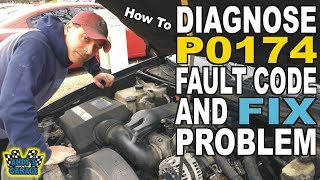
Helpful Videos

Used OEM Parts in Stock
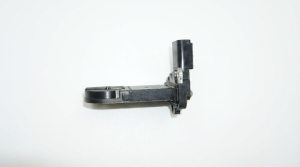

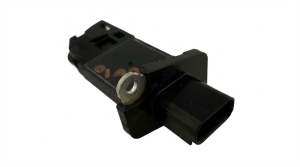
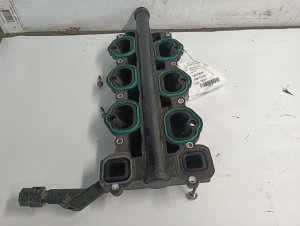

New Aftermarket Parts Available




The information in this article is provided for general reference and educational purposes only. Vehicle specifications, procedures, and part compatibility can vary by production date, trim level, and region. Always consult your vehicle's factory service manual and verify part numbers before purchasing or performing repairs. Safety-critical components such as airbags, seat belts, and braking systems should be installed by a qualified professional.
- Ford TRANSIT:
- 🎬 Helpful Videos
- 🛍️ Shop This Part
- What's Unique About the 2020-2021 Ford TRANSIT
- Diagnostic Flowchart
- Symptoms You May Notice
- Most Likely Causes
- Rare But Worth Checking
- Diagnosis Steps
- Parts You'll Likely Need
- Related Codes That Often Appear With This One
- Technical Service Bulletins (TSBs) & Recalls
- Platform-Specific Known Issues
- Mechanic-Grade Diagnostic Values
- Hidden / Shadow Codes Worth Checking
- Scan Tool Commands That Help
- "I Checked Everything" — The Actual Cause
- OEM Part Supersession History
- Model Year Variations Within This Range
- 🎟️ Get 5% Off