

P0174 on 2014-2018 Chevrolet Traverse: Lean Bank 2 Causes and Fixes
On a 2014-2018 Traverse, P0174 almost always points to unmetered air entering the engine. The most common culprits are a faulty EVAP purge valve sticking open or a vacuum leak from a cracked PCV tube. When seen with P0171, it's a system-wide leak. A purge valve is about $25-$50 for the part and is an easy DIY fix often resolving the issue in under 30 minutes.
- P0174 on a Traverse is overwhelmingly caused by unmetered air entering the engine, not a fuel problem.
- The top two suspects are a faulty EVAP purge valve and a cracked PCV hose. Both are relatively inexpensive and easy to inspect.
- Do not replace the oxygen sensor unless you have definitively ruled out all possible vacuum leaks and MAF sensor issues.
- If you also have a P0171 code, the problem is almost certainly a vacuum leak affecting the whole engine.
- A smoke test is the most reliable method for finding a hidden vacuum leak if a visual inspection reveals nothing.
What's Unique About the 2014-2018 Chevrolet TRAVERSE

The 3.6L V6 engine (LFX/LFY) used in this generation of Traverse and its platform mates (Acadia, Enclave) is known for developing vacuum leaks that cause lean codes like P0174 and its companion P0171. A very common failure point is the EVAP purge valve sticking open, creating a constant vacuum leak that the computer can't account for. Additionally, the PCV system, particularly the 'foul' or 'dirty' air tube connecting to the intake manifold, can become brittle and crack, leading to similar unmetered air issues. This specific failure was the subject of GM's own engineering bulletin PIE-0433A.
Diagnostic Flowchart

Tap your situation to follow the diagnostic path that matches what you're seeing on this vehicle.
Generation note: This range covers two generations. The 2014-2017 models are the first generation, and the 2018 model is the first year of the second generation. Both primarily use a 3.6L V6 engine (LFX for Gen 1, LFY for Gen 2), and the common causes for P0174 are largely the same across these model years as they share similar engine architecture and emissions components.
Symptoms You May Notice

- Check Engine Light is on
- Rough or unstable idle
- Hesitation or stumbling during acceleration
- Reduced engine power
- Poor fuel economy
- Engine misfires, which may trigger a P0300 code
- Hard starting, especially after refueling (strong indicator of a stuck-open purge valve)
- A faint whistling or hissing sound at idle from a vacuum leak
- Replacing the Bank 2 oxygen sensor without first checking for vacuum leaks. The O2 sensor is typically reporting the problem, not the cause of it.
- Replacing the MAF sensor without first attempting to clean it with a dedicated cleaner.
Most Likely Causes

- Faulty EVAP Purge Valve 🔴 High Probability The purge valve on many GM vehicles, including the Traverse, is known to fail by sticking open. This creates a direct, unmetered vacuum leak from the fuel tank vapor system into the intake manifold. This is a very frequent failure part discussed in owner forums.
How to confirm: With the engine running at idle, disconnect the electrical connector from the purge valve. Then, disconnect the vapor line that runs from the valve to the charcoal canister (usually the line coming from the rear of the vehicle). Place your finger over the valve's port. If you can feel any suction, the valve has failed and is stuck open.
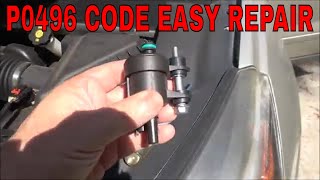
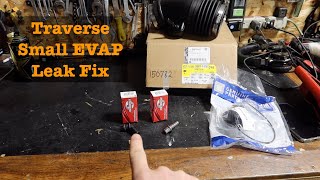
Typical fix: Replace the EVAP purge valve solenoid. It is located on top of the engine, secured by a single 10mm bolt, making it a very simple DIY replacement that often takes less than 15 minutes. 🎬 Watch: See this simple purge valve replacement walkthrough.
Est. part cost: $25-$50 - Vacuum Leak (PCV System, Intake Gaskets) 🔴 High Probability The PCV system includes plastic tubes that become brittle from engine heat and age, leading to cracks. GM issued a technical bulletin (PIE-0433A) to investigate leaks specifically at the 'foul' PCV tube-to-manifold connection for this exact code. Intake manifold gaskets can also degrade and fail, causing a leak that typically affects both banks (P0171 and P0174).
How to confirm: Perform a visual inspection of all vacuum hoses, especially the PCV tube that connects to the rear of the intake manifold. A smoke test is the most effective professional method to find the source of a vacuum leak by forcing smoke into the intake and watching where it escapes.
Typical fix: Replace the cracked PCV hose or faulty intake gaskets. The PCV fresh air tube and foul air tube are common and relatively inexpensive parts to replace. Intake gasket replacement is more labor-intensive.
Est. part cost: $20 (PCV tube) - $250 (intake gaskets parts & labor) - Dirty or Faulty Mass Airflow (MAF) Sensor 🟡 Medium Probability The MAF sensor measures the air entering the engine. If it's contaminated with dirt or oil, it will under-report the amount of air, causing the computer to inject too little fuel, leading to a lean condition across both banks.
How to confirm: Remove the sensor from the intake tube and inspect the small wires for any debris or film. Cleaning it with a dedicated MAF sensor cleaner is a good first step. If the problem persists, monitor sensor data with a scan tool; a very low g/s reading at idle can indicate a problem.
Typical fix: Clean the MAF sensor with a specialized cleaner. Do not touch the sensor wires. If cleaning doesn't work, the sensor must be replaced.
Est. part cost: $10 (cleaner) - $120 (new sensor) - Low Fuel Pressure ⚪ Low Probability
How to confirm: Connect a fuel pressure gauge to the fuel rail's service port. Check that the pressure is within the manufacturer's specified range (consult service manual). A weak fuel pump or clogged fuel filter can cause low pressure.
Typical fix: Replace the clogged fuel filter or the failing in-tank fuel pump module.
Est. part cost: $30 (filter) - $400 (pump)
Rare But Worth Checking
- Faulty Oxygen (O2) Sensor: While possible, a faulty O2 sensor is often misdiagnosed. The sensor is usually doing its job by correctly reporting the lean condition caused by another issue. Only replace it after ruling out all other causes, especially vacuum leaks.
- Exhaust Leak: A crack or leak in the exhaust manifold or pipe before the upstream O2 sensor (Bank 2, Sensor 1) can allow outside air to be pulled in, making the sensor read a false lean condition.
- Cracked Intake Manifold: Less common than a gasket failure, the plastic intake manifold itself can develop a hairline crack, creating a hard-to-find vacuum leak. This would typically be found with a smoke test.
Diagnosis Steps
- Use an OBD-II scanner to confirm P0174 and check for any other codes, especially P0171 or P0496, which strongly point to a shared cause.
- Check live data on the scanner. Observe the Short-Term (STFT) and Long-Term Fuel Trim (LTFT) for Bank 2 (and Bank 1). Consistently high positive numbers (e.g., >15-20% combined) confirm the ECM is adding fuel to combat a lean condition.
- Test the EVAP Purge Valve: This is the most common culprit. With the engine idling, disconnect the electrical plug and the vapor line from the valve. Place your finger on the valve's inlet port. If you feel suction, it is stuck open and must be replaced.
- Perform a thorough visual inspection: Look for cracked, disconnected, or brittle vacuum hoses, especially the PCV lines around the intake manifold and the air intake boot between the MAF sensor and the throttle body.
- Perform a smoke test: If no obvious leaks are found, a smoke test is the definitive way to identify hard-to-see leaks in the intake manifold, gaskets, PCV system, or other vacuum lines.
- Clean the Mass Airflow (MAF) Sensor: If no vacuum leaks are found (especially if P0171 is also present), remove and clean the MAF sensor using a dedicated MAF sensor cleaner. 🎬 Watch: How to diagnose lean codes and clean the MAF. Let it dry completely before reinstalling.
- Check Fuel Pressure: If the issue persists, test the fuel pressure to rule out a weak fuel pump or clogged filter. Compare readings to the manufacturer's specifications.
- As a final step, test the Bank 2, Sensor 1 oxygen sensor to ensure it is functioning correctly, but only after ruling out all other possibilities.
Parts You'll Likely Need
- EVAP Purge Valve Solenoid
(OEM #12690512 (supersedes 12610560))— This is a very common failure item on GM 3.6L engines that directly causes lean codes by sticking open. It is the highest probability fix.
Trusted brands: ACDelco, Bosch, Dorman
OEM price range: $40-$60
Aftermarket price range: $25-$45 - PCV Foul Air Tube
(OEM #12634302)— This specific tube connects to the intake manifold and is prone to cracking from heat, causing a significant vacuum leak. This was the focus of GM TSB PIE-0433A.
Trusted brands: ACDelco, Dorman
OEM price range: $25-$40
Aftermarket price range: $15-$30 - Mass Airflow (MAF) Sensor
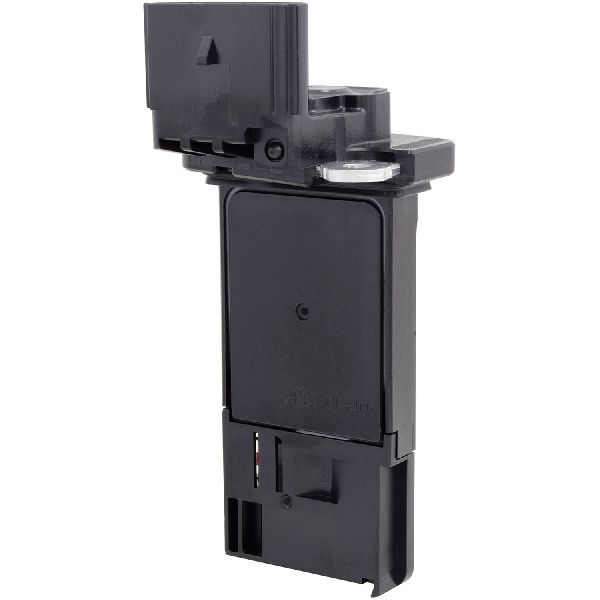
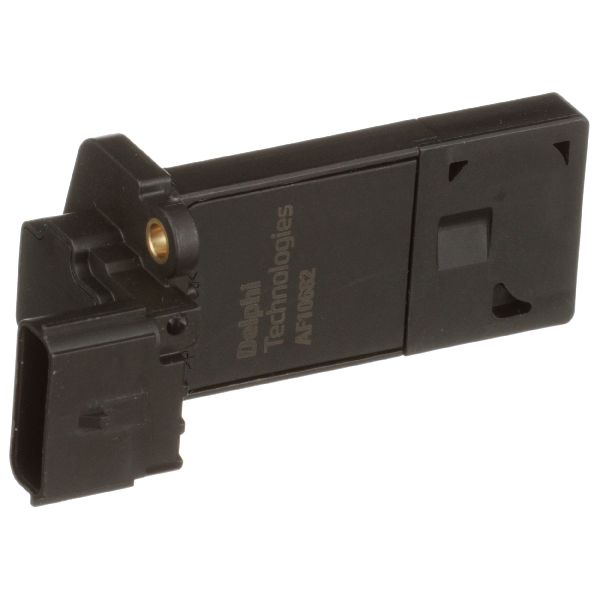
(OEM #23262343)— A dirty or failed MAF sensor provides incorrect air measurement to the ECM, causing a lean condition across both banks. It should be cleaned before being replaced.
Trusted brands: ACDelco, Bosch, Denso
OEM price range: $120-$150
Aftermarket price range: $70-$110
Related Codes That Often Appear With This One
- P0171 — This is the lean code for Bank 1. When both P0171 and P0174 are present, it strongly suggests a vacuum leak that affects the entire engine, such as a faulty MAF sensor, a large intake gasket leak, or a stuck-open EVAP purge valve.
- P0496 — This code indicates an EVAP system flow issue during a non-purge condition. It often appears with P0171/P0174 because the root cause is a purge valve stuck open, causing both the lean condition (unmetered air) and the improper EVAP flow.
- P0300 — This indicates a random/multiple cylinder misfire. A severe lean condition starves the cylinders of fuel, preventing proper combustion and leading to misfires across one or both banks.
Technical Service Bulletins (TSBs) & Recalls
- PIE-0433A: Engineering Information – Malfunction Indicator Lamp (MIL) On, DTCs P0171 Fuel Trim System Lean Bank 1 and/or P0174 Fuel Trim System Lean Bank 2.
Platform-Specific Known Issues
- GM issued an Engineering Information bulletin (PIE-0433A) specifically for P0171 and P0174 on 2014-2018 Traverse, Acadia, and Enclave models with the 3.6L engine. This bulletin directed technicians to gather information on vehicles with these codes, specifically asking them to check for a leak at the 'foul' PCV tube-to-manifold connection. This confirms it was a known issue GM was actively investigating as a primary root cause.
Mechanic-Grade Diagnostic Values
- Long-Term Fuel Trim (LTFT) at idle — expected: Close to 0%, within +/- 5%. Failure: Consistently high positive values (e.g., +15% to +25%). A value at the vehicle's limit (often 20-25%) indicates the ECM is maxed out trying to add fuel.
- Fuel Trims (STFT & LTFT) when RPM is raised from idle to ~2500 RPM — expected: Values should remain relatively stable and close to 0%.. Failure: If high positive fuel trims at idle significantly decrease (move toward 0%) at higher RPM, this strongly indicates a vacuum leak. If they stay high or get higher, it points more toward a fuel delivery issue.
- Mass Airflow (MAF) Sensor Reading at idle (warm engine) — expected: Approximately the same grams/second (g/s) as the engine displacement. For the 3.6L V6, this is around 3.6 g/s. A healthy range is often cited as 2-7 g/s depending on conditions.. Failure: A reading significantly lower than the engine displacement (e.g., 2.4 g/s) when fuel trims are high suggests unmetered 'pirate' air is entering the engine after the MAF sensor.
- Fuel Pressure (Low Pressure System) — expected: While not definitively specified for the Traverse in the search, similar GM platforms require 55-62 PSI. This should be used as a general guide and confirmed with a service manual.. Failure: Pressure significantly below the specified range indicates a weak fuel pump or clogged filter.
Scan Tool Commands That Help
- GDS2 / Tech2 / Professional Scan Tool: Live Data Monitoring (Fuel Trims, MAF, O2 Sensors) — This is the primary diagnostic step. Observing Short-Term and Long-Term Fuel Trims at idle and under load (2500 RPM) is critical to determine if the lean condition is from a vacuum leak (improves with RPM) or fuel delivery issue (worsens with RPM).
- GDS2 / Tech2 / Professional Scan Tool: EVAP Purge/Seal — This bidirectional command allows the technician to command the EVAP purge solenoid closed. This can be used in conjunction with a smoke machine to test the rest of the EVAP system for leaks without interference from an open valve.
Wiring & Ground Locations
- Bank 2 — The bank of cylinders located closer to the firewall on the transverse-mounted 3.6L V6.. P0174 is specific to Bank 2. This determines which oxygen sensors (Bank 2 Sensor 1 and Bank 2 Sensor 2) and which cylinder bank to inspect.
- Bank 2, Sensor 1 (Upstream O2 Sensor) — Located on the rear exhaust manifold (closer to the firewall), before the catalytic converter.. This is the primary sensor that detects the lean condition and reports it to the ECM, triggering the P0174 code.
- G101 (Reference from similar GM platform) — On a similar GM platform, this ground is located on the engine block and serves as the ground for the ECM and MAF sensor.. A poor ground at this location could cause erratic signals from the MAF sensor or improper ECM calculations, potentially leading to lean codes. While not confirmed for the Traverse specifically, checking major engine and ECM grounds is a valid diagnostic step for unexplained electronic issues.
Real Owner Repair Stories
- YouTube channel 'autoedits' (2012 Chevrolet Traverse 3.6L) — P0171 and P0174 codes, with long-term fuel trims at +36% and +40%. MAF sensor reading was very low at 2.38 g/s.
❌ Tried (didn't work) The technician immediately suspected unmetered air due to the low MAF reading and did not show other failed attempts.
✅ What actually fixed it The EVAP purge valve was stuck open. This was confirmed by unplugging the valve while the engine was running and feeling suction on the inlet port. Placing a finger over the port caused the short-term fuel trims to immediately trend negative, confirming this was the source of the unmetered air. Replacing the EVAP purge valve resolved the issue. - YouTube channel 'Flat Rate Mechanic' (2003 GMC Yukon 5.3L (similar GM lean code diagnosis)) — P0174 code (and lean condition on Bank 1, though no code was set). LTFTs were +21% and +23%.
❌ Tried (didn't work) Cleaning the MAF sensor helped, but did not fully resolve the issue (trims dropped to ~17%)., Checking fuel pressure, which was slightly below spec but did not worsen with RPM, ruling it out as the primary cause.
✅ What actually fixed it Replacing the Mass Airflow (MAF) sensor. After replacement, the short-term fuel trims went negative to compensate for the high positive long-term trims, indicating the ECM was now receiving a correct airflow reading and was re-learning. This confirmed the new MAF sensor fixed the lean condition.
"I Checked Everything" — The Actual Cause
- If a smoke test of the intake manifold and vacuum lines comes back clean, the cause is often a component that isn't typically checked during a standard smoke test. The most common example for the Traverse is a stuck-open EVAP purge valve. This allows unmetered air from the fuel tank to enter the intake, but since it's part of the EVAP system, it might be overlooked. A dirty MAF sensor that under-reports airflow will also not be found by a smoke test, as there is no physical leak for smoke to escape.
When the Usual Fixes Don't Work
- While the EVAP purge valve and PCV system are extremely common causes, they are not the only ones. In one documented case on a similar GM vehicle, after cleaning the MAF sensor provided only a partial improvement, a full replacement of the MAF sensor was required to resolve the high fuel trims. This serves as a reminder to follow the diagnostic data; if fuel trims do not respond to RPM changes in the way expected for a vacuum leak, other causes like a faulty MAF sensor or fuel delivery issues should be investigated more closely.
OEM Part Supersession History
12610560, 12661763→12690512— Updated design/revision for the EVAP Purge Valve Solenoid.
Model Year Variations Within This Range
- 2014-2017 (Gen 1) vs 2018 (Gen 2): The engine was updated from the LFX V6 to the LFY V6 in 2018. However, for the purposes of diagnosing P0174, the causes are nearly identical. Both engines use similar emissions systems, and the primary culprits (EVAP purge valve, PCV system) are known failure points on both. GM Technical Service Bulletin PIE-0433A, which addresses this code, explicitly covers both LFX and LFY engines across the 2014-2018 model year range.
Helpful Videos
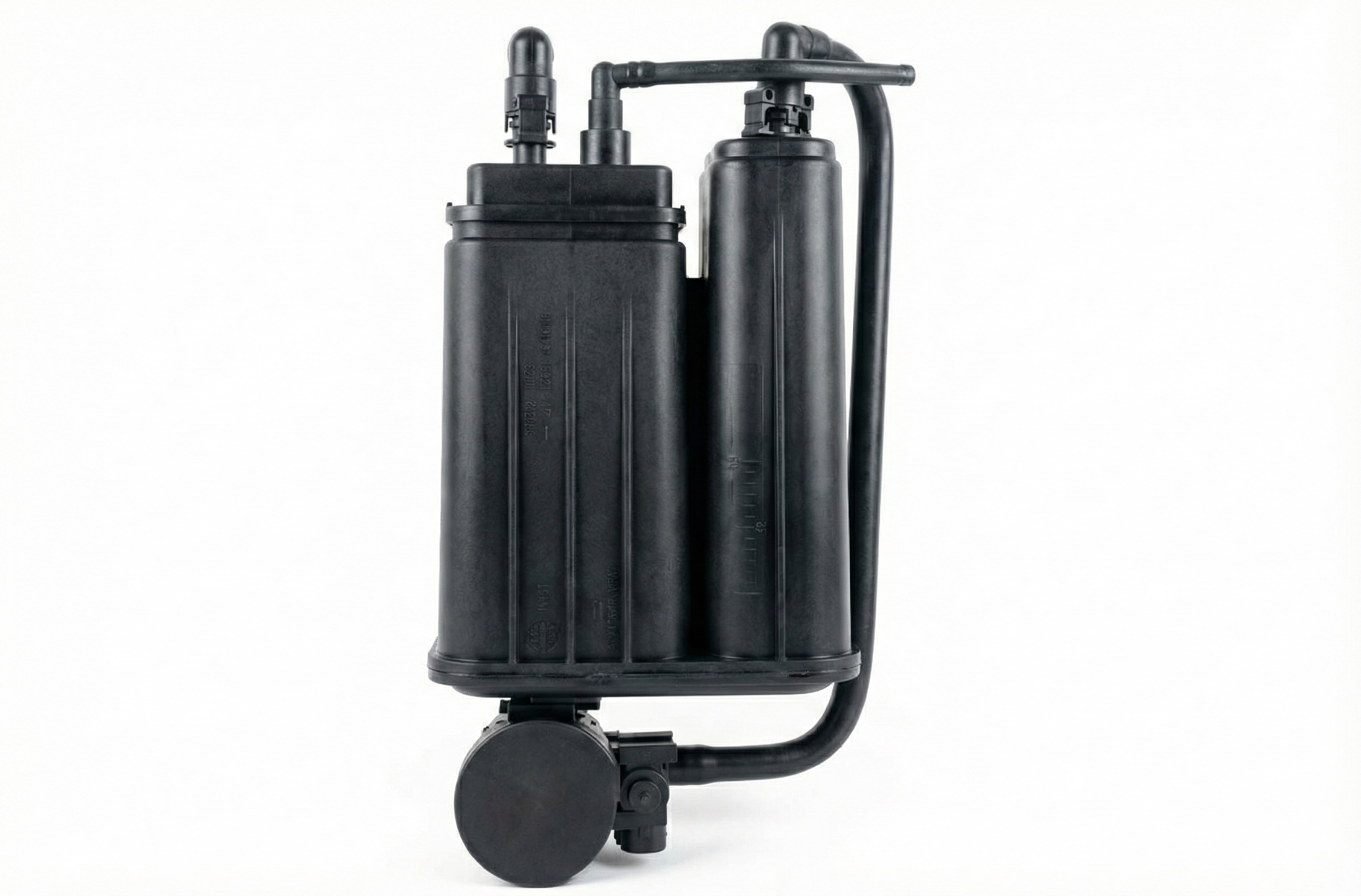
Used OEM Parts in Stock

New Aftermarket Parts Available


The information in this article is provided for general reference and educational purposes only. Vehicle specifications, procedures, and part compatibility can vary by production date, trim level, and region. Always consult your vehicle's factory service manual and verify part numbers before purchasing or performing repairs. Safety-critical components such as airbags, seat belts, and braking systems should be installed by a qualified professional.
- Chevrolet TRAVERSE:
- 🎬 Helpful Videos
- 🛍️ Shop This Part
- What's Unique About the 2014-2018 Chevrolet TRAVERSE
- Diagnostic Flowchart
- Symptoms You May Notice
- Most Likely Causes
- Rare But Worth Checking
- Diagnosis Steps
- Parts You'll Likely Need
- Related Codes That Often Appear With This One
- Technical Service Bulletins (TSBs) & Recalls
- Platform-Specific Known Issues
- Mechanic-Grade Diagnostic Values
- Scan Tool Commands That Help
- Wiring & Ground Locations
- Real Owner Repair Stories
- "I Checked Everything" — The Actual Cause
- When the Usual Fixes Don't Work
- OEM Part Supersession History
- Model Year Variations Within This Range
- 🎟️ Get 5% Off