

P0174 on 2015-2018 Chevrolet Tahoe: Lean Condition Causes and Fixes
Code P0174 on a 2015-2018 Tahoe most often means there's a vacuum leak from a failed intake manifold gasket or an issue with the Mass Airflow (MAF) sensor. Inspecting the air filter housing for casting flash (per a TSB) and smoke testing the intake are the first steps.
- P0174 means the passenger side of your engine is getting too much air or not enough fuel.
- The most likely causes on a 2015-2018 Tahoe are a vacuum leak from a bad intake manifold gasket or an issue with the MAF sensor.
- Always check for the specific issue mentioned in TSB #PIP5446A: plastic flashing inside the air filter box near the MAF sensor.
- A smoke test is the most effective way to find a vacuum leak.
- Don't replace the O2 sensor unless you have ruled out vacuum leaks and MAF sensor problems first.
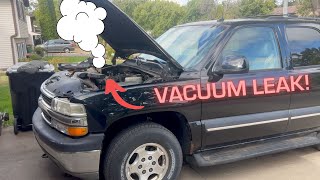
What's Unique About the 2015-2018 Chevrolet TAHOE 🎬 Watch: Common causes and fixes for the Tahoe P0174 code
On the 2015-2018 Tahoe with the EcoTec3 V8 engines, this code is frequently linked to specific, documented issues. A GM Technical Service Bulletin (TSB PIP5446A) points to excess plastic flashing in the air filter housing that can disrupt the Mass Airflow (MAF) sensor, causing lean codes. Additionally, while the intake manifold gasket design was improved over the previous generation, they are still a common failure point, creating vacuum leaks that are a primary cause of P0174, often becoming noticeable during cold weather snaps.
Diagnostic Flowchart
Tap your situation to follow the diagnostic path that matches what you're seeing on this vehicle.
Symptoms You May Notice
- Check Engine Light is on
- Rough or unstable idle, sometimes worse on a cold start.
- Engine sputtering or hesitation, especially on light acceleration.
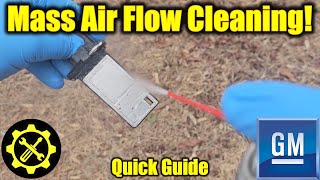
- Harsh shifting between 1st, 2nd, and 3rd gears. 🎬 See how cleaning your MAF sensor can fix harsh shifting
- Reduced engine power and poor acceleration.
- An audible hissing or sucking sound from the engine bay, indicating a vacuum leak.
- A drop in fuel economy due to the inefficient air/fuel mixture.
- Replacing the oxygen sensor first. The O2 sensor is the messenger, not the cause. It is correctly reporting the lean condition created by a vacuum leak or MAF issue. Replacing the sensor will not fix the underlying problem.
Most Likely Causes
- Faulty or Dirty Mass Airflow (MAF) Sensor 🔴 High Probability A specific GM TSB (#PIP5446A) identifies that excessive casting flash (extra plastic) in the air filter housing can disrupt airflow across the MAF sensor, causing erratic readings and lean codes P0171 and P0174. The sensor can also become contaminated with dirt and oil, skewing its readings without setting a specific MAF code.
How to confirm: Visually inspect the inside of the air filter housing lid near the MAF sensor for plastic flash. Remove and clean the MAF sensor with a dedicated MAF sensor cleaner. Monitor MAF readings with a scan tool at idle; a healthy 5.3L engine should read approximately 5.0-7.0 g/s.
Typical fix: If casting flash is found, the air filter housing lid should be replaced. If the sensor is dirty, cleaning it often resolves the issue. If cleaning doesn't work or the sensor tests faulty, it needs to be replaced.
Est. part cost: $5-$15 (cleaner), $95-$165 (sensor) - Vacuum Leak (Intake Manifold Gasket) 🔴 High Probability The intake manifold gaskets on the 5.3L and 6.2L EcoTec3 engines are a known failure point. The rubber seals can harden and shrink over time from engine heat cycles, allowing unmetered air to enter the engine. The leak is often more pronounced in cold weather when materials contract, which is why many owners first see the check engine light on a cold morning.
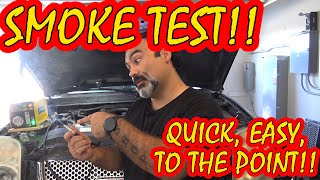
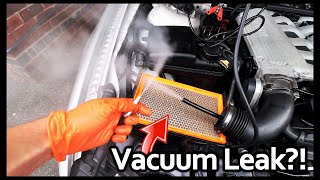
How to confirm: Perform a smoke test on the intake system; smoke will be seen escaping from the leaking gasket area. 🎬 Watch this quick guide on how to perform a smoke test A common DIY method is to carefully spray brake cleaner or a propane torch (unlit) near the gasket sealing surface with the engine running; a noticeable change in engine idle (a surge or stumble) indicates a leak as the combustible vapor is sucked in.
Typical fix: Replace the intake manifold gaskets. This requires removing the intake manifold. It is recommended to thoroughly clean the mating surfaces on the cylinder heads before installing the new gaskets.
Est. part cost: $30-$60 - Vacuum Leak (PCV Hoses/System) 🟡 Medium Probability The PCV system contains plastic tubes and rubber hoses that become brittle and crack with age and heat exposure. A common failure point is the 'dirty air' PCV tube on the driver's side of the intake manifold, which can be rubbed through by the decorative engine cover.
How to confirm: Visually inspect all vacuum and PCV hoses for obvious cracks, splits, or loose connections, paying special attention to the tube near the back of the intake manifold on the driver's side. A smoke test is the most effective way to find small or hidden cracks.
Typical fix: Replace the cracked or broken hose. If the engine cover caused the damage, consider adding a protective conduit or ensuring the cover is seated correctly.
Est. part cost: $15-$50 - Faulty Upstream Oxygen Sensor (Bank 2) ⚪ Low Probability While less common than leaks or MAF issues, the Bank 2, Sensor 1 (upstream) O2 sensor can fail or become slow to respond. It may send an incorrect, biased-low voltage signal to the ECM, falsely indicating a lean condition.
How to confirm: Use a scan tool to monitor the O2 sensor voltage graph. A healthy upstream sensor should fluctuate rapidly between approximately 0.1 and 0.9 volts. A sensor that is stuck low (e.g., below 0.2V) or responds very slowly is likely faulty.
Typical fix: Replace the Bank 2, Sensor 1 oxygen sensor. Bank 2 is on the passenger side of the engine.
Est. part cost: $45-$90
Rare But Worth Checking
- Low Fuel Pressure: A weak high-pressure fuel pump (on these direct injection engines) or a failing in-tank lift pump can cause lean conditions on both banks (P0171 and P0174). While less likely to cause only P0174, it's worth checking fuel pressure if other causes are ruled out.
- High Ethanol Content in Fuel: TSB #PIP5227 notes that fuel with an ethanol content over 10% (in non-Flex Fuel vehicles) can trigger P0171 and P0174. The computer cannot compensate enough for the different stoichiometric ratio of high-ethanol fuel, resulting in a lean code. This is a possibility if you've recently filled up at an unfamiliar station.
- Clogged Fuel Injector(s) on Bank 2: On these direct-injection engines, carbon buildup or debris can clog an injector, restricting fuel flow to one or more cylinders on Bank 2, contributing to a lean condition on that bank.
- Leaking Brake Booster: The brake booster operates on engine vacuum. A leak in the booster's internal diaphragm can create a significant, unmetered vacuum leak, causing lean codes. One owner reported this as the fix after other common causes were ruled out.
Diagnosis Steps
- Check for other DTCs. Codes like P0171 or P0101 provide important clues to a global engine issue versus a bank-specific one.
- Using a scan tool, observe Long-Term Fuel Trim (LTFT) for Bank 1 and Bank 2 at idle. With P0174, LTFT for Bank 2 will be high (typically +25%). If Bank 1 is also high, suspect a component affecting both banks (MAF sensor, fuel pump, major vacuum leak).
- Visually inspect the engine bay for obvious vacuum leaks, such as cracked or disconnected PCV hoses, especially the tube on the driver's side rear of the intake.
- Perform a smoke test to definitively identify any vacuum leaks. Pay close attention to the intake manifold gaskets, PCV lines, and the brake booster hose.
- Inspect the air filter housing lid for casting flash near the MAF sensor, as described in TSB #PIP5446A.
- Remove and clean the MAF sensor using a dedicated cleaner. Do not touch the delicate sensor wires. Re-install and check fuel trims and MAF g/s readings.
- If no leaks are found and the MAF appears fine, test the fuel pressure to rule out a weak lift pump or high-pressure fuel pump.
- If all else fails, use a scan tool's live data graph to test the Bank 2, Sensor 1 (upstream) oxygen sensor's response. A stuck or slow sensor is faulty.
Parts You'll Likely Need
- Intake Manifold Gasket
(OEM #12626354)— This is a very common failure point on 2015-2018 Tahoes, causing vacuum leaks that trigger the P0174 code. Note: This part number is for a single gasket; 8 are required for a full set.
Trusted brands: ACDelco (OEM), Fel-Pro, Mahle
OEM price range: $5-$8 per gasket
Aftermarket price range: $25-$50 for a set of 8 - Mass Air Flow (MAF) Sensor
(OEM #23262343)— Can become dirty or fail, providing incorrect air readings. It's also implicated in TSB #PIP5446A for these vehicles.
Trusted brands: ACDelco, Hitachi, Delphi, Walker
OEM price range: $95-$150
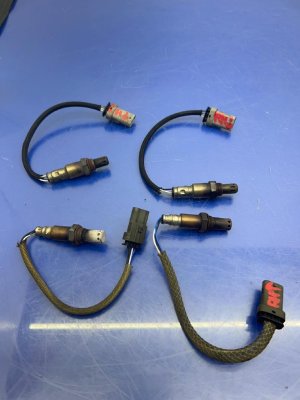
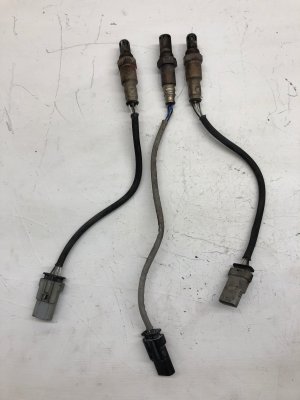
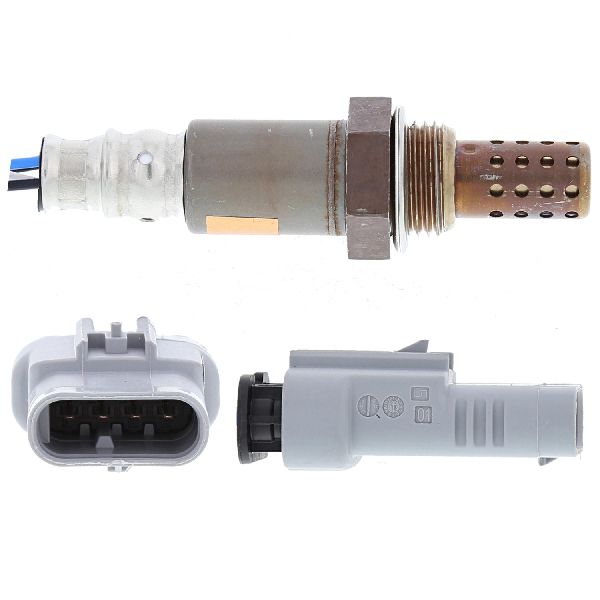
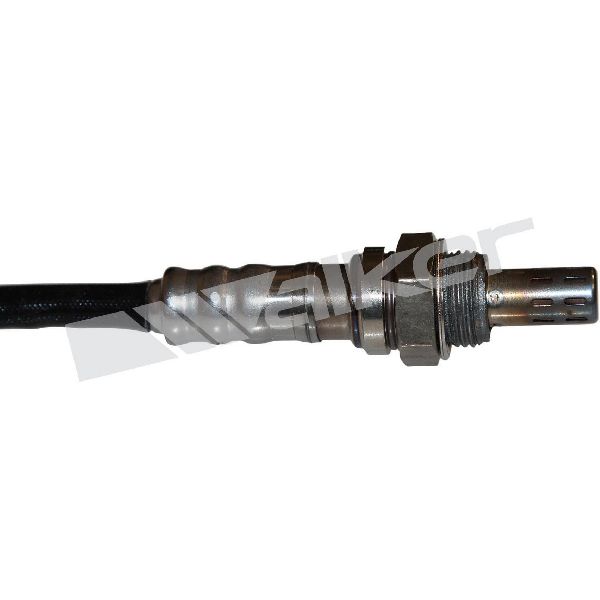
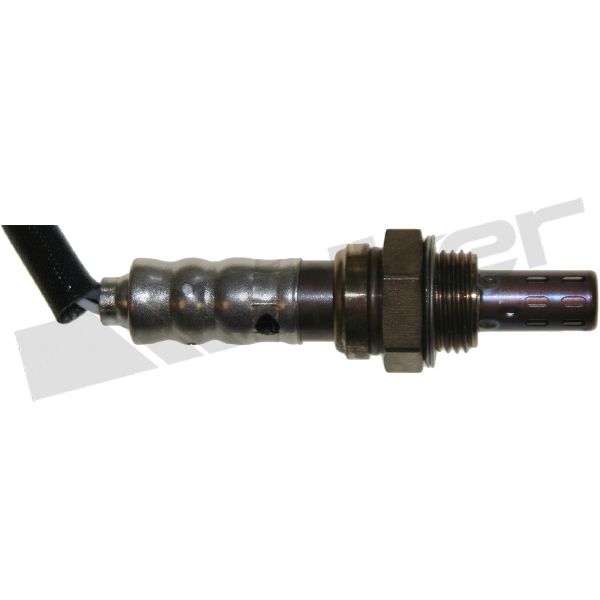
Aftermarket price range: $45-$100 - Upstream Oxygen Sensor (Bank 2, Sensor 1)
(OEM #12666673)— A faulty or slow-responding O2 sensor can incorrectly report a lean condition. It's less common than leaks or MAF issues, but is a potential cause.
Trusted brands: ACDelco (OEM), Denso, Bosch
OEM price range: $60-$100
Aftermarket price range: $45-$90
Related Codes That Often Appear With This One
- P0171 — System Too Lean (Bank 1). This code is very common with P0174 because issues like a faulty MAF sensor, a major vacuum leak (intake gasket, brake booster), or a fuel delivery problem affect the entire engine, causing both banks to run lean.
- P0101 — Mass Air Flow (MAF) Circuit Range/Performance. This code can appear alongside P0174 if the MAF sensor is the root cause, as noted in TSB #PIP5446A, especially if there is casting flash in the airbox.
- P0300 — Random/Multiple Cylinder Misfire Detected. A lean air-fuel mixture burns hotter and slower, which can lead to incomplete combustion and misfires, especially under load.
Technical Service Bulletins (TSBs) & Recalls
- PIP5446A: Harsh Shift 1/2 and 2/3 and Sputter Applying Throttle Between 0 and 30%, Rough idle. Technician may find Diagnostic Trouble Codes P0101, P0171, P0172, P0174, and or P0175. Technician should inspect for cast flashing near the Mass Air Flow sensor.
- PIP5227: Service Engine Soon Malfunction Indicator Lamp on. Technician will find Diagnostic Trouble Codes P0171 and P0174. Technician will need to check the ethanol content of the fuel.
Platform-Specific Known Issues
- TSB #PIP5446A: Air Filter Housing Casting Flash: Notes that excessive casting flash (rough plastic molding) inside the air filter housing lid can disrupt airflow over the MAF sensor. This can cause a rough idle, hesitation, harsh shifting, and set lean/rich codes including P0174 and P0101. The official fix is to inspect for the flash and replace the air filter housing lid if it is present.
- TSB #PIP5227: High Ethanol Content: Warns that on non-Flex Fuel vehicles, using fuel with an ethanol content greater than 10% can trigger lean codes P0171 and P0174. The engine's fuel management system cannot adjust sufficiently for the altered air/fuel ratio required by higher ethanol blends. The fix involves testing the fuel's ethanol content and replacing it with appropriate E10 or less fuel.
- Intake Gasket Failure in Cold Weather: A widely reported owner experience is the sudden appearance of P0171/P0174 codes during the first significant cold snap of the season. The cold temperature causes the aged, hardened rubber of the intake gaskets to contract, opening up or worsening a vacuum leak that might have been negligible in warmer weather.
Mechanic-Grade Diagnostic Values
- Upstream Oxygen Sensor (Sensor 1) Voltage — expected: Fluctuating rapidly between 0.1V and 0.9V in closed loop.. Failure: Voltage is stuck at a specific value (e.g., below 0.2V) or responds very slowly to changes in throttle.
- Low-Pressure Fuel System (In-tank pump) — expected: Should supply a steady 72 PSI (500 kPa) to the high-pressure pump.. Failure: Pressure is significantly below 72 PSI, indicating a weak in-tank pump or clogged filter.
- High-Pressure Fuel System (Engine-mounted pump) — expected: Pressure varies with engine load, commanded by the ECM. Can range from ~290 PSI (2 MPa) at idle to over 2,175 PSI (15 MPa) under high load.. Failure: Actual fuel rail pressure on a scan tool does not match the desired fuel rail pressure, or is consistently low, which may indicate a failing high-pressure fuel pump.
- Long Term Fuel Trim (LTFT) at idle vs. 2500 RPM — expected: Ideally close to 0%. Corrections up to +/- 10% are generally acceptable.. Failure: If LTFT is high at idle (e.g., +25%) but improves (moves closer to 0) at 2500 RPM, this strongly suggests a vacuum leak. If the trim remains high at higher RPM, it points toward a MAF or fuel delivery issue.
Scan Tool Commands That Help
- GDS2 (GM Dealer Tool) or equivalent professional scanner: Fuel Trim Reset — After a repair, such as replacing a MAF sensor or fixing a vacuum leak, this function should be used to clear the learned long-term fuel trim values. This forces the ECM to relearn the fuel strategy immediately with the new/repaired parts, confirming the fix and preventing the old, incorrect values from affecting drivability.
- GDS2 or equivalent: Fuel Pressure Control — Allows a technician to command changes in fuel pressure to test the response of both the low-pressure and high-pressure pumps and regulators, helping to isolate fuel delivery issues without replacing parts.
Wiring & Ground Locations
- ECM Connector X2, Pin 52 — On the main engine control module (ECM).. This is the Mass Air Flow (MAF) Sensor Signal pin (L-GN/WH wire). A poor connection or damaged wire at this pin can cause incorrect MAF readings, leading to P0174.
- ECM Connector X2, Pin 27 — On the main engine control module (ECM).. This is the Heated Oxygen Sensor Low Signal for Bank 2, Sensor 1 (YE/WH wire). This is the primary signal wire the ECM uses to determine the air/fuel ratio for Bank 2. A fault in this circuit will directly impact fuel trims.
- G103 / G104 — On the cylinder heads. One ground is typically on the passenger side cylinder head, and another on the driver's side head.. The main engine wiring harness, including sensors like the MAF and O2 sensors, relies on clean engine block grounds. A loose or corroded ground on a cylinder head can introduce electrical noise and cause erratic sensor readings, leading to lean codes.
Real Owner Repair Stories
- Tahoe Yukon Forum (2007 Yukon XL 6.2L (Similar L92 engine architecture and PCV routing)) — P0171 and P0174 codes, rough idle, STFTs at +25% at idle but normal (0%) at 2500 RPM.
❌ Tried (didn't work) Swapping the MAF sensor and intake tube with a known good part made no difference.
✅ What actually fixed it The user had recently replaced the oil pressure sensor and disturbed the PCV/EVAP lines on the driver's side of the intake manifold. Replacing these two lines, which had cracked clips/boots, significantly improved but did not fully resolve the issue, indicating they were the source of the vacuum leak that only appeared at idle.
"I Checked Everything" — The Actual Cause
- A smoke test will correctly find vacuum leaks from gaskets and hoses, but it will show no leaks if the root cause is the MAF sensor. Per TSB #PIP5446A, casting flash in the air filter housing can disrupt airflow, causing the MAF to under-report the amount of air entering the engine. The ECM then commands insufficient fuel, creating a lean condition that a smoke test cannot detect.
- A weak fuel pump or clogged fuel injectors will not be found with a smoke test. If fuel trims are lean at all RPMs and a smoke test is negative, the next step is to test fuel pressure and evaluate injector performance.
OEM Part Supersession History
20787043, 23118170→23262343— Standard part evolution for Mass Air Flow (MAF) sensor.12625817 (L83/L86 Pump)→12711668 (LT4 Pump)— The high-pressure fuel pump from the supercharged LT4 engine is a common and direct upgrade for L83/L86 engines needing more fuel flow for performance modifications. It is also a more robust replacement part.
Heads up: When replacing the high-pressure fuel pump, GM service information may require the fuel feed line (e.g., part number 12673077) to be replaced at the same time.
Model Year Variations Within This Range
- 2015-2018: Early models in this range primarily used the 6-speed (6L80) automatic transmission. Around 2018, the 8-speed (8L90) became more common. While not a direct cause of P0174, the 8-speed had notable issues with harsh shifting and torque converter shudder that could be confused with engine performance problems.
- 2015-2018: A known issue with the engine-driven brake vacuum pump on 2015-2018 models could cause low vacuum assist, resulting in a soft brake pedal. A failure in this system could also create a vacuum leak, leading to lean codes. GM addressed this with a brake control module recalibration.
Helpful Videos

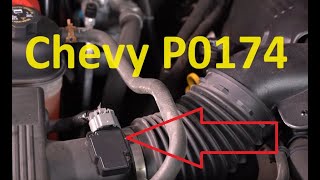
Used OEM Parts in Stock

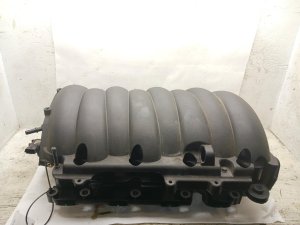

New Aftermarket Parts Available


The information in this article is provided for general reference and educational purposes only. Vehicle specifications, procedures, and part compatibility can vary by production date, trim level, and region. Always consult your vehicle's factory service manual and verify part numbers before purchasing or performing repairs. Safety-critical components such as airbags, seat belts, and braking systems should be installed by a qualified professional.
- Chevrolet TAHOE:
- 🎬 Helpful Videos
- 🛍️ Shop This Part
- What's Unique About the 2015-2018 Chevrolet TAHOE
- Diagnostic Flowchart
- Symptoms You May Notice
- Most Likely Causes
- Rare But Worth Checking
- Diagnosis Steps
- Parts You'll Likely Need
- Related Codes That Often Appear With This One
- Technical Service Bulletins (TSBs) & Recalls
- Platform-Specific Known Issues
- Mechanic-Grade Diagnostic Values
- Scan Tool Commands That Help
- Wiring & Ground Locations
- Real Owner Repair Stories
- "I Checked Everything" — The Actual Cause
- OEM Part Supersession History
- Model Year Variations Within This Range
- 🎟️ Get 5% Off