

P0174 on 2014-2018 Chevrolet Corvette: System Too Lean (Bank 2) Causes and Fixes
On a C7 Corvette, code P0174 is most often caused by a dirty Mass Airflow (MAF) sensor or a known manufacturing flaw in the MAF sensor housing. Cleaning the sensor and inspecting the housing for excess plastic flashing as noted in GM TSB #PIP5446A are the most likely fixes. This is a low-cost, high-success first step. Aftermarket air intakes are also a frequent cause.
- For a P0174 code on a 2014-2018 Corvette, your first and most important check should be the Mass Airflow (MAF) sensor and its housing.
- Inspect the MAF housing for plastic flashing as per TSB #PIP5446A and clean the MAF sensor with dedicated cleaner before attempting any other repairs.
- If P0171 (Bank 1 Lean) is also present, the issue is almost certainly related to a component shared by both engine banks, like the MAF sensor or a vacuum leak at the intake.
- Do not replace the oxygen sensor unless you have confirmed it is faulty through scan tool data; it is usually just reporting the lean condition correctly.
What's Unique About the 2014-2018 Chevrolet CORVETTE
For the C7 Corvette and its platform mates, this common lean code has a very specific, documented cause beyond the usual suspects. General Motors issued Technical Service Bulletin #PIP5446A, which explicitly calls out the 2014-2017 Corvette, 2016-2017 Camaro, and 2016-2017 CTS-V. The bulletin advises technicians to check for excess plastic 'cast flashing' inside the air intake housing near the Mass Air Flow (MAF) sensor, which disrupts airflow and causes false lean (or rich) readings. Additionally, owners on forums frequently report that aftermarket oiled and even dry-media air filters can contaminate the sensitive MAF sensor or alter airflow enough to trigger this code without a proper tune.
Diagnostic Flowchart
Tap your situation to follow the diagnostic path that matches what you're seeing on this vehicle.
Symptoms You May Notice
- Check Engine Light is on
- Rough or unstable idle
- Hesitation or surging during acceleration
- Reduced engine power
- Engine misfires, which may feel like a stumble or shudder
- Slightly worse fuel economy
- Increased backfiring on deceleration
- A hissing noise from the engine bay, indicating a vacuum leak
- Replacing the oxygen sensor first. The O2 sensor is often just accurately reporting the problem, not the cause of it. Always diagnose air leaks (vacuum, intake, MAF) and fuel delivery before replacing sensors.
Most Likely Causes
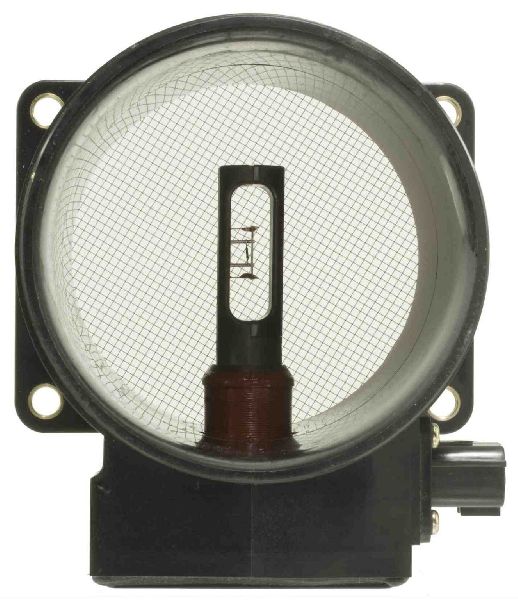
- Dirty or Faulty Mass Airflow (MAF) Sensor 🔴 High Probability The MAF sensor is extremely sensitive to contamination. Aftermarket oiled air filters are a common source of oil deposits on the sensor wire. Even dry aftermarket filters can sometimes allow fine dust to pass, coating the sensor. Several owner accounts confirm that cleaning a visibly dirty MAF sensor resolved both P0171 and P0174 codes.
How to confirm: Remove the MAF sensor and visually inspect the small wires inside. If they appear dirty, coated in oil, or have debris on them, they need cleaning. Using a scan tool, monitor MAF readings; a rule of thumb is that the g/s reading at idle should be close to the engine's displacement in liters (e.g., a 6.2L engine should read around 6.2 g/s). Erratic values or readings inconsistent with engine RPM can indicate a fault.
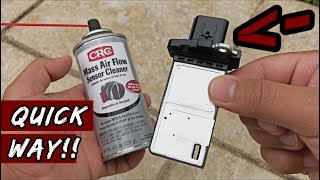
Typical fix: Clean the sensor using only dedicated MAF sensor cleaner spray. Do not touch the wires. Let it air dry completely 🎬 See how to safely clean your MAF sensor step-by-step. before reinstalling. If cleaning doesn't resolve the issue, the sensor may have failed electronically and require replacement.
Est. part cost: $10-$15 for cleaner, $70-$150 for a new sensor - Airflow Obstruction at MAF Sensor (TSB PIP5446A) 🔴 High Probability A specific manufacturing defect where excess plastic flashing in the MAF sensor housing disrupts airflow, causing inaccurate readings. This is documented by GM for the 2014-2017 Corvette and other LT-powered vehicles.
How to confirm: Following the TSB instructions, inspect the inside of the air intake tube/air filter housing lid for any plastic ridges or flashing near where the MAF sensor is mounted. Compare it to images in the bulletin.
Typical fix: Carefully remove the excess plastic flashing with a file or deburring tool, then clean the area thoroughly to ensure no debris enters the engine. This is a permanent repair. Some technicians may opt to replace the air filter housing lid per the TSB.
Est. part cost: $0 if DIY, or cost of a new airbox lid. - Vacuum Leak 🟡 Medium Probability Vacuum leaks are a common cause for lean codes on all modern engines. On the LT engines, common failure points include cracked PCV hoses, loose intake manifold bolts, and failed intake manifold gaskets. On Z06 models, a vacuum line under the supercharger is a known potential leak spot that can become disconnected during other service.
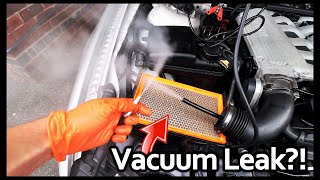
How to confirm: A smoke machine is the most effective method. Feed smoke into the intake system post-MAF and look for smoke escaping from cracked hoses, gaskets, or seals. 🎬 Watch: How to use a smoke machine to find vacuum leaks. Alternatively, you can monitor fuel trims while carefully spraying carb cleaner around suspected areas; a change in engine idle or a drop in fuel trim values indicates a leak. A classic sign of a vacuum leak is high positive fuel trims at idle that decrease as RPMs increase to ~3000.
Typical fix: Replace the cracked vacuum hose, PCV hose, or failed intake manifold gasket. Tighten loose intake manifold bolts to the correct torque specification.
Est. part cost: $10-$50 for hoses, $50-$150 for intake gaskets - Faulty Upstream Oxygen Sensor (Bank 2, Sensor 1) ⚪ Low Probability O2 sensors have a finite lifespan and can become 'lazy' or fail, sending incorrect data to the ECM. While not unique to this car, it's a common failure part on any aging vehicle. It's often misdiagnosed as the primary cause when it's just reporting the lean condition.
How to confirm: Use a scan tool to graph the voltage of the Bank 2 Sensor 1 O2 sensor. It should fluctuate rapidly between approximately 0.1V and 0.8V. If it's stuck low (e.g., hopping around 0.1-0.2V) or responds very slowly compared to Bank 1, it has likely failed. This is especially suspect if the issue appears after the car warms up and enters closed loop operation.
Typical fix: Replace the Bank 2, Sensor 1 oxygen sensor. This is the sensor located in the exhaust manifold before the catalytic converter on the passenger side.
Est. part cost: $50-$120 - Low Fuel Pressure ⚪ Low Probability A weak in-tank fuel pump or a failing high-pressure fuel pump (on these direct injection engines) can starve the engine for fuel. This is less common than air-side issues but can occur. If fuel trims are normal at idle but increase under load, it points towards a fuel delivery issue.
How to confirm: Connect a fuel pressure gauge to the fuel rail to check the low-pressure side. A scan tool is required to monitor the high-pressure fuel system data, which can reach over 2,100 psi. Compare the desired vs. actual pressure readings at idle and under load to the manufacturer's specifications.
Typical fix: Replace the weak fuel pump or clogged fuel filter. On many modern cars, these are sold as a single module. High-pressure pump replacement is more involved.
Est. part cost: $200-$800+
Rare But Worth Checking
- Exhaust Leak: An exhaust leak anywhere between the exhaust manifold and the upstream O2 sensor can pull in fresh air, tricking the sensor into reading a lean condition. This is worth checking if you have recently had exhaust work done or hear an exhaust tick.
- Clogged Fuel Injectors on Bank 2: If one or more injectors on the passenger side are clogged or failing, they won't deliver enough fuel, causing a lean condition isolated to that bank. This is less common than a system-wide fuel pressure issue but is a known, if infrequent, problem on C7s.
Diagnosis Steps
- Check for other stored trouble codes. If P0171 is also present, focus on causes that affect both banks, like the MAF sensor or a large vacuum leak.
- Using a scan tool, observe Long Term Fuel Trim (LTFT) for Bank 2. A value consistently over +15% confirms the lean condition. A code is typically set when LTFT exceeds +23-25%.
- Visually inspect the entire air intake system for any cracks, loose clamps, or disconnected hoses between the MAF sensor and the throttle body. Ensure aftermarket intakes are securely installed.
- Inspect the air filter housing for plastic 'cast flashing' near the MAF sensor as described in TSB #PIP5446A. Carefully remove any flashing found. 🎬 Watch this walkthrough on fixing the C7 airbox flashing issue.
- Remove and clean the MAF sensor with dedicated MAF sensor cleaner. Let it dry completely before reinstalling.
- Perform a vacuum leak test. The best method is a smoke machine. Pay close attention to the intake manifold gaskets, PCV hoses, and the brake booster line. On Z06 models, specifically check the vacuum line under the supercharger.
- Differentiate leak types with a scan tool: If LTFT is high at idle but drops towards normal at 2,500-3,000 RPM, a vacuum leak is likely. If LTFT is normal at idle but rises under load, a fuel delivery issue (pump, filter) or faulty MAF is more likely.
- Graph the Bank 2, Sensor 1 oxygen sensor voltage. If it is stuck low (under 0.2V) or is very slow to respond compared to Bank 1, the sensor may be faulty.
- Test fuel pressure. A scan tool is required to monitor the high-pressure fuel system, which operates at over 2,100 psi. Compare desired vs. actual pressure.
Parts You'll Likely Need
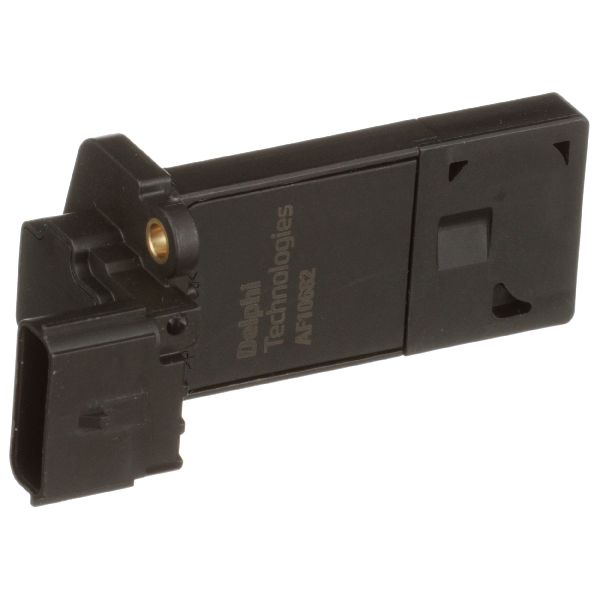
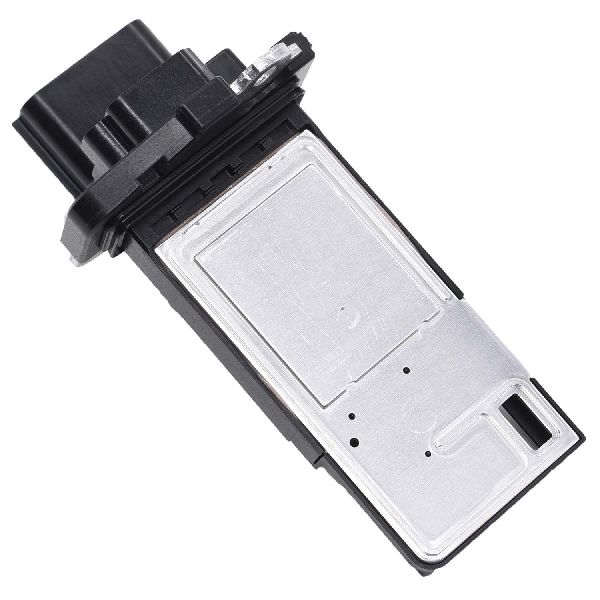
- Mass Airflow (MAF) Sensor Cleaner — This is the cheapest and often most effective first step, as a dirty MAF sensor is a very common cause for this code on the C7 Corvette.
Related Codes That Often Appear With This One
- P0171 — This is the identical 'System Too Lean' code but for Bank 1 (driver's side). When both P0171 and P0174 appear together, it strongly suggests a problem affecting the entire engine, such as the MAF sensor, a major vacuum leak before the intake splits (e.g., intake manifold gasket), or a fuel delivery problem.
- P0101 — This code relates to 'Mass Air Flow (MAF) Circuit Range/Performance'. It often appears with lean codes because a faulty or obstructed MAF sensor is a primary cause of the incorrect air-fuel mixture. TSB #PIP5446A specifically lists this code alongside P0174 as being caused by the MAF housing flashing.
Technical Service Bulletins (TSBs) & Recalls
- PIP5446A — Addresses harsh shifts, rough idle, and sputter with codes P0101, P0171, P0172, P0174, or P0175. The cause is identified as excessive plastic 'cast flashing' in the air filter housing near the MAF sensor, which disrupts airflow. The fix is to inspect for and remove this flashing or replace the air filter housing lid. (2018-01-18)
Platform-Specific Known Issues
- Aftermarket Cold Air Intakes (CAI): Installing an aftermarket CAI, especially without a corresponding tune, is a very common trigger for P0171/P0174 codes on the C7 platform. The change in airflow characteristics can cause the MAF sensor to report incorrectly, leading to a lean condition that the ECU cannot compensate for. Some owners report solving the issue by reverting to the stock airbox or getting a custom tune.
- Z06 (LT4) Supercharger Vacuum Line: On supercharged Z06 models, a specific vacuum line located under the supercharger's bypass valve mechanism can become disconnected or slip off. This creates a significant vacuum leak that can be difficult to spot visually but is easily found with a smoke test, leading to P0171/P0174 codes.
- Loose Intake Manifold Bolts: Owners on forums have reported that the intake manifold bolts can sometimes loosen over time, creating a vacuum leak. Checking the torque on these bolts is a quick and easy diagnostic step before moving to more complex procedures.
Mechanic-Grade Diagnostic Values
- Long Term Fuel Trim (LTFT) — expected: Near 0%, within a few percent.. Failure: A code is typically set when LTFT exceeds +23% to +25%. Consistently high positive values (e.g., > +15%) indicate a lean condition.
- Upstream O2 Sensor Voltage (B2S1) — expected: Rapidly fluctuating between 0.1V and 0.8V in closed loop.. Failure: Stuck low, hovering around 0.1V - 0.2V, indicates the sensor is reading a lean condition (or has failed).
- Manifold Absolute Pressure (MAP) at warm idle (stock cam) — expected: Approximately 30-35 kPa.. Failure: Significantly higher values can indicate an unmetered air (vacuum) leak.
- Mass Airflow (MAF) Sensor at idle — expected: Approximately equal to engine displacement in liters (e.g., ~6.2 g/s for a 6.2L LT1).. Failure: Readings that are significantly lower than expected can cause the ECM to inject insufficient fuel, leading to a lean condition that worsens under load.
- High-Pressure Fuel System — expected: Can exceed 2,100 psi.. Failure: A scan tool showing actual pressure significantly below desired pressure, especially under load, points to a fuel delivery problem.
Scan Tool Commands That Help
- GDS2 or other professional scan tool: Fuel Trim Reset — After performing a repair for a lean condition (like fixing a vacuum leak or replacing a MAF sensor), resetting the long-term fuel trims forces the ECM to relearn the fuel strategy immediately. Without a reset, the ECM will continue to use the old, incorrect trim values for a period of time, making it difficult to verify if the repair was successful.
Wiring & Ground Locations
- G100 — Right side of the engine block.. This is a primary engine ground. A poor connection here can affect various sensors, including those critical for the fuel and ignition systems, potentially causing erratic sensor readings.
- G102 — Lower right front of the engine compartment.. Another key ground point in the engine bay. Intermittent or poor connections at main grounds can lead to hard-to-diagnose electronic issues, including phantom lean codes.
Real Owner Repair Stories
- CorvetteForum user (2016 Z51 with supercharger and longtube headers) — Stumbling, increased backfiring on deceleration, and a P0174 code. LTFT for Bank 2 was pegged at +30%.
❌ Tried (didn't work) Spraying carb cleaner to find a vacuum leak showed no results.
✅ What actually fixed it The Bank 2, Sensor 1 (upstream) O2 sensor had failed. A scan tool showed its voltage was stuck low (0.1-0.2V) while all other O2 sensors were fluctuating normally (0.1-0.8V). Replacing the faulty O2 sensor resolved the issue. - CorvetteForum user (2015 Z06 M7) — P0171 and P0174 codes appeared after replacing the high-pressure fuel pump. The idle was slow to return to normal.
❌ Tried (didn't work) Visual inspection of vacuum lines.
✅ What actually fixed it A vacuum line under the supercharger bypass valve mechanism had slipped off. It was not visible on initial inspection. A smoke test immediately revealed the leak. Reconnecting the hose fixed the codes. - CorvetteForum user (C7 Z06 with ported supercharger, 103mm throttle body, and catch can) — P0171 and P0174 codes with LTFTs at +30%.
❌ Tried (didn't work) Swapping the throttle body back to stock.
✅ What actually fixed it The drain valve on the newly installed aftermarket catch can had been left open, creating a massive vacuum leak. Closing the valve immediately brought fuel trims back in line and resolved the codes.
OEM Part Supersession History
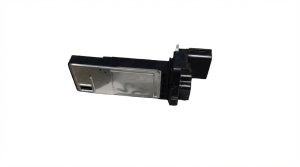
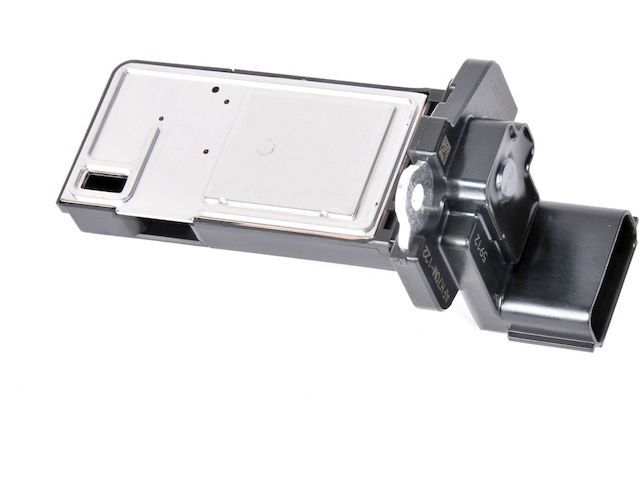
22895480→Unknown— This is a known OEM part number for the MAF sensor.
Heads up: Using a MAF sensor from a different GM vehicle, even if it fits physically, is not recommended as it may be calibrated differently and cause performance issues.
Helpful Videos
Used OEM Parts in Stock
New Aftermarket Parts Available



The information in this article is provided for general reference and educational purposes only. Vehicle specifications, procedures, and part compatibility can vary by production date, trim level, and region. Always consult your vehicle's factory service manual and verify part numbers before purchasing or performing repairs. Safety-critical components such as airbags, seat belts, and braking systems should be installed by a qualified professional.
- Chevrolet CORVETTE:
- 🎬 Helpful Videos
- 🛍️ Shop This Part
- What's Unique About the 2014-2018 Chevrolet CORVETTE
- Diagnostic Flowchart
- Symptoms You May Notice
- Most Likely Causes
- Rare But Worth Checking
- Diagnosis Steps
- Parts You'll Likely Need
- Related Codes That Often Appear With This One
- Technical Service Bulletins (TSBs) & Recalls
- Platform-Specific Known Issues
- Mechanic-Grade Diagnostic Values
- Scan Tool Commands That Help
- Wiring & Ground Locations
- Real Owner Repair Stories
- OEM Part Supersession History
- 🎟️ Get 5% Off