

P0174 on 2017-2022 Chevrolet Colorado: Lean Code Causes and Fixes
P0174 on a 2017-2022 Colorado often points to a vacuum leak from a cracked air intake duct, a disconnected PCV hose, or a faulty intake manifold gasket. In many cases, a simple ECM software update from a dealer, as specified in TSB #21NA105, can resolve the issue without replacing any parts, especially on low-mileage vehicles. Before replacing parts, check for loose hoses under the engine cover, as they are often left disconnected after an oil change.
- Before buying parts, check with a GM dealer about TSB #21NA105; a simple software update may be the only fix needed.
- Thoroughly inspect for vacuum leaks, paying close attention to the large air intake duct and the PCV hoses under the engine cover.
- Do not immediately replace the oxygen sensor; it is most likely doing its job correctly by reporting the lean condition.
- If you hear a hissing noise or have high fuel trims at idle that improve with higher RPM, you almost certainly have a vacuum leak.
What's Unique About the 2017-2022 Chevrolet COLORADO

For the 2017-2022 Colorado with the 3.6L V6 (LGZ) engine, the P0174 code is frequently not caused by a simple part failure. GM has released multiple Technical Service Bulletins (TSBs) indicating that the original ECM calibration is often too sensitive and can set this code erroneously, particularly on vehicles with very low mileage. A dealer re-program is a very common and official fix. Additionally, the design of the PCV system, which is integrated into the valve cover, and the large air intake duct that doubles as an engine cover, create unique potential failure points for vacuum leaks that are specific to this platform. Technicians and owners frequently report PCV hoses being left disconnected after routine service like oil changes, immediately causing this code.
Diagnostic Flowchart

Tap your situation to follow the diagnostic path that matches what you're seeing on this vehicle.
Symptoms You May Notice
- Check Engine Light is on
- Rough or unstable idle
- Hesitation or stumbling during acceleration
- Reduced engine power
- Hissing or whistling noise from the engine bay, especially during acceleration
- Decreased fuel economy
- On-screen message from OnStar to "service your emissions system"
- Replacing the oxygen (O2) sensor. The O2 sensor is usually accurately reporting the lean condition, not causing it. Replacing it rarely fixes a P0174 code unless it has failed on its own, which would typically set other specific O2 sensor codes.
Most Likely Causes

- ECM Calibration Issue 🔴 High Probability GM has issued multiple TSBs (#21NA105, #22-NA-171) for this exact issue, indicating the factory software is a known cause of false P0171/P0174 codes. TSB #21NA105 specifically notes that lean codes can set on very low mileage vehicles (under 1800 miles) due to software anomalies.
How to confirm: A GM dealer or a shop with a subscription to GM's Technical Information System can check the current calibration version of the ECM against the latest available version. A Reddit user on r/chevycolorado confirmed their 2021 model with 14k miles had the P0174 code resolved by the dealer reprogramming the ECM per TSB 21-NA-105.
Typical fix: Reprogramming the Engine Control Module (ECM) with updated software using GM's Service Programming System (SPS). This must be done at a dealership or a qualified independent shop with the correct tools.
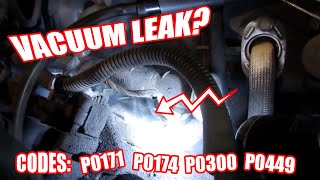
Est. part cost: $0 - Vacuum Leak (PCV Hose, Intake Duct, etc.) 🔴 High Probability Forum users on Reddit and ColoradoFans.com frequently report finding disconnected PCV hoses under the engine cover immediately after service, like an oil change. The large air intake duct can also crack or become disconnected from the airbox, causing an unmetered air leak. A YouTube video shows this exact issue where the duct was simply disconnected. 🎬 Watch: This video shows how a loose duct causes these codes.
How to confirm: Perform a visual inspection of all vacuum hoses, especially the PCV lines under and around the plastic engine cover. A professional smoke test is the most effective way to find hidden leaks in the intake system. Listening for a hissing sound is a primary indicator.
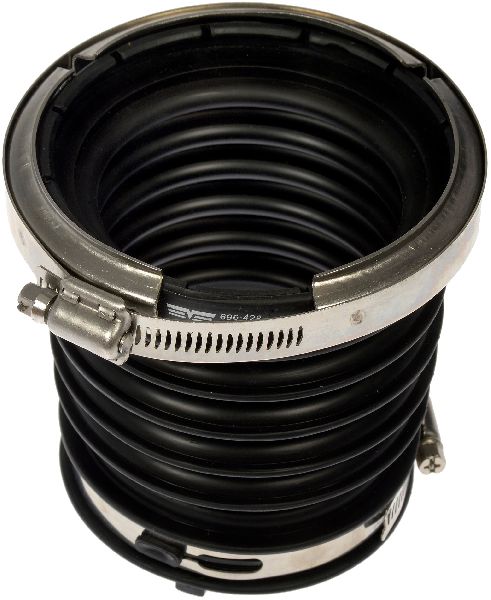
Typical fix: Reconnect any loose hoses or replace cracked vacuum lines or a damaged air intake duct. The air intake duct is GM part number 84535596 (replaces 84165133). In many cases, the fix is as simple as re-securing a hose clamp.
Est. part cost: $0-$150 - Intake Manifold Gasket Leak 🟡 Medium Probability The intake manifold gaskets on the 3.6L V6 can degrade and fail, creating a vacuum leak that lets in unmetered air. This is a common failure point across the GM 3.6L engine family that causes lean codes P0171 and P0174.
How to confirm: With the engine running, carefully spray brake cleaner or a combustible fluid around the area where the intake manifold meets the cylinder heads. If the engine RPM changes, a leak is present. A smoke test is a safer and more definitive method.
Typical fix: Replace the upper and lower intake manifold gaskets. High-quality aftermarket brands like Fel-Pro offer sets for this engine (e.g., part numbers MS 97649, 54QH39S). This requires removing the intake manifold.
Est. part cost: $40-$80 - Faulty or Dirty Mass Airflow (MAF) Sensor ⚪ Low Probability While less common than vacuum leaks, a MAF sensor contaminated with dirt, oil, or debris can inaccurately measure the air entering the engine, leading to an incorrect air-fuel mixture and a lean code.
How to confirm: Remove the MAF sensor and inspect it for contamination. Cleaning it with a dedicated MAF sensor cleaner may resolve the issue. If the problem persists, monitoring sensor data with a scan tool can confirm if it's reading incorrectly compared to specified values.
Typical fix: Clean the MAF sensor with a specialized cleaner. Do not touch the sensor elements or use other chemicals like brake cleaner. If cleaning doesn't work, replace the sensor.
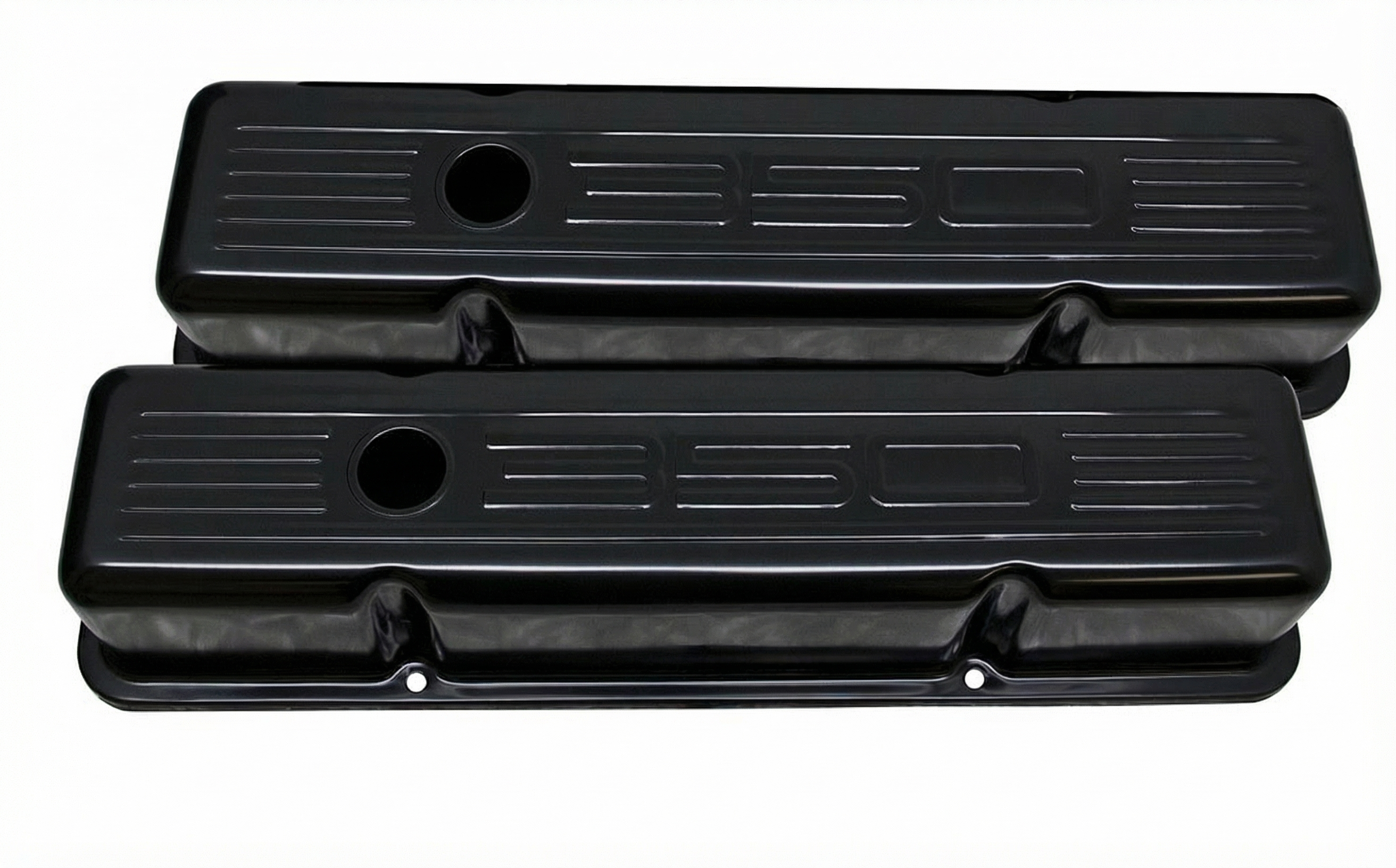
Est. part cost: $10-$120 - Failed PCV System (in Valve Cover) ⚪ Low Probability The 3.6L V6 has a non-serviceable PCV orifice integrated into the passenger-side (Bank 2) valve cover. If this orifice clogs or fails, it can create a significant internal vacuum leak, triggering lean codes. This is a known issue across the GM 3.6L engine family.
How to confirm: A distinct whistling noise, high oil consumption, or visible oil leaks around the valve cover can indicate a failed PCV system. A smoke test may show smoke exiting the oil cap area. A simple test is to try removing the oil cap with the engine running; strong suction or pressure indicates a PCV problem.
Typical fix: The entire passenger-side (Bank 2) valve cover must be replaced, as the PCV system is not serviced separately. An example OEM part number for similar GM 3.6L engines is ACDelco 12677999.
Est. part cost: $75-$150
Rare But Worth Checking
- Weak Fuel Pump or Clogged Fuel Filter: This would typically cause a lean condition on both banks (P0171 and P0174). A fuel pressure test is needed to confirm. Target pressure for the LGZ engine should be checked against manufacturer specifications, but is often in the 50-60 PSI range.
- Clogged Fuel Injector on Bank 2: An isolated issue with one or more injectors on Bank 2 could cause a lean condition, but this is less common than vacuum leaks. This can be a costly repair on the 3.6L engine.
- Exhaust Leak Before the Oxygen Sensor: A crack in the exhaust manifold or a leaking gasket can allow oxygen to be drawn into the exhaust stream, causing the O2 sensor to report a false lean condition.
Diagnosis Steps
- Check for TSBs: First, ask a GM dealer if your vehicle's VIN has any open campaigns or applicable TSBs related to P0174, specifically #21NA105 or #22-NA-171, which recommend an ECM reprogram.
- Check for Obvious Vacuum Leaks: Open the hood and listen for hissing sounds. Inspect the large air intake duct between the air filter box and the throttle body for cracks or loose connections. Check that all PCV hoses are securely connected, especially the ones under the plastic engine cover, as they are often disturbed during service.
- Scan Fuel Trims: Use an OBD-II scanner to view live data. Look at Short-Term Fuel Trim (STFT) and Long-Term Fuel Trim (LTFT) for Bank 2. High positive numbers (e.g., >10% and climbing) confirm the ECM is adding fuel to correct a lean condition. If fuel trims are high at idle but improve with RPM, it strongly suggests a vacuum leak.
- Perform a Smoke Test: This is the most reliable way to find vacuum leaks. Feed smoke into the intake system and look for smoke escaping from gaskets, hoses, the intake manifold, or the brake booster seal. 🎬 Watch: How to find vacuum leaks causing multiple lean codes.
- Clean the MAF Sensor: If no vacuum leaks are found, carefully remove the Mass Airflow sensor and spray the sensing elements with a dedicated MAF sensor cleaner. 🎬 See this guide on diagnosing lean codes and cleaning sensors. Do not touch the sensor elements. Let it dry completely before reinstalling.
- Test Fuel Pressure: Connect a fuel pressure gauge to the fuel rail's Schrader valve (if equipped) or use a scan tool to monitor the fuel pressure sensor data. The pressure should be within GM's specifications (typically 55-60 PSI at idle for similar systems). A low reading points to a weak fuel pump or clogged filter.
- Inspect Intake Manifold Gaskets: If a smoke test points to the intake manifold, or if spraying carb cleaner near the gaskets changes the engine idle, the gaskets are likely the cause. This requires significant disassembly to replace.
Parts You'll Likely Need
- Air Cleaner Outlet Duct (Intake Boot)
(OEM #84535596)— This large plastic/rubber duct is a common source of cracks or disconnections, leading to unmetered air leaks. - Intake Manifold Gasket Set
(OEM #12735542)— The gaskets between the intake manifold and cylinder heads can fail, causing a vacuum leak. Aftermarket options like Fel-Pro MS 97649 are also available. - Passenger Side Valve Cover (with PCV)
(OEM #12677999)— If the integrated PCV orifice fails, the entire valve cover must be replaced to fix the resulting vacuum leak. Part number is for reference from similar 3.6L engines.
Related Codes That Often Appear With This One
- P0171 — This is the identical 'System Too Lean' code but for Bank 1. When both appear together, it strongly suggests a problem affecting the entire engine, such as a MAF sensor issue, a large vacuum leak at the intake plenum (like the main air duct), or a fuel delivery problem.
Technical Service Bulletins (TSBs) & Recalls

- 21-NA-105: Recommends reprogramming the ECM for false P0171/P0174 codes, especially on low-mileage vehicles.
- 22-NA-171: Mentions MIL illumination with P0171/P0174 and points to potential causes including the intake boot.
- PIE0413A: An early engineering bulletin requesting field information on P0171/P0174 codes.
- PIE0413: The initial version of the engineering information request bulletin.
Platform-Specific Known Issues
- PCV Hose Disconnected After Service: Multiple owners report that immediately after an oil change or other service, a P0171/P0174 code appears. The cause is almost always a PCV hose under the engine cover that was not reconnected properly by the technician. A simple visual check and reconnecting the hose solves the problem.
- ECM Reprogram for Low-Mileage Trucks: TSB 21-NA-105 explicitly states that vehicles, especially those under 1800 miles, can set lean codes due to software sensitivity. The official GM fix is to reprogram the ECM, not replace parts. Owners have confirmed this fixed their issue at the dealership.
Mechanic-Grade Diagnostic Values
- Long-Term Fuel Trim (LTFT) at Idle — expected: -5% to +5%. Failure: Sustained positive values above +15% to +25% confirm a lean condition the ECM is trying to correct.
- Fuel Pressure (Low-Side System) — expected: 50-62 psi (345-427 kPa) with key on, engine off.. Failure: Pressure that is significantly below 50 psi or drops off quickly indicates a weak fuel pump or leak.
- Mass Airflow (MAF) Sensor Reading at Idle — expected: Approximately 3.5-4.5 g/s for the 3.6L V6 engine at normal operating temperature.. Failure: Readings significantly lower than expected while fuel trims are high suggest the sensor is under-reporting airflow, causing the lean condition.
- Upstream O2 Sensor Voltage (Bank 2, Sensor 1) — expected: Rapidly fluctuating between approximately 0.1V (lean) and 0.9V (rich) on a warm, closed-loop engine.. Failure: A sensor that is stuck low (e.g., < 0.2V) may indicate a true lean condition or a failed sensor.
Scan Tool Commands That Help
- GDS2 / Professional Scan Tool: Fuel Trim Reset — After performing a repair for a lean condition, such as fixing a vacuum leak or replacing a MAF sensor, resetting the fuel trims will clear the learned long-term adjustments. This forces the ECM to relearn the fuel strategy immediately with the new, correct conditions, which can confirm the fix and prevent the code from returning during the relearn period.
Wiring & Ground Locations
- SP106 (Ground Splice Pack) — On the passenger side of the engine bay, behind the engine air filter box. Requires removing the airbox to access.. This ground splice pack serves multiple components, including the HVAC control module and Data Link Connector. While not a direct cause of P0174, poor grounding here can cause erratic sensor readings and communication issues that may complicate diagnosis.
- MAF Sensor Connector — On the air intake tube between the air filter box and the throttle body.. A damaged connector or wiring at the MAF sensor will cause incorrect airflow readings, directly leading to improper fuel calculations and lean codes. The connector has a red locking tab and requires a Torx T20 screwdriver to remove the sensor.
Real Owner Repair Stories
- Reddit user in r/chevycolorado (2019 Chevrolet Colorado V6) — Check Engine Light with codes P0171 and P0174.
❌ Tried (didn't work) Visual inspection, Cleaning the MAF sensor
✅ What actually fixed it The oil filler cap was loose and not fully tightened down after a recent oil change at a quick lube shop. Tightening the cap resolved the vacuum leak and the codes did not return. - YouTube video by user 'papu rider' (2017 Chevrolet Colorado) — Check Engine Light with codes P0171 and P0174.
❌ Tried (didn't work) Inspecting the main vacuum hoses and intake manifold for leaks.
✅ What actually fixed it A missing O-ring seal between the brake master cylinder and the brake booster was creating a massive vacuum leak. The mechanic confirmed the leak by spraying brake cleaner in that area and noticing a change in engine RPM. Installing a new O-ring fixed the issue. - Reddit user in r/chevycolorado (2016 Chevrolet Colorado Z71) — Check Engine Light with P0171 and P0174 appeared two hours after an oil change at a dealership.
❌ Tried (didn't work) Calling the dealer about a service bulletin.
✅ What actually fixed it A PCV line located under the passenger side of the engine cover was found to be disconnected. Reconnecting the hose resolved the lean condition and the codes.
"I Checked Everything" — The Actual Cause
- A documented case on a 2017 Colorado with P0171/P0174 passed a standard intake smoke test, but the actual cause was a missing O-ring between the brake booster and the master cylinder. This created a significant vacuum leak that was only discoverable by specifically testing the brake booster system, as the booster's check valve can prevent smoke from entering from the intake side.
OEM Part Supersession History
84165133, 84548065→84535596— This is the air intake duct/engine cover. The part was likely updated with a more durable material or improved design to address cracking issues that cause vacuum leaks, as noted in TSB 22-NA-171.
Heads up: Part number 84535596 is specific to the 2017-2022 models with the 3.6L LGZ V6 engine.12606684, 12597566→12735397— This is the EVAP Canister Purge Solenoid Valve. Part numbers are commonly superseded due to manufacturer changes or minor design improvements.
Heads up: These part numbers apply to the 2015-2022 Colorado.
Model Year Variations Within This Range
- 2017-2022: These models use the 3.6L LGZ V6 engine, a significant update from the previous LFX. The LGZ features Active Fuel Management (AFM) and has different part numbers for key components like the intake boot (84535596) and some sensors. The TSBs regarding ECM recalibration for false lean codes are highly relevant to these years.
- 2015-2016: These earlier second-generation models use the 3.6L LFX V6 engine. While many causes of P0174 are similar (vacuum leaks, etc.), specific part numbers for intake gaskets, sensors, and PCV components will differ from the 2017+ LGZ engine.
Helpful Videos
Used OEM Parts in Stock


New Aftermarket Parts Available


The information in this article is provided for general reference and educational purposes only. Vehicle specifications, procedures, and part compatibility can vary by production date, trim level, and region. Always consult your vehicle's factory service manual and verify part numbers before purchasing or performing repairs. Safety-critical components such as airbags, seat belts, and braking systems should be installed by a qualified professional.
- Chevrolet COLORADO:
- 🎬 Helpful Videos
- 🛍️ Shop This Part
- What's Unique About the 2017-2022 Chevrolet COLORADO
- Diagnostic Flowchart
- Symptoms You May Notice
- Most Likely Causes
- Rare But Worth Checking
- Diagnosis Steps
- Parts You'll Likely Need
- Related Codes That Often Appear With This One
- Technical Service Bulletins (TSBs) & Recalls
- Platform-Specific Known Issues
- Mechanic-Grade Diagnostic Values
- Scan Tool Commands That Help
- Wiring & Ground Locations
- Real Owner Repair Stories
- "I Checked Everything" — The Actual Cause
- OEM Part Supersession History
- Model Year Variations Within This Range
- 🎟️ Get 5% Off