

P0174 on 2015-2018 Cadillac Escalade: Lean Condition Causes and Fixes
Code P0174 on a 2015-2018 Escalade means the engine is running too lean on Bank 2 (passenger side). The most likely causes are a dirty or faulty Mass Airflow (MAF) sensor, a vacuum leak, or a specific manufacturing defect. A key GM Technical Service Bulletin (TSB #PIP5446A) points to excess plastic flashing in the air filter housing as a known cause that disrupts airflow.
- P0174 means your Escalade's engine has too much air and not enough fuel on the passenger's side bank.
- Before buying any parts, inspect the entire air intake tube for cracks and clean the Mass Airflow (MAF) sensor.
- Check for the specific issue mentioned in TSB #PIP5446A: excess plastic in the air filter housing near the MAF sensor.
- If P0171 is also present, the problem is likely a vacuum leak or MAF issue affecting the whole engine.
- Do not replace the O2 sensor unless you have ruled out vacuum leaks and MAF sensor problems first.
What's Unique About the 2015-2018 Cadillac ESCALADE
For the 2015-2018 Escalade with the 6.2L L86 engine, General Motors issued a specific Technical Service Bulletin (TSB #PIP5446A) that directly links P0174 to a manufacturing defect. The bulletin advises technicians to check for excessive plastic casting flash inside the air filter housing near the MAF sensor, which can disrupt airflow and cause false lean readings. This makes inspecting the air intake assembly a critical first step, unique to this platform and its direct relatives like the GMC Yukon Denali and Chevrolet Tahoe/Suburban.
Diagnostic Flowchart
Tap your situation to follow the diagnostic path that matches what you're seeing on this vehicle.
Symptoms You May Notice
- Check Engine Light is on
- Rough or shaky idle
- Hesitation, sputtering, or jerking during light acceleration (specifically noted between 0-30% throttle in TSB #PIP5446A).
- Harsh shifting between 1st-2nd and 2nd-3rd gears.
- Reduced engine power
- Poor fuel economy
- Hissing or whistling sound from the engine bay, indicating a vacuum leak.
- Replacing the oxygen sensor before checking for vacuum leaks or MAF sensor issues. An O2 sensor often correctly reports a lean condition caused by another component.
Most Likely Causes
- Dirty or Faulty Mass Airflow (MAF) Sensor 🔴 High Probability The MAF sensor is highly sensitive to dirt and oil. A specific TSB for this vehicle (#PIP5446A) also points to issues with the airbox housing affecting the MAF reading, making this a primary suspect.
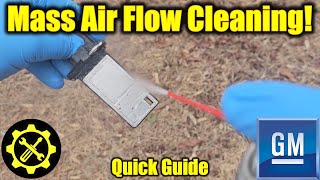
How to confirm: Inspect the MAF sensor's wire element for contamination. Clean it with a dedicated MAF sensor cleaner. 🎬 See this step-by-step guide on cleaning your MAF sensor. Monitor MAF readings on a scan tool at idle (should be around 5-7 g/s for the 6.2L L86). If cleaning doesn't resolve the issue or codes return, the sensor may be faulty.
Typical fix: Clean the MAF sensor. If the problem persists or the sensor fails diagnostic tests, replace the MAF sensor.
Est. part cost: $80-$281 - Vacuum Leak 🔴 High Probability Plastic and rubber components in the intake system can crack with age and heat. The PCV tube on the driver's side valve cover is a known failure point that can be rubbed through by the engine cover or become brittle. Leaking intake manifold gaskets are also a very common failure on these V8 engines.
How to confirm: Perform a visual inspection of all vacuum hoses and the intake air tube for cracks or disconnections. A smoke test is the most effective method to pinpoint hard-to-see leaks. You can also carefully spray brake cleaner or propane from an unlit torch around suspected leak points (like the intake manifold gasket edge) and listen for a change in engine idle speed.
Typical fix: Replace the cracked or leaking hose or gasket. Common culprits include the PCV tube, intake manifold gaskets, and brake booster hose.
Est. part cost: $20-$200 - Casting Flash in Air Filter Housing 🟡 Medium Probability This is a known manufacturing defect documented in GM TSB #PIP5446A for 2015-2018 models.
How to confirm: Remove the air filter housing lid and visually inspect the area around the MAF sensor for excess plastic flashing that could disrupt airflow. The TSB includes images of what to look for.
Typical fix: If flashing is found, replace the air filter housing lid/assembly. The TSB advises to check the new part for flashing as well before installation.
Est. part cost: $100-$250 - Faulty Upstream Oxygen (O2) Sensor ⚪ Low Probability O2 sensors are wear items and can fail over time, sending incorrect data to the ECM. However, they are more often correctly reporting a problem than being the problem itself.
How to confirm: Use a scan tool to graph the voltage of the Bank 2, Sensor 1 O2 sensor. It should fluctuate rapidly between approximately 0.1V and 0.9V. A lazy or stuck sensor is faulty. Swapping the Bank 1 and Bank 2 upstream sensors and seeing if the code changes to P0171 is another effective diagnostic trick.
Typical fix: Replace the Bank 2 (passenger side), upstream (pre-catalytic converter) oxygen sensor.
Est. part cost: $45-$90 - Low Fuel Pressure / Weak Fuel Pump ⚪ Low Probability
How to confirm: Connect a fuel pressure gauge to the fuel rail and verify the pressure is within the manufacturer's specification. On these direct-injection engines, this is more complex as you must check both the low-pressure system (in-tank pump) and the high-pressure fuel pump (engine-driven). This may require specialized tools and a capable scan tool.
Typical fix: Replace the failing fuel pump, clogged fuel filter, or faulty fuel pressure regulator.
Est. part cost: $300-$1000+
Rare But Worth Checking
- Clogged Fuel Injector on Bank 2: Less common than other causes, but a dirty or failing injector on one of the Bank 2 cylinders can restrict fuel flow, leading to a lean condition on that bank. An owner on a forum suspected this after other fixes failed.
- Exhaust Leak Before the O2 Sensor: A crack in the exhaust manifold or a leaking gasket can allow outside air to be drawn into the exhaust stream, which will cause the upstream O2 sensor to report a false lean condition. Broken exhaust manifold bolts are a known issue on Chevy/GMC trucks.
Diagnosis Steps
- Read all fault codes using an OBD-II scanner. Note if P0171, P0101, or P0300 are also present, as this points towards a global issue (affecting both banks).
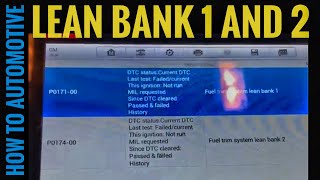
- Monitor Live Data: Check Long-Term Fuel Trims (LTFT) for Bank 1 and Bank 2. A reading consistently above +15% on Bank 2 🎬 Watch: How to diagnose lean codes using live data. confirms the P0174 condition. If both banks are high, suspect a MAF or large vacuum leak.
- Inspect the Air Intake System: Check the entire air intake from the air filter box to the throttle body for loose clamps, cracked hoses, or disconnected lines.
- Perform TSB #PIP5446A Inspection: Remove the air filter housing lid and carefully inspect the area around the MAF sensor for excess plastic 'casting flash' that could disrupt airflow.
- Clean the MAF Sensor: Remove and clean the MAF sensor using a dedicated MAF sensor cleaner. Do not touch the sensor element and allow it to dry completely before reinstalling.
- Perform a Smoke Test: This is the most definitive way to check for vacuum leaks. Pressurize the intake system with smoke and look for leaks from the PCV hoses, intake manifold gaskets, brake booster line, and other vacuum connections.
- Inspect O2 Sensor Operation: Use a scan tool to graph the Bank 2, Sensor 1 (upstream) O2 sensor voltage. A healthy sensor will fluctuate rapidly. A lazy or non-responsive sensor may need replacement, but only after all air leaks are ruled out.
- Check Fuel Pressure: As a final step, check fuel pressure to rule out a fuel delivery issue. This may require specialized tools for the high-pressure direct injection system.
Parts You'll Likely Need
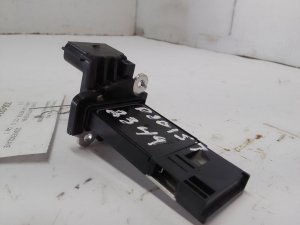
- Mass Air Flow (MAF) Sensor
(OEM #23262343)— A dirty or faulty MAF sensor is a primary cause of lean codes on this platform, often triggered by debris or airbox defects.
Trusted brands: ACDelco, Hitachi
OEM price range: $120-$216
Aftermarket price range: $80-$119 - PCV Tube/Hose
(OEM #12670791 (Left/Driver Side), 12670793 (Right/Passenger Side))— The PCV tubes, especially the one on the driver's side, are a common source of vacuum leaks as they can crack or be rubbed through by the engine cover.
Trusted brands: ACDelco, GM Genuine Parts, SKP
OEM price range: $20-$50
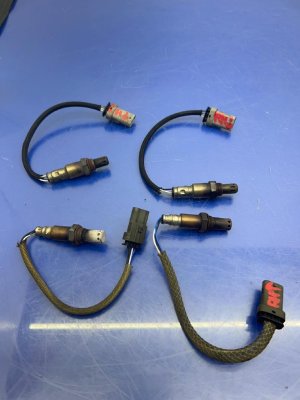
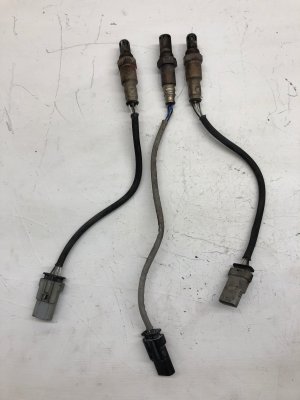
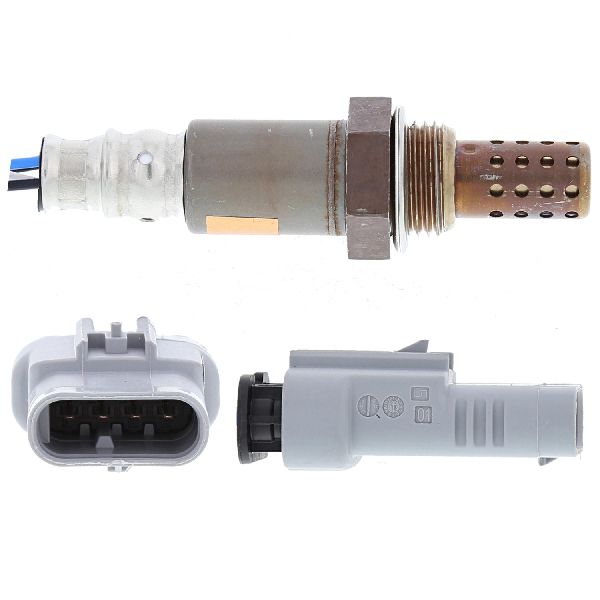
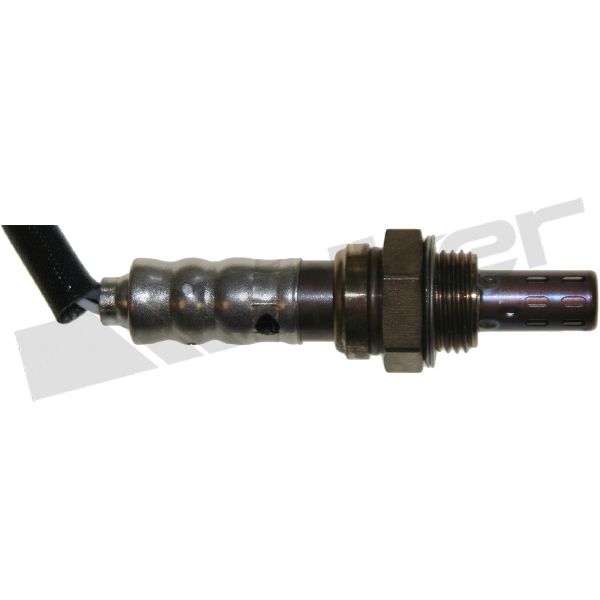
Aftermarket price range: $15-$30 - Upstream Oxygen Sensor (Bank 2, Sensor 1)
(OEM #12666673)— If other causes are ruled out, the sensor itself may have failed. Bank 2 is the passenger side.
Trusted brands: ACDelco, Denso, NTK
OEM price range: $45-$90
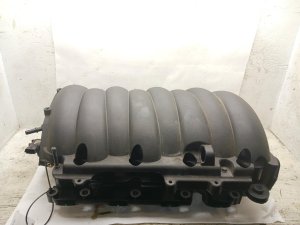
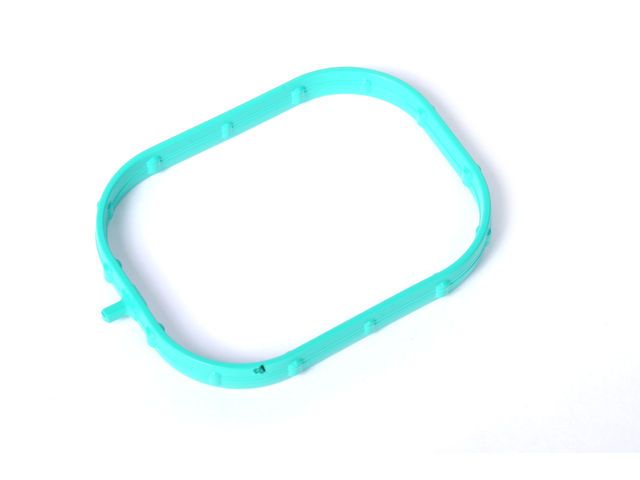
Aftermarket price range: $35-$70 - Intake Manifold Gasket Set
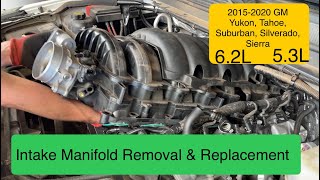
(OEM #12623975 (Fel-Pro MS98016T is a popular, improved aftermarket alternative))— The plastic carrier on the original gaskets becomes brittle with heat and age, causing vacuum leaks at the cylinder head ports. 🎬 Watch: Full walkthrough for replacing the intake manifold gaskets. This is a very common failure on the L86 engine.
Related Codes That Often Appear With This One
- P0171 — This is the 'System Too Lean' code for Bank 1. When both P0171 and P0174 are present, it strongly suggests a problem that affects both engine banks, such as a faulty MAF sensor, a major vacuum leak at the intake manifold, or a fuel delivery issue.
- P0101 — This code indicates a problem with the MAF sensor's performance or range. It often appears with P0174 because a faulty MAF reading is a primary cause of lean conditions. TSB #PIP5446A explicitly lists these codes together as a result of airbox casting flash.
- P0300 — This code indicates a random or multiple cylinder misfire. A lean air-fuel mixture can cause misfires, so P0174 may be the root cause of the P0300 code.
Technical Service Bulletins (TSBs) & Recalls
- source — Advises technicians to inspect for excessive casting flash in the air filter housing near the MAF sensor, which can cause various lean/rich codes and drivability problems. The fix is to replace the air cleaner assembly/lid.
Platform-Specific Known Issues
- TSB #PIP5446A: Notes that excessive casting flash in the air filter housing can disrupt airflow and cause P0174 along with other codes and drivability issues like harsh shifting and sputtering. The fix is to replace the air filter housing lid.
Mechanic-Grade Diagnostic Values
- Upstream O2 Sensor (Bank 2, Sensor 1) Voltage — expected: Rapidly fluctuating between approximately 0.1V and 0.9V in closed loop.. Failure: A slow, non-responsive, or fixed voltage reading.
- Downstream O2 Sensor (Bank 2, Sensor 2) Voltage — expected: Relatively steady voltage, typically around 0.45V - 0.7V when the catalytic converter is hot and working.. Failure: Voltage fluctuates widely, mimicking the upstream sensor, indicating a failing catalytic converter (not necessarily the cause of P0174, but related).
- Low-Side Fuel Pressure (In-tank pump) — expected: 55-60 psi during the key-on prime pulse after a cold soak.. Failure: Pressure below 55 psi can indicate a weak pump. A rapid drop after the prime can indicate a leak in the high-pressure pump or injectors.
- Long-Term Fuel Trim (LTFT) Bank 2 — expected: Within +/- 10% at idle and steady cruise.. Failure: Sustained positive values over +20% will trigger the P0174 code.
Scan Tool Commands That Help
- GDS2 (GM Dealer Tool): Fuel Trim Reset — After replacing a component that affects the air/fuel ratio (like a MAF sensor or fuel injectors), this function should be used to clear the old learned adaptations and allow the ECM to build a new fuel table faster.
- GDS2 (GM Dealer Tool): Injector Balance Test — If a single-bank lean code (P0174) persists after checking for vacuum leaks, this test can identify a clogged or failing fuel injector on Bank 2 by measuring the pressure drop for each injector.
- GDS2 (GM Dealer Tool): EVAP Purge/Seal — To test the EVAP purge solenoid. The command allows the technician to manually open and close the valve to see if it is sticking, which can cause a hidden vacuum leak.
- OBD-II Scanner (DIY Method): Clear Fault Codes / Disconnect Battery — A simple way to reset fuel trims for DIYers is to disconnect the negative battery terminal for at least 15-30 minutes. This clears the ECM's volatile memory, including long-term fuel trims. A drive cycle is then required for the system to relearn.
Wiring & Ground Locations
- G103 / G104 — G103 is on the rear of the right (passenger side) cylinder head. G104 is on the front of theleft (driver side) cylinder head.. These are critical engine block grounds. A loose or corroded connection at either of these points can cause erratic sensor readings for the O2 sensors, MAF, and others, potentially leading to false lean codes.
- MAF Sensor Connector — On the air intake tube, between the air filter housing and the throttle body.. This 8-pin connector provides power, ground, and signal lines for the MAF sensor. Corrosion or a loose connection can directly cause P0101, P0171, and P0174 codes.
Real Owner Repair Stories
- Tahoe Yukon Forum user @goldata81 (2007 Yukon Denali (same platform/engine family as early Escalades)) — P0171 and P0174 codes, long term fuel trims maxing out at +24% under acceleration.
❌ Tried (didn't work) Initial data logging did not show a definitive cause.
✅ What actually fixed it Cleaning the Mass Airflow (MAF) sensor resolved the codes. After cleaning, fuel trims returned to a more normal +12-13% range.
"I Checked Everything" — The Actual Cause
- A faulty EVAP (Vapor Canister) Purge Solenoid can stick open, creating a vacuum leak that causes P0171/P0174. This is often missed because the valve is normally closed during a standard key-off engine-off smoke test, so the test comes back clean. The leak only occurs when the solenoid is commanded open or fails in the open position during engine operation.
OEM Part Supersession History
12619985→12670791— Part has been updated by GM. This is the driver's side PCV tube, a common vacuum leak source.20787043, 23118170→23262343— Part has been updated by GM. This is the Mass Airflow (MAF) sensor.
Model Year Variations Within This Range
- 2015-2017 vs 2018: In 2018, the Cadillac Escalade received the new 10-speed automatic transmission (10L80), replacing the 8-speed (8L90) used from 2015-2017. While not directly related to the P0174 code's cause, the TSB #PIP5446A mentions harsh shifting as a symptom, which could be perceived differently between the two transmissions.
Helpful Videos
Used OEM Parts in Stock

New Aftermarket Parts Available


The information in this article is provided for general reference and educational purposes only. Vehicle specifications, procedures, and part compatibility can vary by production date, trim level, and region. Always consult your vehicle's factory service manual and verify part numbers before purchasing or performing repairs. Safety-critical components such as airbags, seat belts, and braking systems should be installed by a qualified professional.
- Cadillac ESCALADE:
- 🎬 Helpful Videos
- 🛍️ Shop This Part
- What's Unique About the 2015-2018 Cadillac ESCALADE
- Diagnostic Flowchart
- Symptoms You May Notice
- Most Likely Causes
- Rare But Worth Checking
- Diagnosis Steps
- Parts You'll Likely Need
- Related Codes That Often Appear With This One
- Technical Service Bulletins (TSBs) & Recalls
- Platform-Specific Known Issues
- Mechanic-Grade Diagnostic Values
- Scan Tool Commands That Help
- Wiring & Ground Locations
- Real Owner Repair Stories
- "I Checked Everything" — The Actual Cause
- OEM Part Supersession History
- Model Year Variations Within This Range
- 🎟️ Get 5% Off