

P0174 on 2007-2014 Cadillac Escalade: Causes and Fixes for Lean Bank 2
On a 2007-2014 Escalade, P0174 (and P0171) is most often caused by a cracked PCV tube creating a vacuum leak, a fix documented in GM Technical Service Bulletin #PIP5341. This allows unmetered air into the engine, causing a lean condition. The part is inexpensive (~$25-$50) and a common DIY repair. The second most likely cause is failed intake manifold gaskets.
- The most likely cause of P0174 on a 2007-2014 Escalade is a cracked PCV hose, specifically the elbow on the driver's side rear of the intake manifold, as documented in GM TSB #PIP5341.
- A vacuum leak is the root cause in the vast majority of cases. This can be the PCV system or the intake manifold gaskets.
- Always check for both P0171 and P0174, as a vacuum leak will typically affect both engine banks and set both codes.
- Use a scan tool to check fuel trims before replacing parts. High positive numbers at idle that decrease with RPM strongly suggest a vacuum leak.
- Do not replace oxygen sensors as a first step; they are usually just reporting the problem accurately.
What's Unique About the 2007-2014 Cadillac ESCALADE

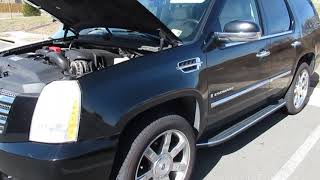
For the GMT900 platform Escalade (2007-2014), the 6.2L V8 has a well-documented issue with the PCV (Positive Crankcase Ventilation) tube becoming brittle and cracking from heat and oil exposure. This is so common that General Motors issued a Technical Service Bulletin (PIP5341) 🎬 Watch: See how the PCV tube fails on the Escalade. specifically pointing to this part as the cause for P0171 and P0174 codes. The bulletin notes that the engine cover can rub through the tube located at the left rear of the intake manifold. This makes a vacuum leak at the PCV tube the number one suspect, ahead of more generic causes.
Diagnostic Flowchart
Tap your situation to follow the diagnostic path that matches what you're seeing on this vehicle.
Symptoms You May Notice
- Check Engine Light is on
- Rough idle, sometimes severe enough to cause stalling.
- Hesitation or reduced power during acceleration.
- A distinct hissing or whistling sound from the engine bay, especially when the engine is running.
- Poor fuel economy.
- Engine may be hard to start.
- Replacing the oxygen sensors first. The O2 sensors are usually correctly reporting the lean condition, which is caused by a vacuum leak or fuel delivery issue upstream. Replacing them is a common waste of money without first diagnosing the root cause.
- Replacing the MAF sensor without cleaning it first. Often, the sensor is just dirty and can be restored with a simple, inexpensive cleaning.
Most Likely Causes

- Cracked or Leaking PCV Tube/Hose 🔴 High Probability As per GM Technical Service Bulletin #PIP5341, the PCV tube on the left (driver's) side of the engine is a known failure point. The plastic becomes brittle from engine heat and oil vapor over time, and the engine cover can rub against it, causing it to crack or split. This creates a significant vacuum leak that affects both engine banks.
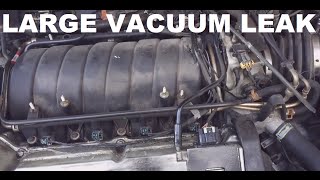
How to confirm: Visually inspect the PCV tube that connects the driver's side valve cover to the intake manifold. Look for obvious cracks, breaks, or collapsed sections, particularly at the elbow connectors. 🎬 Watch this walkthrough to find and repair common air leaks. With the engine running, you will likely hear a loud hissing sound near the rear of the intake manifold. You can also spray brake cleaner near the tube; if the engine idle changes, you've found the leak.
Typical fix: Replace the faulty PCV tube. This is often a set of two hoses, one on each valve cover. It is recommended to replace both at the same time, as the other is likely degraded as well.
Est. part cost: $25-$60 - Leaking Intake Manifold Gaskets 🟡 Medium Probability The original orange-colored rubber gaskets are known to harden, shrink, and crack over time from constant exposure to engine heat cycles, allowing unmetered air to enter the intake ports. This is a very common issue on high-mileage GM V8s of this era. The updated replacement gaskets are typically a more durable teal green color.
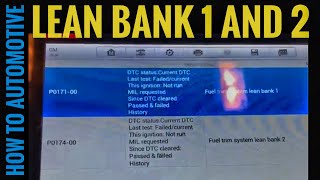
How to confirm: With the engine running, spray a small amount of brake cleaner or use a smoke machine around the area where the intake manifold meets the cylinder heads. If the engine RPM changes or smoke is drawn in, a leak is present. A diagnosis can also be made by observing fuel trims; a vacuum leak from the gaskets will cause high positive fuel trims at idle that improve (move closer to zero) as RPMs increase. 🎬 See how to diagnose lean codes using fuel trim data.
Typical fix: Replace the intake manifold gaskets. This is a more involved repair that requires removing the fuel rail and intake manifold. It's a good time to also clean the throttle body and replace knock sensors if needed.
Est. part cost: $40-$100 - Dirty or Faulty Mass Airflow (MAF) Sensor ⚪ Low Probability Oil from aftermarket air filters or general dirt and debris can contaminate the sensor's hot wire, causing it to inaccurately measure the amount of air entering the engine and leading the ECM to calculate an incorrect fuel mixture. A large, unmetered air leak post-MAF, like a cracked air intake tube, can also cause this code.
How to confirm: Remove the sensor from the air intake tube and inspect the delicate wires for a film of dirt or oil. A diagnostic scan tool can also show if MAF readings are out of specification (a healthy 6.2L engine should read around 6.0-8.0 g/s at idle). Cleaning is a simple first step.
Typical fix: Clean the sensor using a dedicated MAF sensor cleaner. Do not touch the wires. If cleaning does not resolve the issue, replace the sensor with a quality OEM or equivalent part, as some aftermarket sensors are known to cause issues.
Est. part cost: $15 (cleaner) - $150 (new sensor)
Rare But Worth Checking
- Weak Fuel Pump or Clogged Fuel Filter: If the vehicle has high mileage or experiences hesitation under heavy acceleration, a fuel delivery issue could be the cause. The fuel pressure should be checked at the fuel rail; it should be between 55-62 PSI for this platform. A weak pump may provide enough pressure at idle but fail to keep up under load.
- Leaking Brake Booster Hose: A crack or split in the vacuum hose that connects the brake booster to the engine intake manifold can create a significant vacuum leak, leading to lean codes.
- Faulty Oxygen (O2) Sensor: While an O2 sensor can fail, it's more often the messenger than the cause. It's usually correctly reporting the lean condition. Rule out all vacuum leaks and fuel delivery issues before replacing the Bank 2 (passenger side) upstream O2 sensor.
- Leaking Exhaust Manifold or Gasket: A leak in the exhaust manifold on Bank 2 before the upstream O2 sensor can draw in outside air, causing the sensor to read a false lean condition. This is sometimes accompanied by broken exhaust manifold bolts, which is a common issue.
Diagnosis Steps

- Read the codes with an OBD-II scanner to confirm P0174 and check for other codes, especially P0171. Note the freeze frame data, which shows engine conditions when the code was set.
- Using the scanner, check the Long-Term Fuel Trim (LTFT) for both banks. Values significantly above +10% (often maxed at +20% or +25%) confirm a lean condition that the ECM is trying to correct.
- Start the engine and listen for any hissing or whistling noises that would indicate a vacuum leak. The PCV tube at the rear of the intake manifold is a primary suspect.
- Carefully inspect the PCV tube connecting the driver's side valve cover to the intake manifold, as specified in TSB #PIP5341. Pay close attention to the rubber elbows for cracks, breaks, or soft/collapsed spots.
- Inspect the air intake tube between the MAF sensor and the throttle body for any cracks or loose connections.
- If no obvious leaks are found, perform a smoke test or carefully spray short bursts of brake cleaner around the intake manifold gaskets with the engine running. A change in engine idle or the ingestion of smoke indicates a leak.
- If no vacuum leaks are found, remove and clean the Mass Airflow (MAF) sensor with dedicated MAF sensor cleaner. Let it dry completely before reinstalling.
- If the problem persists, connect a fuel pressure gauge to the fuel rail test port. The pressure should be stable and within the 55-62 PSI range.
- As a final step, use a scan tool to monitor the live data from the Bank 2 oxygen sensor to see if its voltage is switching properly, which would indicate it is functioning correctly.
Parts You'll Likely Need

- PCV Hose/Tube
(OEM #12597774)— This is the most common failure point for P0174 on this vehicle, as documented by manufacturer TSB #PIP5341. It cracks from heat and age, causing a vacuum leak.
Trusted brands: ACDelco, GM Genuine Parts, Dorman
OEM price range: $30-$50
Aftermarket price range: $20-$40 - Intake Manifold Gasket Set
(OEM #89060413 (Original design, often superseded))— The second most common cause. The original gaskets degrade, causing a vacuum leak at the cylinder head ports. The Fel-Pro MS 96587 is a widely used and well-regarded replacement.
Trusted brands: Fel-Pro, ACDelco, Mahle
OEM price range: $60-$100
Aftermarket price range: $40-$70 - Mass Airflow (MAF) Sensor Cleaner — A dirty MAF sensor can be a less common cause, and cleaning it is an inexpensive first step before considering replacement.
Related Codes That Often Appear With This One
- P0171 — P0171 is the same 'System Too Lean' code but for Bank 1 (driver's side). A large vacuum leak, such as from the PCV tube or intake manifold gaskets, is unmetered air that affects the entire engine, so it will almost always cause both P0171 and P0174 to appear together.
- P0300 — P0300 stands for 'Random/Multiple Cylinder Misfire Detected'. A lean air/fuel mixture can fail to ignite properly, leading to misfires across multiple cylinders. This is a common companion code to P0171/P0174.
Technical Service Bulletins (TSBs) & Recalls
- PIP5341: Addresses a rough running engine with codes P0171 and/or P0174, directing technicians to inspect and replace a cracked PCV tube at the left rear of the intake manifold. It notes the engine cover can cause a rub-through.
Platform-Specific Known Issues
- Cracked PCV Tube per TSB PIP5341: A known issue documented in TSB #PIP5341 is a cracked positive crankcase ventilation (PCV) tube on the left (driver's) side of the engine causing a rough idle and setting P0171 and P0174 codes. The bulletin suggests the engine cover can rub on the tube, causing the failure.
- Degraded Intake Manifold Gaskets: Owners on forums frequently report that the original orange intake manifold gaskets fail, leading to vacuum leaks. The common fix is to replace them with the updated, more durable teal-colored gaskets, such as the Fel-Pro MS96587 set.
Mechanic-Grade Diagnostic Values

- Long-Term Fuel Trim (LTFT) — expected: Between -10% and +10% at operating temperature.. Failure: Consistently above +10%, often seen maxed out at +24% or +25% when P0174 is active.
- Short-Term Fuel Trim (STFT) — expected: Fluctuates between -10% and +10%, ideally close to 0%.. Failure: Sustained high positive values, though LTFT is the primary indicator for this code.
- Mass Airflow (MAF) Sensor Reading at Idle — expected: 4-8 g/s at a stable, warm idle.. Failure: Significantly lower readings (e.g., <4 g/s) can indicate a post-MAF vacuum leak. Readings that don't increase smoothly with RPM can indicate a faulty sensor.
- Fuel Pressure at Fuel Rail — expected: 55-62 PSI (Key On, Engine Off or at idle).. Failure: Pressure below 55 PSI indicates a potential weak fuel pump, clogged filter, or faulty regulator.
- Manifold Absolute Pressure (MAP) Sensor at Idle — expected: 19-42 kPa with engine idling in Park/Neutral.. Failure: Readings outside this range can indicate a significant vacuum leak or a faulty MAP sensor.
Scan Tool Commands That Help
- Tech 2 / GDS2: Throttle/Idle Relearn — Required after cleaning or replacing the throttle body, which is often done during an intake manifold gasket replacement. Failure to perform the relearn can cause an unstable idle that might be confused with a vacuum leak.
- Tech 2 / GDS2: Fuel Trim Reset — After a repair is completed (e.g., fixing a vacuum leak), resetting the fuel trims forces the ECM to relearn the fuel strategy immediately, allowing for quicker confirmation that the fix was successful.
Wiring & Ground Locations
- G103 / G104 — On the front of both cylinder heads. These are primary engine ground straps.. A poor or corroded engine ground can cause erratic sensor readings, including from the MAF and O2 sensors, which are critical for fuel control. While not a common cause, ensuring these grounds are clean and tight is a fundamental step in diagnosing electrical issues.
- MAF Sensor Connector — On the MAF sensor, located in the air intake tube just after the air filter box.. The connector has pins for a 5V reference, ground, and the signal wire that sends a frequency back to the ECM. Testing for correct voltage and a clean signal at this connector can diagnose a faulty sensor or wiring issue without replacing the part.
Real Owner Repair Stories
- Tahoe Yukon Forum user (2007 Yukon Denali (same platform/engine) with 113k miles) — P0171 and P0174 codes, especially under moderate to heavy acceleration. LTFTs maxing out over 24%.
❌ Tried (didn't work) Initial data logging showed high fuel trims, but the cause was unclear between a vacuum leak or sensor issue.
✅ What actually fixed it Cleaning the Mass Airflow (MAF) sensor. After cleaning, LTFTs under acceleration were cut in half, and the codes did not return. The MAF was under-reporting airflow, causing the ECM to command insufficient fuel, leading to the lean condition. - 2CarPros Forum user (2003 Cadillac Escalade) — P0171 and P0174 codes, rough running.
❌ Tried (didn't work) Replaced oxygen sensors, fuel pump, and performed a tune-up. Vacuum tests were reportedly clean.
✅ What actually fixed it Replacing the dirty Mass Airflow (MAF) sensor resolved the issue. The user noted the vehicle had never run so good after the replacement.
"I Checked Everything" — The Actual Cause
- In cases where a smoke test shows no vacuum leaks, the cause is often a dirty or faulty Mass Airflow (MAF) sensor under-reporting the amount of air entering the engine. The ECM commands fuel based on this incorrect (lower) airflow value, but the oxygen sensors correctly detect the excess oxygen from the actual (higher) amount of air, resulting in high positive fuel trims and eventual P0174/P0171 codes.
- A weak fuel pump that fails to provide adequate pressure (below 55 PSI) under load can also trigger these codes without any vacuum leaks present. The pump may seem fine at idle but cannot keep up with fuel demand at higher RPMs.
OEM Part Supersession History
89017367, 89017589→89060413— Updated intake manifold gasket design.
Heads up: The original gaskets were orange and prone to hardening and leaking. The updated part (89060413) and quality aftermarket replacements like Fel-Pro MS 96587 use a more durable material, often green or teal in color, and provide a better long-term seal.
Model Year Variations Within This Range
- 2010-2014: Beginning in the 2010 model year, the 6.2L V8 engine was updated with Active Fuel Management (AFM), which deactivates cylinders to improve fuel economy. While this system doesn't directly cause P0174, issues with AFM lifters can lead to misfires (P0300) which sometimes accompany lean codes.
- 2009+: The PCV hose part number 12597774 is specified for 2009 and newer truck/SUV intake manifolds. While the 2007-2008 models use a similar system, there may be slight variations in hose routing or connection points.
Helpful Videos

Used OEM Parts in Stock

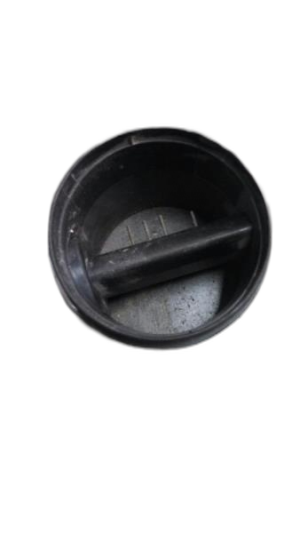
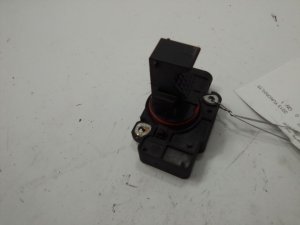


New Aftermarket Parts Available



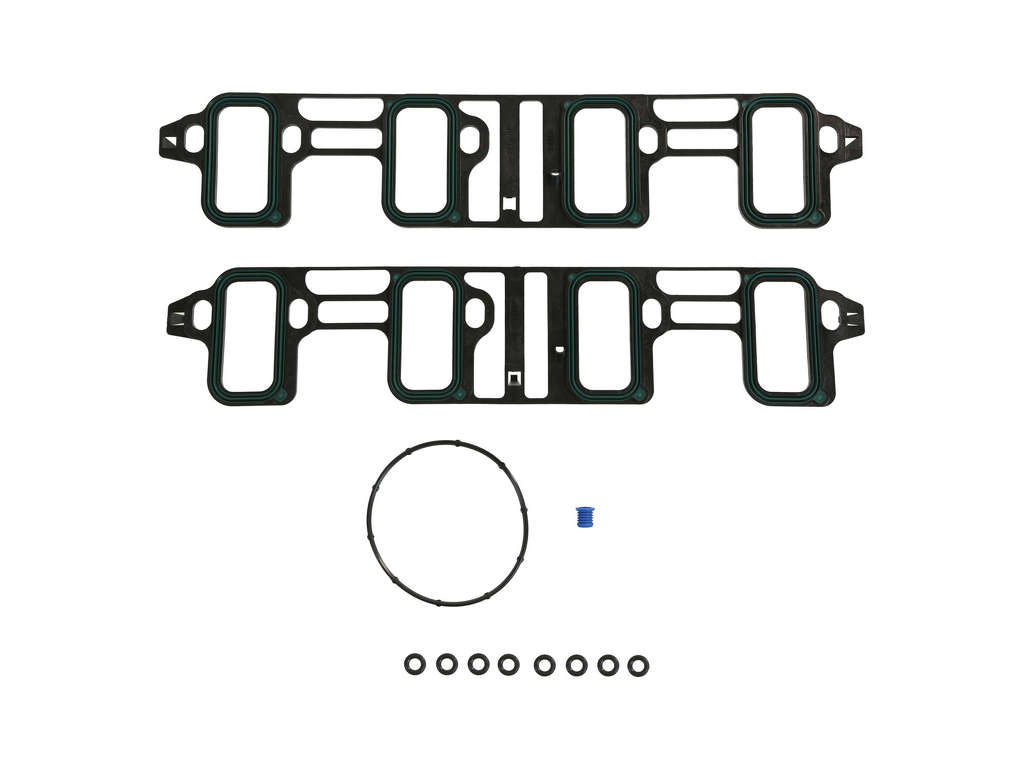
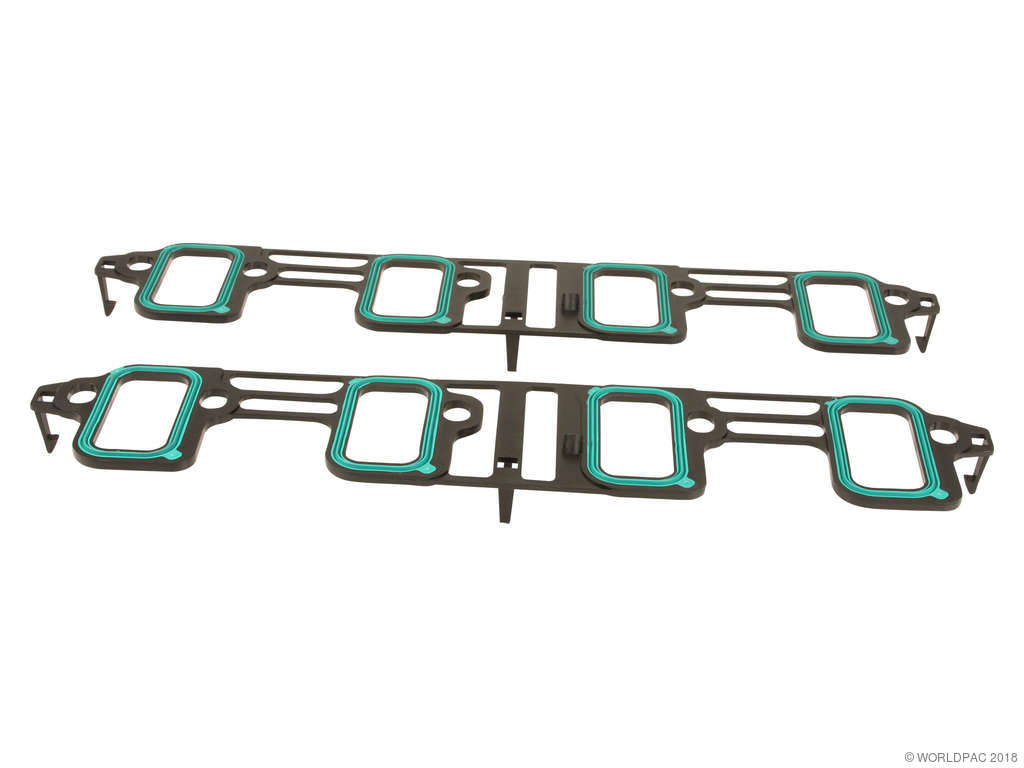

The information in this article is provided for general reference and educational purposes only. Vehicle specifications, procedures, and part compatibility can vary by production date, trim level, and region. Always consult your vehicle's factory service manual and verify part numbers before purchasing or performing repairs. Safety-critical components such as airbags, seat belts, and braking systems should be installed by a qualified professional.
- Cadillac ESCALADE:
- 🎬 Helpful Videos
- 🛍️ Shop This Part
- What's Unique About the 2007-2014 Cadillac ESCALADE
- Diagnostic Flowchart
- Symptoms You May Notice
- Most Likely Causes
- Rare But Worth Checking
- Diagnosis Steps
- Parts You'll Likely Need
- Related Codes That Often Appear With This One
- Technical Service Bulletins (TSBs) & Recalls
- Platform-Specific Known Issues
- Mechanic-Grade Diagnostic Values
- Scan Tool Commands That Help
- Wiring & Ground Locations
- Real Owner Repair Stories
- "I Checked Everything" — The Actual Cause
- OEM Part Supersession History
- Model Year Variations Within This Range
- 🎟️ Get 5% Off