

P0174 on 2010-2017 Cadillac CTS: Causes for System Too Lean Bank 2
On a 2010-2017 Cadillac CTS with a V6 engine, code P0174 is most often caused by a vacuum leak, especially a cracked PCV hose mentioned in a TSB. Other strong possibilities include a contaminated Mass Air Flow (MAF) sensor or a fuel delivery issue. Inspecting the PCV system and cleaning the MAF sensor are the best first steps.
- Start your diagnosis by inspecting the PCV hoses for cracks, as this is a known issue cited in a TSB.
- The second check should be the Mass Air Flow (MAF) sensor; clean it with dedicated cleaner before considering replacement.
- Do not replace the O2 sensor unless you have ruled out all other possibilities. It is usually just reporting the problem.
- If P0171 and P0174 are present together, the cause is something that affects the entire engine, not just one cylinder bank.
- A smoke test is the most efficient way to find hard-to-see vacuum leaks.
What's Unique About the 2010-2017 Cadillac CTS
For the V6 engines (3.0L LF1 and 3.6L LLT/LFX) in this generation of Cadillac CTS, this code is frequently tied to specific manufacturer-acknowledged issues. Technical Service Bulletins (TSBs) point directly to problems like cracked PCV hoses and even manufacturing defects like casting flash near the MAF sensor housing. This means that unlike generic causes, your diagnosis should start with these known Cadillac-specific weak points. These issues are also common on platform mates sharing the same engines, like the Chevrolet Camaro and Buick LaCrosse.
Diagnostic Flowchart
Tap your situation to follow the diagnostic path that matches what you're seeing on this vehicle.
Generation note: The 2010-2017 range covers two CTS generations. The second generation (2010-2014) offered 3.0L (LF1) and 3.6L (LLT) V6 engines. The third generation (2014-2017) introduced a new 3.6L (LFX) V6. This code applies to all V6 models in this range, as they have two cylinder banks. It does not apply to the 2.0L 4-cylinder turbo engine available in the third generation, which has its own unique PCV failure patterns.
Symptoms You May Notice
- Check Engine Light is on
- Rough idle or sputtering
- Hesitation or surging during acceleration
- Reduced engine power
- Poor fuel economy
- A hissing sound from the engine bay at idle, indicating a vacuum leak.
- Replacing the oxygen (O2) sensor first. The O2 sensor is often doing its job correctly by reporting the lean condition. The code means the sensor is working, but the mixture is wrong. The problem is almost always upstream (air leak) or a fuel delivery issue.
Most Likely Causes
- Cracked or Disconnected PCV Hose 🔴 High Probability A specific TSB (#15317) was issued for 2011 models stating the PCV hose may crack, causing P0171 and/or P0174. This is a known failure point across GM's V6 lineup. The plastic hoses become brittle from heat and oil exposure and can crack or disconnect, especially during other services like oil changes. A YouTube video shows a 2013 CTS owner discovering a disconnected PCV hose as the direct cause of P0171/P0174 codes. 🎬 Watch this owner find and fix a disconnected PCV hose.
How to confirm: Visually inspect the PCV hoses connecting the valve covers to the intake manifold for any cracks, splits, or loose connections. Pay close attention to the connection point under the engine cover. A smoke test is the definitive way to find a hidden leak.
Typical fix: Replace the cracked PCV hose assembly. Some owners on forums suggest using a more durable rubber fuel line as a substitute for the brittle OEM plastic part.
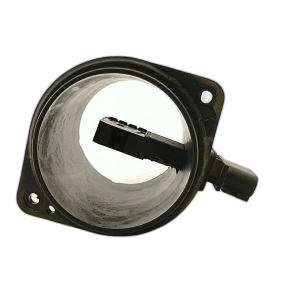
Est. part cost: $40-$150 - Dirty or Faulty Mass Air Flow (MAF) Sensor 🔴 High Probability TSB #PIP5446A notes that on some 2017 models, casting flash (excess material from manufacturing) near the MAF sensor could disrupt airflow and cause this code. More generally, oil from air filters or dirt can contaminate the sensor, causing it to under-report airflow and leading the ECM to command an incorrect, lean fuel mixture.
How to confirm: Remove and inspect the MAF sensor. Look for debris or an oily film on the sensor wires. Check the intake tube and air filter housing lid near the sensor for any casting flash as described in the TSB. Monitor MAF readings with a scan tool; readings may appear normal at idle when cold but drop to 3.9 g/s or lower when warm, indicating a problem.
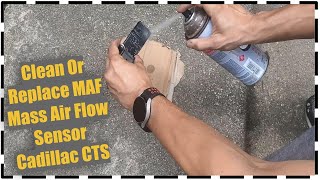
Typical fix: Clean the sensor with dedicated MAF sensor cleaner. If cleaning doesn't work or the sensor is faulty, it must be replaced. Any casting flash should be carefully removed with a file, or the air filter housing lid should be replaced per the TSB. 🎬 See how to safely clean or replace your MAF sensor.
Est. part cost: $10 for cleaner, $80-$200 for a new sensor - Vacuum Leak (Other than PCV) 🟡 Medium Probability Intake manifold gaskets, throttle body gaskets, and other vacuum lines can dry out and crack over time, allowing unmetered air to enter the engine. The intake manifold gasket is a particularly common failure point on the related Cadillac Escalade, suggesting a similar weakness.
How to confirm: With the engine running, listen for hissing sounds. You can carefully spray brake cleaner or a propane torch (unlit) near suspected leak areas; a change in engine idle or a drop in short-term fuel trims on a scan tool indicates a leak. A smoke test is the most effective method to pinpoint the exact location.
Typical fix: Replace the leaking gasket or hose. An intake manifold gasket replacement can be a more involved job.
Est. part cost: $10-$200 depending on the gasket or hose - Low Fuel Pressure / Weak Fuel Pump ⚪ Low Probability
How to confirm: Connect a fuel pressure gauge to the fuel rail's service port. Compare the reading to the manufacturer's specification. For the 3.6L LFX engine, fuel pressure should be around 58-62 PSI at idle. Pressure should be stable and not drop under load.
Typical fix: Replace the fuel filter first, if applicable. If pressure is still low, the in-tank fuel pump or the fuel pressure regulator may need replacement.
Est. part cost: $20-$70 for a filter, $200-$500 for a fuel pump
Rare But Worth Checking
- Incorrect Fuel Rail After Cylinder Head Replacement: TSB #PIP5187 specifically warns that on 2010 models, if a cylinder head was replaced with a unit that came with injectors, it may cause a P0174. The fix is to reinstall the original fuel rail from the car, suggesting an incompatibility with the replacement parts.
- Clogged PCV Orifice in Valve Cover: On the 3.6L V6 engines, the fixed PCV orifice inside the driver-side valve cover can become clogged. This increases crankcase pressure, forcing unmetered air past engine seals and often leads to increased oil consumption along with P0171/P0174 codes. This is a known issue on platform mates like the Buick LaCrosse. The fix requires replacing the entire valve cover.
Diagnosis Steps
- Read all fault codes. If P0171 is also present, focus on causes that affect both banks, like the MAF sensor or intake manifold leaks.
- Use a scan tool to monitor short-term (STFT) and long-term (LTFT) fuel trims at idle. High positive numbers (typically LTFT >15-20%) confirm the lean condition. Rev the engine to 2,500 RPM; if the fuel trims decrease significantly, it strongly indicates a vacuum leak.
- Visually inspect the entire air intake system from the air filter to the throttle body for loose clamps or cracked hoses.
- Specifically inspect the PCV hoses for cracks or breaks, paying close attention to the connections at the valve covers and intake, as noted in TSB #15317 and multiple owner accounts.
- Remove and inspect the Mass Air Flow (MAF) sensor. Clean it with dedicated MAF cleaner and inspect the air filter housing for any obstructions or casting flash (per TSB #PIP5446A).
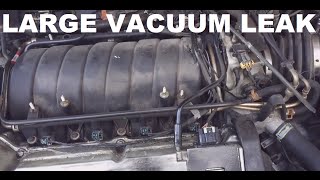
- If a leak is suspected but not visible, perform a smoke test to pressurize the intake system with smoke, which will reveal the exact location of any leaks. 🎬 Watch a quick walkthrough on finding common CTS vacuum leaks. Alternatively, carefully spray brake cleaner around potential leak points like the intake manifold gasket and listen for a change in engine RPM.
- Check fuel pressure using a mechanical gauge to rule out a weak fuel pump or clogged filter. Pressure for the 3.6L V6 should be approximately 58-62 PSI at idle.
- If all else fails, inspect for exhaust leaks between the cylinder head and the upstream O2 sensor, as this can also introduce unmetered oxygen and skew sensor readings.
Parts You'll Likely Need
- PCV Hose / Tube
(OEM #12653482 (Common for 3.6L, verify fitment))— A known failure point documented in a TSB for causing vacuum leaks that trigger P0174. The plastic becomes brittle and cracks.
Trusted brands: ACDelco, Dorman, GM Genuine Parts
OEM price range: $70-$150
Aftermarket price range: $40-$100 - Mass Air Flow (MAF) Sensor
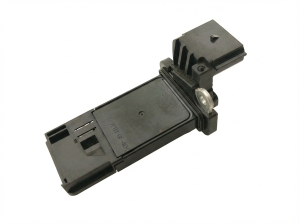
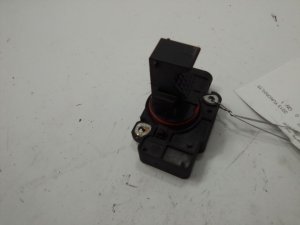
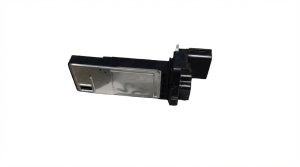
(OEM #213-4222 (ACDelco part number for many GM V6s, verify fitment))— Can become contaminated or be affected by manufacturing defects in the intake (casting flash), leading to incorrect air readings.
Trusted brands: ACDelco, Bosch, Delphi
OEM price range: $150-$250
Aftermarket price range: $80-$180 - Intake Manifold Gasket Set — A common source of vacuum leaks on higher-mileage vehicles, leading to both P0171 and P0174 codes.
Trusted brands: Mahle, Fel-Pro, ACDelco
OEM price range: $80-$150
Aftermarket price range: $30-$70
Related Codes That Often Appear With This One
- P0171 — This is the 'System Too Lean' code for Bank 1. When both P0171 and P0174 appear together, it strongly suggests a problem common to both banks, like a faulty MAF sensor or a major vacuum leak at the intake manifold or PCV system.
- P0101 — This is a Mass Air Flow (MAF) Sensor Performance code. TSB #PIP5446A lists it alongside P0174, indicating the two are directly related when a MAF issue, such as casting flash, is the cause.
- P0300 — This code indicates a random/multiple cylinder misfire. A severe lean condition can starve cylinders of adequate fuel, leading to misfires. It's common to see this code when the root cause, like a failed intake manifold gasket, is severe.
Technical Service Bulletins (TSBs) & Recalls
- PIP5446A - Mentions casting flash near the MAF sensor as a cause for P0174.
- 15317 - Identifies a cracking PCV hose as a direct cause for P0174.
- PIP5187 - Describes a specific issue with incorrect fuel rail usage after a cylinder head replacement.
Platform-Specific Known Issues
- Bulletin #15317 notes that on some 2011 vehicles, the PCV hose may crack and cause P0171/P0174.
- Bulletin #PIP5446A points to potential casting flash (excess plastic) in the air filter housing near the Mass Air Flow sensor on 2017 models, which can disrupt airflow and trigger this code along with P0101.
- Bulletin #PIP5187 indicates a rare issue on 2010 models where replacing a cylinder head and using the new fuel rail (instead of the original) can cause P0174.
- A YouTube video from an owner of a 2013 CTS with the 3.0L V6 found that a simple disconnected PCV hose under the engine cover was the sole cause for both P0171 and P0174 codes, highlighting it as a primary check.
Mechanic-Grade Diagnostic Values
- Mass Air Flow (MAF) Sensor Reading at Idle (Warm Engine) — expected: 4-10 g/s for 3.6L V6. Failure: Reading is stuck, does not change with RPM, or is significantly outside the expected range.
- Mass Air Flow (MAF) Sensor Reading at 2500 RPM — expected: 15-25 g/s. Failure: Reading does not rise smoothly and linearly with RPM.
- Low-Side Fuel Pressure (Key On, Engine Off Prime) — expected: 55-60 psi. Failure: Pressure is significantly lower than spec, indicating a potential fuel delivery issue.
Scan Tool Commands That Help
- Tech II / GDS2: ECM Reprogramming / Re-flash — As a last resort when all mechanical and sensor tests for vacuum leaks, fuel pressure, and sensor integrity have passed, but the P0174 code persists. A dealer or specialized shop may need to apply a software update to the ECM to correct fuel trim calculation parameters, as documented in some service bulletins.
Wiring & Ground Locations
- G101 — Typically located at the lower front of the engine block.. This is a primary ground point for the Engine Control Module (ECM) and the Mass Air Flow (MAF) sensor. A poor connection here can cause erratic sensor readings and incorrect fuel calculations, leading to lean codes.
- MAF Sensor Connector (5-pin) — On the MAF sensor, located in the air intake tube after the air filter.. Allows for testing of power, ground, and signal wires directly at the sensor. Pinout is typically: Yellow (MAF Signal), Pink (12V Ignition), Black/White (Ground), Tan (IAT Signal), Tan (IAT Low Reference). Verifying voltage and ground here can rule out wiring issues.
Real Owner Repair Stories
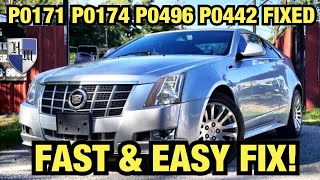
- YouTube channel 'TONY'S MONTANA' (2014 Cadillac CTS Coupe) — Check Engine Light with codes P0171, P0174, P0496, P0442.
✅ What actually fixed it The owner found two vacuum leaks. The first was a faulty EVAP purge valve canister on the top of the engine. The second was a cracked rubber boot on a vacuum hose in the rear of the engine bay. Replacing both the purge valve and the hose (for about $25) resolved all codes. - YouTube channel 'Jonny's Garage' (2013 Cadillac CTS 3.0L V6) — Persistent Check Engine Light with P0171 and P0174 codes, despite clearing them.
❌ Tried (didn't work) The owner was preparing to replace the intake manifold gaskets, assuming they were the cause.
✅ What actually fixed it While removing the engine cover to access the intake manifold, the owner discovered a PCV vacuum hose had become completely disconnected from its port on the intake. The connection point was oily and had slipped off. Cleaning the components and securely reconnecting the hose fixed the vacuum leak and was the true cause of the codes. - Cadillac XLR Forums user 'CNC' (Cadillac XLR (similar GM architecture)) — Persistent P0174 Check Engine Light.
❌ Tried (didn't work) Extensive vacuum leak testing (found no leaks), Testing MAF sensor (tested good), Testing all four O2 sensors (tested good), Testing gas cap (tested good)
✅ What actually fixed it The owner took the car to a Cadillac dealer. The dealer used a Tech II scanner and found an open service bulletin requiring the ECM to be 're-flashed' (reprogrammed). After the ECM software was updated, the P0174 code did not return. The cost was $168.
"I Checked Everything" — The Actual Cause
- In one documented case for a similar GM vehicle, after extensive testing for vacuum leaks (smoke test clean), MAF, and O2 sensors all came back good, the root cause was determined to be the Engine Control Module (ECM) software. A Cadillac dealer performed an ECM re-flash based on a service bulletin, which permanently resolved the P0174 code.
OEM Part Supersession History
e.g., 12653482 (PCV Hose)→Varies— Material Improvement
Heads up: GM regularly updates service part designs to incorporate new, more durable materials and technologies. While a specific supersession number may not always be public, buying a new GM Genuine Part or a quality aftermarket equivalent often provides a more robust part than the one that originally failed.
Model Year Variations Within This Range
- 2010-2011 vs 2012-2017: The primary 3.6L V6 engine changed from the LLT (2010-2011) to the LFX (2012+). The LFX features cylinder heads with integrated exhaust manifolds, eliminating the need for separate header-style manifolds. They also use different Engine Control Modules (LLT: Bosch, LFX: Delphi). These differences can affect diagnostics related to exhaust leaks and engine control.
Helpful Videos

We Have This Part in Stock



The information in this article is provided for general reference and educational purposes only. Vehicle specifications, procedures, and part compatibility can vary by production date, trim level, and region. Always consult your vehicle's factory service manual and verify part numbers before purchasing or performing repairs. Safety-critical components such as airbags, seat belts, and braking systems should be installed by a qualified professional.
- Cadillac CTS:
- 🎬 Helpful Videos
- 🛍️ Shop This Part
- What's Unique About the 2010-2017 Cadillac CTS
- Diagnostic Flowchart
- Symptoms You May Notice
- Most Likely Causes
- Rare But Worth Checking
- Diagnosis Steps
- Parts You'll Likely Need
- Related Codes That Often Appear With This One
- Technical Service Bulletins (TSBs) & Recalls
- Platform-Specific Known Issues
- Mechanic-Grade Diagnostic Values
- Scan Tool Commands That Help
- Wiring & Ground Locations
- Real Owner Repair Stories
- "I Checked Everything" — The Actual Cause
- OEM Part Supersession History
- Model Year Variations Within This Range
- 🎟️ Get 5% Off