

P0174 on 2014-2018 Buick Enclave: "System Too Lean Bank 2" Causes and Fixes
P0174 on a Buick Enclave most often means there is a vacuum leak from a failed intake manifold gasket or a bad PCV system component. A very common root cause is a clogged PCV orifice in the Bank 2 valve cover, which forces oil vapor into the intake and contaminates the Mass Airflow (MAF) sensor. Start by inspecting for vacuum leaks and cleaning the MAF sensor, but suspect a clogged PCV orifice if the MAF is oily.
- P0174 on your Enclave means Bank 2 (front side of the engine) has too much air or not enough fuel.
- The most likely cause is a vacuum leak. Thoroughly inspect the intake manifold gaskets and the entire PCV system.
- Before replacing parts, try cleaning the Mass Airflow (MAF) sensor with a dedicated cleaner.
- If both P0171 and P0174 codes appear together, the problem is almost certainly something that affects the whole engine, like the MAF sensor or a major vacuum leak.
- Do not immediately replace the O2 sensor; it's usually just doing its job of reporting the lean condition.
What's Unique About the 2014-2018 Buick ENCLAVE

The 3.6L V6 (LFX) engine used in the Enclave and its GM platform mates is known for a specific PCV (Positive Crankcase Ventilation) system flaw. A small, fixed orifice in the Bank 2 (front) valve cover is prone to clogging with oil sludge. When this happens, crankcase pressure builds and is vented through the clean air intake tube, pushing oil vapor directly onto the Mass Airflow (MAF) sensor. This oil contamination causes the MAF to under-report airflow, leading the ECM to command insufficient fuel, thus creating the P0174/P0171 lean codes. Deteriorating intake manifold gaskets are another frequent source of vacuum leaks on this engine.
Diagnostic Flowchart

Tap your situation to follow the diagnostic path that matches what you're seeing on this vehicle.
Generation note: This range covers the end of the first generation (2014-2017) and the first year of the second generation (2018). Both use a 3.6L V6, but the engine was updated for 2018 (from LFX to LFY). While the causes are largely similar, the clogged PCV orifice is a well-documented issue on the LFX engine. Part numbers for components like intake gaskets and sensors may differ, so always verify parts with your vehicle's VIN. The PCV system design also changed with the LFY engine.
Symptoms You May Notice

- Check Engine Light is on
- Rough or unstable idle
- Hesitation or stumbling during acceleration
- Reduced engine power
- Poor fuel economy
- A hissing or sucking sound from the engine bay, indicating a vacuum leak
- Engine stalling, especially at idle
- Replacing the oxygen sensor first. While the O2 sensor can be the cause, it is more often correctly reporting a problem caused by a vacuum leak or a bad MAF sensor. Always diagnose for leaks and check the MAF sensor before replacing the O2 sensor.
- Replacing the MAF sensor without addressing the root cause. If the MAF is contaminated with oil, simply replacing it will only provide a temporary fix. The new sensor will soon become contaminated as well if the clogged PCV orifice is not addressed.
Most Likely Causes

- Clogged PCV Orifice & Contaminated MAF Sensor Very High Probability The 3.6L LFX engine has a fixed PCV orifice in the Bank 2 (front) valve cover that frequently clogs. This forces oily crankcase gases back through the intake tube, coating the MAF sensor. The oil causes the MAF to inaccurately measure incoming air, leading to a lean fuel mixture. This is a widely discussed problem in owner forums.
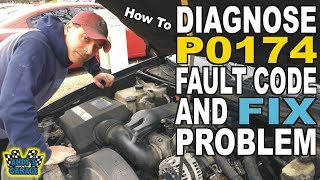
How to confirm: Inspect the air intake tube between the air filter and throttle body for a film of oil. Remove the MAF sensor and check its delicate wires for an oily residue. 🎬 See this walkthrough on diagnosing and fixing P0174 fault codes. If oil is present, the PCV orifice is almost certainly clogged. The ultimate fix is to replace the valve cover.
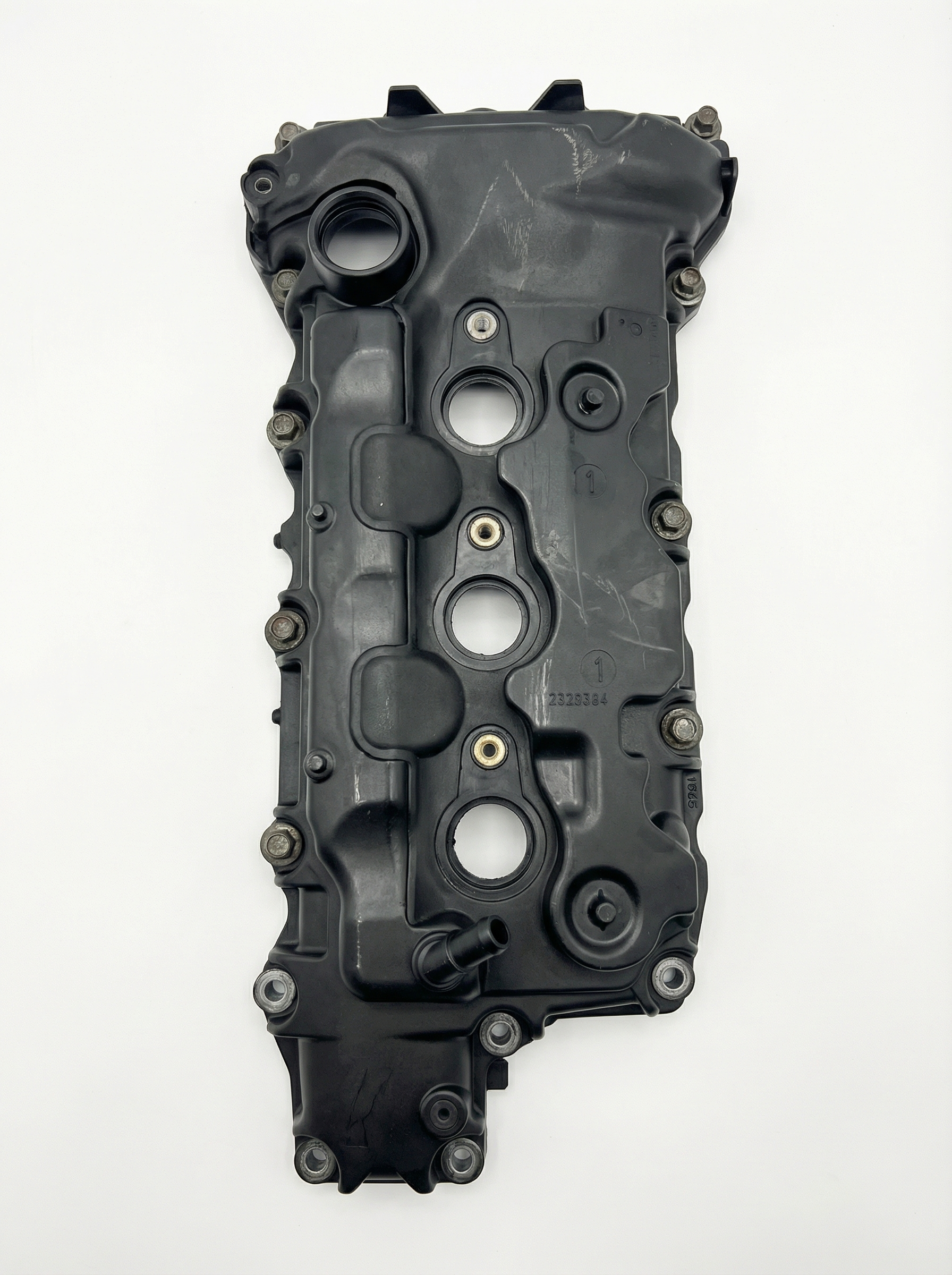
Typical fix: The primary fix is to replace the entire Bank 2 (front) valve cover with an updated part (ACDelco 12673343) that has a revised PCV orifice design. While the valve cover is off, it is critical to thoroughly clean the oil from the intake tube and clean or replace the MAF sensor.
Est. part cost: $70-$150 for valve cover, $70-$150 for MAF sensor if needed. - Vacuum Leak (Intake Manifold Gasket) 🔴 High Probability The plastic and rubber intake manifold gaskets on the 3.6L V6 can degrade and flatten over time from heat cycles, causing unmetered air to enter the engine and create a lean condition.
How to confirm: With the engine running, carefully spray short bursts of brake cleaner or a combustible fluid around the intake manifold sealing area. If the engine idle changes or stumbles, a leak is present. A smoke test is a more definitive way to find the exact source of the leak.
Typical fix: Replace the upper and lower intake manifold gaskets. Popular aftermarket sets like Fel-Pro MS 97204 are available.
Est. part cost: $20-$80 - Failing Upstream Oxygen (O2) Sensor 🟡 Medium Probability The upstream O2 sensor for Bank 2 is what reports the lean condition to the ECM. If the sensor itself becomes slow, contaminated, or fails, it can send an inaccurate lean signal even when the air-fuel mixture is correct.
How to confirm: Use a scan tool to observe the O2 sensor's voltage readings. A healthy sensor will fluctuate rapidly between approximately 0.1V (40 mV) and 0.9V (900 mV). A lazy or stuck sensor will show slow or no voltage changes.
Typical fix: Replace the Bank 2, Sensor 1 (upstream) oxygen sensor. ACDelco part is a common choice.
Est. part cost: $50-$120 - Low Fuel Pressure ⚪ Low Probability While less common than vacuum leaks, a weak fuel pump or a clogged fuel filter can restrict fuel flow, leading to a lean condition. If both P0171 and P0174 are present, this becomes a more likely cause.
How to confirm: Connect a fuel pressure gauge to the fuel rail's service port (Schrader valve). Check that the pressure is within the manufacturer's specified range (typically 50-60 PSI for this direct injection engine at idle) with the engine running.
Typical fix: Replace the failing fuel pump or clogged fuel filter.
Est. part cost: $20-$300
Rare But Worth Checking
- Clogged Fuel Injectors on Bank 2: If the lean condition is isolated to Bank 2 and all other causes are ruled out, one or more fuel injectors on that bank could be clogged, preventing adequate fuel delivery to those cylinders.
- Exhaust Leak Before the O2 Sensor: A crack in the exhaust manifold or a leaking gasket before the upstream O2 sensor can allow outside air to be pulled into the exhaust stream. This extra oxygen will cause the O2 sensor to report a false lean condition.
- Faulty Purge Solenoid Valve: A purge valve stuck open can create a vacuum leak, allowing unmetered fuel vapors from the charcoal canister to enter the intake manifold at the wrong time, which can lead to lean codes.
Diagnosis Steps
- Read the freeze frame data with a scan tool to understand the engine conditions (RPM, load, etc.) when the code was set.
- Check for other stored trouble codes. If P0171 is also present, focus on causes that affect both banks like the MAF sensor or fuel pressure.
- Visually inspect the entire air intake system from the air filter to the throttle body for cracks, loose clamps, or disconnected hoses. Specifically look for an oily film inside the intake tube.
- Inspect all vacuum hoses and the PCV system for cracks, breaks, or loose connections.
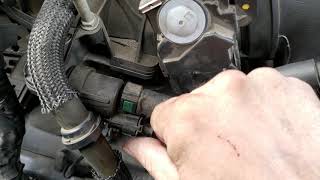
- Perform a vacuum leak test. The easiest DIY method is to spray carb cleaner around the intake manifold gaskets and vacuum lines with the engine idling. Listen for any change in engine RPM. A professional smoke test is more effective. 🎬 Watch: Find tricky vacuum leaks that smoke tests might miss.
- Remove and inspect the Mass Airflow (MAF) sensor. If it is dirty or oily, clean it with dedicated MAF sensor cleaner. Allow it to dry completely before reinstalling. If it was oily, the PCV orifice is the likely root cause.
- With a scan tool, monitor long-term fuel trims (LTFT). Values consistently above +15% on Bank 2 confirm a lean condition. A GM-specific scan tool shows the normal range is between -25.5% and +34.5%, but ideal values are near 0%.
- Test fuel pressure using a mechanical gauge to rule out a weak fuel pump or clogged filter.
Parts You'll Likely Need
- Intake Manifold Gasket Set
(OEM #ACDelco 12609359 (Upper))— This is a very common failure point on the 3.6L V6, causing vacuum leaks that trigger P0174.
Trusted brands: Fel-Pro (MS 97204), ACDelco
OEM price range: $20-$40
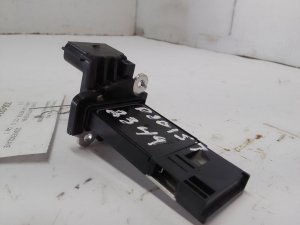
Aftermarket price range: $20-$40 - Mass Airflow (MAF) Sensor
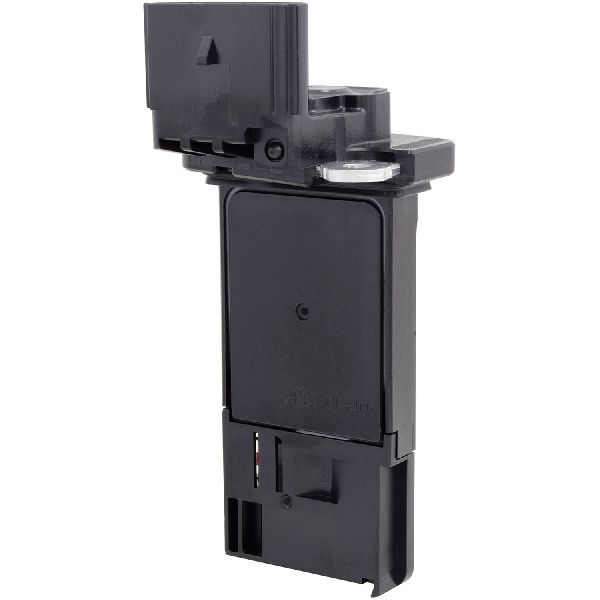
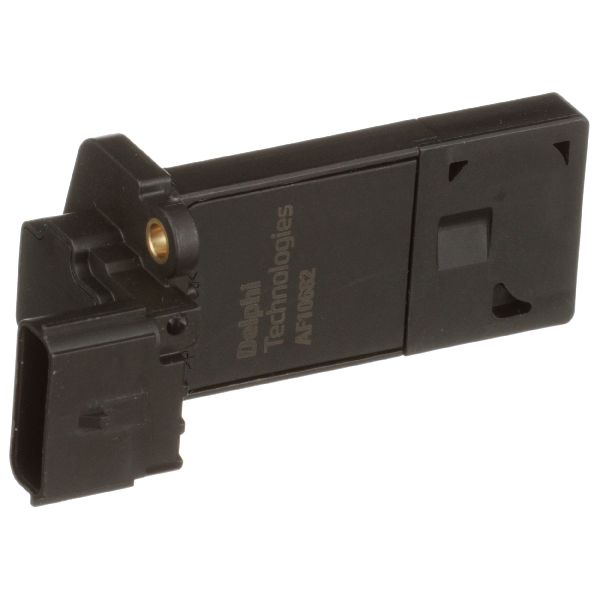
(OEM #ACDelco 213-4222)— A dirty or failed MAF sensor is a frequent cause of lean codes, often contaminated by a faulty PCV system on this engine.
Trusted brands: ACDelco, Hitachi, Bosch, Denso
OEM price range: $90-$150
Aftermarket price range: $70-$120 - Valve Cover (Bank 2 / Front)
(OEM #ACDelco 12673343 (Updated Part))— The original valve cover contains a PCV orifice that clogs, causing oil to contaminate the MAF sensor. This updated part has a revised design to prevent clogging and is often the true root cause fix.
Trusted brands: ACDelco, Dorman
OEM price range: $70-$120
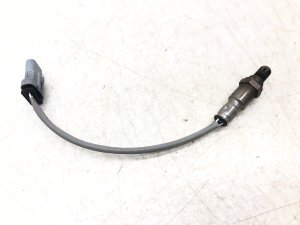
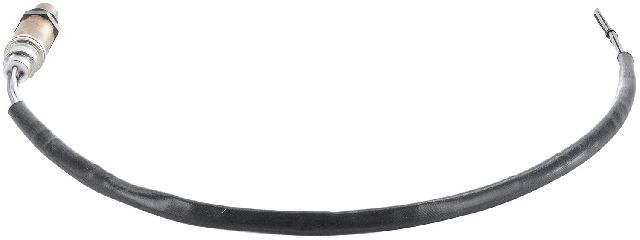
Aftermarket price range: $50-$90 - Upstream Oxygen Sensor (Bank 2, Sensor 1) — If other causes are ruled out, the sensor itself may be faulty, sending incorrect lean readings to the computer.
Trusted brands: ACDelco, Denso, Bosch
OEM price range: $50-$120
Aftermarket price range: $40-$90
Related Codes That Often Appear With This One
- P0171 — This is the identical 'System Too Lean' code but for Bank 1. If both P0171 and P0174 are present, it strongly suggests a problem that affects the entire engine, such as a faulty MAF sensor, a large vacuum leak at the intake plenum, or low fuel pressure.
- P0300 — This is a 'Random/Multiple Cylinder Misfire' code. A severe lean condition can prevent proper combustion, leading to misfires across one or more cylinders.
- P0101 — This code indicates a 'Mass Air Flow (MAF) Circuit Range/Performance' problem. It often appears with P0171/P0174 when the MAF sensor is heavily contaminated or failing, directly pointing to the sensor as a primary suspect.
Technical Service Bulletins (TSBs) & Recalls
- PIE-0433A: Engineering Information – Malfunction Indicator Lamp (MIL) On, DTCs P0171 Fuel Trim System Lean Bank 1 and/or P0174 Fuel Trim System Lean Bank 2
Platform-Specific Known Issues
- Clogged PCV Orifice in Valve Cover: The most significant vehicle-specific issue is the clogging of the fixed PCV orifice inside the Bank 2 (front) valve cover. This design flaw leads to crankcase pressure pushing oil vapor into the clean air intake, which then contaminates and ruins the MAF sensor. Many owners on forums like enclaveforum.net report chasing P0171/P0174 by cleaning the throttle body and MAF sensor, only to have the codes return. The permanent solution is replacing the valve cover with the updated part (ACDelco 12673343) and cleaning or replacing the MAF sensor.
- TSB PIE-0433A - Engineering Information: GM issued Technical Service Bulletin PIE-0433A for P0171 and P0174 codes. This was not a repair bulletin, but an "Engineering Information" request for technicians to gather data on vehicles with these codes. It specifically asked them to check for a leak at the 'foul PCV tube to manifold connection' before performing any repairs and to report findings to GM engineering. This indicates GM was actively investigating the PCV system as a root cause for these lean codes.
Mechanic-Grade Diagnostic Values
- Mass Airflow (MAF) Sensor Reading at Idle — expected: Approximately 3.6 to 4.4 grams/second (g/s) for a 3.6L engine at normal operating temperature with accessories off. Some technicians use a rule of thumb of 1.0x to 1.2x the engine displacement in liters.. Failure: A reading significantly lower than 3.6 g/s suggests un-metered air (a vacuum leak) is entering the engine after the MAF sensor. A significantly higher reading can indicate a faulty or contaminated sensor.
- Long-Term Fuel Trim (LTFT) - Bank 2 — expected: Ideally between -10% and +10% on a scan tool. Values near 0% are optimal.. Failure: Sustained positive values above +15% to +25% indicate the ECM is adding significant fuel to compensate for a lean condition, which will trigger the P0174 code.
- Upstream O2 Sensor (Bank 2, Sensor 1) Voltage — expected: Rapidly fluctuating between approximately 40 mV (0.04V) and 900 mV (0.9V) on a scan tool.. Failure: A sensor that is slow to respond or is stuck at a low voltage (e.g., under 200mV) may be faulty and causing a false lean reading.
- Fuel Pressure (at fuel rail service port) — expected: Approximately 50-60 PSI at idle for the direct injection 3.6L engine.. Failure: Pressure that is below specification or drops significantly under load can indicate a weak fuel pump or clogged filter.
Scan Tool Commands That Help
- GDS2 / Tech2Win (or high-end bidirectional scanner): Fuel Trim Reset — After performing a repair for a lean or rich condition (like replacing a valve cover, MAF sensor, or fixing a vacuum leak), resetting the fuel trims forces the ECM to discard the old learned values and start fresh. This can resolve driveability issues faster than waiting for the ECM to relearn on its own.
Wiring & Ground Locations
- G107 — On the left side (driver's side) of the engine, towards the back.. This is a primary engine ground. A poor connection here can cause erratic behavior from multiple sensors, including the MAF and O2 sensors, potentially leading to incorrect readings and fuel trim issues. A bad ground can introduce electrical noise and voltage offsets.
- ECM Ground — The Engine Control Module (ECM) relies on several grounds, including chassis and engine block grounds like G107. A comprehensive check involves ensuring all engine-to-body ground straps are clean and secure.. The ECM is the brain of the fuel system. It uses sensor inputs to calculate fuel delivery. If the ECM's own ground reference is unstable, all of its calculations can be skewed, leading to codes like P0174.
Real Owner Repair Stories
- traverseforum.com user (2014 Chevrolet Traverse 3.6L (Same platform/engine as Enclave)) — Check Engine Light with codes P0171 and P0174. Rough idle.
❌ Tried (didn't work) Cleaning the MAF sensor, Cleaning the throttle body
✅ What actually fixed it The user found a significant amount of oil in the intake tube. The definitive fix was replacing the front (Bank 2) valve cover due to a clogged internal PCV orifice. After replacing the valve cover and cleaning the oil out of the intake system again, the codes were resolved and the idle smoothed out.
"I Checked Everything" — The Actual Cause
- A known edge case for lean codes on many vehicles, including this platform, is a leaking brake booster diaphragm. A smoke test performed at the intake manifold may not reveal this leak because the booster holds a large volume of air and the check valve can prevent smoke from entering it. If fuel trims are high at idle but improve while driving, and a smoke test reveals no leaks, the brake booster should be suspected. This can be tested by clamping the vacuum line to the booster and observing if fuel trims improve.
OEM Part Supersession History
Various older part numbers→ACDelco 12673343— The original Bank 2 (front) valve cover design for the 3.6L LFX engine had a fixed PCV orifice that was prone to clogging with sludge. The updated part number features a revised baffle and orifice design to mitigate this issue.
Model Year Variations Within This Range
- 2014-2017 (LFX Engine): These years use the 3.6L LFX engine, which is widely known for the clogged PCV orifice issue in the front valve cover, leading to MAF sensor oil contamination and P0171/P0174 codes.
- 2018 (LFY Engine): The 2018 model year introduced the updated 3.6L LFY engine. This engine has a different PCV system design. While still susceptible to general vacuum leaks, the specific issue of the front valve cover orifice clogging is primarily associated with the earlier LFX engine.
Helpful Videos
Used OEM Parts in Stock


New Aftermarket Parts Available


The information in this article is provided for general reference and educational purposes only. Vehicle specifications, procedures, and part compatibility can vary by production date, trim level, and region. Always consult your vehicle's factory service manual and verify part numbers before purchasing or performing repairs. Safety-critical components such as airbags, seat belts, and braking systems should be installed by a qualified professional.
- Buick ENCLAVE:
- 🎬 Helpful Videos
- 🛍️ Shop This Part
- What's Unique About the 2014-2018 Buick ENCLAVE
- Diagnostic Flowchart
- Symptoms You May Notice
- Most Likely Causes
- Rare But Worth Checking
- Diagnosis Steps
- Parts You'll Likely Need
- Related Codes That Often Appear With This One
- Technical Service Bulletins (TSBs) & Recalls
- Platform-Specific Known Issues
- Mechanic-Grade Diagnostic Values
- Scan Tool Commands That Help
- Wiring & Ground Locations
- Real Owner Repair Stories
- "I Checked Everything" — The Actual Cause
- OEM Part Supersession History
- Model Year Variations Within This Range
- 🎟️ Get 5% Off