

P0172 on 2013-2020 Chevrolet Malibu: Rich Fuel System Causes and Fixes
On 2013-2020 Chevrolet Malibus, especially turbocharged models (1.5T LFV & 2.0T LTG), P0172 is most often caused by a failed PCV system where the diaphragm inside the valve cover tears. This creates a massive vacuum leak. Other common causes are a contaminated MAF sensor or a disconnected charge air pipe. Replacing the entire valve cover assembly is the most frequent fix, costing between $150 and $300 for the part.
- On the 2013-2020 Malibu, P0172 is very often a mechanical issue with the intake or PCV system, not just a bad sensor.
- The most probable cause, especially on turbo engines, is a failed PCV system within the valve cover, requiring the replacement of the entire cover.
- Always check for other codes. P0172 is frequently accompanied by P0101, P0299, and P1101, which strongly points to an unmetered air leak.
- Before replacing any parts, perform a simple check for vacuum leaks by listening for hissing and checking for suction at the oil cap with the engine running.
- A dirty MAF sensor is another common culprit; cleaning it with a dedicated spray is an inexpensive first diagnostic step.
What's Unique About the 2013-2020 Chevrolet MALIBU

For the 2013-2020 Malibu, particularly the 8th and 9th generations with turbocharged engines (1.5T LFV and 2.0T LTG), this code is frequently linked to specific intake and PCV system failures. Multiple Technical Service Bulletins (TSBs) connect P0172 with codes for the Mass Airflow (MAF) sensor (P0101, P1101) and engine underboost (P0299). This pattern often points to a torn PCV diaphragm inside the valve cover, a known issue on these GM engines, or issues with the charge air cooler pipe blowing off the throttle body, rather than just a simple sensor failure.
Diagnostic Flowchart
Tap your situation to follow the diagnostic path that matches what you're seeing on this vehicle.
Generation note: This range covers the end of the 8th generation (2013-2016) and the 9th generation (2016.5-2020). The 8th gen offered 2.5L and 2.0T engines, while the 9th gen primarily used 1.5T and 2.0T engines. The turbocharged models (LFV & LTG) are particularly susceptible to the PCV and charge pipe issues mentioned in TSBs.
Symptoms You May Notice

- Check Engine Light is on
- Reduced engine power or "limp mode"
- Rough idle or stalling at low speeds
- Poor fuel economy
- Smell of gasoline from the exhaust or in the engine oil
- Hesitation during acceleration
- Black smoke from the exhaust
- A distinct whistling or hissing sound from the engine bay at idle
- Replacing the oxygen sensor first. The O2 sensor is often just the messenger, correctly reporting the rich condition caused by another component like a failed PCV system or leaking injector. Always diagnose the root cause before replacing sensors.
- Replacing the MAF sensor without checking for PCV failure. A failed PCV diaphragm will cause oil contamination of the MAF sensor, making the MAF issue a symptom, not the root cause.
Most Likely Causes


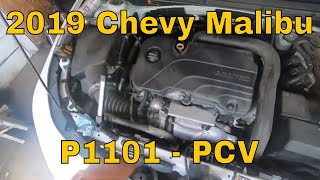
- Failed PCV System / Torn Valve Cover Diaphragm 🔴 High Probability The PCV check valve is integrated into the valve cover on the 1.5T and 2.0T engines. The internal rubber diaphragm is prone to tearing, creating a large, unmetered vacuum leak. The ECM detects this as an airflow anomaly and incorrectly enriches the fuel mixture, triggering P0172.
How to confirm: With the engine running, listen for a loud whistling or sucking sound near the top of the engine. Try to remove the oil filler cap. If there is very strong suction holding it down, making it difficult to remove, the PCV diaphragm has almost certainly failed. This is the most common and definitive diagnostic test reported by owners.
Typical fix: Replace the entire valve cover assembly. The diaphragm itself is not sold as a separate OEM part, requiring the whole cover to be replaced. 🎬 Watch: A direct walkthrough of the valve cover replacement process. This is a well-documented repair on owner forums.
Est. part cost: $150-$300 - Dirty or Faulty Mass Air Flow (MAF) Sensor 🟡 Medium Probability Oil vapors from a failing PCV system or aftermarket oiled air filters can contaminate the MAF sensor's delicate wires, causing it to under-report the amount of air entering the engine. The ECM then injects the wrong amount of fuel based on this faulty data.
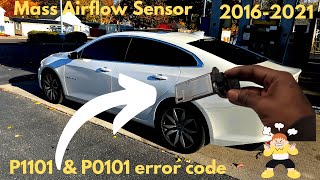
How to confirm: Remove the sensor from the intake tube and inspect the sensing elements for dirt, oil residue, or debris. Cleaning with a dedicated MAF sensor cleaner may resolve the issue. If the problem persists after cleaning and ruling out other causes, 🎬 See how to properly clean your MAF sensor without damage. the sensor may need replacement.
Typical fix: Clean the MAF sensor with a specialized cleaner. If cleaning doesn't work, replace the sensor.
Est. part cost: $60-$150 - Leaking or Stuck Open Fuel Injector 🟡 Medium Probability A direct fuel injector can leak fuel into the cylinder even when it's not supposed to be firing, or get stuck open, leading to a rich condition in that specific cylinder bank. This can also lead to fuel contaminating the engine oil.
How to confirm: A fuel pressure drop test after the engine is off can indicate a leak. A more definitive test is to remove the fuel rail and injectors, pressurize the system, and watch for drips from the injector nozzles. A professional injector balance test can also identify a faulty injector.
Typical fix: Replace the faulty fuel injector and its seals. It is often recommended to replace all injectors on a high-mileage vehicle if one fails.
Est. part cost: $50-$120 per injector - Disconnected Charge Air Cooler Pipe ⚪ Low Probability As noted specifically in TSB #PIP5651G and its successor #22-NA-224, the plastic pipe connecting the charge air cooler (intercooler) to the throttle body can become disconnected. This causes a massive post-MAF, pre-throttle air leak, leading to severe drivability issues and a host of codes including P0172.
How to confirm: Visually inspect the large diameter intake piping between the intercooler (at the front of the car) and the engine's throttle body. Ensure all clamps are tight and the pipes are securely connected. The connection at the throttle body is a known failure point. 🎬 Watch: The easy way to remove and check the intercooler hose.
Typical fix: Reconnect the pipe and secure the clamp. Replace the clamp, O-ring seal, or pipe if they are damaged.
Est. part cost: $10-$150
Rare But Worth Checking
- Stuck Open EVAP Purge Valve: The EVAP purge valve can get stuck open, allowing unmetered fuel vapors from the charcoal canister to enter the intake manifold at idle, creating a rich mixture that the ECM tries to correct. This can be tested by applying vacuum to see if it holds or by using a scan tool to command it closed and checking for vacuum flow.
- Faulty Oxygen (O2) Sensor: While O2 sensors can fail, they are often correctly reporting the rich condition. However, a slow, biased, or contaminated upstream O2 sensor can incorrectly report a lean condition, causing the ECM to add too much fuel and trigger P0172. This should be diagnosed with a scan tool by observing the sensor's voltage switching behavior.
- Incorrect Fuel Alcohol Content Reading: On Flex Fuel compatible models, the ECM can incorrectly 'learn' a high alcohol percentage in the fuel, causing it to enrich the mixture significantly. This often happens after a battery replacement or if fuel composition changes drastically without a proper drive cycle. A scan tool is required to view and reset this value back to near zero.
- Leaking High-Pressure Fuel Pump (HPFP): On direct-injection engines, the high-pressure fuel pump can leak fuel internally into the crankcase. This contaminates the engine oil with gasoline, which then gets recirculated through the PCV system into the intake, causing a rich condition. A key symptom is engine oil that strongly smells of gasoline.
Diagnosis Steps
- Read all codes with an OBD-II scanner. Note any other codes present (P0101, P0299, P1101 are key companions) and check freeze frame data.
- Using the scanner, observe Short-Term Fuel Trim (STFT) and Long-Term Fuel Trim (LTFT) at idle. For P0172, you will see highly negative numbers (e.g., -15% or more), indicating the ECM is pulling fuel.
- With the engine running at idle, listen for a distinct hissing or high-pitched whistling sound from the valve cover area. Carefully try to remove the oil cap; if strong vacuum suction holds it on, the PCV diaphragm in the valve cover has failed. This is the most likely cause.
- If no PCV issue is found, thoroughly inspect the entire air intake system from the air filter to the throttle body. Pay close attention to the charge air cooler pipe connection at the throttle body, as it is known to blow off.
- Remove and inspect the MAF sensor for oil contamination. If dirty, clean it with dedicated MAF sensor cleaner and re-evaluate. Do not touch the sensor elements.
- Check the engine oil dipstick. If the oil level is high and/or smells strongly of raw gasoline, suspect a leaking high-pressure fuel pump or a severely leaking fuel injector.
- Test the EVAP purge solenoid to ensure it is not stuck open, which would allow unmetered fuel vapors into the intake.
- If the vehicle is Flex Fuel capable, use a scan tool to check the 'Fuel Alcohol Content' percentage. If it is abnormally high (e.g., over 20%) and you only use regular gasoline, perform a fuel composition reset.
- As a final step, consider testing the upstream oxygen sensor's response with a scan tool to ensure it is switching correctly and not biased.
Parts You'll Likely Need
- Valve Cover / Camshaft Cover
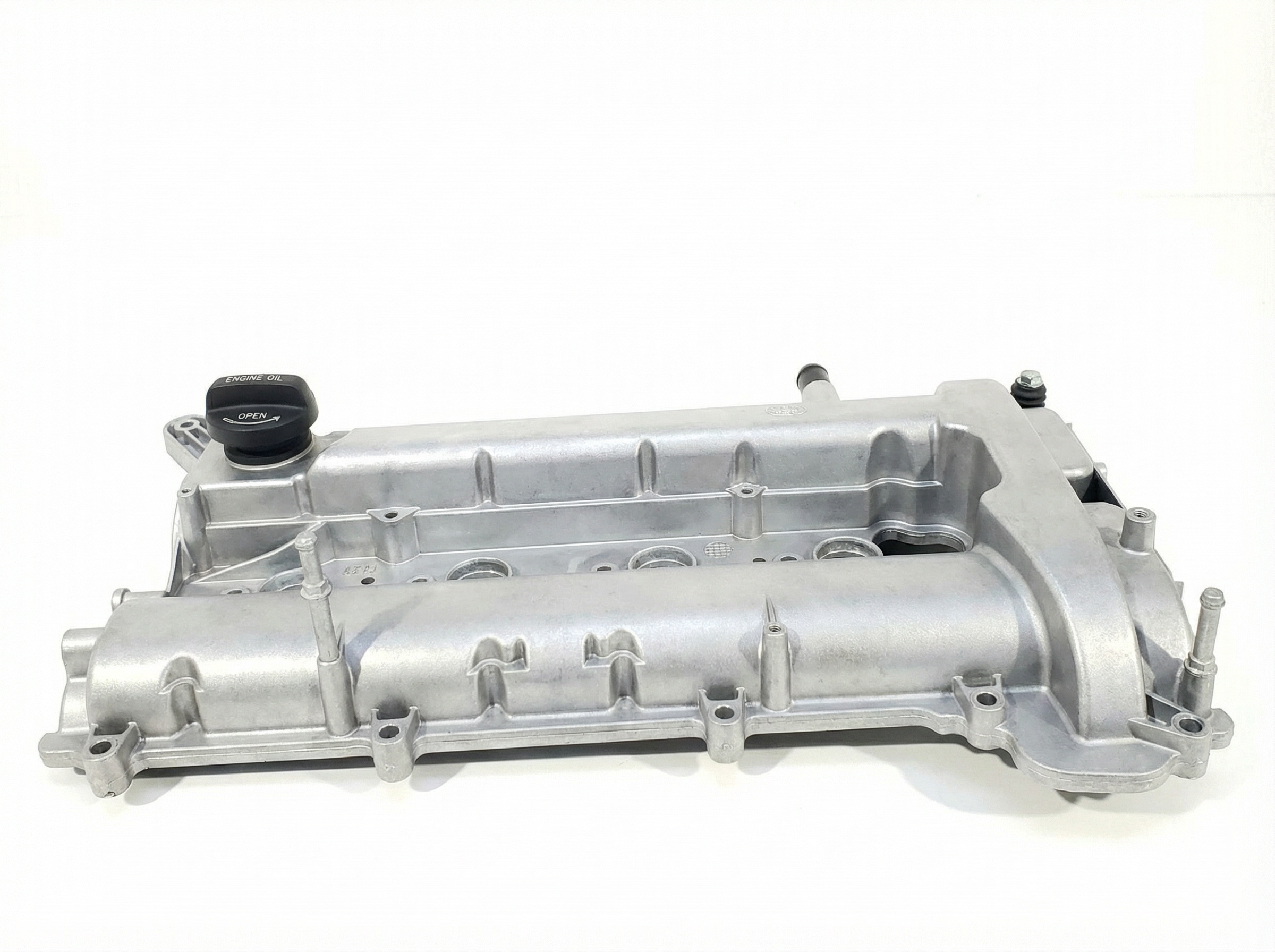
(OEM #1.5T Engine: 12679123 (replaces 12662828); 2.0T Engine: 12673335)— This is the most frequent fix for the turbo models, as the non-serviceable PCV diaphragm inside fails, requiring replacement of the whole cover. The failure causes a significant vacuum leak.
Trusted brands: ACDelco (OEM), Dorman (e.g., 264-965, though check specific application)
OEM price range: $200-$300
Aftermarket price range: $120-$200 - Mass Air Flow (MAF) Sensor
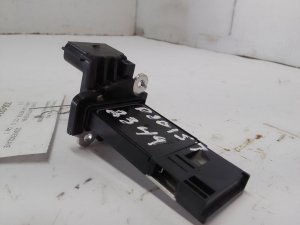
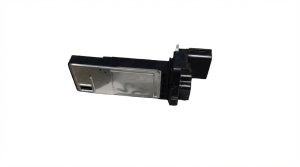
(OEM #13301682 (ACDelco 213-4686))— Often gets contaminated by oil from a failed PCV system or simply fails over time, providing incorrect airflow data to the ECM. It's a common secondary replacement part.
Trusted brands: ACDelco, Bosch, Delphi
OEM price range: $100-$150
Aftermarket price range: $60-$100 - Fuel Injector
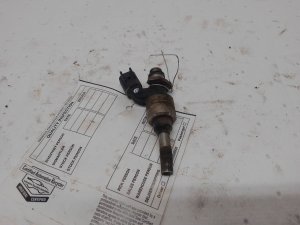
(OEM #1.5T Engine: 12672368; 2.0T Engine: 12638530)— A leaking or stuck-open injector will dump excess fuel into a cylinder, causing a rich condition and potential oil dilution.
Trusted brands: ACDelco (OEM), Bosch
OEM price range: $80-$150 per injector
Aftermarket price range: $50-$100 per injector
Related Codes That Often Appear With This One
- P0101 — Mass Air Flow (MAF) Sensor Performance. This code often appears with P0172 because a large vacuum leak (like a PCV failure) or a disconnected charge pipe causes a major disagreement between the MAF sensor's reading and what the engine's other sensors report.
- P0299 — Engine Underboost. This is common on turbocharged models when a charge pipe is disconnected or there's a major leak in the PCV system, preventing the turbo from building proper pressure.
- P1101 — Intake Air Flow System Performance. Similar to P0101, this GM-specific code indicates a discrepancy between the MAF sensor reading and expected airflow, often caused by the same intake leaks.
- P0506 — Idle Air Control System RPM Lower Than Expected. A large vacuum leak from the PCV or charge pipe can cause the engine's idle speed to be unstable and drop too low as the ECM struggles to maintain control.
Technical Service Bulletins (TSBs) & Recalls
- 22-NA-224: Supersedes PIP5651G, addresses multiple codes (P0101, P0172, P0299, etc.) and points to the charge air cooler outlet tube separating from the throttle body.
- N192271200: Special coverage adjustment for engine stall/rough run with codes P0172, P0299, etc.
- 18-NA-246: Addresses P0172 caused by fuel collecting in the crankcase due to short-trip driving, recommending an oil change and sometimes a revised PCV valve.
- PIP5651G: Preliminary information about the charge air cooler pipe disconnecting from the throttle body.
Platform-Specific Known Issues
- PCV Diaphragm Failure Mode: The most prevalent issue for the 1.5T and 2.0T engines is the failure of the rubber diaphragm within the non-serviceable PCV valve assembly, which is part of the main valve cover. The diaphragm tears, creating a constant, high-volume vacuum leak from the crankcase into the intake manifold. This unmetered air causes the ECM to receive conflicting information from its sensors, leading it to over-fuel the engine in a failed attempt to compensate, resulting in the P0172 code.
Mechanic-Grade Diagnostic Values
- Mass Air Flow (MAF) Sensor Reading at Idle — expected: Approximately 1.5 g/s for the 1.5L engine (rule of thumb is 1 gram per second per liter of engine displacement). General range is 2 to 7 g/s for most car engines at idle.. Failure: A significantly lower reading (e.g., <1.0 g/s) can indicate a vacuum leak after the sensor, while a reading that doesn't increase with RPM can indicate a faulty sensor.
- Mass Air Flow (MAF) Sensor Reading at 2500 RPM — expected: Should rise to between 15 to 25 g/s.. Failure: A reading that does not increase linearly with RPM suggests the sensor is not reporting airflow changes correctly.
- MAF Sensor Power Supply Voltage — expected: 10 to 12 Volts DC on the Pink wire at the MAF sensor connector with key on, engine off.. Failure: No voltage indicates a problem with the fuse or wiring from the ECM/PCM.
- MAF Sensor Ground Circuit — expected: Continuity to ground on the Black w/ White stripe wire at the MAF sensor connector.. Failure: A lack of ground will cause the sensor to malfunction.
Scan Tool Commands That Help
- GDS2 / Professional Scan Tool: Fuel Composition Reset — Use when P0172 is present and the 'Fuel Alcohol Content' PID shows a high percentage (e.g., >15%) on a vehicle that has only been filled with regular gasoline. This can happen after a battery disconnect or from contaminated fuel and will cause the ECM to command an overly rich mixture.
- GDS2 / Professional Scan Tool: EVAP Purge/Seal — To diagnose a stuck-open EVAP purge valve. Command the valve closed (0%) and apply a vacuum or smoke to the port leading to the canister. If vacuum drops or smoke passes through, the valve is leaking and causing a rich condition.
- GDS2 / Professional Scan Tool: Injector Balance Test — To identify a leaking or poorly flowing fuel injector without removing the fuel rail. The tool pulses each injector and measures the corresponding fuel pressure drop, which should be consistent across all cylinders.
Wiring & Ground Locations
- G103 — At the left rear of the engine compartment on the cowl, above the brake booster.. This ground serves the Engine Control Module (ECM) and Data Link Connector (DLC). A poor connection here can cause erratic ECM behavior and faulty sensor readings, potentially leading to incorrect fuel calculations.
- G101/G106 — G101 is on the engine block, and G106 is on the front center of the frame cross rail under the crank pulley. They are often jumpered together.. This is a primary ground path for the ECM, Transmission Control Module, and the MAF sensor. Corrosion or a loose connection here directly impacts the MAF sensor's ability to send a correct signal, which is a key input for fuel mixture control.
- MAF Sensor Connector (5-pin) — On the MAF sensor, located in the intake tube just after the air filter box.. Knowing the pinout allows for direct testing. Pin A (Yellow) is the MAF signal, Pin B (Black/White) is ground, and Pin C (Pink) is the 12V power feed. Testing for correct power and ground at this connector is a critical step before replacing the sensor.
Real Owner Repair Stories
- YouTube Commenter on 'How To Fix P0172 P0175' (2007 Chevy Silverado (similar GM engine logic)) — Persistent P0172 and P0175 codes, running poorly, high fuel alcohol percentage reading on scan tool.
❌ Tried (didn't work) Replacing O2 sensors, Replacing MAF sensor, Replacing valve cover
✅ What actually fixed it The EVAP purge solenoid was failing intermittently. After being commanded open and closed 3-4 times with a scan tool, it started leaking vacuum. Replacing the $40 purge solenoid resolved the rich codes and high alcohol content reading. - YouTube video '2010 Chevy Malibu p0172 Fuel Trim System Rich' (2010 Chevy Malibu (4-cylinder)) — P0172 code present.
❌ Tried (didn't work) Replacing a cracked exhaust manifold, Replacing a contaminated MAF sensor
✅ What actually fixed it After replacing other parts, the scan tool showed a fuel alcohol content of 76%. Using the scan tool's 'Fuel Composition Reset' function to set the value back to zero fixed the fuel trim issue. The final fix was a software reset, not a hardware replacement.
"I Checked Everything" — The Actual Cause
- In cases where a smoke test reveals no vacuum leaks, the P0172 code can be caused by an intermittently sticking EVAP purge solenoid. The solenoid may hold vacuum when tested once, but fail after several cycles, allowing unmetered fuel vapor into the intake manifold and causing a rich condition that a smoke test would miss.
- A leaking high-pressure fuel pump (HPFP) can cause a rich condition without an external vacuum leak. Fuel leaks internally into the crankcase, contaminates the oil, and the fuel-laden oil vapor is then ingested by the engine via the PCV system, creating a rich mixture. A key symptom is engine oil that smells strongly of gasoline.
Model Year Variations Within This Range
- 2013-2016 (8th Generation): The base engine was primarily the 2.5L LKW non-turbo engine. While it can still experience P0172 from causes like faulty injectors or EVAP issues, it is not prone to the specific turbocharged-related failures like the torn PCV diaphragm in the valve cover or disconnected charge air cooler pipes that are common on the 9th generation.
- 2016.5-2020 (9th Generation): The standard engine became the 1.5L LFV turbocharged direct-injection engine. This engine is the primary subject of the TSBs mentioning P0172 in conjunction with PCV valve cover failures and charge air cooler pipe issues. The optional 2.0T LTG engine shares a similar architecture and can suffer from the same PCV-related issues.
Helpful Videos

Used OEM Parts in Stock

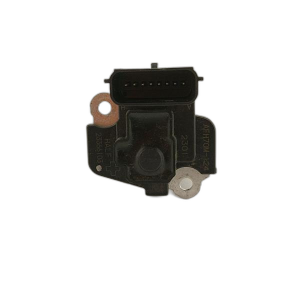
New Aftermarket Parts Available


The information in this article is provided for general reference and educational purposes only. Vehicle specifications, procedures, and part compatibility can vary by production date, trim level, and region. Always consult your vehicle's factory service manual and verify part numbers before purchasing or performing repairs. Safety-critical components such as airbags, seat belts, and braking systems should be installed by a qualified professional.
- Chevrolet MALIBU:
- 🎬 Helpful Videos
- 🛍️ Shop This Part
- What's Unique About the 2013-2020 Chevrolet MALIBU
- Diagnostic Flowchart
- Symptoms You May Notice
- Most Likely Causes
- Rare But Worth Checking
- Diagnosis Steps
- Parts You'll Likely Need
- Related Codes That Often Appear With This One
- Technical Service Bulletins (TSBs) & Recalls
- Platform-Specific Known Issues
- Mechanic-Grade Diagnostic Values
- Scan Tool Commands That Help
- Wiring & Ground Locations
- Real Owner Repair Stories
- "I Checked Everything" — The Actual Cause
- Model Year Variations Within This Range
- 🎟️ Get 5% Off