

P0171 on 2005-2009 Subaru Outback 2.5L: Lean Code Causes and Fixes
On a 2005-2009 Subaru Outback, code P0171 is most often caused by a failing front oxygen (A/F) sensor or a vacuum leak from a cracked hose or intake gasket. Cleaning the MAF sensor is a good first step, but the front O2 sensor is a very common failure point. Expect to pay ~$100-$180 for a quality replacement sensor.
- P0171 means your engine is running with too much air or not enough fuel.
- On your 2005-2009 Outback, the most likely causes are a bad front oxygen (A/F) sensor or a vacuum leak.
- Start your diagnosis by cleaning the MAF sensor and inspecting all intake and vacuum hoses for cracks.
- A smoke test is the most reliable way to find a hidden vacuum leak.
- If you can't find a leak, the front oxygen sensor is the next part to suspect. Using a quality brand like Denso is recommended.
What's Unique About the 2005-2009 Subaru Outback

The EJ253 engine in this generation of Outback is known for a few specific weak points that lead to a P0171 code. While vacuum leaks are a common cause on many cars, on these Subarus, the front air/fuel ratio sensor is a very frequent culprit. Additionally, the PCV (Positive Crankcase Ventilation) hoses and the main intake air duct can become brittle and crack over time, creating hard-to-find vacuum leaks. Owners often chase vacuum leaks for days when the root cause is a lazy, aging front oxygen sensor that is slow to respond.
Symptoms You May Notice
- Check Engine Light is on
- Rough or unstable idle, sometimes surging
- Hesitation or stumbling during acceleration
- Reduced engine power and poor fuel economy
- Engine may stall when coming to a stop
- Hissing noise from the engine bay, indicating a vacuum leak
- Replacing the rear (downstream) oxygen sensor. The rear sensor primarily monitors catalytic converter efficiency and has minimal impact on fuel trim adjustments.
- Replacing the fuel pump without first verifying low fuel pressure with a gauge.
- Replacing the MAF sensor without first attempting to clean it.
Most Likely Causes

- Failing Front Oxygen (A/F) Sensor 🔴 High Probability The front sensor is critical for fuel mixture adjustments and is a common failure item as the vehicle ages. It can become 'lazy' and send slow or incorrect signals, telling the ECU the mixture is lean when it isn't. Forum users repeatedly confirm this is a top cause after 100k miles.
How to confirm: A mechanic can watch the sensor's live data on a scan tool to see if it is responding quickly and correctly. Often, if other causes are ruled out, replacing this sensor is the fix. Many DIYers replace it as a high-probability item after checking for obvious vacuum leaks.
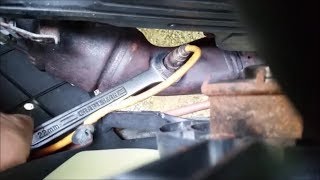
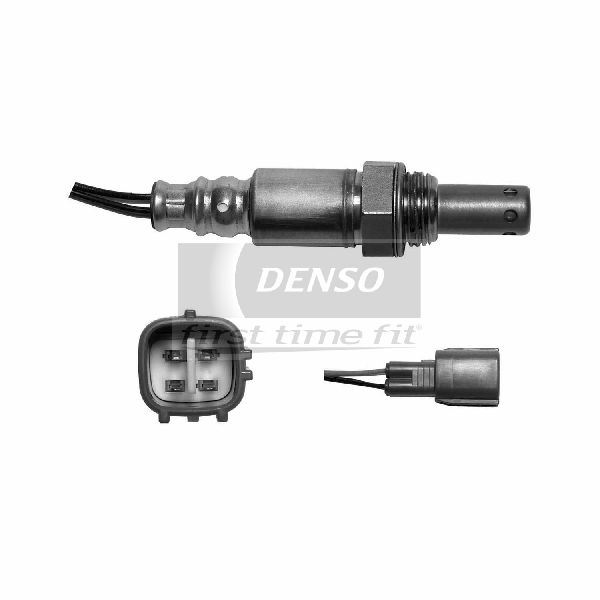
Typical fix: Replace the front (upstream) oxygen sensor, also known as the Air/Fuel (A/F) ratio sensor. Using an OEM-quality brand like Denso or NTK is highly recommended 🎬 Watch: How to replace both oxygen sensors on your Subaru. to avoid compatibility issues.
Est. part cost: $100-$180 - Vacuum Leak 🔴 High Probability Rubber and plastic components in the engine bay become brittle with age and heat cycles. Common sources include the large accordion-style intake air duct cracking in the folds, PCV hoses, and intake manifold gaskets.
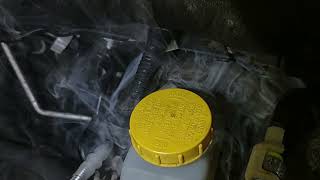
How to confirm: Perform a smoke test. This involves feeding pressurized smoke into the intake system and watching for where it escapes. A less precise method is to carefully spray brake cleaner or starting fluid around potential leak points with the engine idling; a change in engine RPM indicates a leak.
Typical fix: Replace the cracked hose, leaking gasket, or damaged component. The intake air duct is a common and simple replacement.
Est. part cost: $10-$150 - Dirty or Faulty Mass Airflow (MAF) Sensor 🟡 Medium Probability The MAF sensor's delicate wire can become contaminated with dirt and oil vapor, especially if an over-oiled aftermarket air filter is used, causing it to inaccurately measure the air entering the engine.
How to confirm: Remove the sensor and inspect it for contamination. Cleaning it is a simple first step. If cleaning doesn't work, its performance can be verified by monitoring its readings on a scan tool.
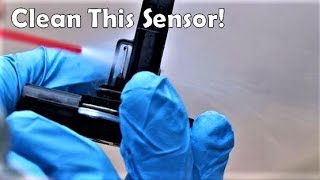
Typical fix: First, try cleaning the sensor with a dedicated MAF sensor cleaner. 🎬 Watch: A step-by-step guide to cleaning your MAF sensor. Do not touch the wire. If cleaning does not resolve the issue, replace the sensor.
Est. part cost: $10 (cleaner) or $70-$150 (new sensor) - Low Fuel Pressure ⚪ Low Probability A weak fuel pump or clogged fuel filter can restrict fuel flow, leading to a lean condition. While less common than sensor or vacuum issues, it becomes more likely on higher-mileage vehicles.
How to confirm: Connect a fuel pressure gauge to the fuel system and verify the pressure is within the manufacturer's specifications (typically around 38 psi at idle for this model).
Typical fix: Replace the failing fuel pump assembly or clogged fuel filter.
Est. part cost: $150-$300
Rare But Worth Checking
- Exhaust Leak Before the Front O2 Sensor: A crack in the exhaust manifold or a leaking gasket can allow outside oxygen to be pulled into the exhaust stream. The O2 sensor will detect this extra oxygen and incorrectly report a lean condition.
- Clogged Fuel Injectors: If injectors become partially clogged with deposits, they can't deliver the proper amount of fuel, leading to a lean mix. This is less common than other causes but can happen over time.
- Leaking Brake Booster Diaphragm: The brake booster uses engine vacuum to operate. A leak in its internal diaphragm can create a significant, unmetered vacuum leak, causing a lean code. This may be accompanied by a hissing sound when the brake pedal is pressed.
Diagnosis Steps

- Read the code with an OBD-II scanner and check for any other pending or active codes. Note the Long Term Fuel Trim (LTFT) value; a high positive number confirms the lean condition.
- Visually inspect the engine bay for obvious issues like a disconnected vacuum hose or a cracked intake air boot between the air filter and the throttle body. Pay close attention to the accordion ribs of the boot.
- Clean the Mass Airflow (MAF) sensor using a dedicated MAF sensor cleaner. Allow it to dry completely before reinstalling.
- Check for vacuum leaks. The most effective method is a smoke test. Alternatively, you can carefully spray short bursts of brake cleaner around the intake manifold gaskets and vacuum hoses while the engine is running, listening for any change in idle speed.
- Inspect the PCV valve and its associated hoses. The valve should rattle when shaken; if not, it may be stuck. Hoses can become brittle and crack, especially the one running from the valve to the intake manifold.
- If no vacuum leaks are found, the front Air/Fuel ratio (oxygen) sensor is the next most likely culprit. It can be tested with an advanced scan tool by observing its voltage and response time, but often it's replaced based on being the most probable cause after other checks fail.
- If the problem persists, test the fuel pressure using a gauge to rule out a weak fuel pump or clogged filter.
Parts You'll Likely Need

- Front Air/Fuel Ratio Sensor (Upstream Oxygen Sensor)
(OEM #22641AA272)— This is the primary sensor for controlling the air-fuel mixture and is a very common failure point on this vehicle, causing a P0171 code.
Trusted brands: Denso (e.g., 234-9097), NTK
OEM price range: $150-$200
Aftermarket price range: $100-$180 - Mass Airflow (MAF) Sensor
(OEM #22680AA310)— Can become dirty or fail, providing incorrect airflow readings to the ECU, which leads to an improper fuel mixture.
Trusted brands: Denso, Hitachi
OEM price range: $150-$250
Aftermarket price range: $70-$150 - PCV Valve and Hoses
(OEM #11810AA000 (Valve), 99071AC050 (Hose example))— The hoses in the PCV system are known to become brittle and crack, creating vacuum leaks that are a primary cause of lean codes.
Trusted brands: Subaru (OEM)
OEM price range: $30-$80 (for a kit)
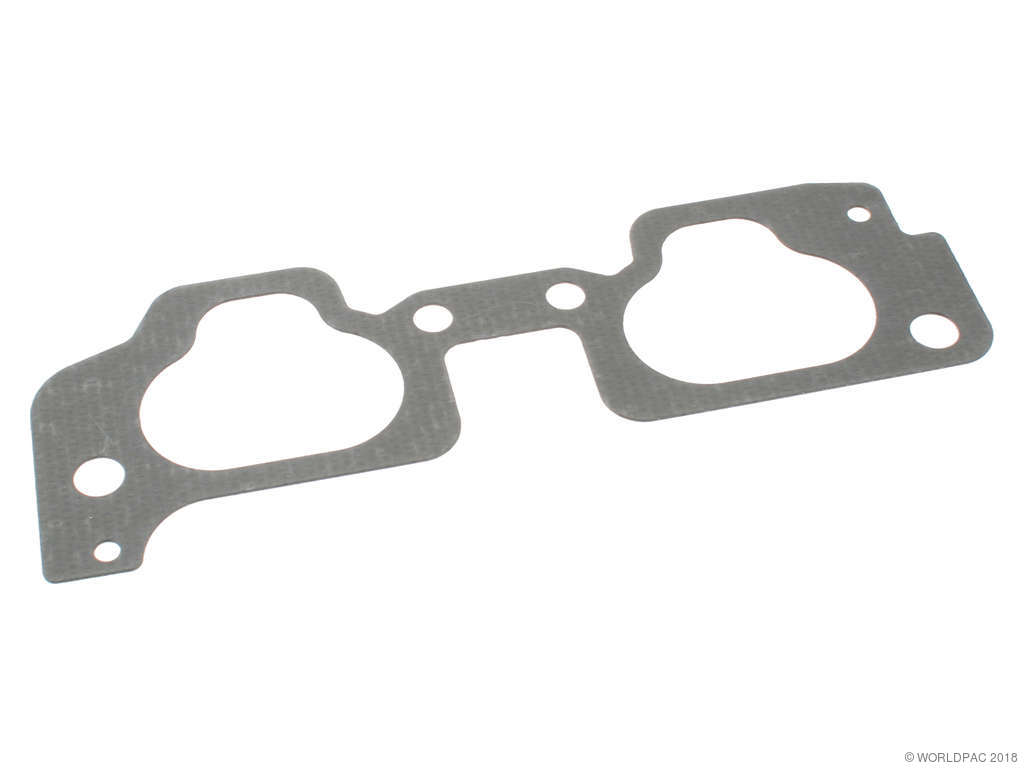
Aftermarket price range: $20-$50 - Intake Manifold Gaskets
(OEM #14035AA421)— These gaskets can fail over time, creating a significant vacuum leak directly into the intake runners.
Trusted brands: Fel-Pro, Subaru (OEM)
OEM price range: $20-$30
Aftermarket price range: $10-$20 - Intake Air Boot/Duct
(OEM #14462AA240)— The flexible, accordion-style rubber duct between the airbox and throttle body frequently develops cracks in its folds, creating a large vacuum leak.
Trusted brands: Subaru (OEM)
OEM price range: $40-$60
Aftermarket price range: $25-$40
Platform-Specific Known Issues
- The plastic PCV valve assembly located under the throttle body can develop cracks. The hoses connected to it are often the first to fail, but the valve body itself can be a leak source.
- Owners on forums like subaruoutback.org and legacygt.com strongly advise using a Denso or NTK branded front A/F sensor, as cheaper aftermarket sensors have been reported to fail quickly or not work correctly out of the box, causing the P0171 code to return.
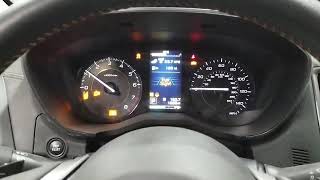
- When the P0171 code appears, it's common for Subaru's system to also disable cruise control and cause the 'CRUISE' light to flash as a safety precaution. This is normal behavior and will resolve when the Check Engine Light is cleared.
Mechanic-Grade Diagnostic Values
- Mass Airflow (MAF) Sensor Live Data — expected: 2 to 7 grams/second (g/s) at idle. Should rise smoothly to 15-25 g/s at 2500 RPM.. Failure: A reading that is flatlined, erratic, or significantly lower than expected (e.g., 1.7-1.8 g/s at idle) points to a faulty or dirty sensor.
- Fuel Pressure — expected: 340-400 kPa (49-58 psi) with engine running.. Failure: Pressure below this range indicates a weak fuel pump or clogged filter.
- Injector Pulse Width — expected: Around 2.5-3.5 ms at idle on a warm engine.. Failure: A significantly higher pulse width (e.g., 4.1 ms) indicates the ECU is commanding the injectors to stay open longer to compensate for a lean condition (unmetered air or low fuel delivery).
- A/F Learning Value (Subaru Specific) — expected: Close to 0% across all ranges (A, B, C, D) on a scan tool like the Subaru Select Monitor (SSM).. Failure: High positive values in the 'A' range (idle/low load) strongly suggest a vacuum leak. High positive values in 'C' and 'D' ranges (high load) point more towards fuel delivery or MAF sensor issues.
Scan Tool Commands That Help

- Subaru Select Monitor (SSM) or equivalent: View A/F Learning Values (Ranges A, B, C, D) — This is crucial for professional diagnosis. It helps differentiate between a vacuum leak (which primarily affects idle and low-load 'A' range) and a fuel delivery or MAF scaling problem (which affects mid to high-load 'C' and 'D' ranges).
- Generic OBD-II Scanner: Reset Fuel Trim / Clear Adaptive Values — After replacing a component like a MAF or O2 sensor, or fixing a vacuum leak, it's important to reset the learned fuel trims. This forces the ECU to relearn the fuel strategy with the new/correct parameters, preventing the old incorrect adaptations from causing issues.
Real Owner Repair Stories
- YouTube channel 'Diy-Trix' (2006 Subaru Outback 2.5L) — P0171 code, high positive fuel trims (Short term ~21%, Long term ~20%).
❌ Tried (didn't work) Customer had a shop replace the MAF sensor with an aftermarket Delphi unit., Technician performed a smoke test, which passed with no leaks found., Technician checked fuel pressure, which was within the 49-52 psi specification.
✅ What actually fixed it The aftermarket (Delphi) MAF sensor was reading too low (1.7-1.8 g/s at idle). Replacing it with an OEM Subaru MAF sensor resolved the issue, bringing the idle reading to a correct ~3 g/s and normalizing fuel trims. - YouTube channel 'Cars and Service' (2011 Subaru Legacy (similar platform/issue)) — P0171 code, hard brake pedal immediately after engine shutoff.
❌ Tried (didn't work) Initial diagnosis focused on common vacuum hoses.
✅ What actually fixed it A smoke test revealed a significant leak from the power brake booster. The internal diaphragm had failed, creating a large, unmetered vacuum leak that the ECU could not compensate for. Replacing the brake booster fixed the code. - NHTSA ODI #10865341 — An owner reported the "BRAKE" and "CHECK ENGINE" lights illuminating; a dealer traced the P0171 code to a vacuum leak around the brake booster check valve, which was found to be cracked.
- NHTSA ODI #11329091 — In another Subaru case, a P0171 system too lean fault was diagnosed where no leaks were found, and the issue was addressed by cleaning the mass air flow sensor.
- NHTSA ODI #11712991 — An owner experienced an engine stall with code P0171 present and several dash lights illuminated, after which the vehicle would only crank but not start.
"I Checked Everything" — The Actual Cause
- In one documented case, a 2006 Outback passed a smoke test and had correct fuel pressure, but the P0171 persisted. The root cause was an aftermarket MAF sensor that was reading incorrectly (too low), even though it was a new part. Replacing it with an OEM sensor fixed the problem.
- A hard brake pedal immediately after turning the engine off can be a key symptom. If the booster doesn't hold vacuum for at least one or two pedal presses, it may have an internal leak causing the P0171, even if a smoke test on the intake hoses comes back clean. The booster itself must be tested.
- According to NHTSA ODI #10496665, a vehicle went into limp mode with a P0171 code, and the dealer diagnosis determined the fuel line was disconnected.
- NHTSA ODI #11486440 notes a case where a P0171 was caused by an intermittent failure of the air fuel sensor, which resulted in a rich fuel condition and affected mileage.
OEM Part Supersession History
22680AA310→22680AA31A— Standard part revision and update by the manufacturer.
Heads up: While 22680AA31A is the official supersession, the key takeaway from mechanics is that using a genuine Subaru part (either number) or a direct OEM equivalent like Denso is critical. Aftermarket versions are a very common cause of repeat P0171 codes due to incorrect calibration.
Model Year Variations Within This Range
- 2008-2009: A mid-cycle refresh for the 2008 model year introduced a redesigned front end, instrument panel, and minor engine revisions for the 2.5L non-turbo engine (EJ253) focused on improving mid-range torque. While the fundamental causes of P0171 remain the same, some interior/exterior parts are not interchangeable with 2005-2007 models. The core engine components related to this code (MAF, O2 sensors, intake gaskets) remained largely consistent.
Diagnostic Flowchart
Other Known Issues on This Vehicle
Issues unrelated to this code that are worth knowing about as an owner of this generation:
- Head Gasket Failure 🔴 High — Very common, typically between 100,000 and 150,000 miles. The EJ253 engine used single-layer head gaskets prone to external oil and coolant leaks.
- Wheel Bearing Failure 🟠 Medium — Common failure item, especially the rear bearings, often starting around 60,000-90,000 miles. Symptoms include a loud humming or groaning noise that changes with vehicle speed.
- Catalytic Converter Failure 🟠 Medium — Can fail prematurely, sometimes as a consequence of unaddressed engine issues like a lean condition (P0171) or oil consumption from bad head gaskets. Often triggers code P0420.
- Oil Leaks from Seals and Gaskets 🟡 Low — Besides head gaskets, valve cover gaskets, spark plug tube seals, and the oil separator plate are common sources of oil leaks as the vehicle ages.
Used vs. New Parts: Buying Guide for This Vehicle
When a used part is the smart pick: Used parts are a reasonable choice for simple, non-electronic, and non-wear items. This includes the plastic engine covers, the intake air boot/duct (if carefully inspected for cracks), and potentially the PCV valve assembly body (though the hoses and valve itself should be new).
Donor-vehicle mileage cap: roughly under 80000 miles for the part to have meaningful remaining life.
What to inspect on the donor part:
- For the intake air boot, bend it and check every single accordion fold for hairline cracks, especially on the underside.
- Ensure all connector clips and hose barbs on any plastic part are intact and not brittle.
- Look for a donor vehicle from a dry, non-salt-belt climate to minimize rubber and plastic degradation.
OEM-only on this vehicle (don't cheap out):
- Front Air/Fuel Ratio Sensor: This is the most critical part. Forum and mechanic consensus is overwhelming that aftermarket O2/AF sensors often fail to work correctly, causing the code to return.
- Mass Airflow (MAF) Sensor: Similar to the A/F sensor, the calibration of the MAF is critical. Using a genuine Subaru or Denso part is strongly recommended to avoid persistent issues.
Aftermarket brands forum-validated for this vehicle:
- Denso (for A/F and MAF sensors - they are the OEM supplier)
- NTK (for A/F sensors)
- Fel-Pro (for intake manifold gaskets)
Brands owners have reported issues with on this vehicle:
- Any non-Denso/NTK branded oxygen or A/F sensor.
- Cheap, unbranded MAF sensors from online marketplaces. A documented case showed a new Delphi MAF sensor was improperly calibrated and caused the P0171 code.
Real Owner Stories
Aggregated from forums and TSBs cited above. Mileages and costs reflect what owners reported in those sources.
2009 Subaru Legacy 2.5i EJ253
Symptoms: P0171 code, Check Engine Light (CEL), and a blinking cruise control light.
What fixed it: Found and replaced a split PCV hose.
Source hint: LegacyGT.com - 'P0171, CEL and Blinking Cruise'
2008 Subaru Legacy EJ253
Symptoms: Vehicle was throwing a P0171 code and experiencing a rough idle.
What fixed it: Repaired a vacuum leak in the intake system.
Source hint: LegacyGT.com - ''08 legacy throwing P0171 code and rough idle'
2005-2009 Subaru Outback 2.5L — ~115000 miles
Symptoms: Check Engine Light on; the front sensor became 'lazy' and sent slow or incorrect signals to the ECU.
What fixed it: Replacement of the front (upstream) Air/Fuel ratio sensor with a Denso/NTK unit.
Source hint: Common causes and vehicle_specific_issues regarding front A/F sensor failure after 100k miles.
Related OBD-II Codes
Frequently Asked Questions
Why is my CRUISE light flashing and my cruise control disabled on my 2005-2009 Outback along with the P0171 code?
Which brand of front Air/Fuel sensor should I use for my EJ253 engine to fix a P0171?
I have a rough idle and a P0171 on my 2008 Legacy; where is the most likely place to look for a leak?
Can I just clean the sensor on my Outback instead of replacing it?
Is there a specific part under the throttle body of my 2005-2009 Outback that causes P0171?
How can I check for a vacuum leak on my Subaru without a smoke machine?
Helpful Videos

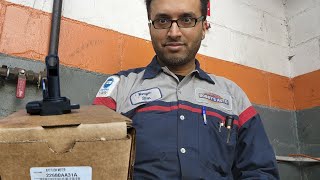
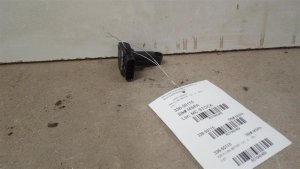
Used OEM Parts in Stock



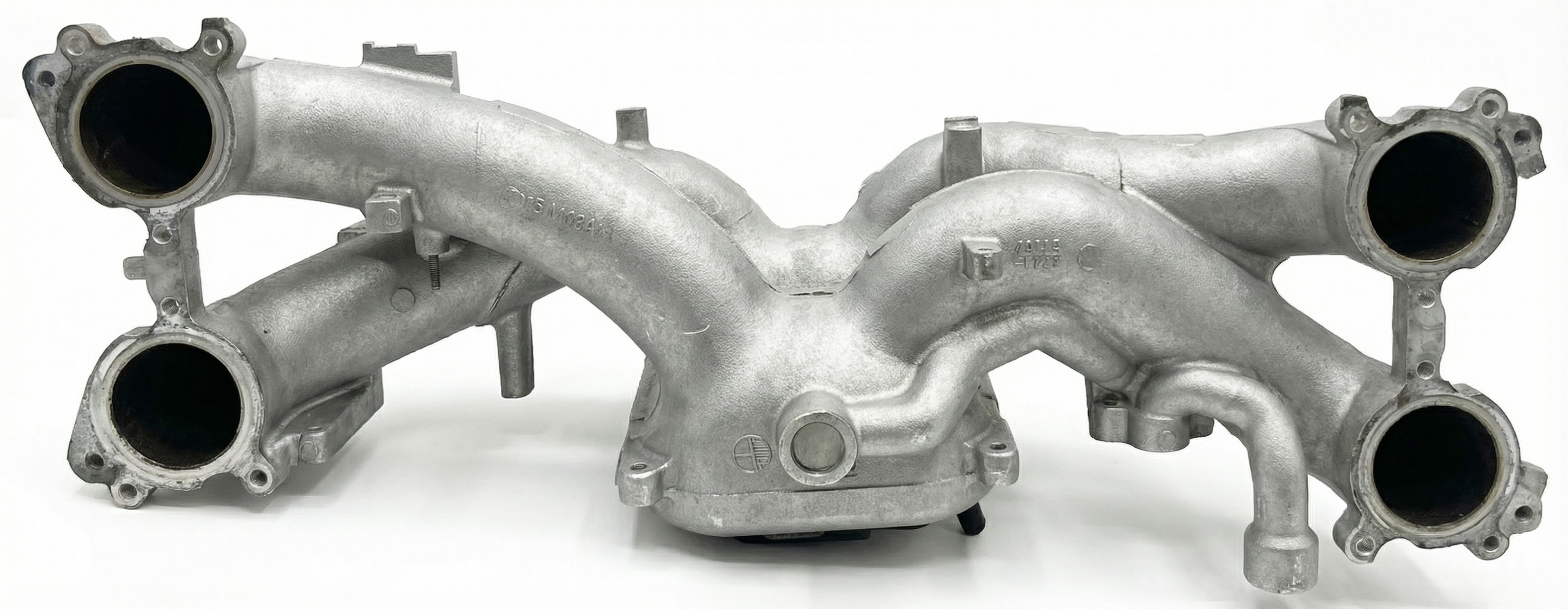
New Aftermarket Parts Available


The information in this article is provided for general reference and educational purposes only. Vehicle specifications, procedures, and part compatibility can vary by production date, trim level, and region. Always consult your vehicle's factory service manual and verify part numbers before purchasing or performing repairs. Safety-critical components such as airbags, seat belts, and braking systems should be installed by a qualified professional.
- Subaru Outback:
- 🎬 Helpful Videos
- 🛍️ Shop This Part
- What's Unique About the 2005-2009 Subaru Outback
- Symptoms You May Notice
- Most Likely Causes
- Rare But Worth Checking
- Diagnosis Steps
- Parts You'll Likely Need
- Platform-Specific Known Issues
- Mechanic-Grade Diagnostic Values
- Scan Tool Commands That Help
- Real Owner Repair Stories
- "I Checked Everything" — The Actual Cause
- OEM Part Supersession History
- Model Year Variations Within This Range
- Diagnostic Flowchart
- Other Known Issues on This Vehicle
- Used vs. New Parts: Buying Guide for This Vehicle
- Real Owner Stories
- 2009 Subaru Legacy 2.5i EJ253
- 2008 Subaru Legacy EJ253
- 2005-2009 Subaru Outback 2.5L — ~115000 miles
- Related OBD-II Codes
- Frequently Asked Questions
- 🎟️ Get 5% Off