

P0171 on 2017-2019 Nissan Sentra 1.8L: Lean Code Causes and Fixes
On a 2017-2019 Sentra with the 1.8L engine, the P0171 code is most often caused by a leaking intake manifold gasket allowing unmetered air into the engine. A thorough smoke test is the best way to confirm before replacing parts. Other common culprits include a cracked air intake boot and, less frequently, a faulty brake booster.
- For a P0171 code on a 2017-2019 Sentra, suspect a vacuum leak before you suspect a bad sensor.
- The most likely culprit is a failed intake manifold gasket, a known issue for this engine.
- A smoke test is the most reliable diagnostic tool to quickly find the source of the unmetered air.
- Do not replace the expensive Air/Fuel ratio sensor unless you have ruled out all possible vacuum leaks and followed the diagnostic steps in TSB NTB19-022.
What's Unique About the 2017-2019 Nissan SENTRA

The B17 generation Sentra (2013-2019) equipped with the 1.8L engine is particularly known for vacuum leaks that cause the P0171 code. While many cars can have vacuum leaks, this Sentra model frequently develops leaks specifically at the intake manifold gasket or the air intake boot. This is a widely reported issue among owners and mechanics for this specific vehicle, often after other parts like O2 or MAF sensors have been replaced unnecessarily.
🎬 Watch: A step-by-step diagnostic walkthrough for the P0171 lean code.Diagnostic Flowchart
Tap your situation to follow the diagnostic path that matches what you're seeing on this vehicle.
Symptoms You May Notice
- Check Engine Light is on
- Rough or unstable idle
- Hesitation or stumbling during acceleration
- Reduced fuel economy
- Engine running at a higher RPM than usual at idle
- Slight whistle or sucking noise from the engine bay
- Slight hesitation immediately after a cold start
- Replacing the front oxygen (Air/Fuel Ratio) sensor without first checking for vacuum leaks. The sensor is often correctly reporting the lean condition caused by unmetered air, rather than being the cause itself.
- Replacing the MAF sensor without first attempting to clean it and confirming the presence of a vacuum leak with a smoke test.
Most Likely Causes


- Leaking Intake Manifold Gasket 🔴 High Probability The intake manifold gaskets on the 1.8L MRA8DE engine are a well-documented common failure point, becoming brittle and allowing unmetered air to enter the engine, which is a primary cause of P0171.
How to confirm: Perform a smoke test on the intake system. Smoke will be seen escaping from the area where the intake manifold meets the cylinder head. Alternatively, spraying short bursts of brake cleaner or carb cleaner near the gasket with the engine running may cause a noticeable change in engine RPM.
Typical fix: Replace the intake manifold gasket. It is also recommended to replace the throttle body gasket at the same time.
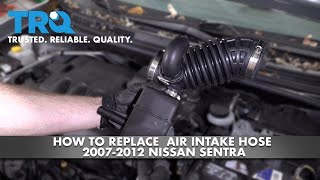
Est. part cost: $25-$50 - Cracked Air Intake Boot 🟡 Medium Probability The flexible rubber boot (accordion hose) between the air filter box and the throttle body can become brittle and crack over time, especially in the ribbed sections, allowing unmetered air to be drawn in past the MAF sensor.
How to confirm: Visually inspect the entire intake boot for cracks, paying close attention to the underside and folds. A smoke test will quickly and definitively reveal any leaks.
Typical fix: Replace the air intake boot.
Est. part cost: $40-$90 - Dirty or Faulty Mass Airflow (MAF) Sensor 🟡 Medium Probability
How to confirm: First, try cleaning the sensor using a dedicated MAF sensor cleaner; never touch the delicate sensor wires. If cleaning doesn't help, monitor the sensor's readings with a scan tool. At a warm idle (around 650-750 RPM), the reading should be approximately 1.5-2.0 g/s. A faulty sensor will often report less airflow than is actually entering the engine, causing the ECM to command less fuel and create a lean condition.
Typical fix: Clean the MAF sensor. If the problem persists, replace the sensor with a quality OEM or Hitachi unit.
Est. part cost: $70-$200 - Leaking PCV Hose or Faulty PCV Valve ⚪ Low Probability
How to confirm: Inspect the hoses connected to the PCV valve for cracks, softness, or looseness. A smoke test is also very effective at finding leaks in the PCV system. A stuck-open PCV valve can create a vacuum leak.
Typical fix: Replace the cracked hose or the faulty PCV valve.
Est. part cost: $15-$40
Rare But Worth Checking
- Leaking Brake Booster or Hose: A leak in the brake booster diaphragm or the vacuum hose leading to it can create a significant vacuum leak. In one documented case on a 2017 Sentra, this was the confirmed cause after other parts were checked. Diagnosis involves plugging the booster hose at the intake manifold and observing if fuel trims return to normal.
- Low Fuel Pressure: This could be caused by a weak fuel pump or a clogged fuel filter. This is less common than vacuum leaks but should be checked if no leaks are found. A fuel pressure test is required for diagnosis.
- Faulty Front Air/Fuel Ratio Sensor: The sensor itself can fail, sending incorrect lean signals to the ECM. Nissan issued a TSB (NTB19-022) with a revised diagnostic procedure to confirm if the A/F sensor is the root cause before replacing it. This should be one of the last parts to suspect.
- Clogged or Faulty Fuel Injectors: If one or more fuel injectors are clogged or failing, they may not deliver enough fuel to the cylinders, leading to a lean mixture. This can sometimes trigger a P0171 code before a specific misfire code appears.
Diagnosis Steps

- Read the code with an OBD-II scanner and check the freeze frame data to see the engine conditions when the code was set.
- Use a scan tool to monitor Long Term Fuel Trim (LTFT) and Short Term Fuel Trim (STFT) at idle. A combined value significantly above +15% confirms the lean condition. Note if the trims improve (move closer to zero) when RPMs are raised to ~2500; this strongly indicates a vacuum leak.
- Perform a thorough visual inspection of all intake and vacuum hoses between the MAF sensor and the engine, looking for obvious cracks or disconnections, especially the accordion-style intake boot.
- Clean the Mass Airflow (MAF) sensor using a dedicated spray cleaner and clear the codes to see if the problem returns.
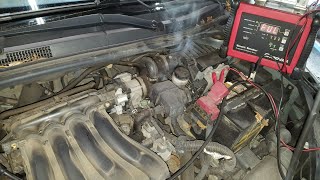
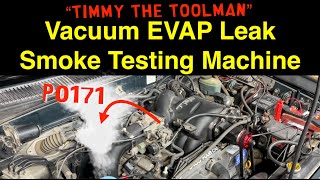
- Perform a smoke test. This is the most effective way to find hard-to-see vacuum leaks from the intake manifold gasket, intake boot, PCV system, or brake booster hose.
- If no vacuum leaks are found, test the fuel pressure to rule out a weak fuel pump or clogged filter.
- If fuel pressure is normal and no leaks are present, follow the diagnostic procedure in TSB NTB19-022. This involves clearing self-learning values and running the engine under specific conditions to see if A/F sensor-related codes (like P2096) appear, which would then point to a faulty sensor.
Parts You'll Likely Need

- Intake Manifold Gasket
(OEM #14035-3RC0A (superseded by 14035-3RC1A))— This is the most common failure point on the 1.8L engine leading to a P0171 code due to unmetered air leaks. The original part 14035-3RC0A has been replaced by 14035-3RC1A.
Trusted brands: Nissan (OEM), Fel-Pro, Mahle
OEM price range: $40-$50
Aftermarket price range: $20-$35 - Air Intake Boot / Hose
(OEM #16576-3RC2A)— The rubber can crack with age, creating a large vacuum leak after the MAF sensor.
Trusted brands: Nissan (OEM), Dorman (696-171)
OEM price range: $70-$90
Aftermarket price range: $30-$50 - Mass Airflow (MAF) Sensor
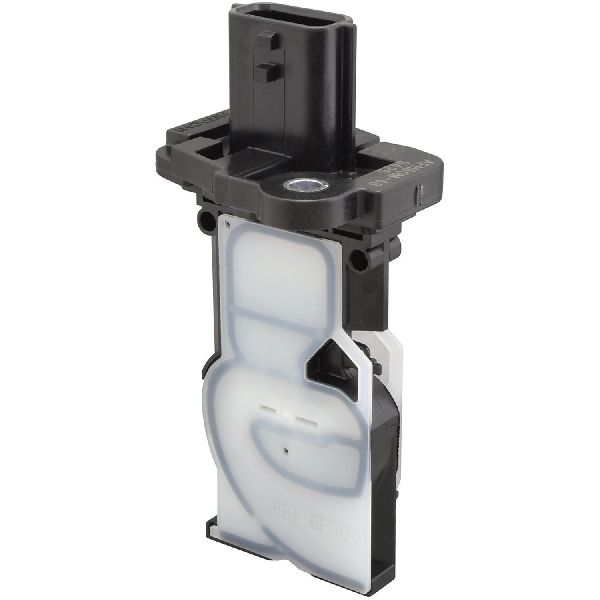
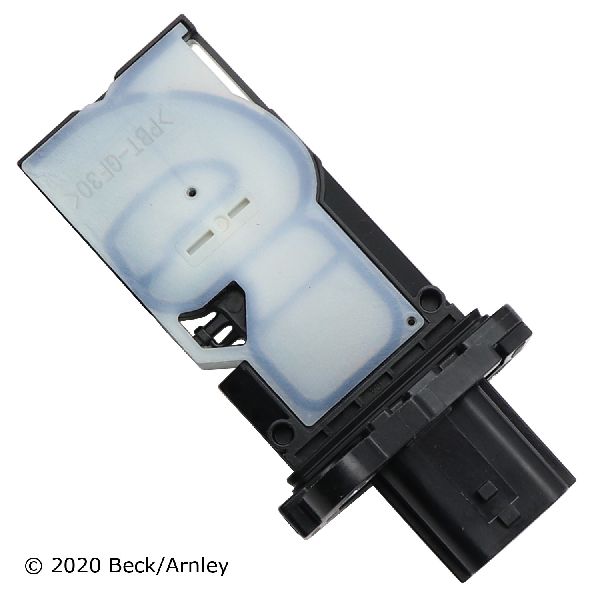
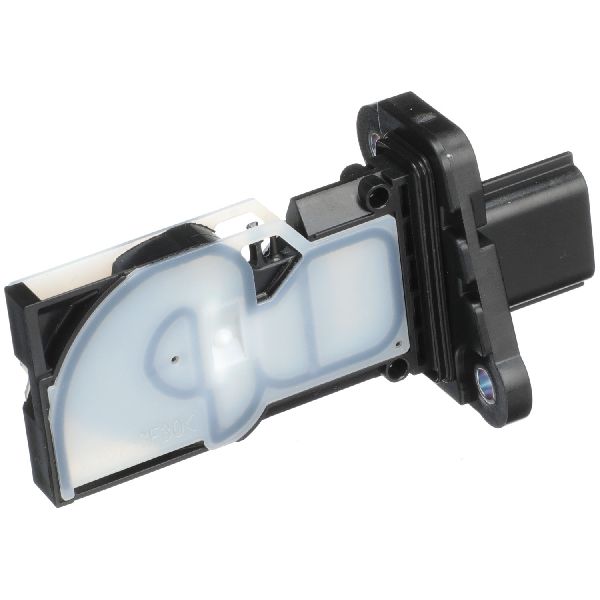
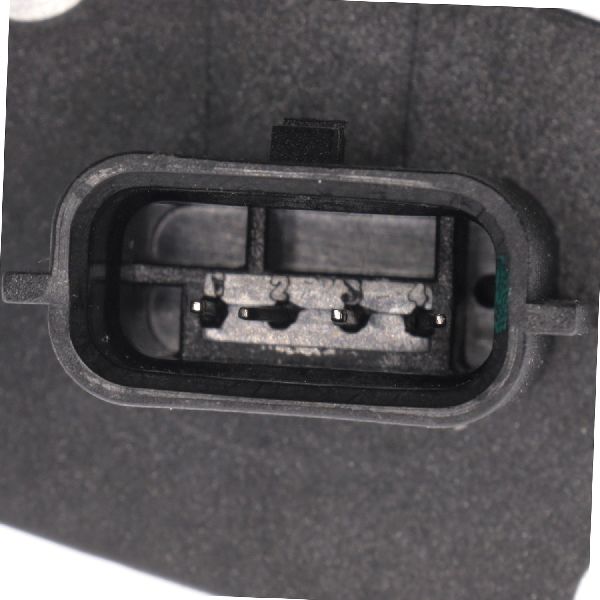
(OEM #22680-5RB0A)— Can become dirty or fail, providing incorrect airflow readings to the ECM. Cleaning is often a first step, but replacement is sometimes necessary. This part is shared with other Nissan models like the Altima, Kicks, and Versa.
Trusted brands: Hitachi (OEM), Denso, NGK
OEM price range: $230-$250
Aftermarket price range: $70-$150
Related Codes That Often Appear With This One
- P0300 — A severe lean condition can lead to incomplete combustion, causing random misfires across the cylinders.
- P0101 — If the lean condition is caused by a vacuum leak after the MAF sensor, the ECM may detect a discrepancy between the MAF reading and what it expects based on throttle position and engine speed, triggering a MAF performance code.
Technical Service Bulletins (TSBs) & Recalls
- NTB19-022: Outlines a revised service procedure for diagnosing P0171. It requires a technician to clear fuel trims, then run the engine at specific RPMs for set durations to see if a different code (P2096/P2097) appears, which would confirm a faulty A/F sensor. If no new code appears, the A/F sensor is likely not the cause.
Platform-Specific Known Issues
- The intake manifold gasket on the 1.8L MRA8DE engine is a well-documented, high-frequency failure item that directly causes a P0171 code. Many owners in forums report chasing the issue by replacing sensors, only to find the gasket was the root cause.
- A cracked air intake boot is the second most likely cause, with many owners finding large splits on the underside of the accordion-style hose.
Mechanic-Grade Diagnostic Values
- Long-Term and Short-Term Fuel Trim (LTFT + STFT) — expected: Combined value should be close to 0%, within a range of +/- 10%.. Failure: A sustained combined value of +15% or higher indicates a lean condition. The code P0171 typically sets when the trim exceeds +25%.
- Fuel Pressure at Idle — expected: Approximately 51 PSI (350 kPa).. Failure: Significantly lower pressure indicates a weak fuel pump or clogged filter.
- Air/Fuel Ratio (A/F) Sensor Voltage (Upstream Sensor) — expected: On Nissan wideband sensors, the voltage should be around 2.2V at stoichiometric (ideal) air/fuel ratio.. Failure: Voltage rising towards 3.3V or higher indicates a lean condition. Unlike traditional oxygen sensors, the voltage on these A/F sensors increases when the mixture is lean.
- Mass Airflow (MAF) Sensor Reading at Idle — expected: Approximately 1.2 to 2.0 g/s on a warm, stable engine.. Failure: A reading significantly lower than expected while fuel trims are high suggests unmetered air is entering the engine after the MAF sensor (i.e., a vacuum leak).
Scan Tool Commands That Help
- Nissan CONSULT or compatible professional scanner: Self-Learning Control Reset (or Clear Self-Learn) — This function should be used after a repair (like replacing an intake gasket or sensor) to clear the long-term fuel trim adaptations from the ECM. This forces the computer to relearn the fuel strategy immediately, which helps confirm if the repair was successful. It is also a required first step in the TSB NTB19-022 diagnostic procedure.
Wiring & Ground Locations
- Engine Ground E9 — Located on the left side of the engine compartment.. This is a primary ground point for the engine control system. A poor connection here can cause erratic sensor readings, including from the MAF and A/F sensors, potentially leading to an incorrect P0171 code.
- ECM Connector E16 — The main connector for the Engine Control Module.. Technicians may need to back-probe pins at this connector to test signals directly from the MAF sensor, A/F sensor, or fuel injectors if they suspect a wiring issue between the component and the ECM.
Real Owner Repair Stories
- YouTube channel 'NC Auto Diagnostics LLC' (2017 Nissan Sentra 1.8L) — P0171 code, high positive fuel trims (+35% at idle).
❌ Tried (didn't work) MAF sensor was already replaced., Throttle body was replaced for a different issue.
✅ What actually fixed it A leaking brake booster. The technician confirmed the leak by plugging the vacuum hose to the booster, which caused the fuel trims to drop from +35% to +7% almost immediately. - YouTube channel 'Hm car's' (2017 Nissan Sentra) — P0171 code, high fuel trims (Short term +25%, Long term +10%).
✅ What actually fixed it A small, cracked vacuum hose connecting the intake manifold to the EVAP purge valve. The crack was visually identified and audible with the engine running. Replacing the small section of hose resolved the lean condition.
"I Checked Everything" — The Actual Cause
- In a documented case on a 2017 Sentra, a technician suspected a brake booster leak. Before performing a smoke test, they simply plugged the vacuum line leading to the booster while observing live data. The fuel trims immediately corrected, proving the booster's internal diaphragm was leaking vacuum even though a smoke test might not have shown it easily.
OEM Part Supersession History
14035-3RC0A→14035-3RC1A— This is a common revision for the intake manifold gasket. Updated parts often use improved materials to prevent the brittleness and leaking that caused the original to fail.
Model Year Variations Within This Range
- 2017-2019: There were no significant changes to the 1.8L MRA8DE engine, intake system, or fuel system within the 2017-2019 model years that would alter the diagnosis of a P0171 code. The primary causes remain consistent across this range.
Helpful Videos
Used OEM Parts in Stock


New Aftermarket Parts Available


The information in this article is provided for general reference and educational purposes only. Vehicle specifications, procedures, and part compatibility can vary by production date, trim level, and region. Always consult your vehicle's factory service manual and verify part numbers before purchasing or performing repairs. Safety-critical components such as airbags, seat belts, and braking systems should be installed by a qualified professional.
- Nissan SENTRA:
- 🎬 Helpful Videos
- 🛍️ Shop This Part
- What's Unique About the 2017-2019 Nissan SENTRA
- Diagnostic Flowchart
- Symptoms You May Notice
- Most Likely Causes
- Rare But Worth Checking
- Diagnosis Steps
- Parts You'll Likely Need
- Related Codes That Often Appear With This One
- Technical Service Bulletins (TSBs) & Recalls
- Platform-Specific Known Issues
- Mechanic-Grade Diagnostic Values
- Scan Tool Commands That Help
- Wiring & Ground Locations
- Real Owner Repair Stories
- "I Checked Everything" — The Actual Cause
- OEM Part Supersession History
- Model Year Variations Within This Range
- 🎟️ Get 5% Off